1. The Most Bicycle-Driven Nation in the World
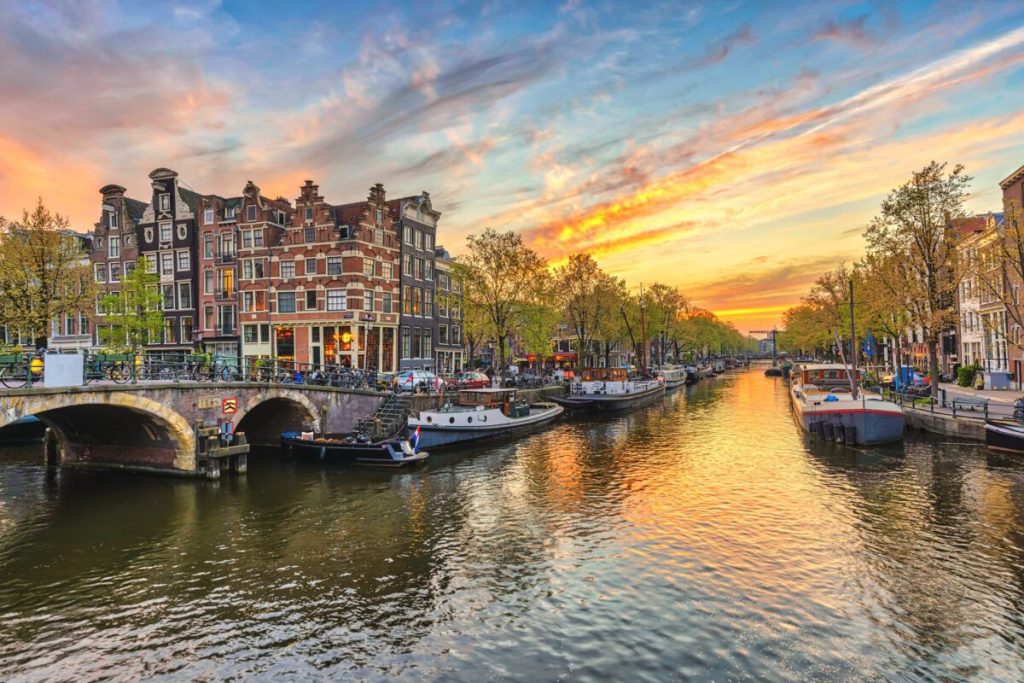
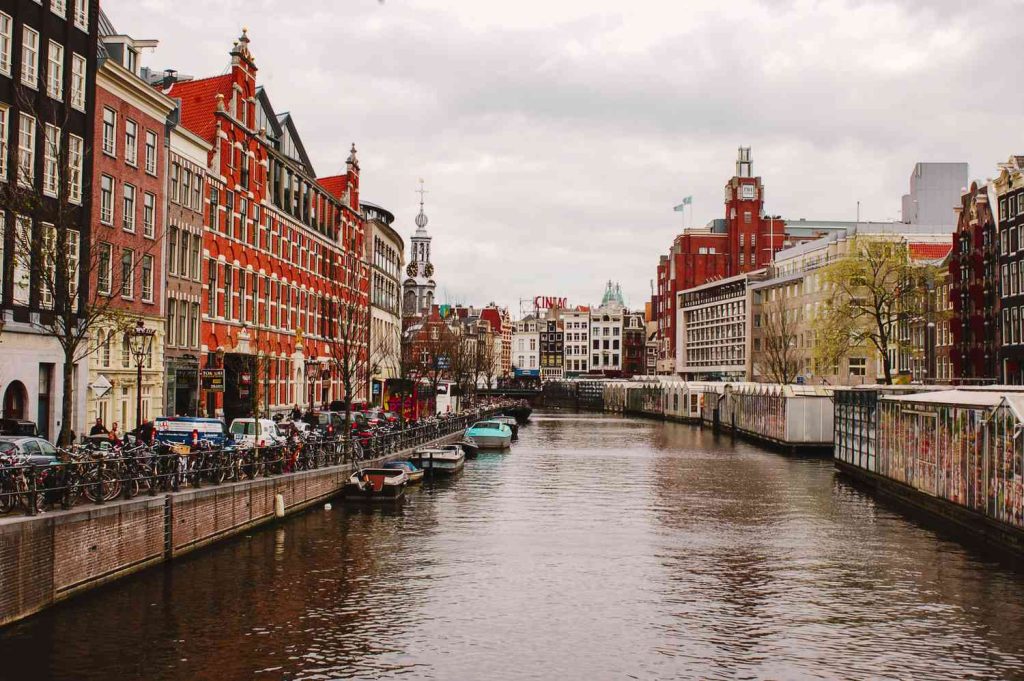
The Netherlands has about 23 million bicycles, even more than people! It’s pure envy: few people there are overweight; most have athletic figures. Of course! That’s a lot of pedaling, even in winter, rain and wind. Dutch grandparents are no slouch in this regard.
The average life expectancy of the Dutch is about 82 years. And partly due to their daily physical activity.
2. Something for every taste
The Netherlands is one of the leading exporters of fruits and vegetables. The warm Gulf Stream has done its job. The mild maritime climate allows for the cultivation of a vast array of healthy produce.
The most commonly exported vegetables are tomatoes, peppers, cucumbers, eggplants, and strawberries. However, the government’s priority is to provide its population with everything they need. Markets are everywhere; how can you resist buying everything you need?
3. Say “Cheese-e-e-r”
Tourists have similar problems choosing cheese. The Netherlands is one of the world’s leading producers of this dairy product, shipping millions of tons annually to global markets. Incidentally, the Dutch themselves consume about 17 kg of this delicacy annually. The country even has dedicated cheese routes.
In the town of Alkmaar, you can witness the ancient ritual of selling this delicious product. It resembles a theatrical performance. The main “actors” are the cheese carriers, dressed in white suits and straw hats.
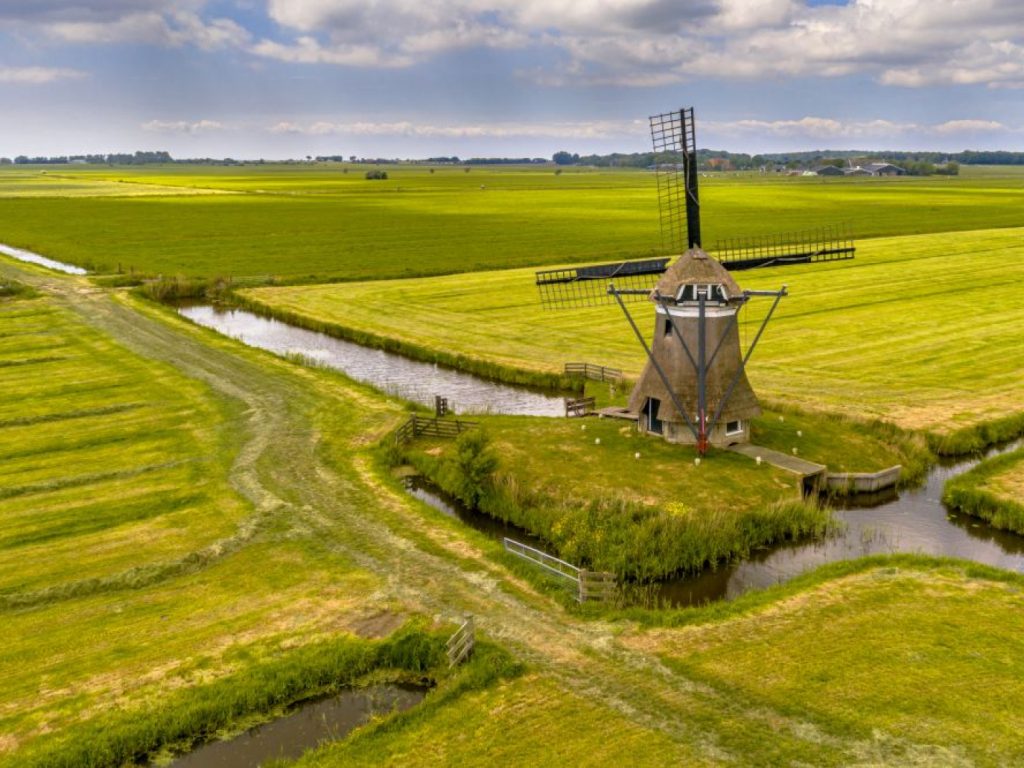
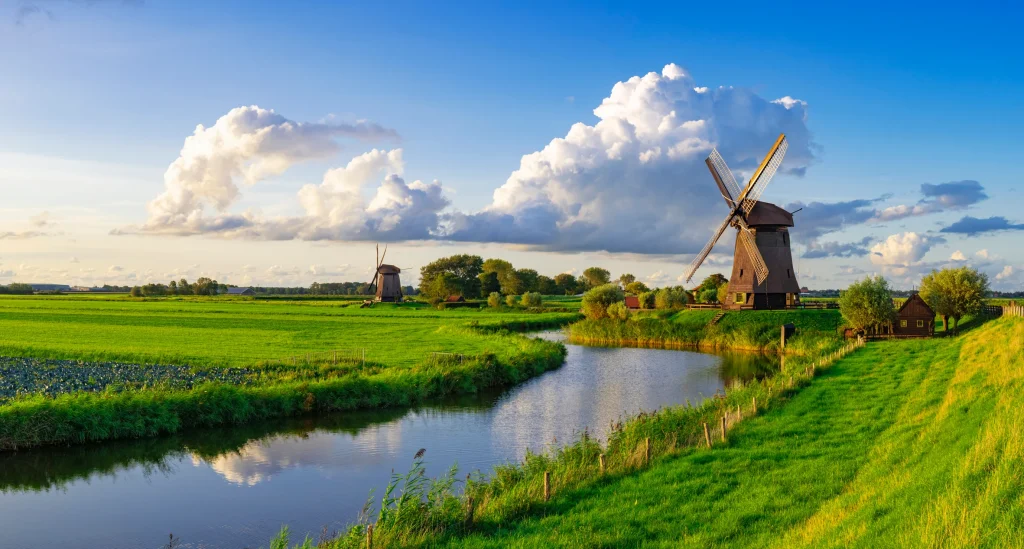
In other cities, you’ll be amazed by ancient cheese factories and dairy farms, as well as pastoral landscapes along the Rhine tributaries, as if straight out of a Dutch painting. The local beauty is another reason to lose your head!
4. Oh, How It Smells, or Dangerous Transportation
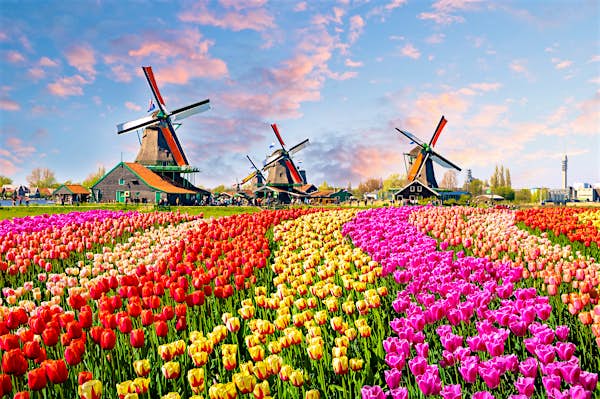
Tell me, how can you travel to the Netherlands and not buy tulip bulbs? It’s very simple: exporting them is quite a risky undertaking. At the border, valuable cargo may be detained and required to leave the bulbs on your home soil. Furthermore, Russian customs officials have the right to check whether you have a special phytosanitary certificate confirming that your Dutch souvenir is pest-free and not listed in the Red Book. Otherwise, the bulbs may even be considered contraband! Therefore, it’s better to settle for a tulip display, for example, at the Keukenhof royal flower garden.
5. Stinginess or thrift?
There’s a joke among Europeans: if used toilet paper is drying next to a house, it’s a Dutch home. Jokes aside, the people of this country are truly very frugal. They can turn off the heating even when it’s cold; the main thing is to wear a warm sweater! They live in simple interiors, buy old appliances and furniture for next to nothing, borrow books from the library, and often buy clothes for their children at second-hand stores (why buy something expensive when they grow so quickly). At the same time, the Dutch spend a lot of money on charity, participate in volunteer movements, and often ask for a donation to a local church instead of a birthday present.