
Locals don’t pay attention when they see a crocodile in a puddle by the roadside or a cute python head peeking out of a gas pump. Australians have adapted well to the local flora and fauna, having learned from childhood how to interact with various species of animals, regardless of their danger level.
1. Wear open shoes
Caution is essential not only in nature reserves and while hiking on hiking trails, but also when walking in green areas of cities. Venomous snakes and insects that can inflict serious bites can often hide in the grass. Instead of slippers, it’s best to wear sneakers, boots, or trainers to prevent potential accidents.
2. Leave your shoes outside the door
If you accidentally forget them, be sure to check your shoes for animals before putting them on. You might wake up and find a cute little palm-sized spider, a bright green toad, or even a snake inside your sneaker.
3. Fighting a kangaroo
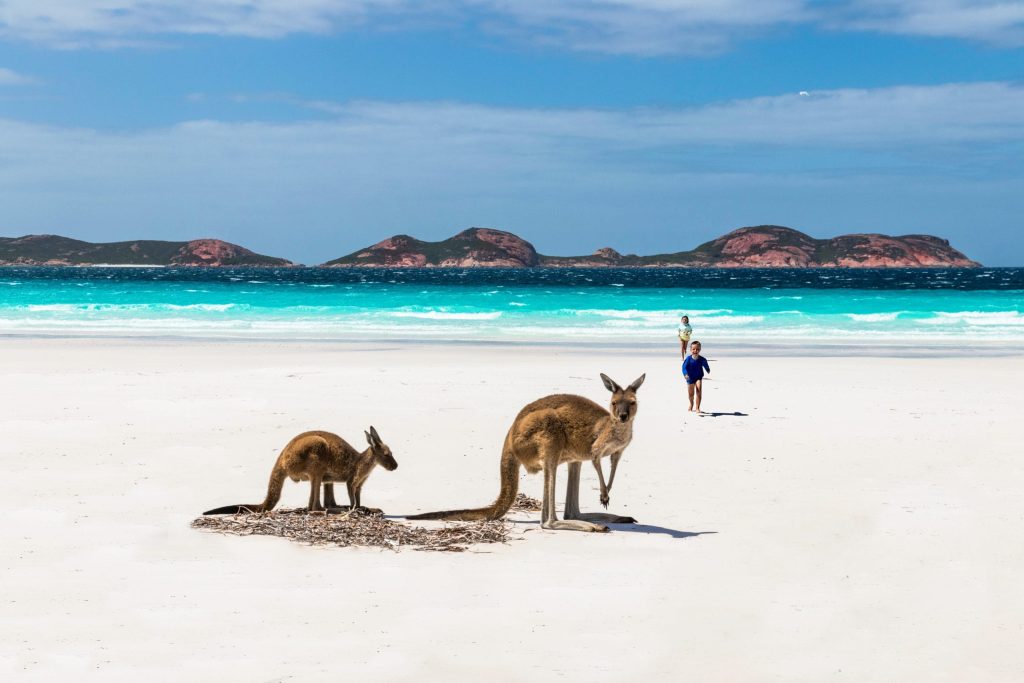
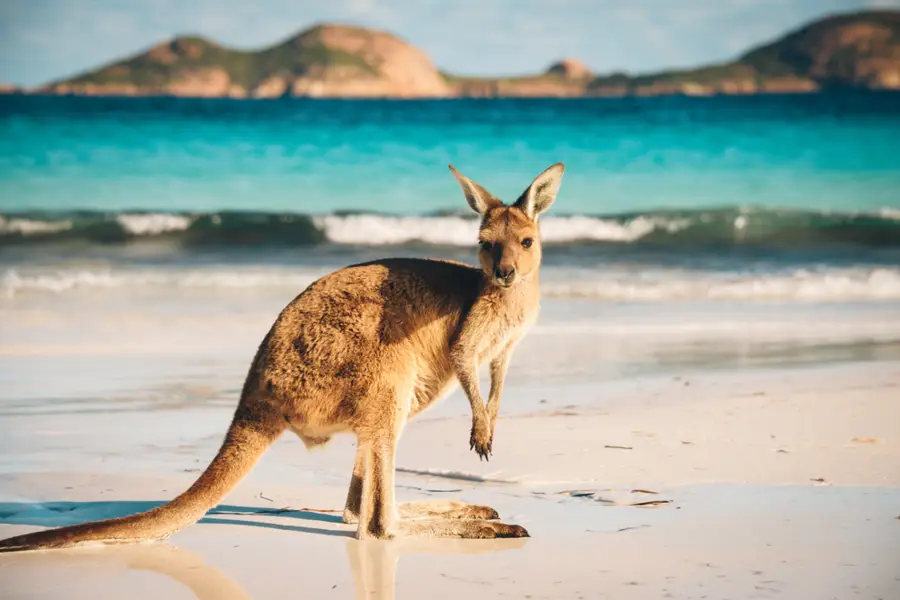
Kangaroos can cause serious injury to humans if they feel threatened. If the animal is large, an encounter could result in a trip to the emergency room. Therefore, it’s important to avoid provoking kangaroos: don’t tease them, don’t try to pet them, and don’t show aggression in their presence.
4. Spending too much time in the sun
The sun in this country can be particularly harsh, emitting intense ultraviolet rays, often resulting in sunburn even with short periods of exposure. Therefore, it’s best to use sunscreen with an SPF of 50 or higher on the coast. If you do decide to go to the beach, it’s best to do so only in the morning or evening, when the sun is not as strong.
5. Swimming in unauthorized areas
Australian waters also harbor some hidden dangers, but beachgoers needn’t worry – beach safety is strictly enforced. If anything suspicious is discovered, warning signs are posted immediately. Ignoring these warnings almost guarantees an encounter with biting marine insects, venomous fish, and larger predators.