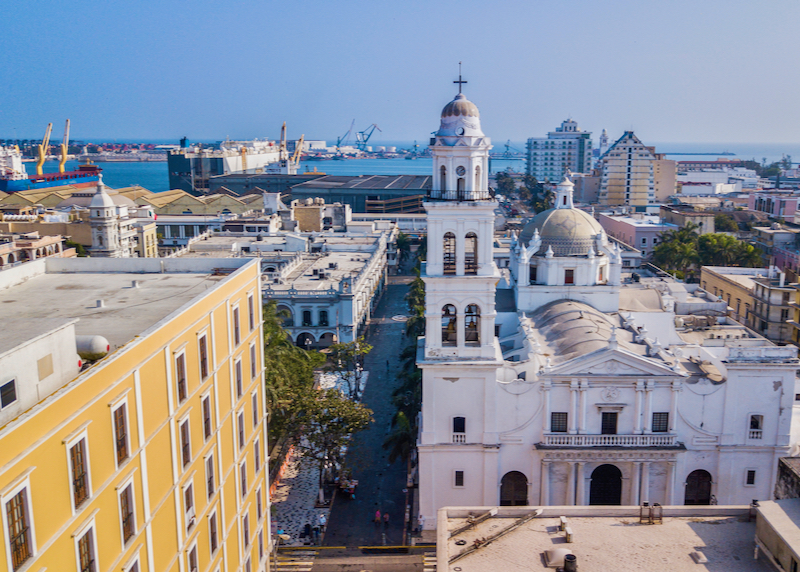
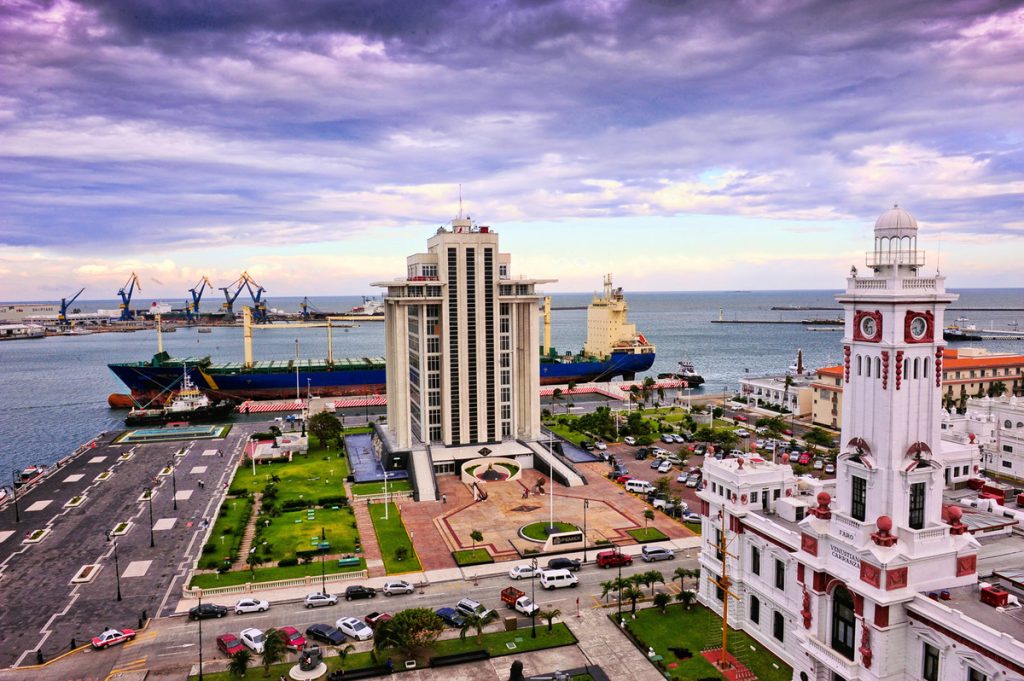
Located on the Gulf of Mexico, Veracruz is hardly a beach resort in the true sense of the word; it is primarily a port city. Locals make up the majority of vacationers, and foreign tourists are rare.
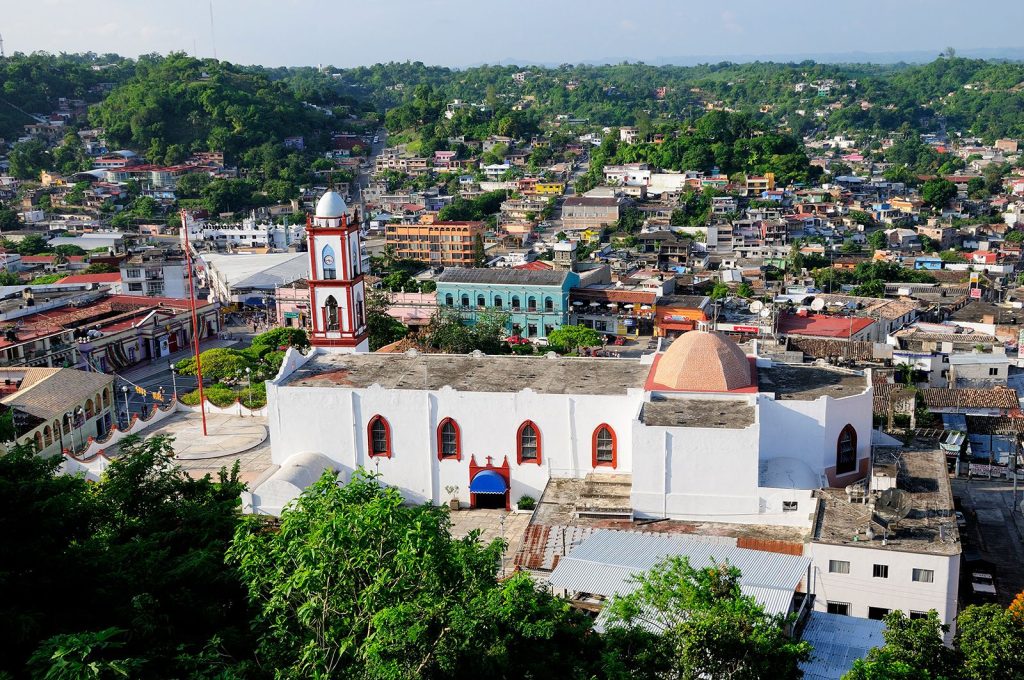
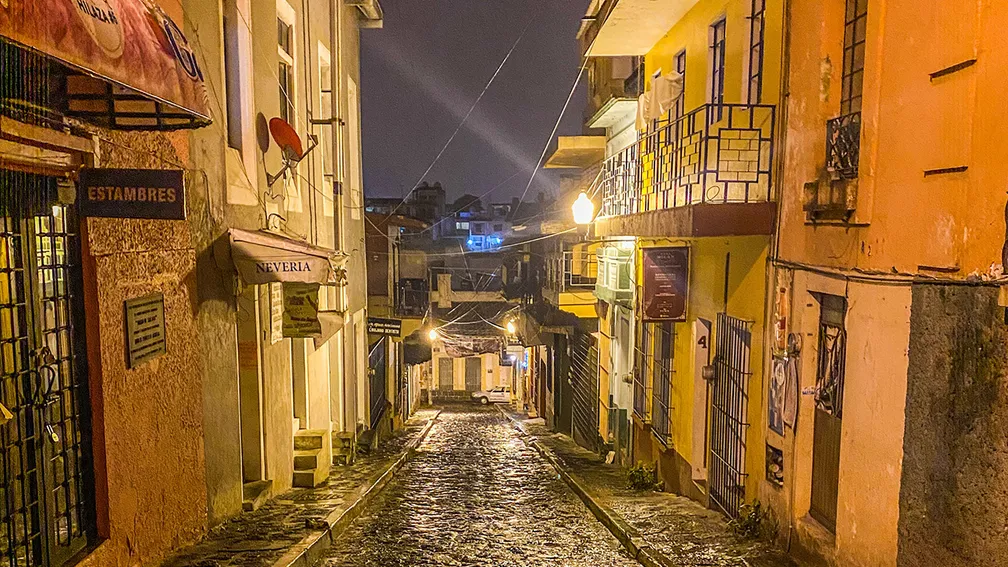
Veracruz maintains its authenticity, not striving for high tourist standards. Unlike many other Mexican cities, it is distinguished by its restraint: brightly painted houses and colonial-baroque facades are absent. Outside the city center, Veracruz resembles more a village than a city.
Entertainment and Attractions
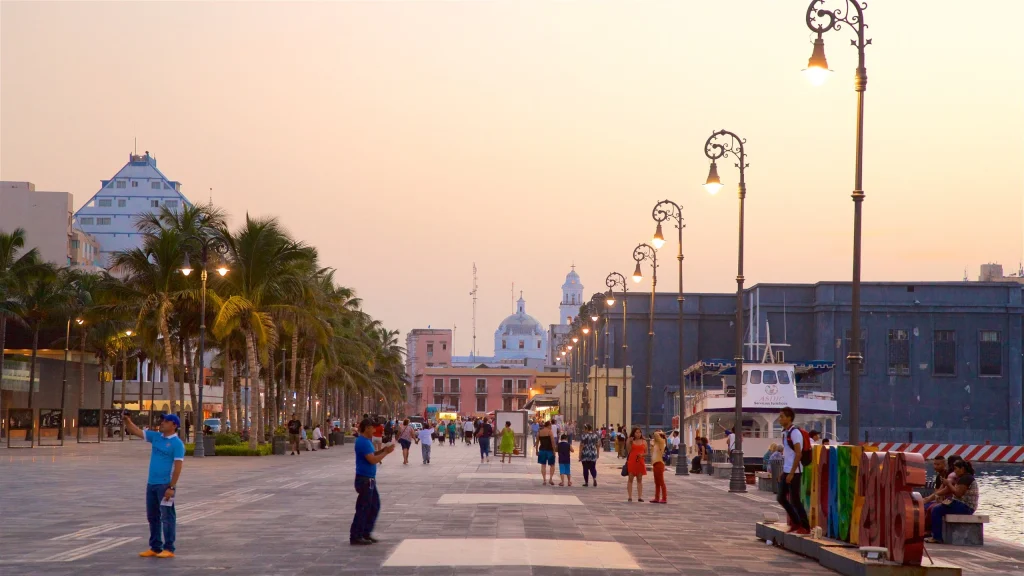
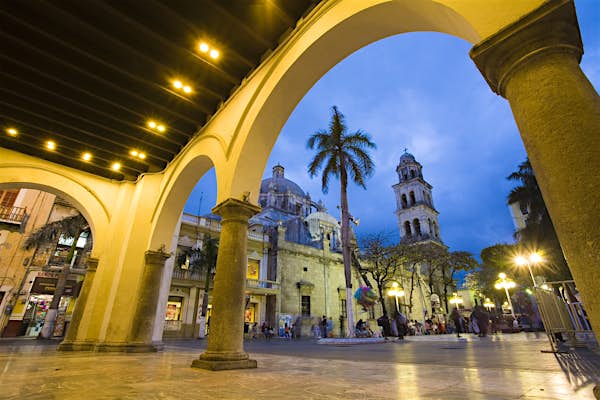
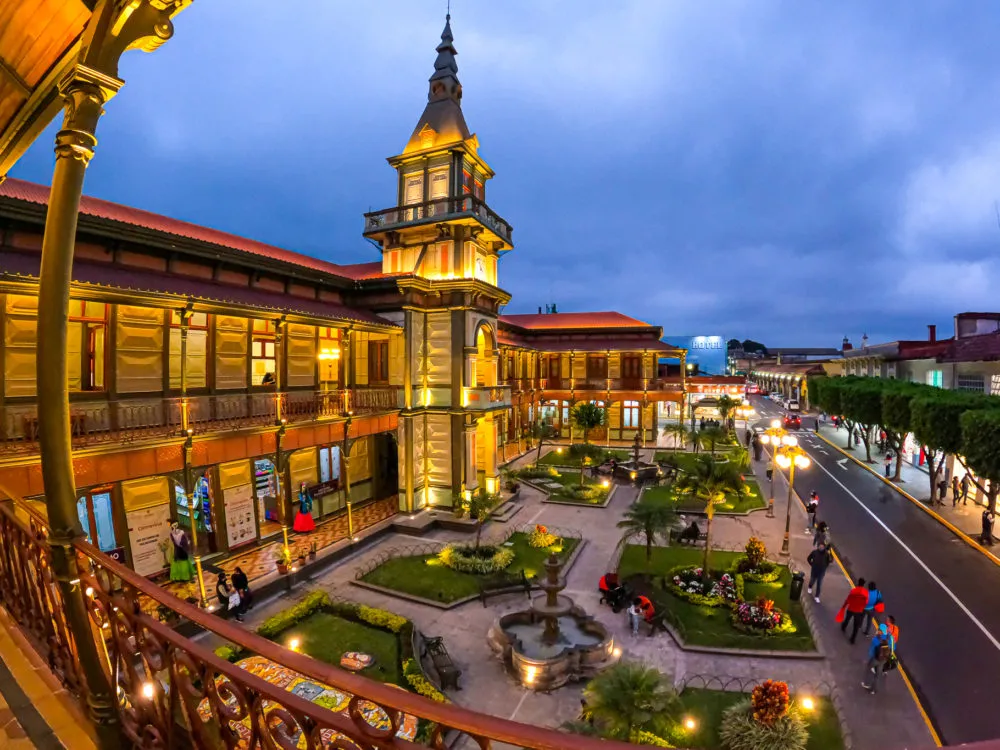
All entertainment in Veracruz is concentrated on the waterfront, home to numerous hotels and restaurants. The promenade is decorated with palm trees and a variety of sculptures, some quite unexpected, such as a machine gunner or a diver in a diving suit. There is also an aquarium, where visitors can observe marine life in a huge tank. Not far from the central Zócalo square are an ancient castle, two forts, and the Cathedral. The forts of San Juan de Ulúa and Baluarte de Santiago are located opposite each other, and each now houses museums.
In the evening, the city squares become a riot: old and young alike engage in boisterous dancing. Clowns, mostly women, stroll the streets. People dance in cafes and squares, sipping tequila, and music flows from everywhere. Those not dancing play chess at tables, and everyone enjoys the peace.
Since 1866, Veracruz has held its annual Carnival, the second most important in Latin America after Rio de Janeiro. For nine days leading up to Ash Wednesday (usually in February), residents of the city parade through the streets in colorful costumes, singing, dancing, and competing. Musical groups and dance schools from all over the country come to this celebration. Stands for spectators are set up along the embankment. At the end of the carnival, an effigy of Coque, symbolizing all evil, is burned.