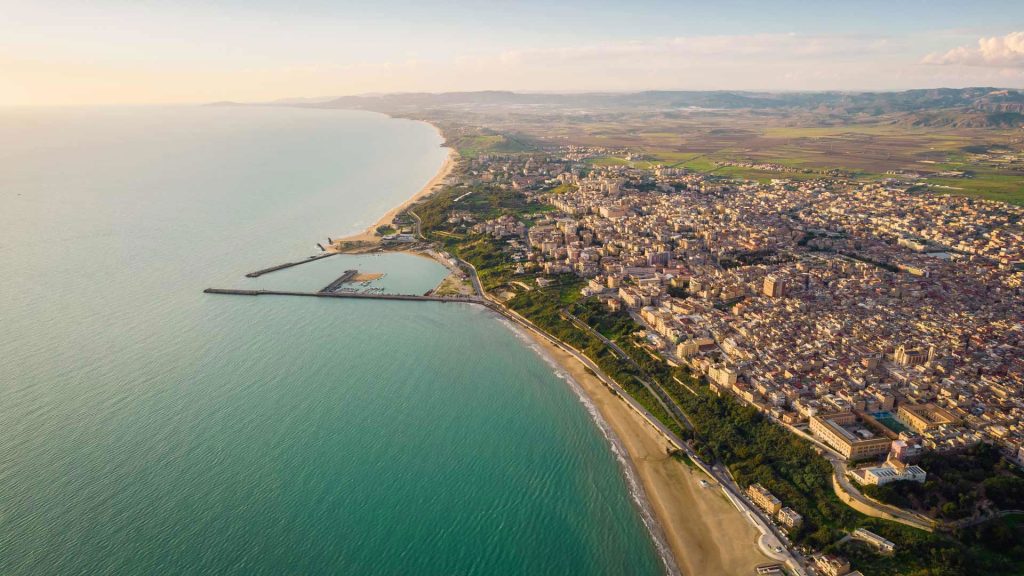
Located on the southeastern coast of the island, this city was once an important industrial center and one of the centers of ancient Greek civilization in the Apennines. Founded by settlers from Rhodes, Gela, and Agrigento, it expressed the ambitions of the ancient Greeks throughout the Mediterranean.
What to see
To experience the historical pulse of this place, the best way to begin your visit is with a tour of the Archaeological Park of Gela. Here, you can immerse yourself in the atmosphere of ancient Greek military architecture from the 4th century BC. The park’s most impressive structure is the Acropolis. Among its ruins, the Temple of Athena, a symbol of Greek wisdom and craftsmanship, stands out. The Acropolis in Gela is remarkably well preserved thanks to the use of a special building material – fired bricks called “krudi.” Near the Archaeological Park are the remains of public baths from the 4th century, with 36 water cisterns and an underground drainage system.
The Old Town stretches along the town’s main street, Vittorio Emanuele. Its most interesting buildings include the 11th-century Church of San Baggio and the Church of the Blessed Virgin Mary, with its Gothic façade and beautiful wooden altar.
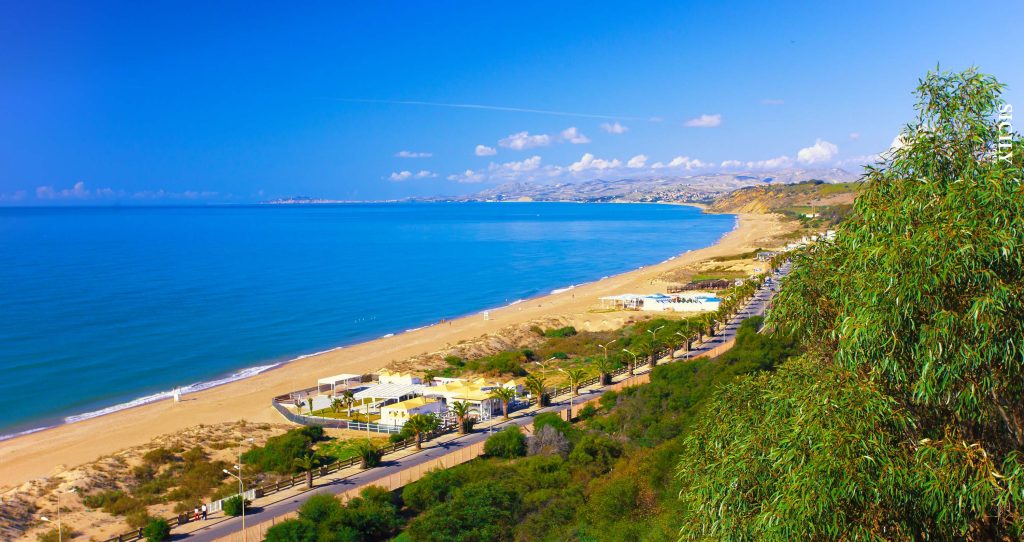
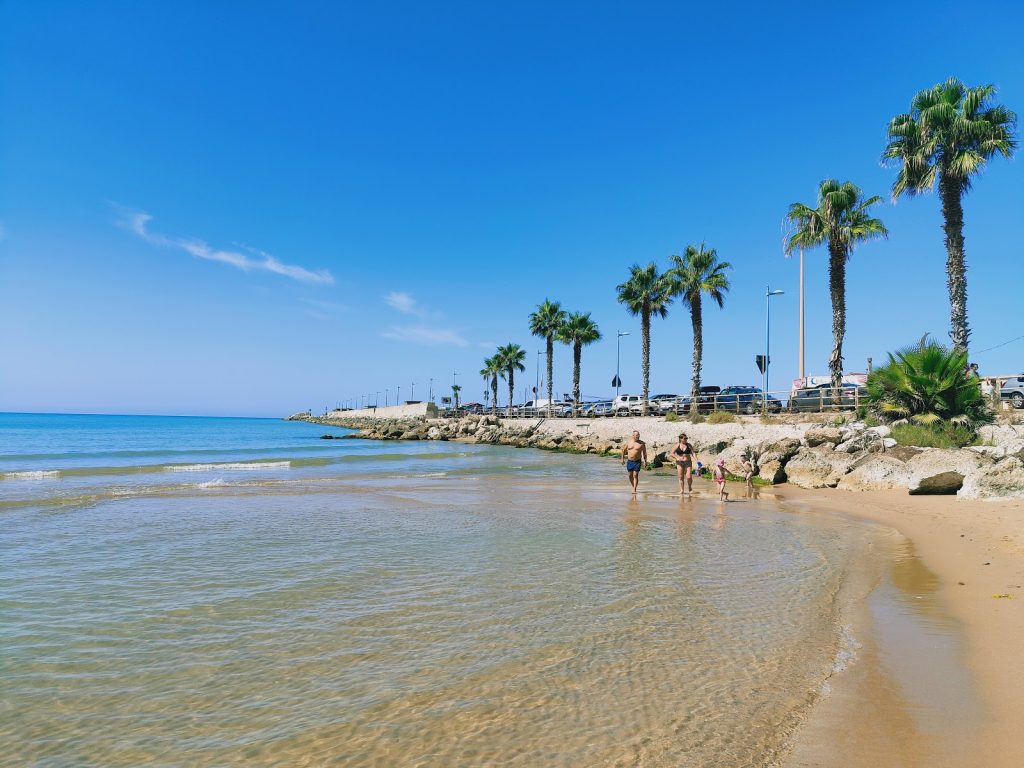
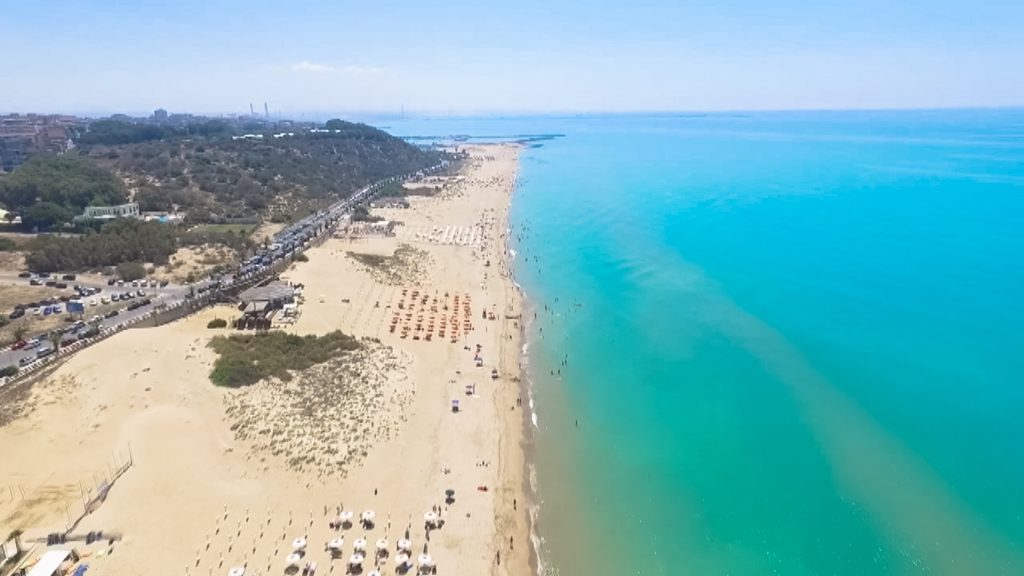
Like any large seaside town, Gela boasts a magnificent 8-kilometer-long promenade with equipped beaches, restaurants, and bars.
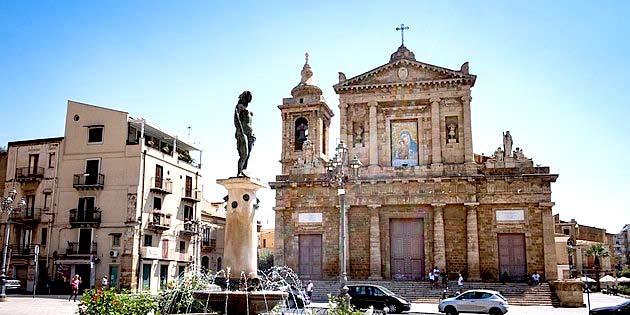
In Piazza Umberto stands the Neoclassical cathedral, built at the turn of the 18th and 19th centuries. This sandstone church features double colonnades, a dome, and a bell tower. Inside the basilica, you’ll see several 18th-century icons, marble tombstones, and an altar of multicolored marble and glass. The cathedral’s main façade was rebuilt in 1844 by the renowned Italian architect Giuseppe di Bartolo Morselli. It consists of two walls, seemingly stacked on top of each other, with a fresco of Mary at the top. Inside the cathedral you can also see several 19th-century paintings by Giuseppe Tresca, Andrea Vaccaro and the Renaissance master Deodato Guinacci.