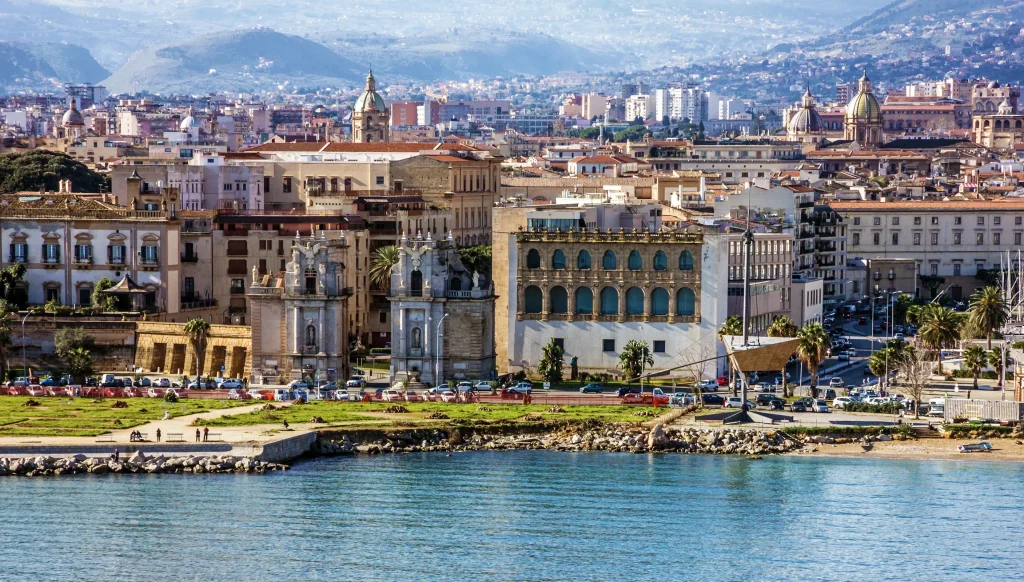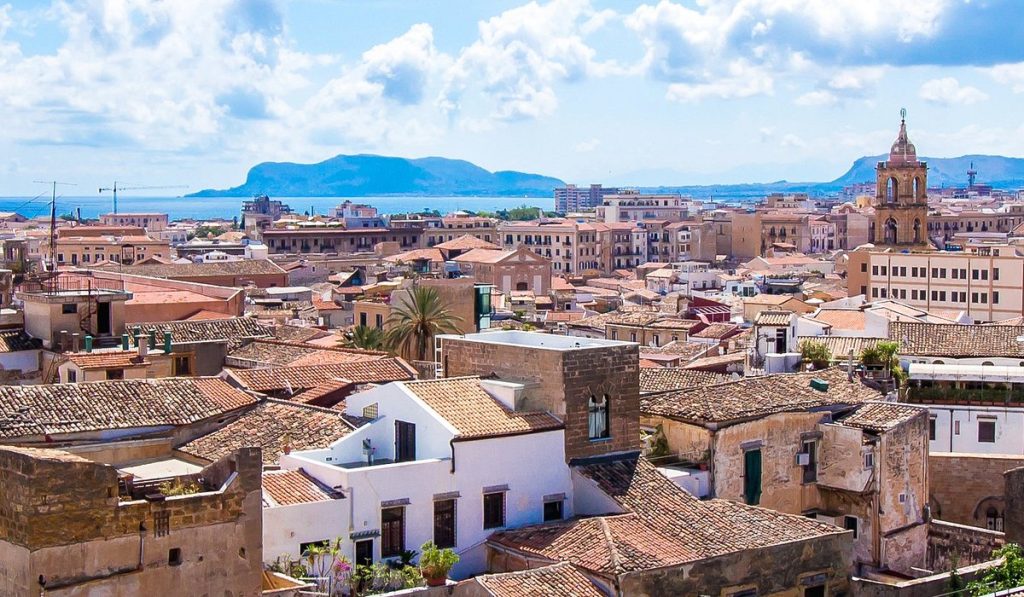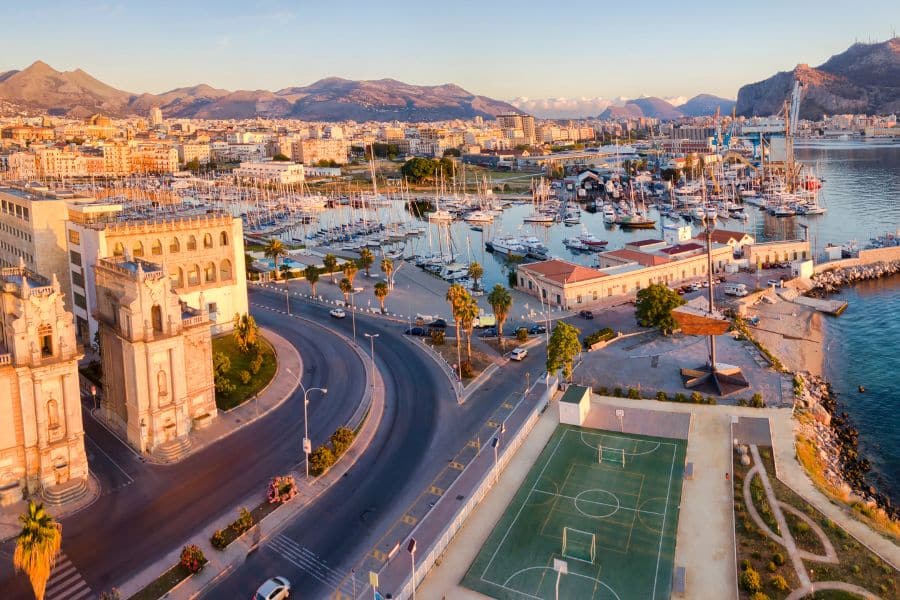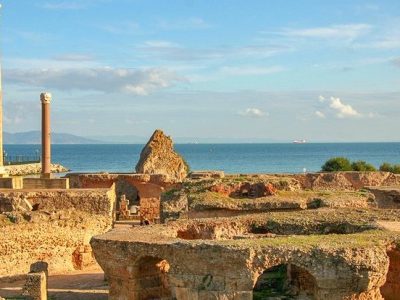
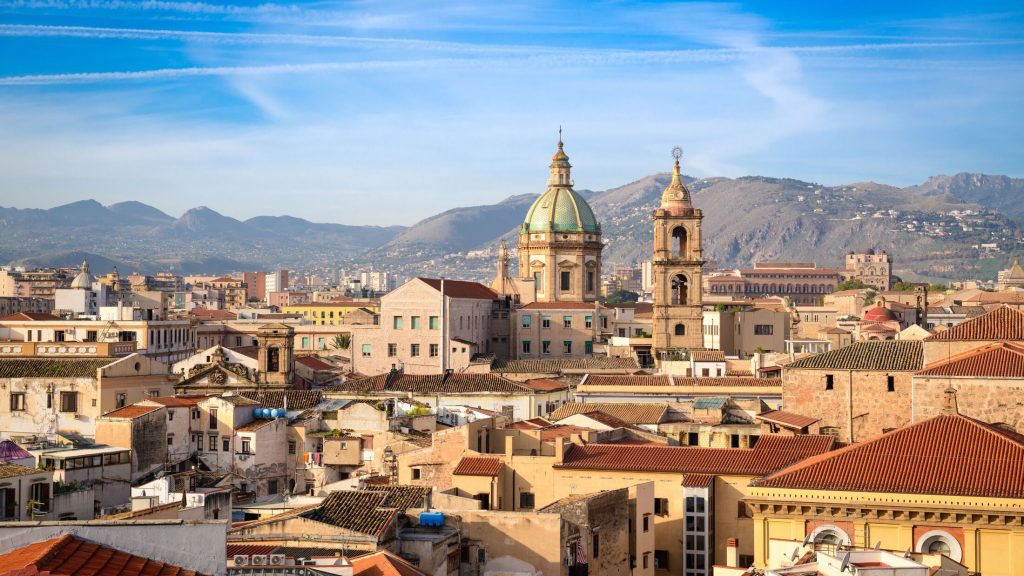
Palermo is a city of contrasts: one street is abandoned and mired in ruins, while another glitters with the vibrant luxury of fashionable hotels and high-priced boutiques. However, those who can embrace the city’s inexhaustible energy, its frantic traffic, and its pervasive chaos will fall in love with it forever.
Get ready for adventure: Palermo offers a myriad of palaces, castles, and churches, distinguished by a unique fusion of architectural styles, including Byzantine, Arabic, Norman, and Renaissance. At the same time, it is a modern city, with its wide avenues, enticing shops, and beautiful 19th-century mansions.
Entertainment and Attractions in Palermo
The ancient capital of the island, Palermo, is today a large port city with narrow streets reminiscent of Istanbul, as well as Arab mosques converted into Christian churches, and the palaces of Norman rulers.
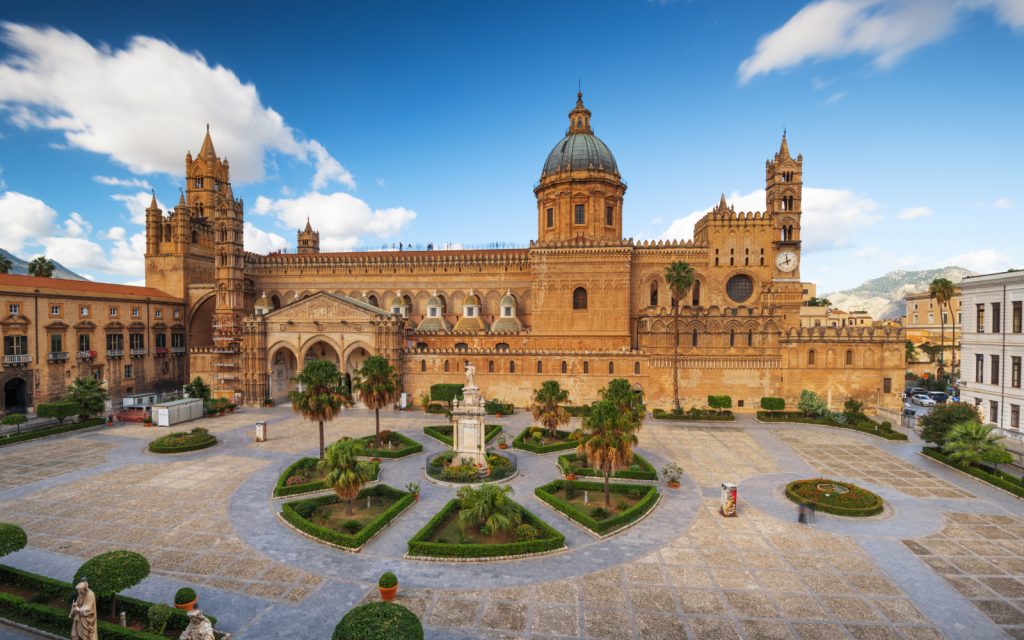
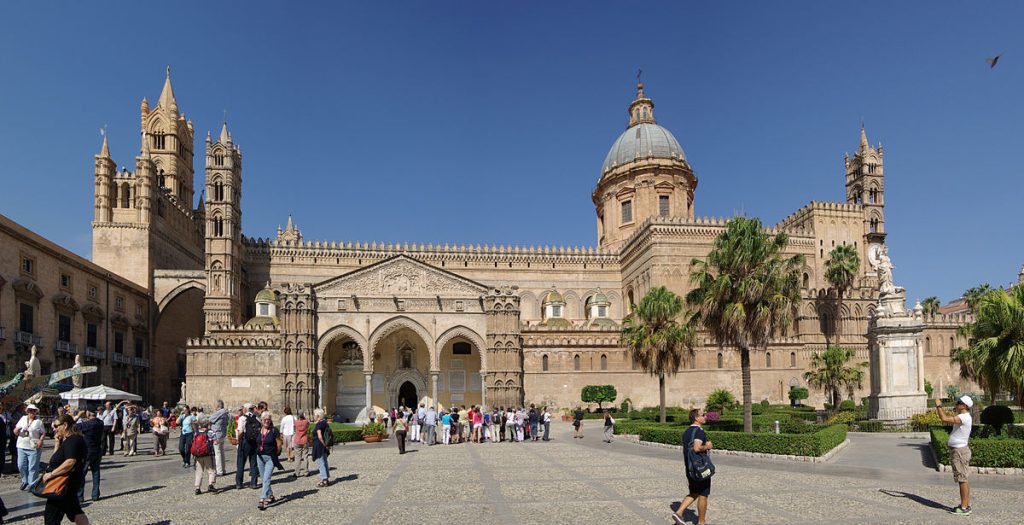
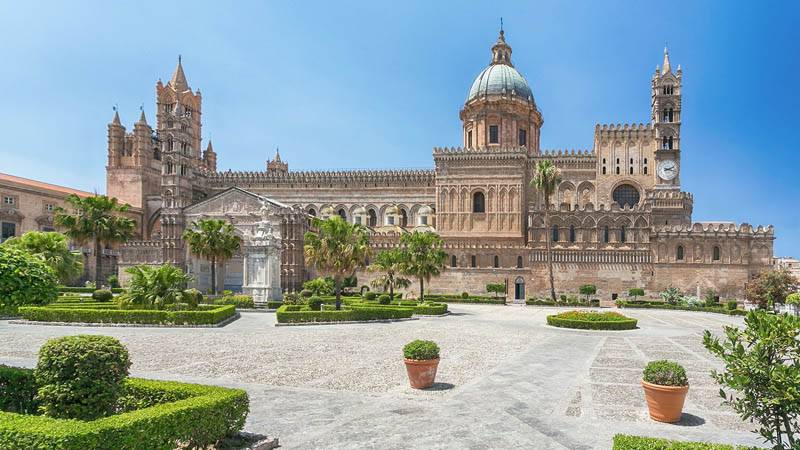
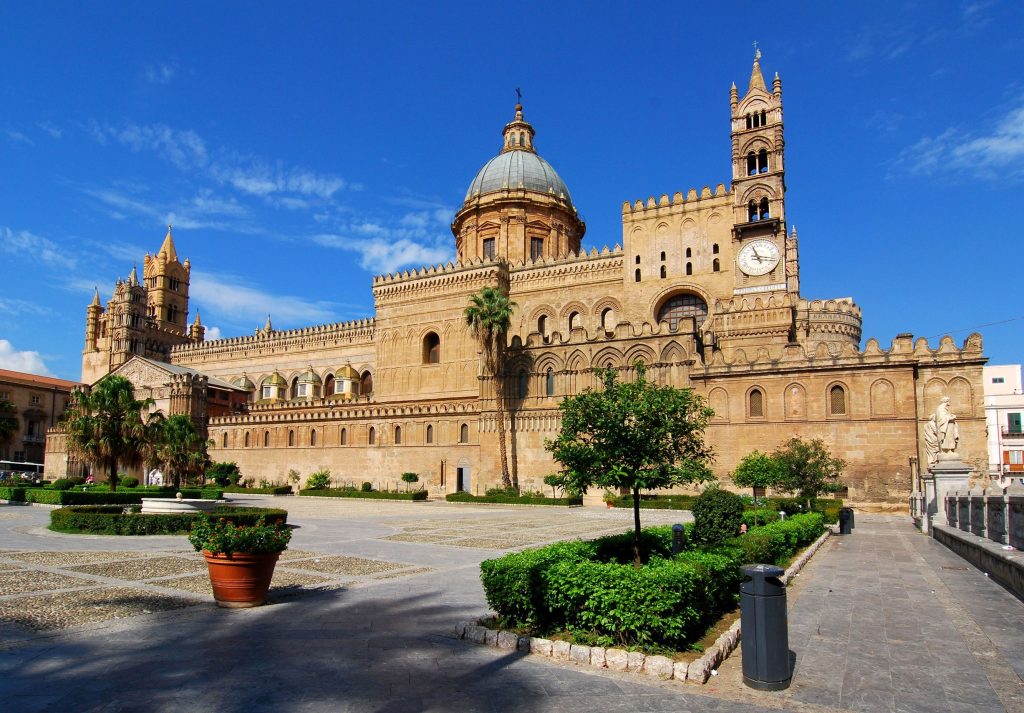
The city’s calling card is its numerous churches—almost 300 of them. Palermo’s historic center, Quattro Canti, is considered one of the largest in Italy. Of particular interest is the Norman Palace, which was home to the island’s rulers from the 7th century until the Spanish occupation in the 16th century. This architectural complex is an example of unique Arab-Norman architecture. The Palazzo della Ragione, home to the regional parliament, and the Palatine Chapel have remained virtually unchanged since the 12th century and are decorated with Byzantine mosaics and paintings. The Capuchin Catacombs house exhibits representing the bodies of noble Sicilians who died in past centuries. Furthermore, the impressive Cathedral on Via Vittorio Emanuele, a blend of Gothic and Moorish elements with classical style, is one of the city’s calling cards. Inside, you can see the relics of Saint Rosalia, the city’s patron saint, as well as the remains of Sicilian rulers. The observation deck on Monte Pellegrino offers a breathtaking view of the city and the sea.