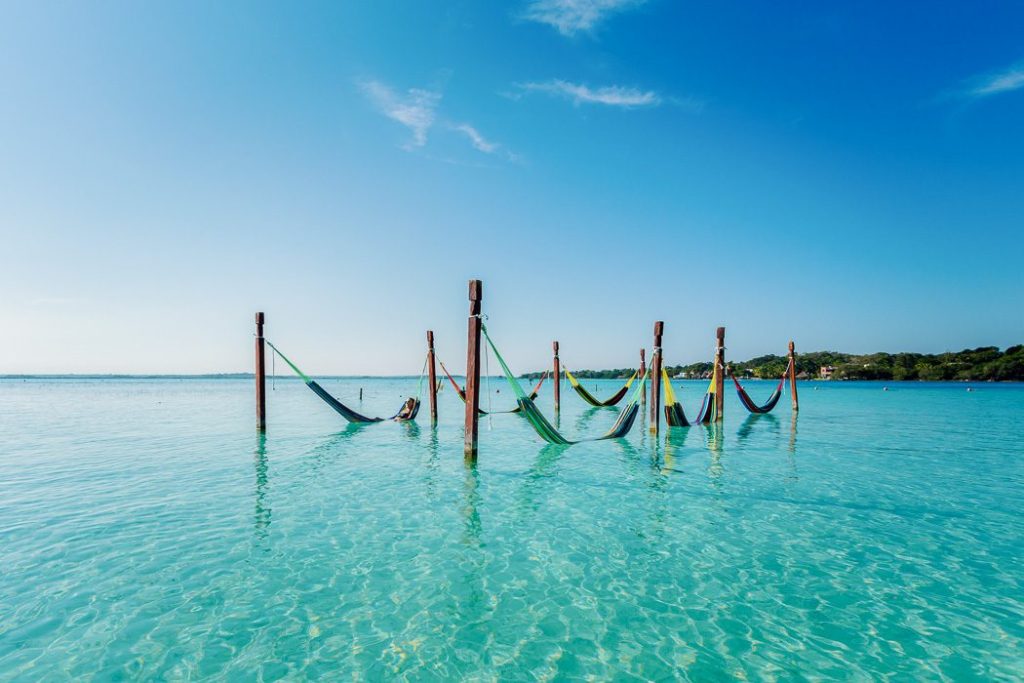
Yucatan is a peninsula encompassing three Mexican states: Campeche, Quintana Roo, and Yucatan. The northern regions of Guatemala and Belize are located nearby. The peninsula is washed by the Caribbean Sea and the Gulf of Mexico. It enjoys a hot tropical climate, and vegetation ranges from savannas in the north to dense jungles in the south.
Yucatan Attractions
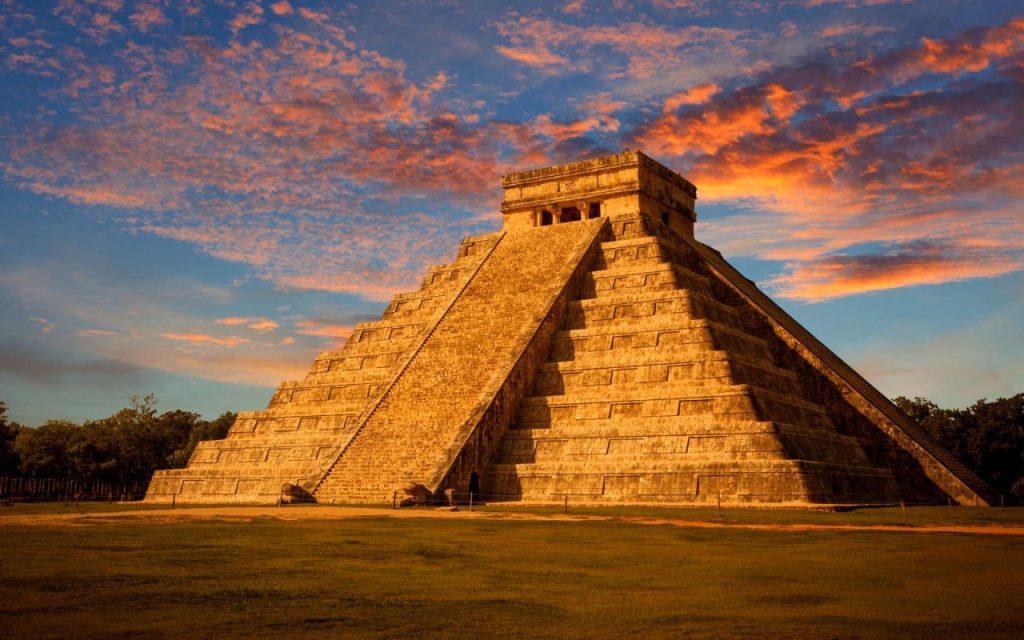
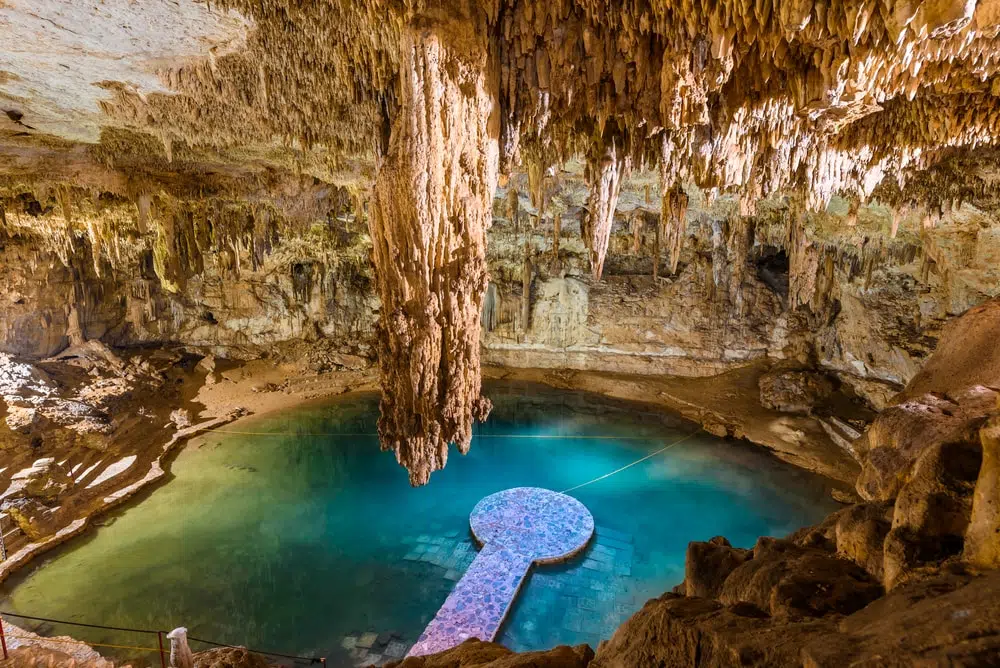
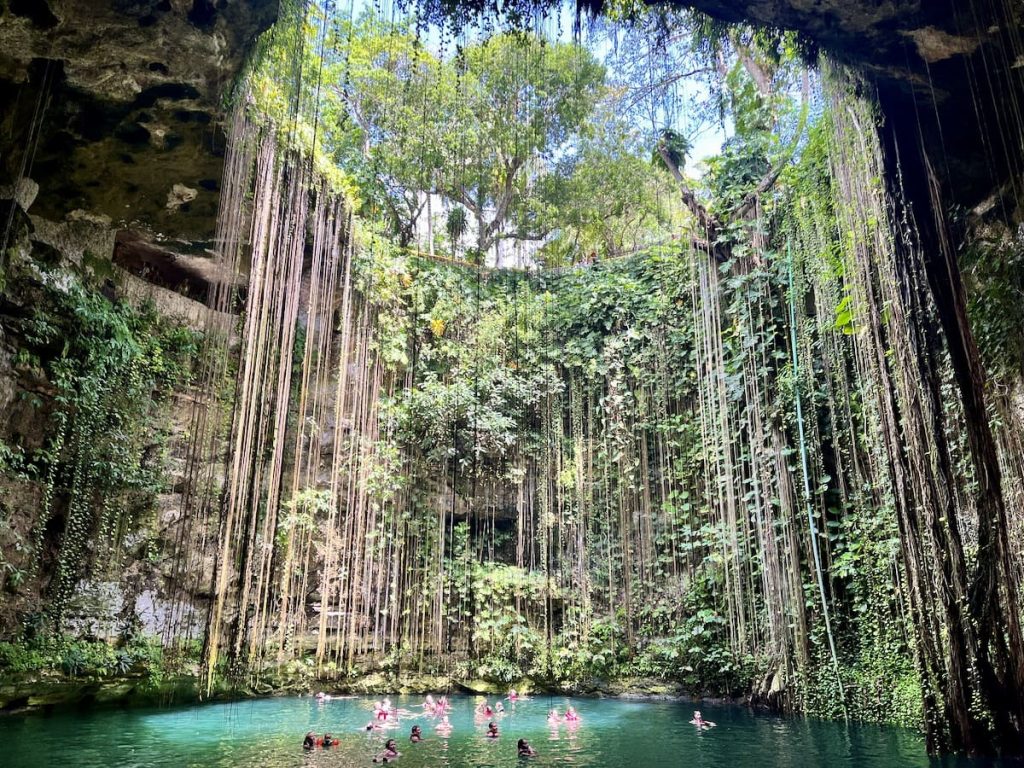
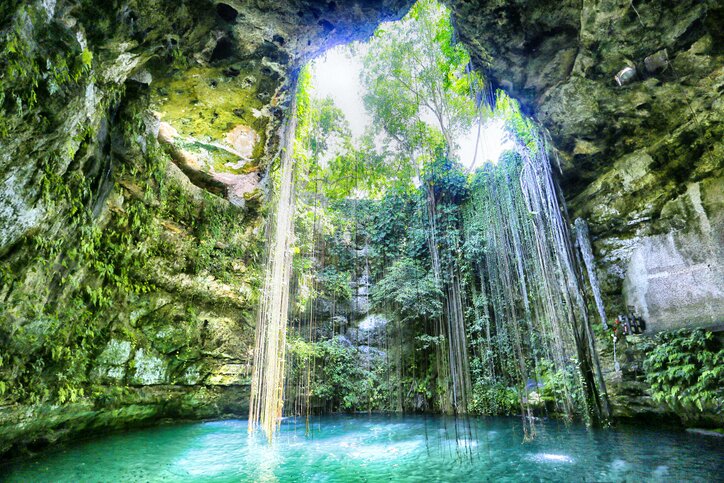
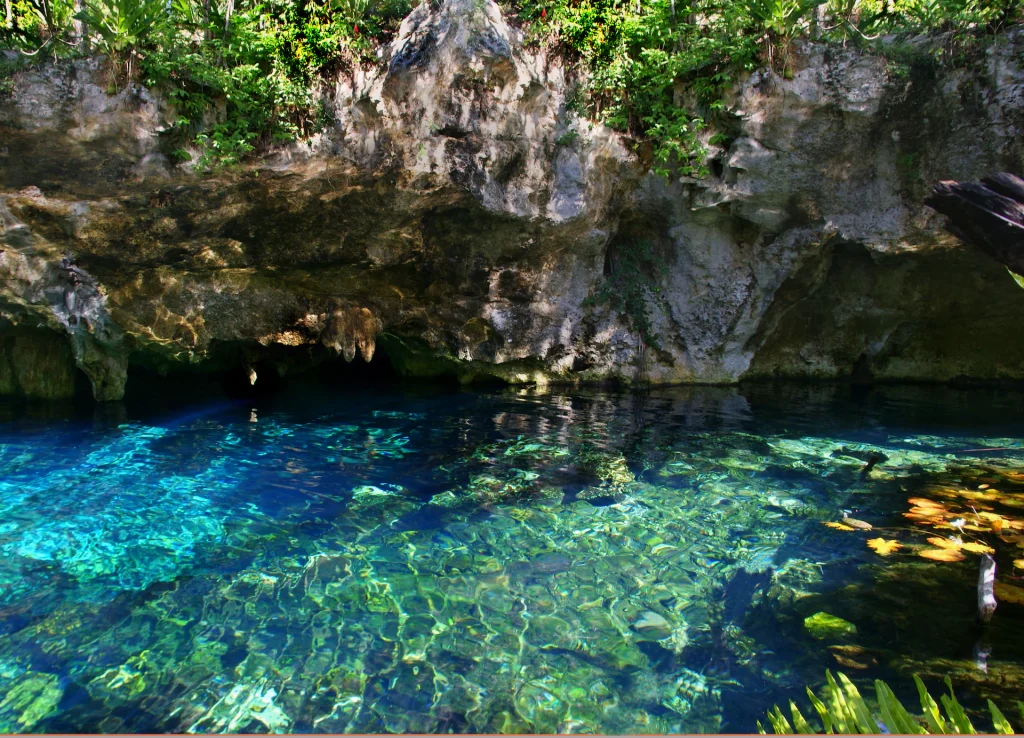
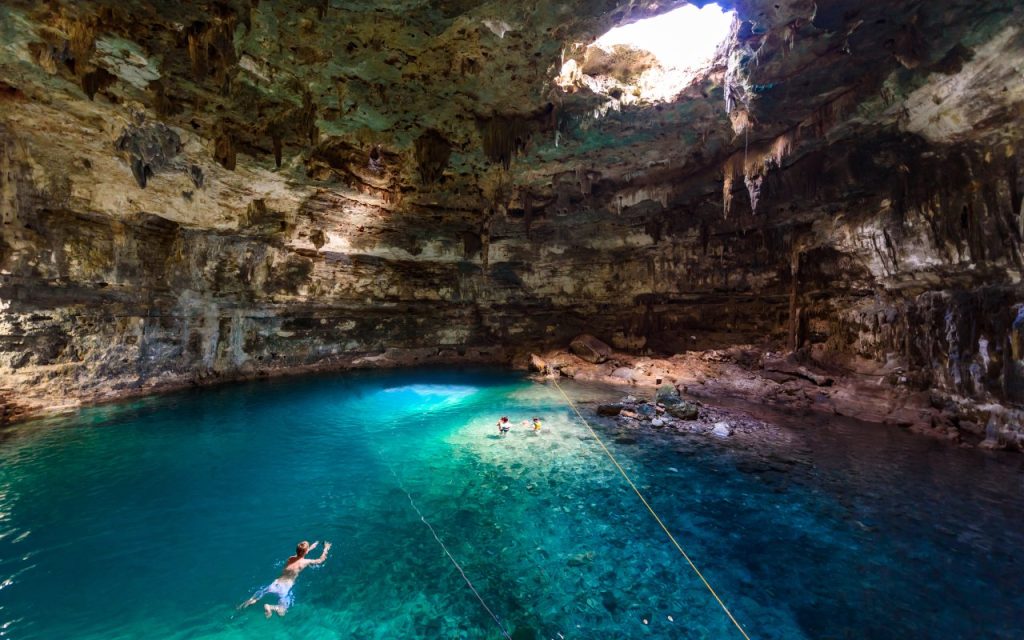
About two thousand years ago, the ancient Mayans established their settlements near natural underground reservoirs, as the limestone soil of the Yucatan absorbed all rainfall. The main Mayan city, Chichen Itza, arose near such reservoirs, explaining its name, which translates as “springs of the Itza people.”
The Mayans were extremely active and left behind a significant legacy that attracts many tourists.
These tribes possessed a written language, created calendars, built stone cities, and practiced agriculture. The Maya is a mysterious ancient civilization surrounded by many legends, some of them dark. For example, they selected the most beautiful girls, painted them blue, placed golden hats on their heads, and threw them into wells as sacrifices. Archaeologists have discovered over 30,000 such golden hats in one well, indicating the widespread nature of these rituals.
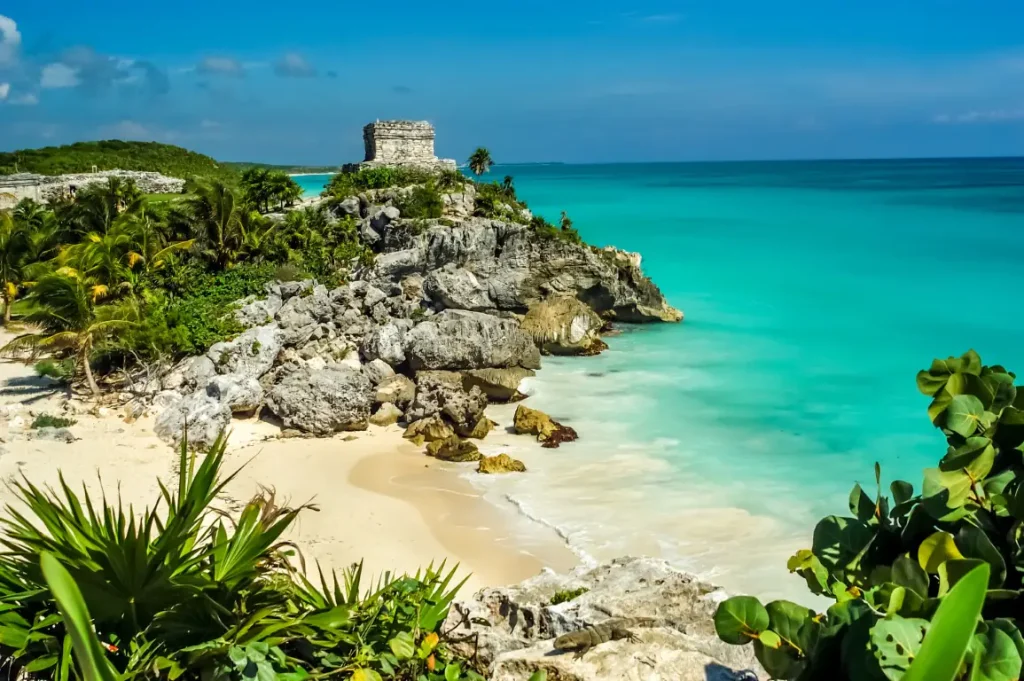
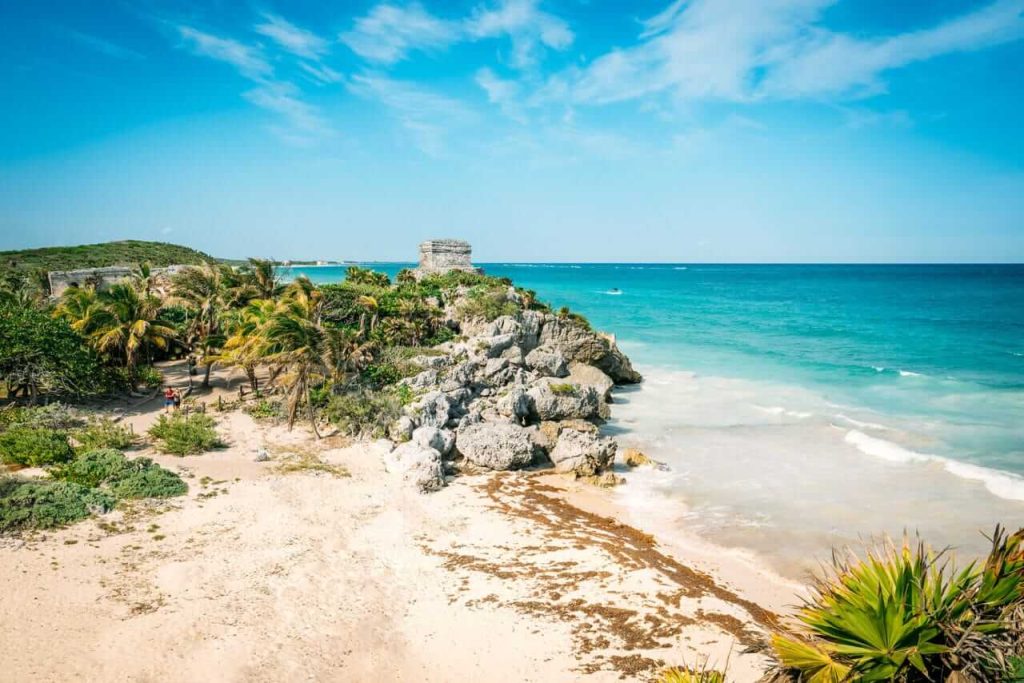
For those interested in Mayan history, it’s worth visiting the ruins of Uxmal, Tulum, Labna, Kohunlich, and other ancient cities located approximately 120 km from Mérida. The oldest building in these ruins is already 16 centuries old. In Uxmal, the most noteworthy buildings are the ornate Nuns’ Square and the Pyramid of the Diviner, which reaches a height of almost 40 meters.
In the Xcaret Nature Reserve, tourists can visit a turtle farm and a butterfly park. Extreme sports enthusiasts can swim with whale sharks at Holbox Island.