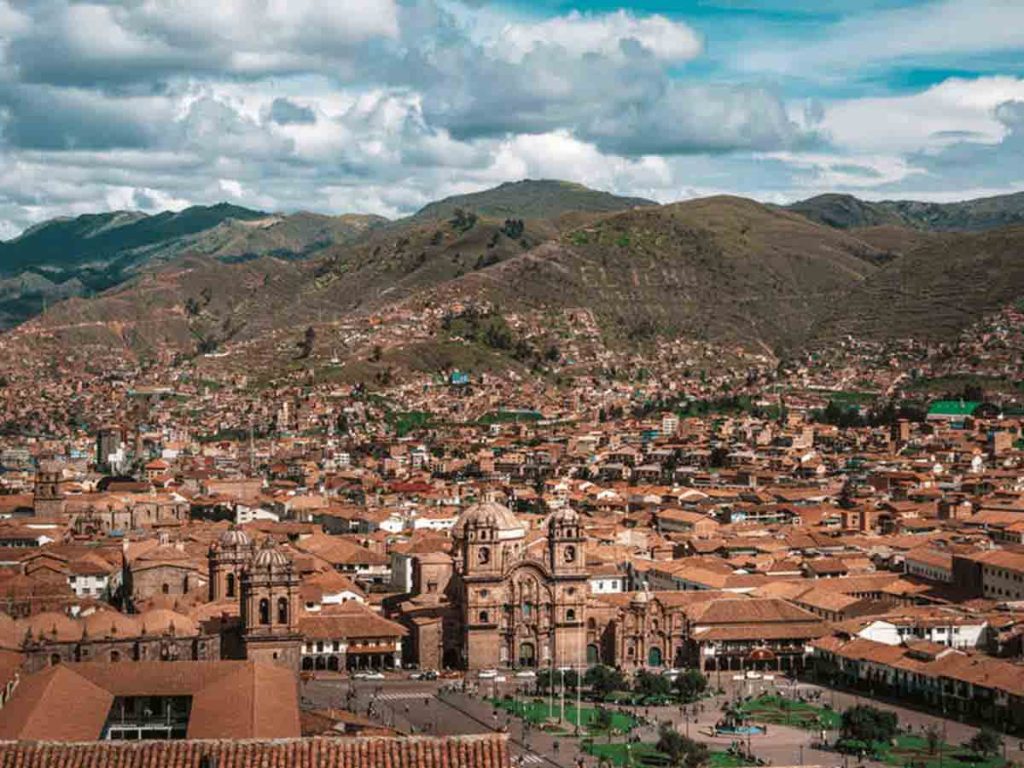
 The city of Cusco, capital of the ancient Inca Empire, has been inscribed entirely on the UNESCO World Heritage List. It is one of the oldest and most unique cities in the world, with archaeological research showing that the first settlement here dates back approximately 3,000 years.
Cusco exudes the spirit of both American and European civilizations. Many significant buildings from the Spanish era were built on the sites of Native American religious sites or the homes of their rulers. Walking through the city feels like simultaneously experiencing both an Inca city and the capital of a Spanish colony. Cusco Attractions and Attractions
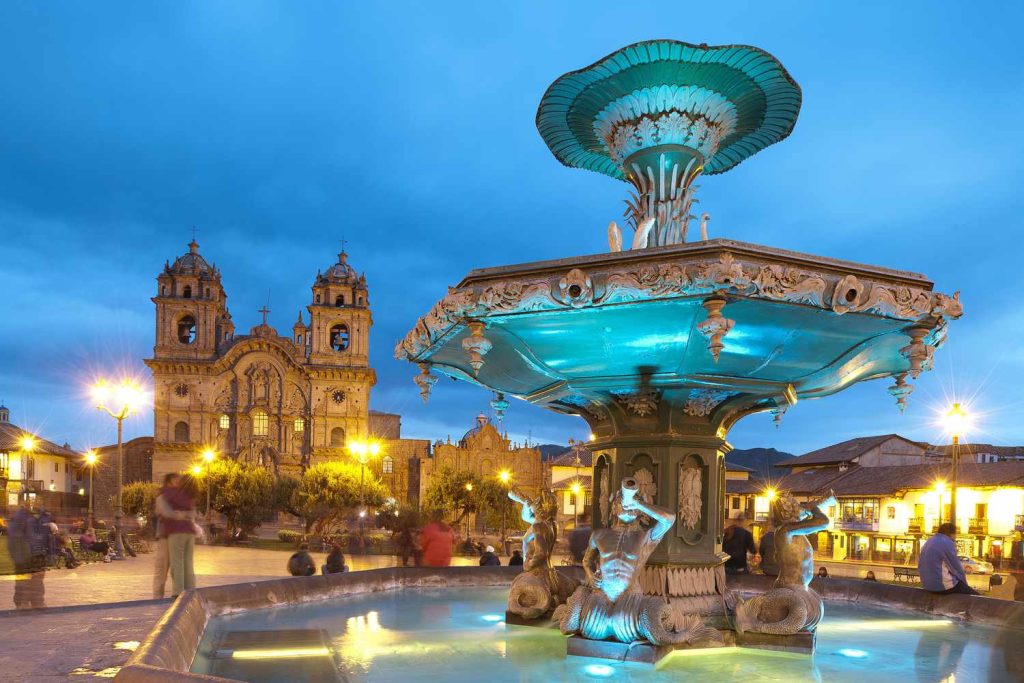
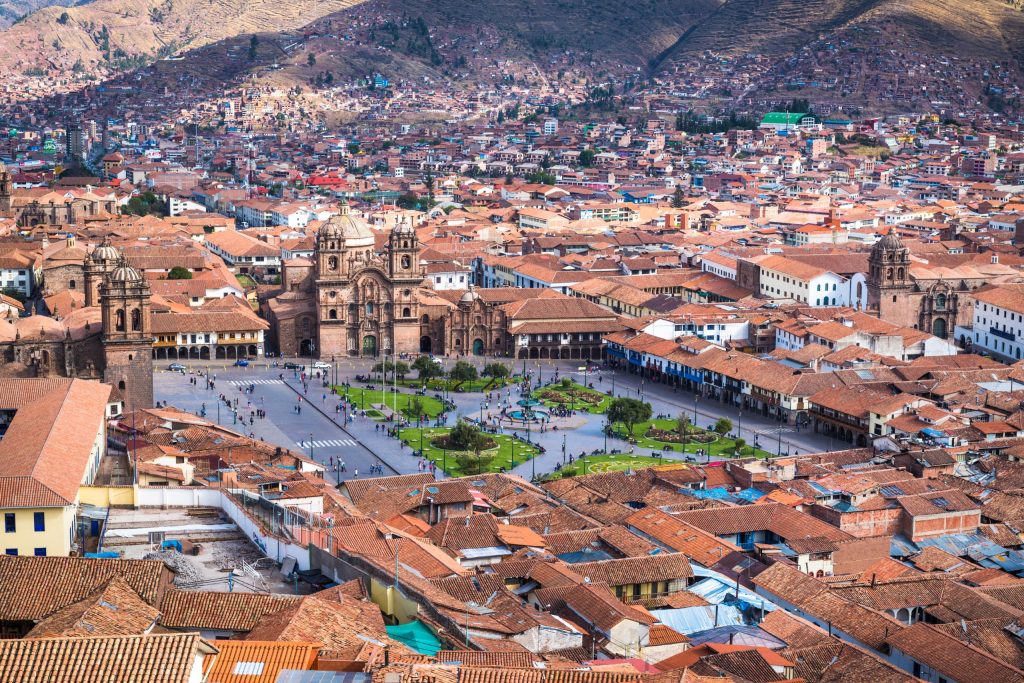
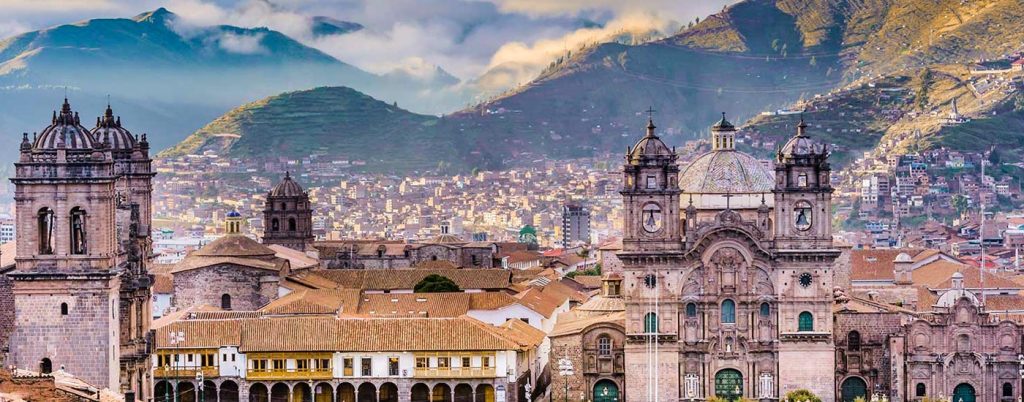
Major attractions include the Plaza de Armas, built by the Spanish on the site of the ancient cult center of Huacalpa, the Inca statues of Inca Pachacuti, the ruins of the granite Palace of the Supreme Inca, the Cathedral of La Compaña, the Church of El Triunfo, the Church of Santo Domingo, and the ruins of the Inca Coricancha, the Palace of Justice, the Museum of the Institute of Archaeology, the Museum of the Viceroyalty, and the Museum of Religious Art.
Northwest of the city center, on a mountaintop, stands the monumental complex of Sacsayhuaman, which served as the military and religious center of the Inca Empire. At its center is the so-called “Throne of the Inca,” surrounded by 21 bastions with mighty towers, each capable of sheltering a thousand warriors.
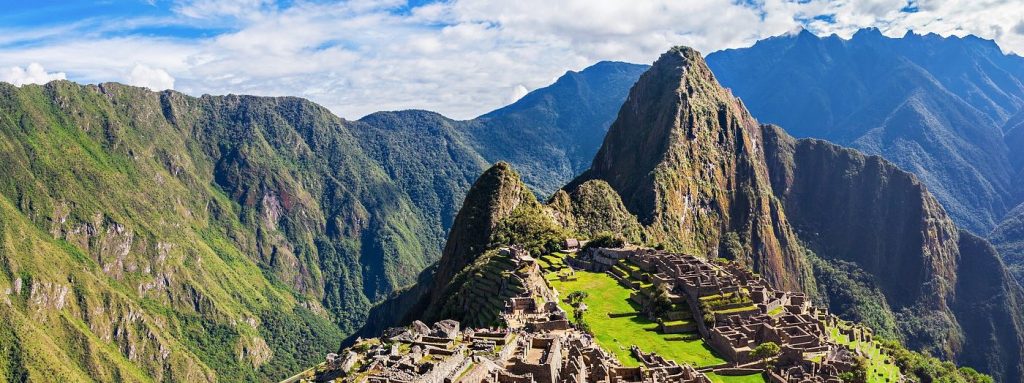
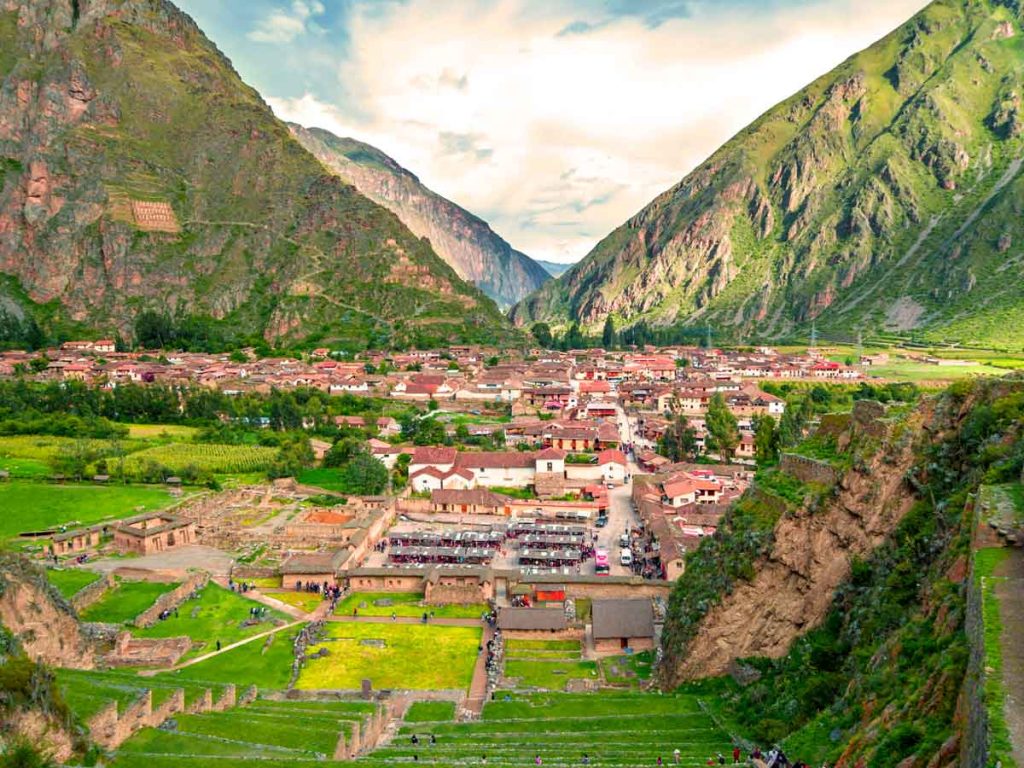
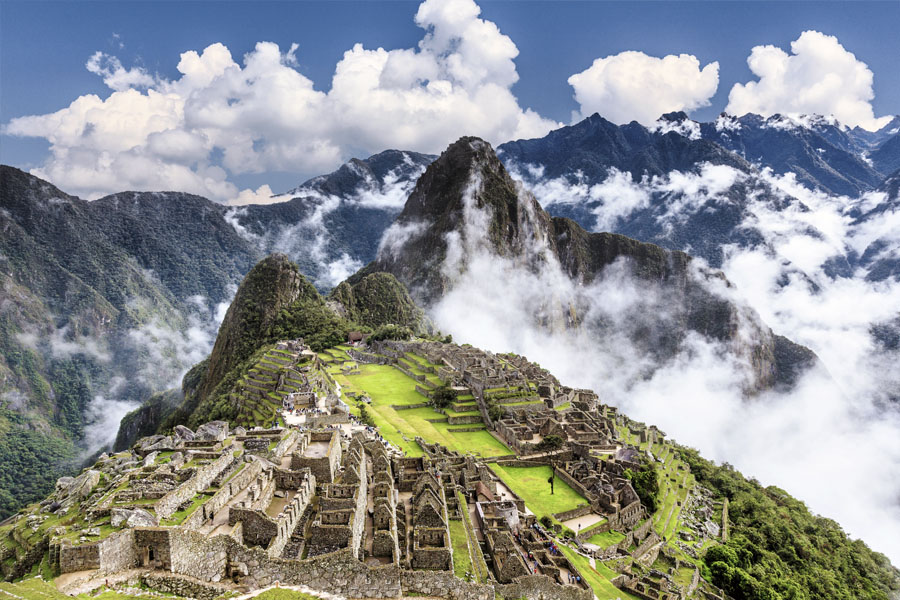
The surrounding area of Cusco is no less impressive. The famous sacred city of Machu Picchu, one of the most enigmatic Inca monuments on the continent, is located 112 km away. Key local attractions include the Intihuatana Gate of the Sun, an observatory, palaces carved into rock or constructed from giant boulders, temples, over two hundred other buildings, defensive walls, staircases, drains and pools, thousands of terraces carved into the rock for agricultural cultivation, the Palace of the Moon, and ancient tombs.