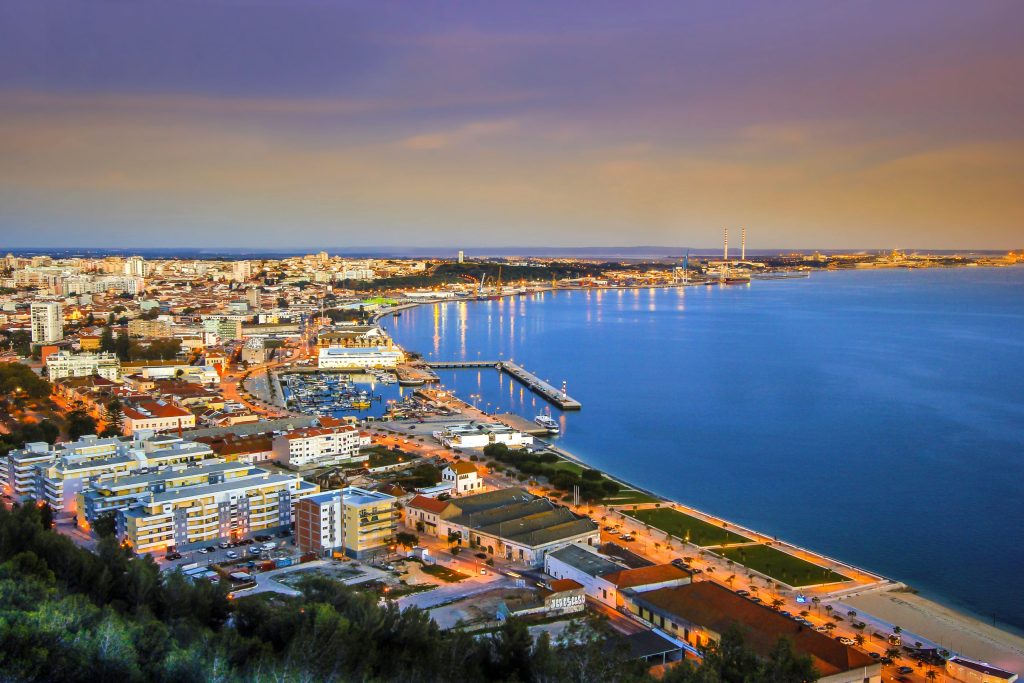
Setúbal is a compact city and one of Portugal’s key ports, which, despite its industrial importance, attracts hundreds of thousands of tourists annually.
Setúbal’s appeal lies in its picturesque mountain location and stunning natural surroundings, which are part of a protected area. Furthermore, the city boasts a rich cultural heritage and historical monuments, making it an interesting destination due to its long history and international port status.
Setúbal Attractions and Activities
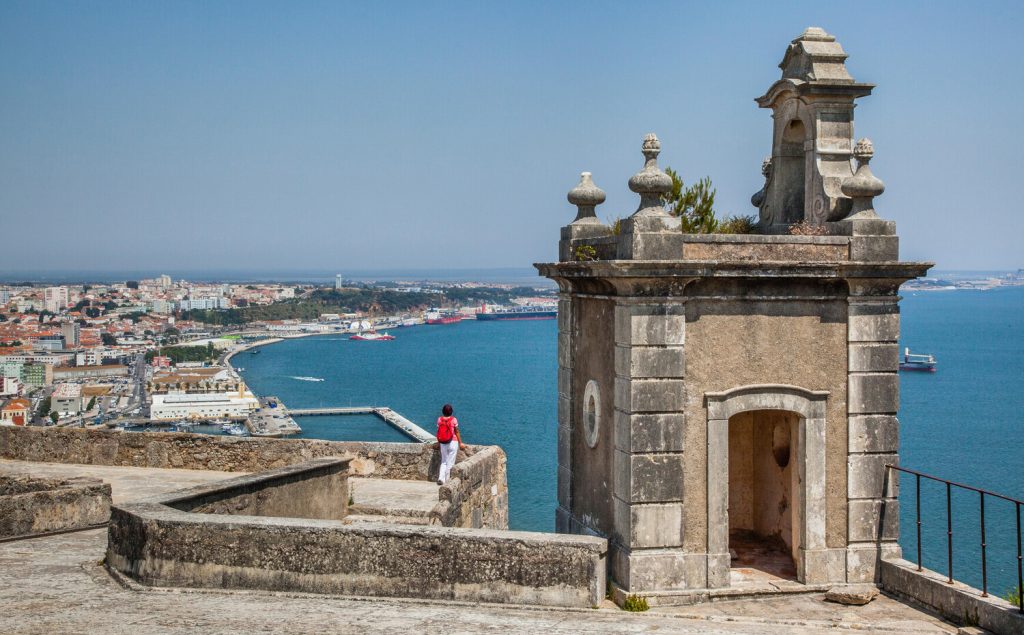
Setúbal’s main attraction is the ancient fortress of Estrada de São Felipe, built in the 16th century by order of King Philip II of Portugal to protect against pirate attacks. A striking architectural feature of the fortress is its five-pointed star shape. The entrance to the fortress is guarded not only by massive metal gates but also by a mysterious underground tunnel. The São Felipe Fortress has been preserved in excellent condition, and its grounds now house a luxury Pousada hotel, housed in ancient castles and historic buildings.
Also worth visiting are the ruins of Setúbriga, which remain one of Portugal’s most significant historical landmarks.
Another mysterious and captivating site is the Church of Nossa Senhora do Cabo. Its unique location on a sheer cliff, where, according to legend, the Virgin Mary rose from the ocean into the city, makes it particularly attractive. This church has been an important destination for Christians for centuries.
The Setúbal Cathedral, built in the 15th century under the direction of the renowned architect Diogo Bairac, is a Gothic masterpiece. The cathedral is the city’s oldest building, adorned with ornate pink limestone columns and a Cross of the Savior at the entrance. Next to the cathedral are the ruins of a monastery, now home to the Museum of Religion, which displays valuable religious objects and paintings on religious themes.
Also of interest is the Archaeological Museum of Setúbal, which houses exhibits from various eras reflecting the city’s history and everyday life.