Northern Cyprus is a kind of “flying Dutchman” on the world political map: its status as a state is recognized only by Turkey, while the rest of the world considers the territory part of the Republic of Cyprus.
The consequences of this “non-recognition” are felt everywhere: entry visas are not placed in the passport but on a separate insert, the local airport is not listed by IATA, and access to Northern Cyprus by air is only possible via Turkey. However, this does not detract from the region’s tourist attractions: the local beaches are of a high standard, historical sites are abundant, and hotels, although not known for their luxurious service, offer very attractive prices.
Northern Cyprus Attractions and Activities
Northern Cyprus is renowned for its many well-preserved medieval monuments and archaeological parks, reflecting the ancient history of mankind.
One of the most famous tourist attractions is the Castle of Agios Hilarion. The castle was built on the burial site of the Egyptian monk Hilarion, one of the founders of monasticism in Cyprus, who lived here for seven years in the 4th century CE. Built at an altitude of over 700 meters above sea level, the castle served as a military base during the Arab-Byzantine Wars in the Middle Ages, and later, under French rule, as a royal summer residence. Climbing to the top of the castle offers a breathtaking panorama of the surrounding area from a bird’s-eye view.
Bellapais Abbey is an outstanding example of Gothic architecture, founded in 1200 by the first monarch of Cyprus. This majestic structure offers breathtaking views from its gallery windows, typical of the area.
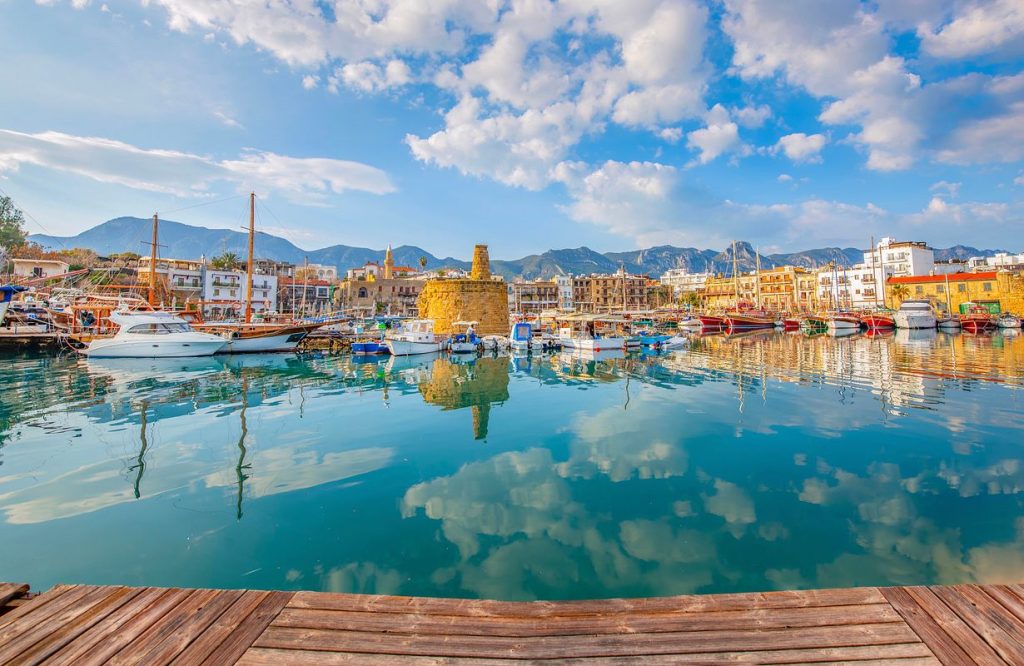
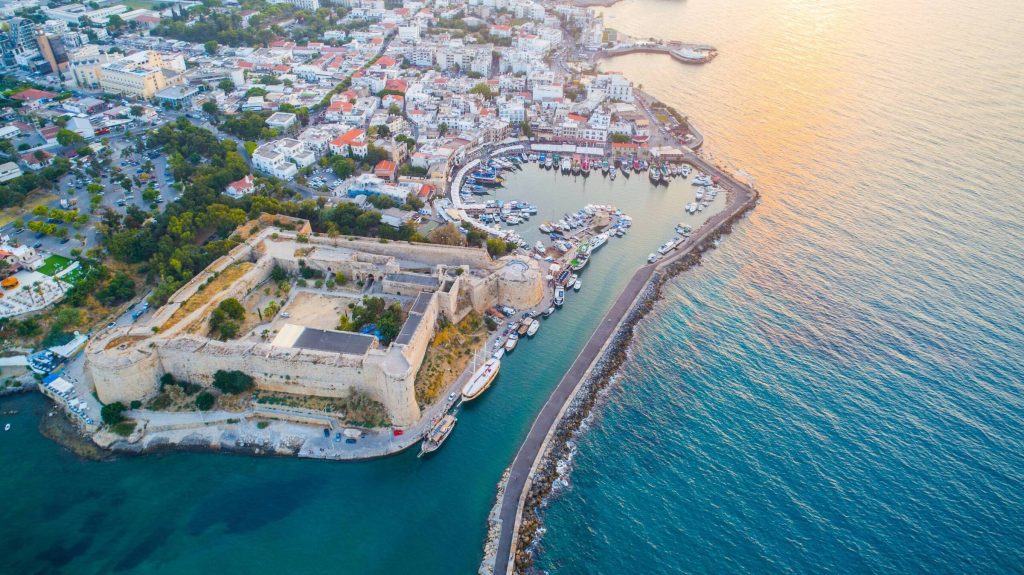
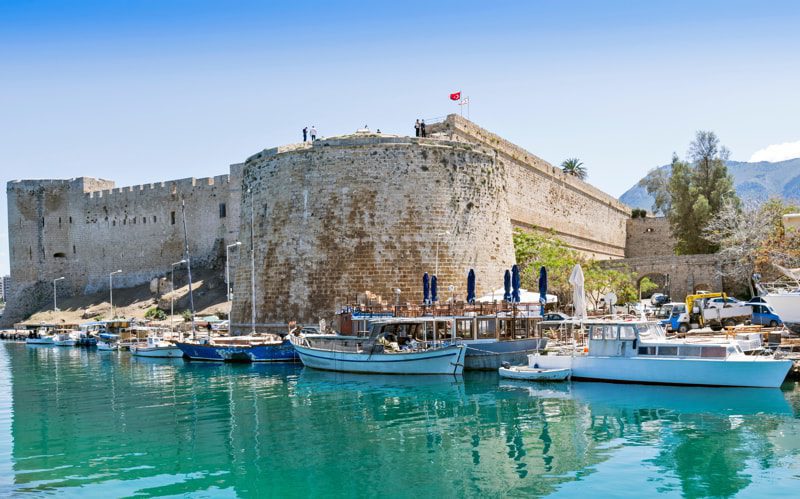
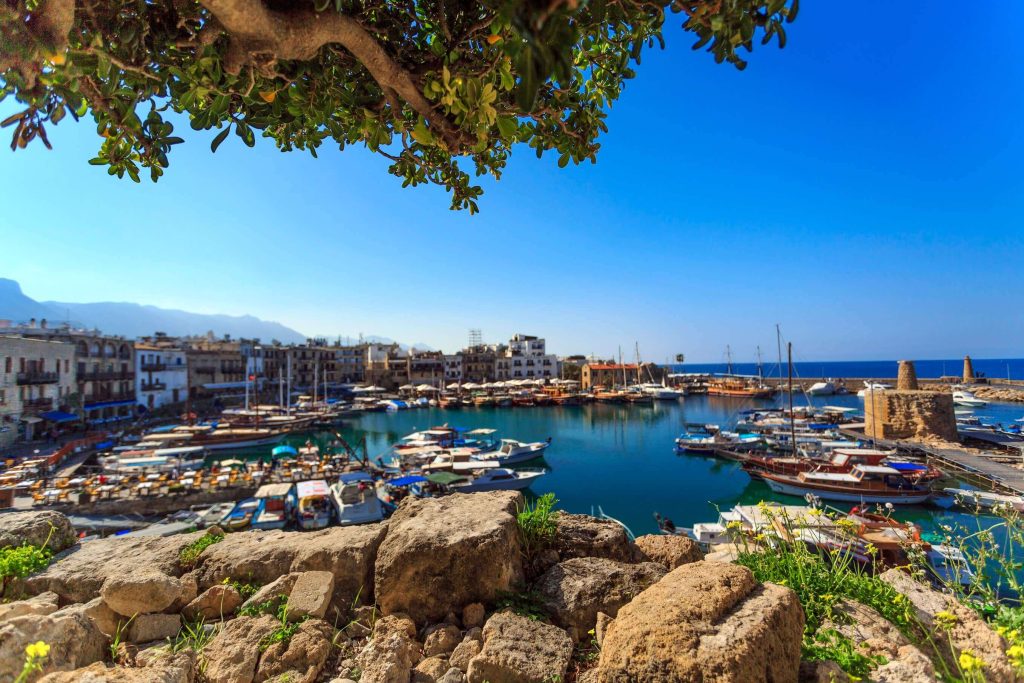
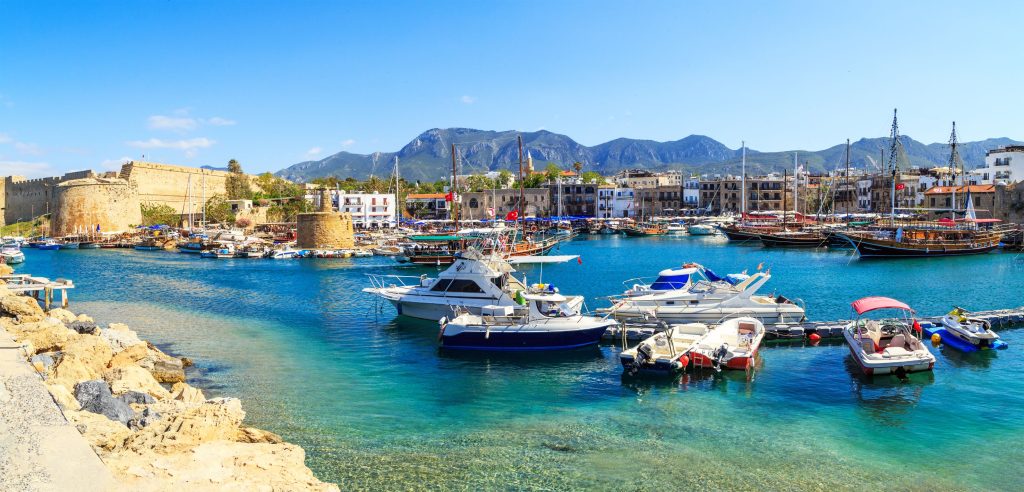
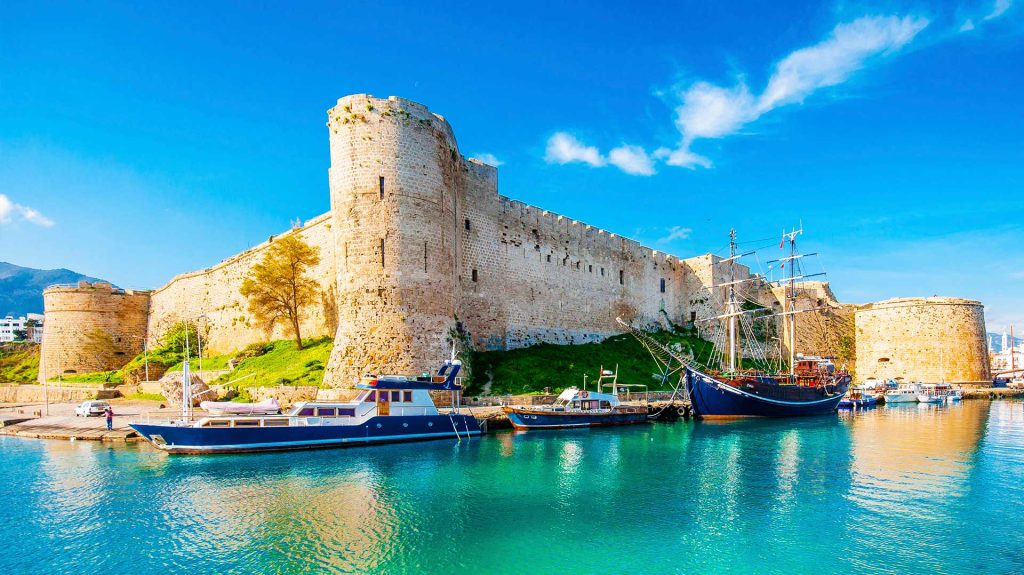
Kyrenia Harbor and Kyrenia Castle are among the most picturesque corners of Northern Cyprus. The harbor’s history begins as an ancient Phoenician port, and the fortress was built by the Byzantines to protect against Arab raids. In the 12th century, the fortress was captured by Richard the Lionheart, and it long served as a royal retreat and a refuge during turbulent times.
In the far east of the island, on the Karpas Peninsula, famous for its golden beaches, lies one of the main Christian pilgrimage sites—the Monastery of the Apostle Andrew. This monastery was built on the site of a holy spring, which, according to legend, was discovered by the Apostle Andrew the First-Called in the 1st century AD. Water from this spring still flows today.