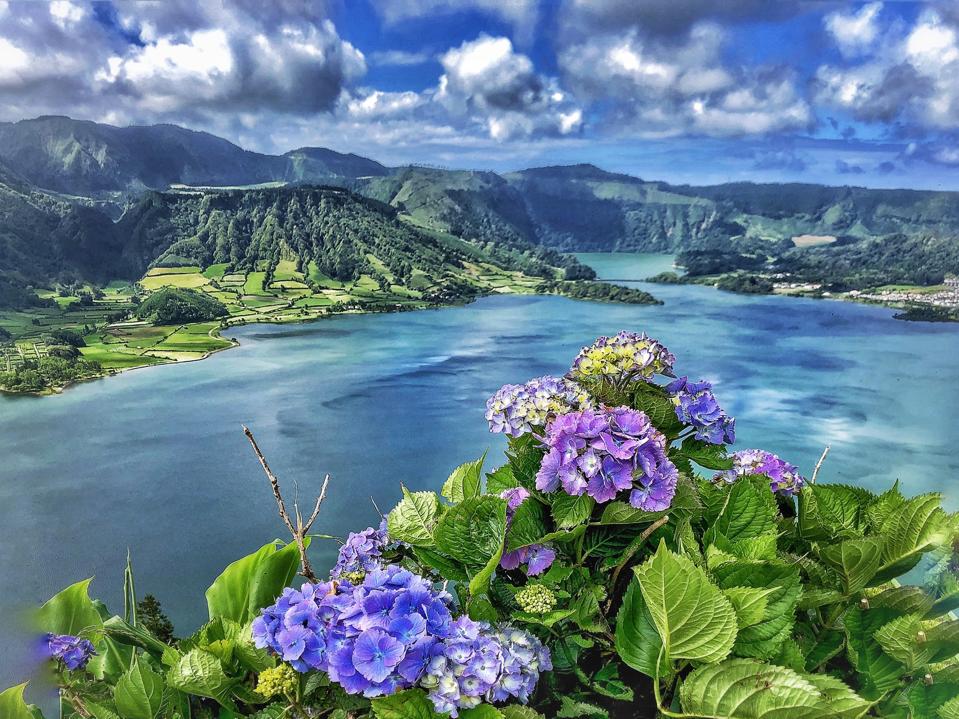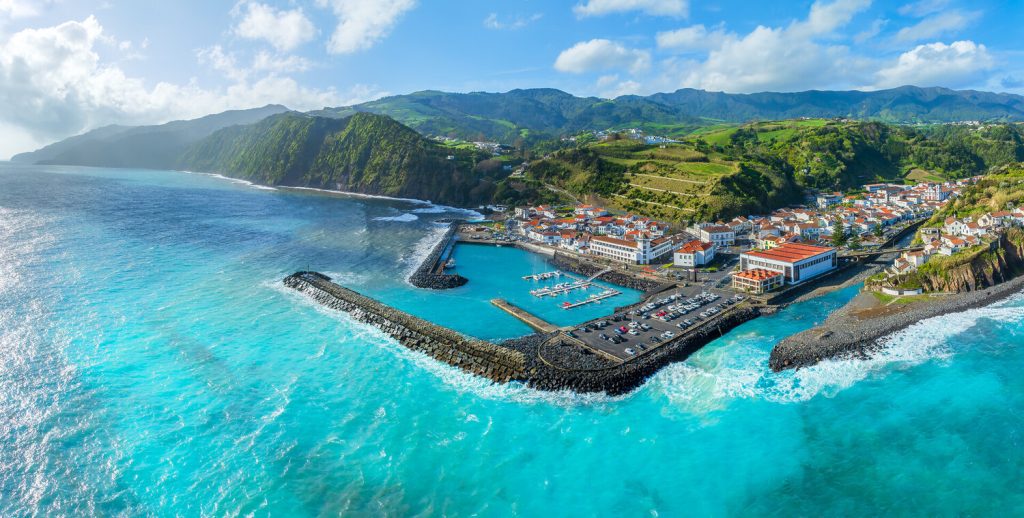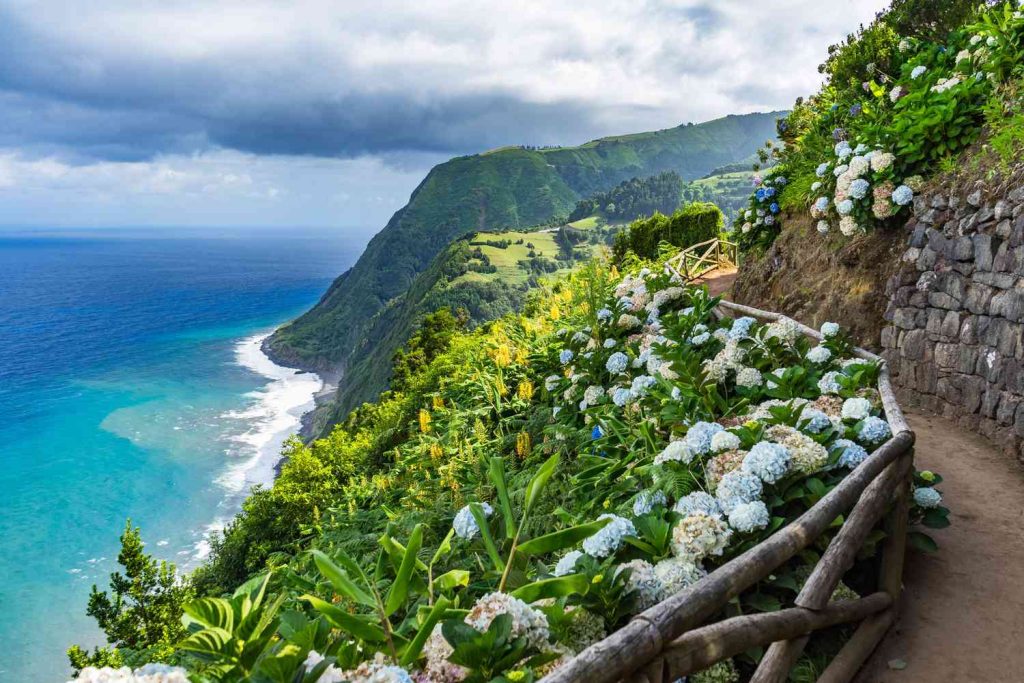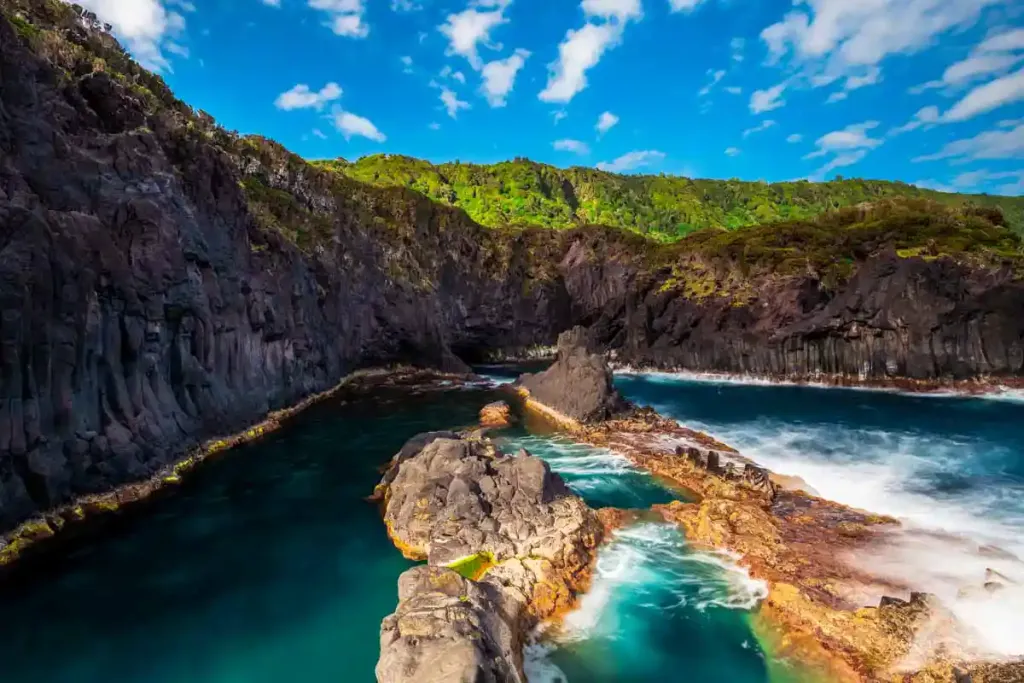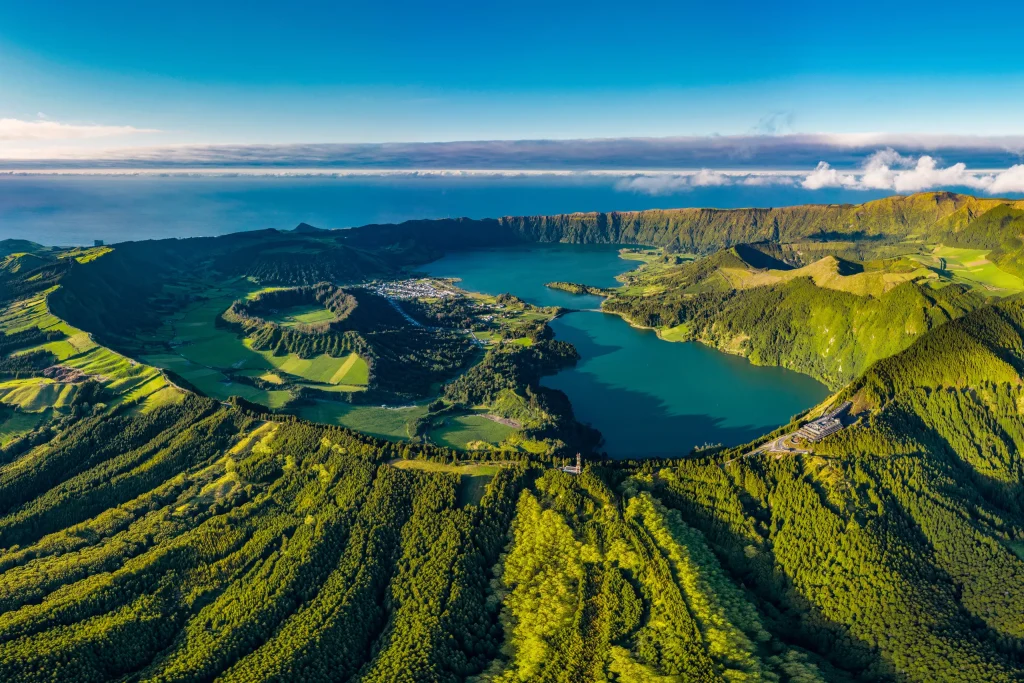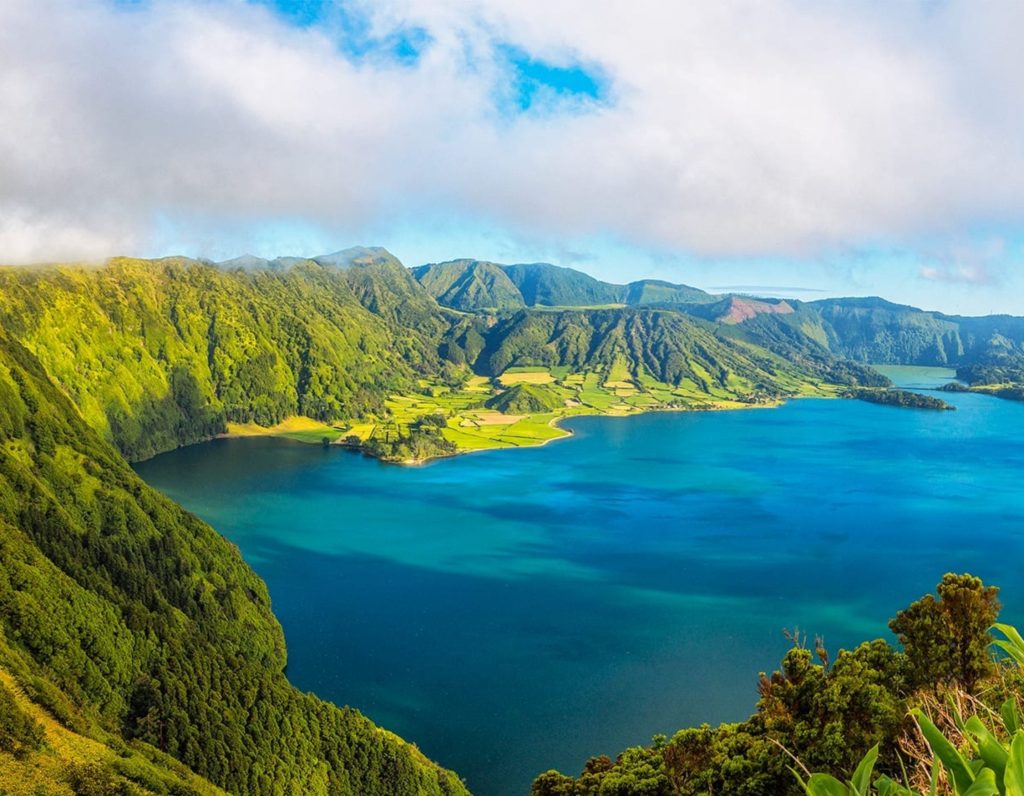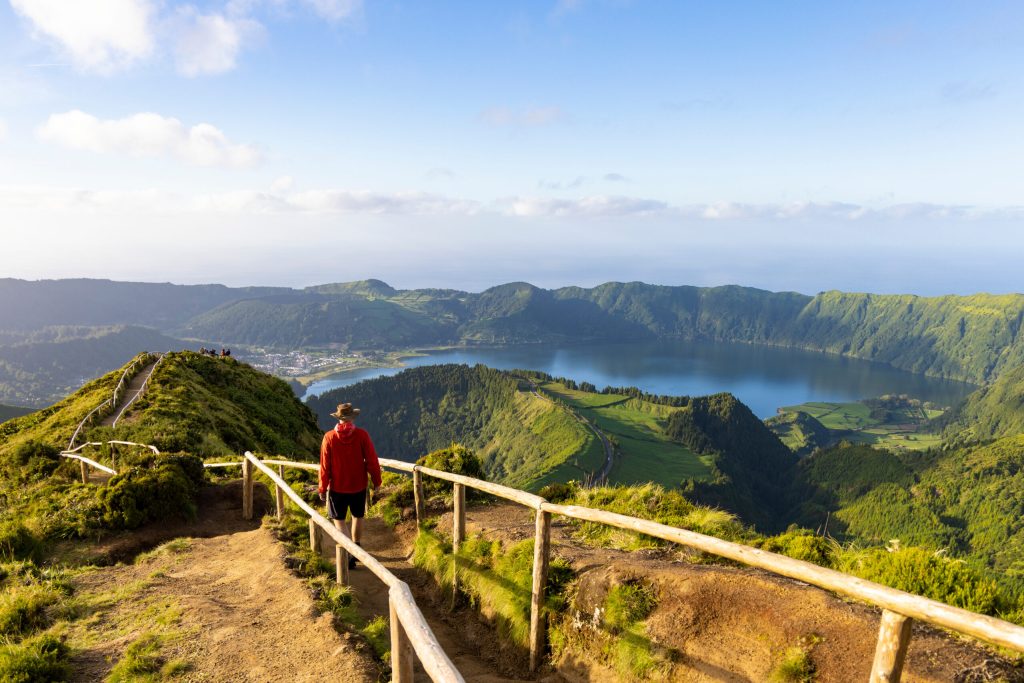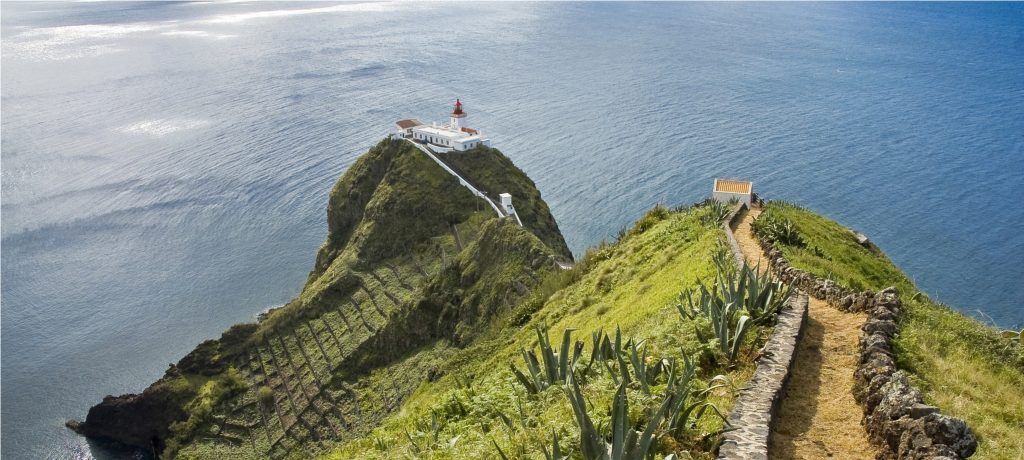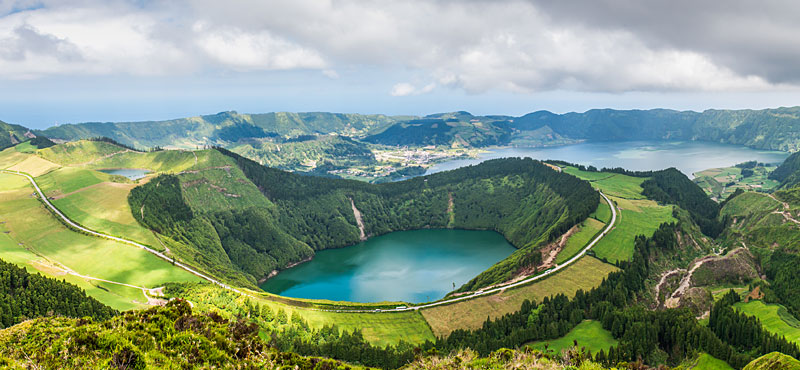
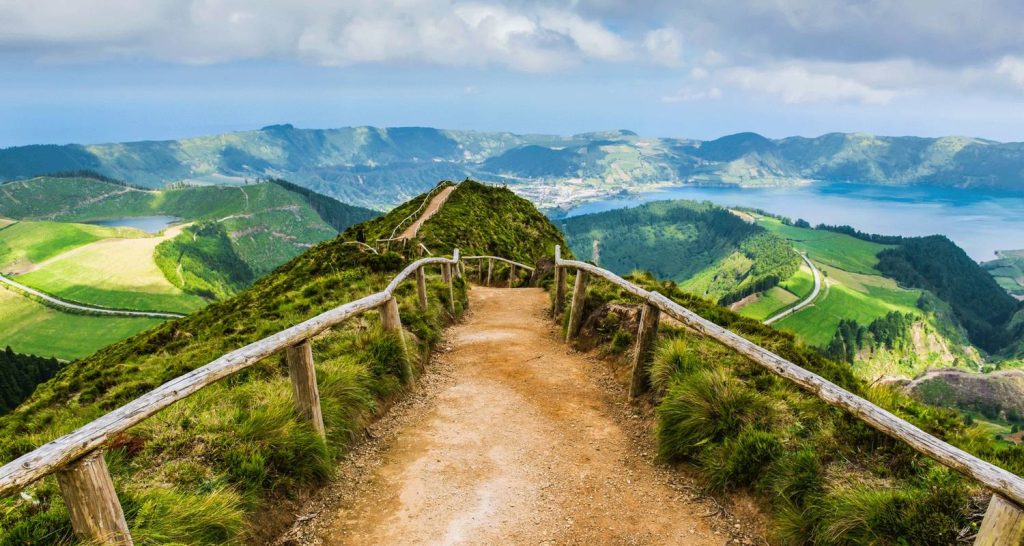
The Azores archipelago, consisting of nine islands, is located in the heart of the Atlantic Ocean, 1,460 km from the coast of Europe.
The Azores are divided into three groups: the eastern group (the islands of São Miguel, Santa Maria, and the islets known as Formigas), the central group (the islands of Faial, Pico, São Jorge, Terceira, and Graciosa), and the northwestern group (the islands of Flores and Corvo).
The Azores lack a developed tourist infrastructure, so it is primarily visited by experienced travelers seeking peace and solitude after visiting more popular destinations.
The Azores offer a variety of beach holidays, eco-tourism, and active recreation such as diving, snorkeling, and fishing.
Attractions and Activities
The Azores attract divers and ocean enthusiasts with their diverse marine life. Here you can observe sperm whales in their natural habitat, as well as 23 species of whales, several species of dolphins, rare jellyfish, and soft corals underwater.
The islands of Santa Maria and São Miguel, being the warmest, are ideal for hiking, diving, and healing in the waters of geysers.
The large island of Terceira, declared a UNESCO World Heritage Site, offers sulfur caves with geysers and a volcano with the largest crater in the Azores.
Pico Island is famous for its 2,351-meter-high volcano, a wine museum, and 17th- and 18th-century churches. Excellent diving spots can be found near the village of Punta Topo.
Flores and Corvo are considered the most unpredictable islands in the archipelago due to frequent weather changes. Car rentals are even prohibited on Corvo for safety reasons.