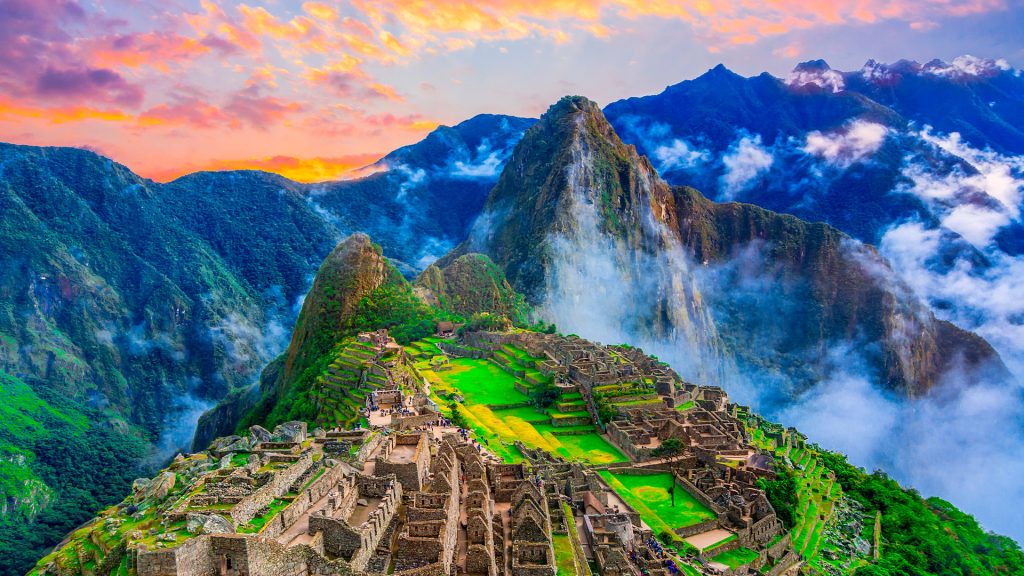
Machu Picchu is the most famous and mysterious Inca monument, a UNESCO World Heritage Site. It was discovered just 100 years ago by pure chance: a local peasant told archaeologists about ancient highland ruins. It is the only Inca monument left untouched by the Spanish. The conquerors either never reached it, or the peasants were less forthcoming.
Modern travelers are equally challenged to reach this city, nestled among high, cloud-shrouded mountain peaks and deep, terrifying chasms. This last refuge of a great civilization remains one of history’s greatest mysteries: after the Inca Empire had already collapsed, Machu Picchu continued to exist for several more decades. Over time, it fell into decline and was abandoned, as it was impossible to survive for long in complete isolation from the outside world.
Entertainment and Attractions
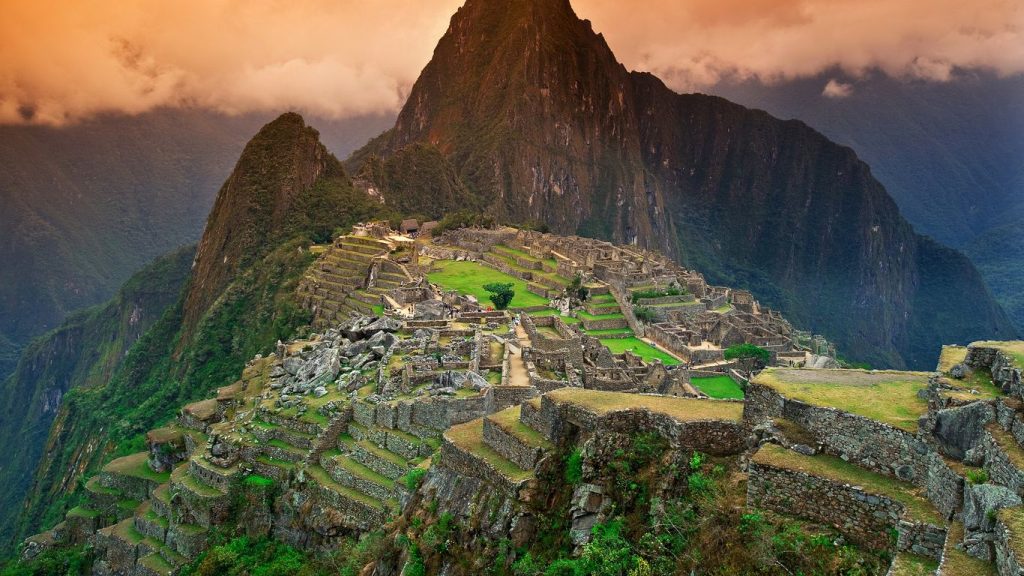
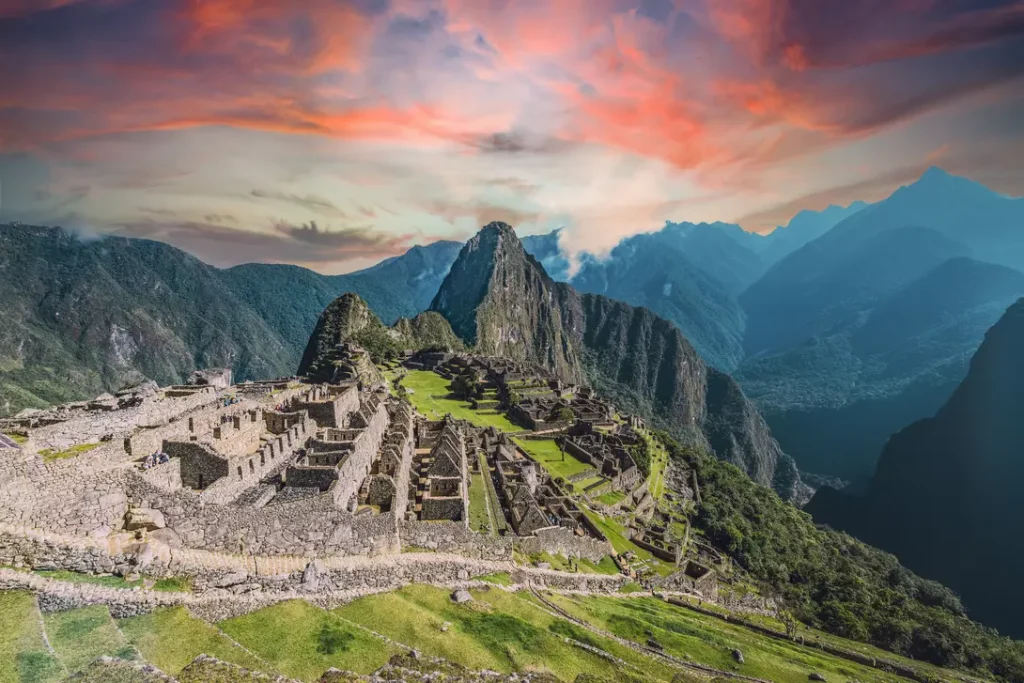
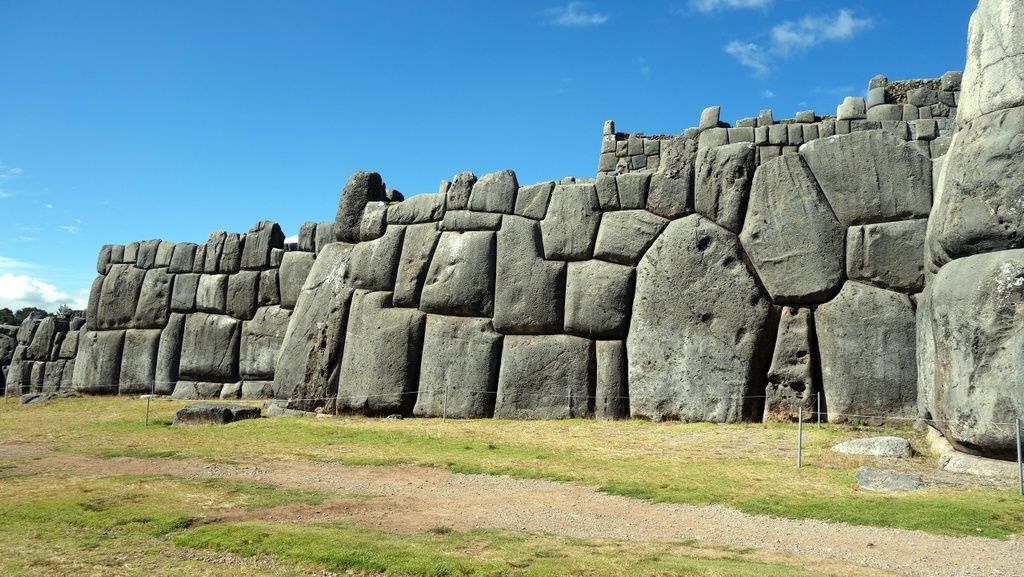
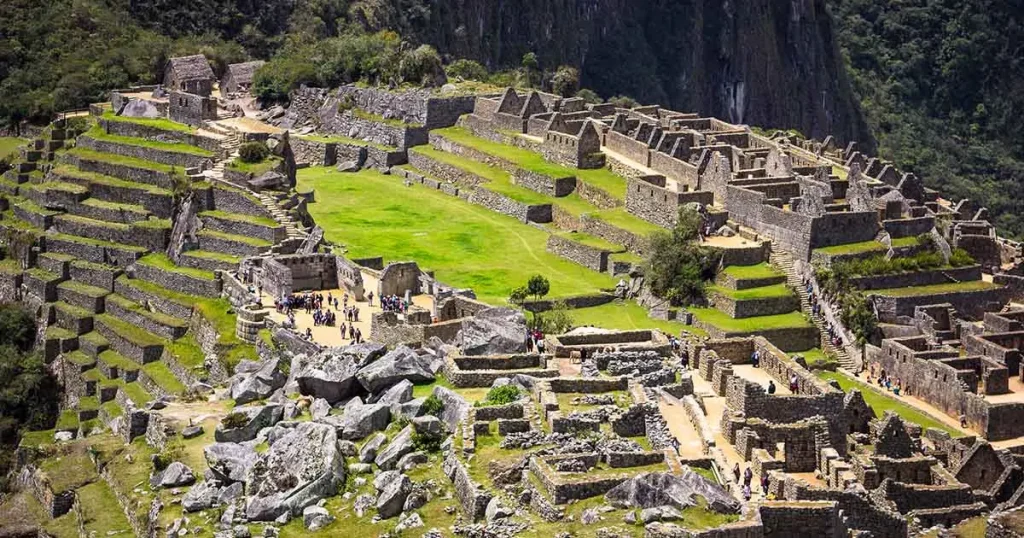
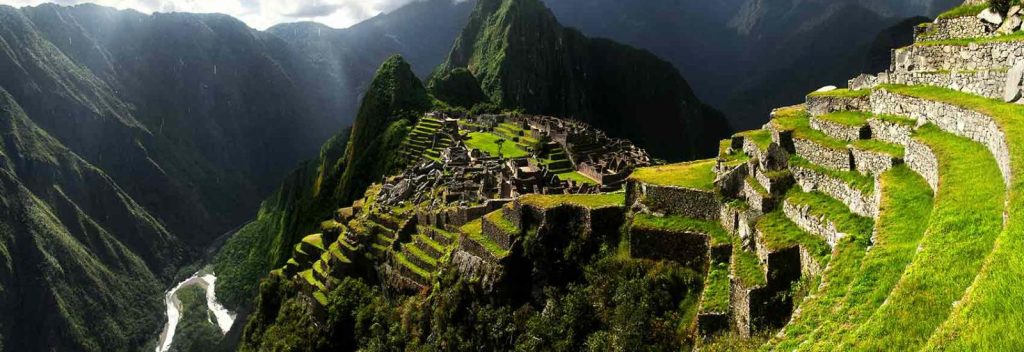
A thorough exploration of Machu Picchu will require several hours. The city contains approximately 200 stone structures, constructed from blocks using a unique polygonal masonry technique. There are houses, temples, plazas, walls, staircases, wells, and burial sites. The buildings appear to be “strung” onto the slopes of a terraced plateau that drops off into the abyss.
At the city’s highest point, reminiscent of the top of a pyramid, stands the Intihuatana Stone. It is believed that it served as a clock and calendar, and was also used for religious rituals. Must-see sites include the Temple of the Sun, the Temple of the Three Windows, and the Great Temple—the main religious buildings for spiritual ceremonies.
Upon entering Machu Picchu through the Intipunku Gate of the Sun, you immediately find yourself on the city’s main street. At sunset, the sun’s rays illuminate the gray boulders, creating a stunning play of color.
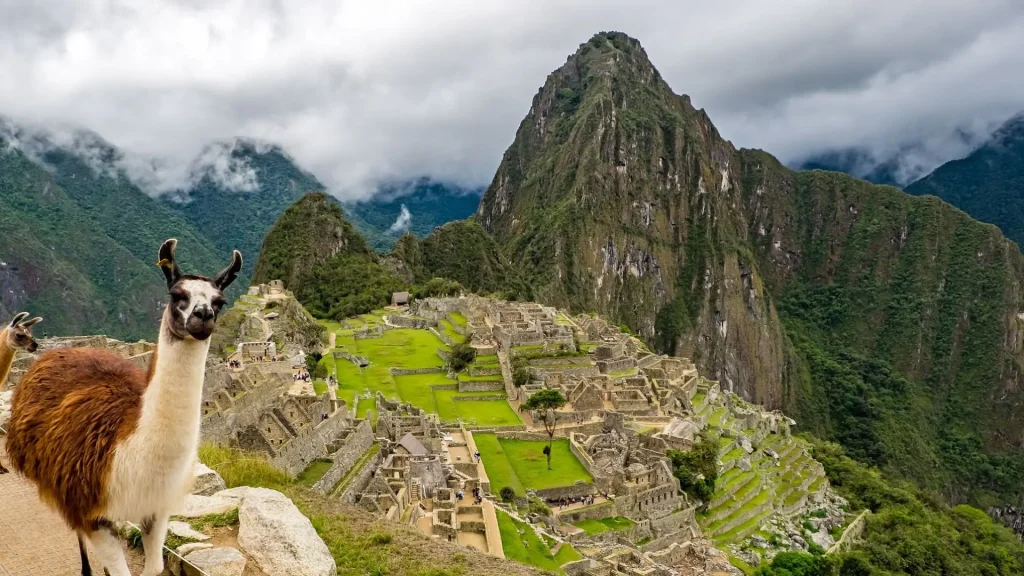
While strolling along the stone streets, you can explore the unique water supply system, consisting of reservoirs, wells, and drains. The Incas were excellent engineers and planned it down to the last detail. Every inch of land was used efficiently: maize and potatoes were grown on fortified terraces, while llamas and alpacas grazed nearby.
After exploring the city, many tourists climb the trail to the top of Huayna Picchu to enjoy the panoramic views and take spectacular photographs. There are also stone ruins there, apparently formerly a watchtower.