Uppsala is one of the oldest cities in Sweden and the fourth-largest by population. Once a significant religious center of the country, today it is a picturesque university town with a unique atmosphere steeped in history and a touch of provincial charm.
Entertainment and Attractions in Uppsala
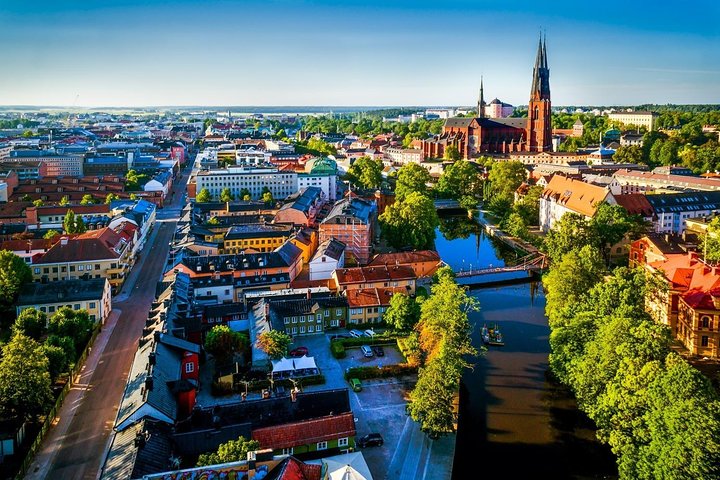
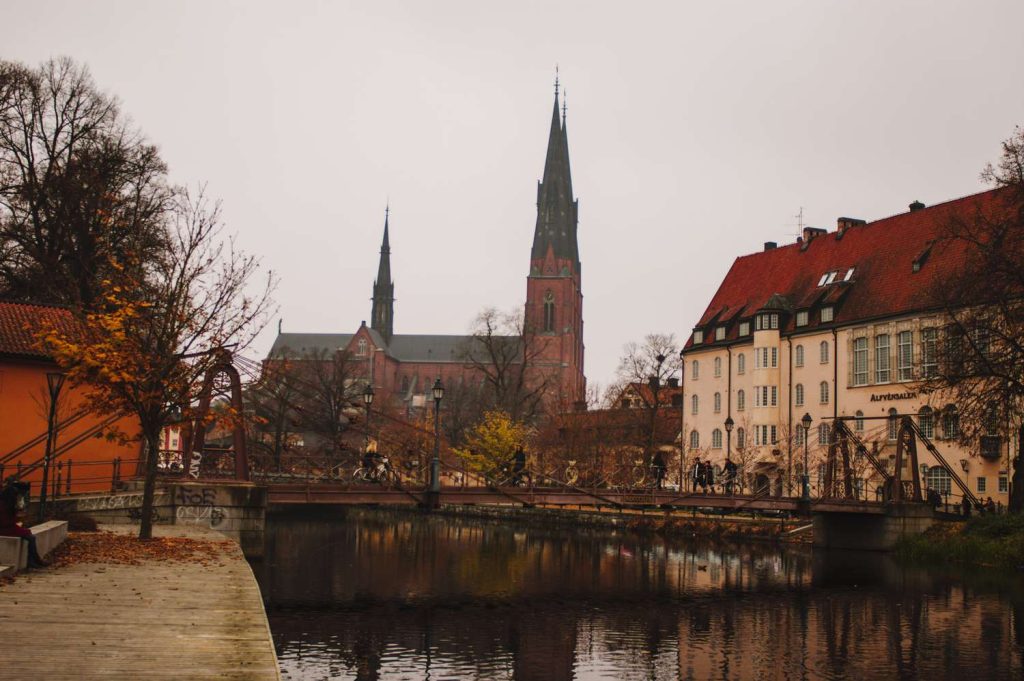
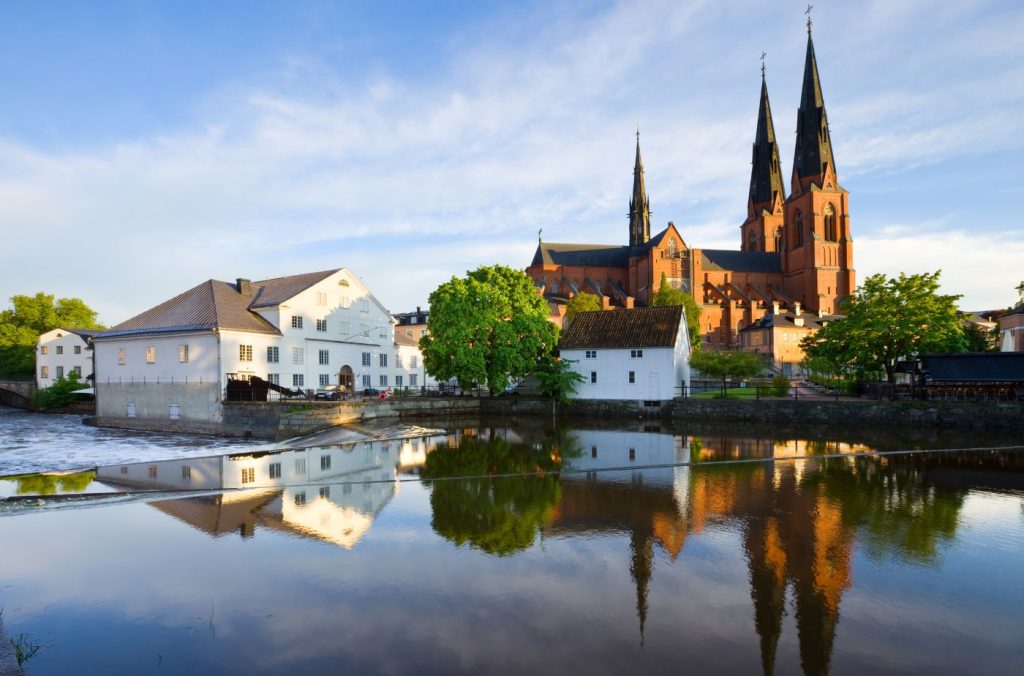
The Fyris River divides Uppsala into two parts: the historic west bank and the residential east bank.
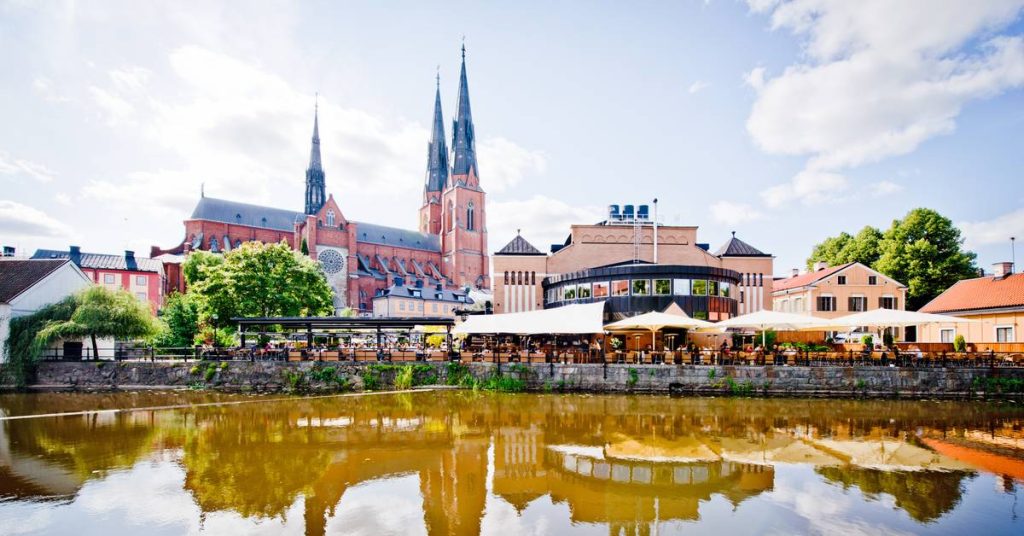
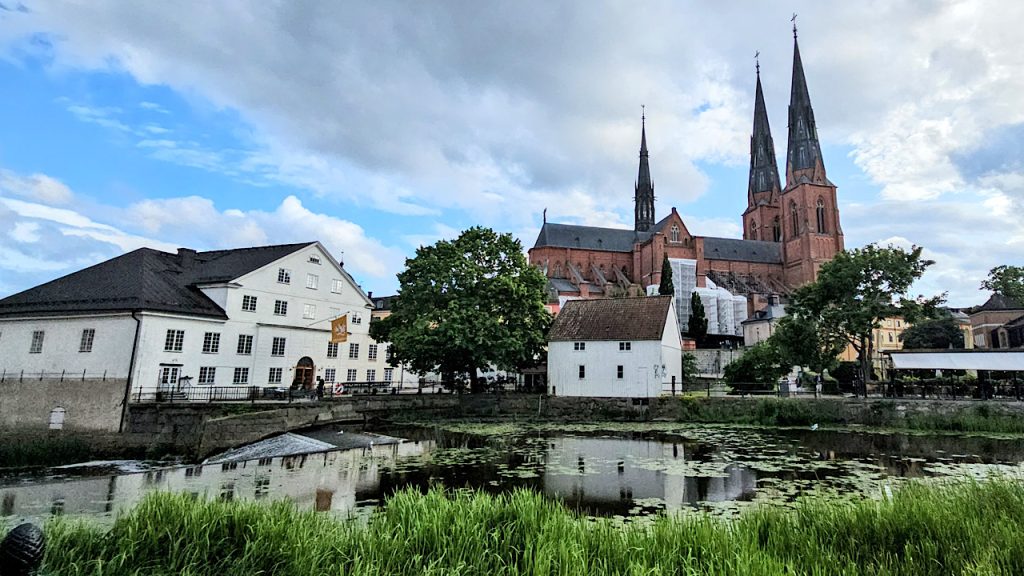
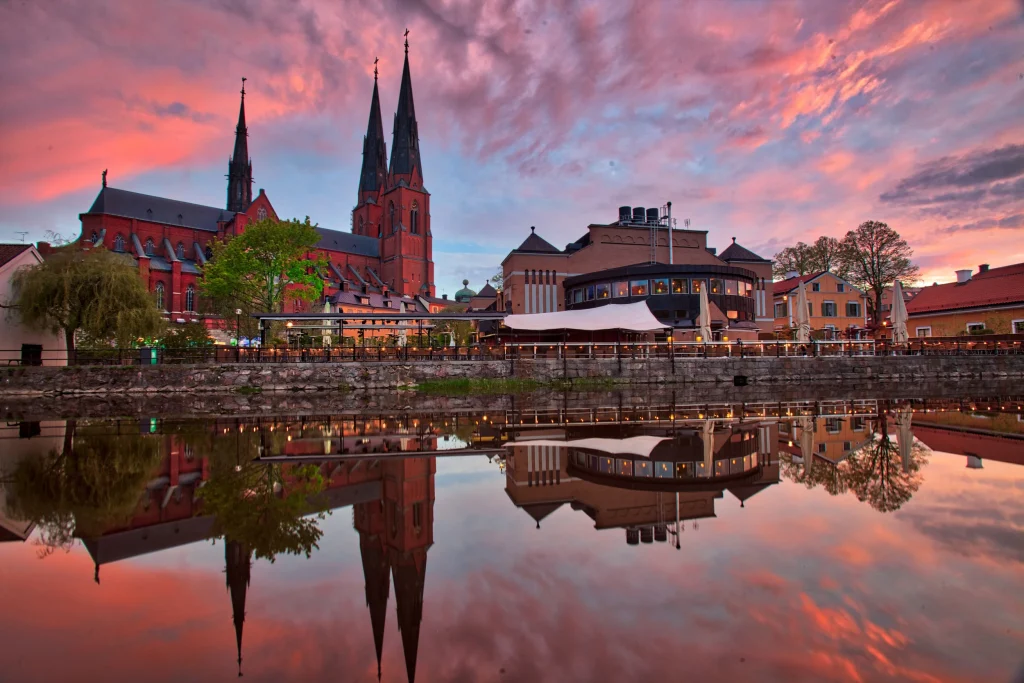
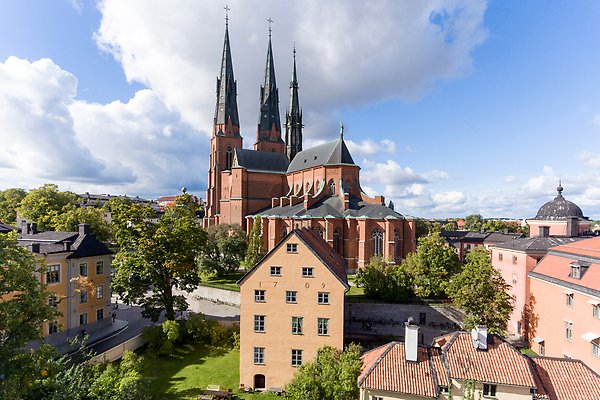
The main attractions are concentrated in the western part of the city. The main symbol of the historic center is Uppsala Cathedral, considered the largest in Scandinavia.
Directly opposite the cathedral is Gustavianum, a building completed in 1625. Until the late 19th century, it served as the main residence of the university, and now houses a museum. Gustavianum houses extensive collections of artifacts from Nordic and Egyptian cultures, exhibitions on the history of Uppsala University, and the renowned Coin Cabinet—one of the largest coin collections in Sweden. Of particular interest is the 17th-century anatomical theater, where public dissections were once performed.
The new building of Uppsala University, built between 1879 and 1886 in the Italian Renaissance style, is located directly across from Gustavianum. Nearby is the university library, built between 1820 and 1841. It is the largest in Sweden, housing over 5 million volumes and approximately 60,000 manuscripts.
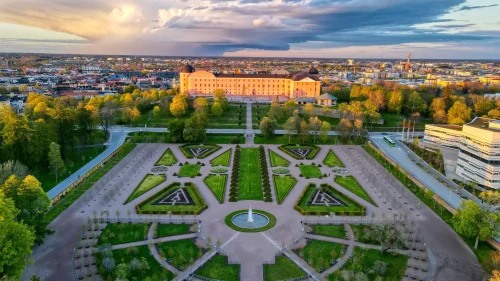
In the southwest of the city, on a 35-meter-high hill, stands Uppsala Castle. Its construction began in 1549 by order of King Gustav I, founder of the Vasa dynasty. Today, the castle houses the Uppsala County Administration, the City Art Museum, the Peace House, and the Vasaborgen Wax Museum.
Five kilometers north of the city lies Old Uppsala, a site where historical monuments from the pre-Christian era have been preserved. Here you can see three enormous burial mounds dating from the 5th and 6th centuries, a pagan temple built in 1164 and rebuilt after a fire in 1240, and an open-air museum.