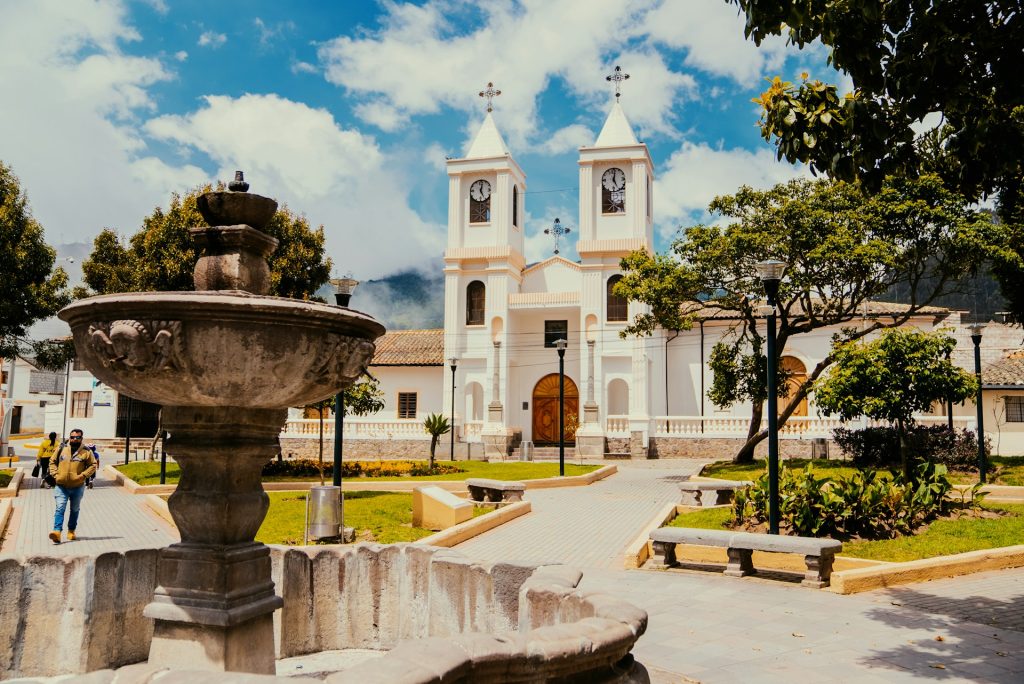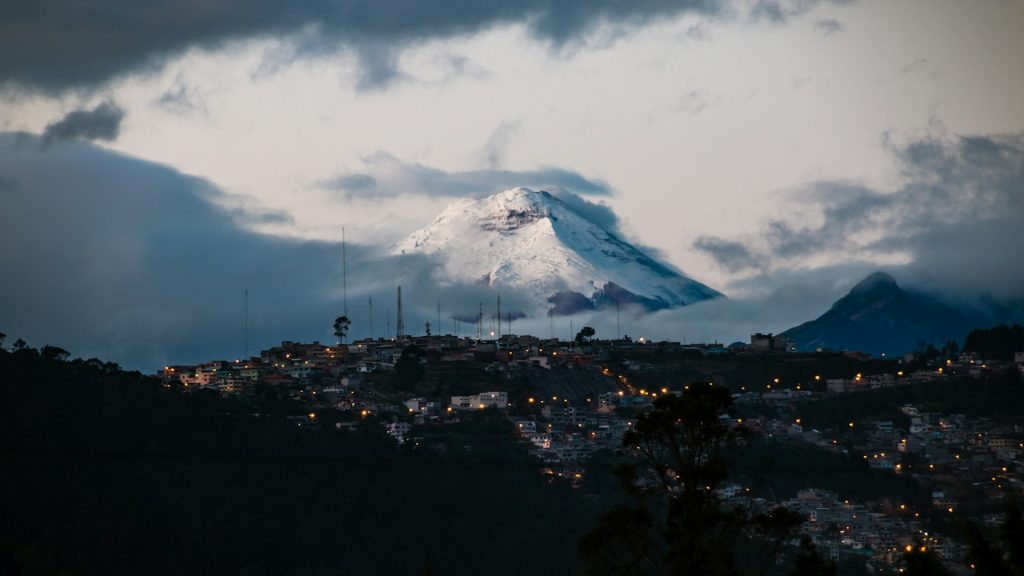
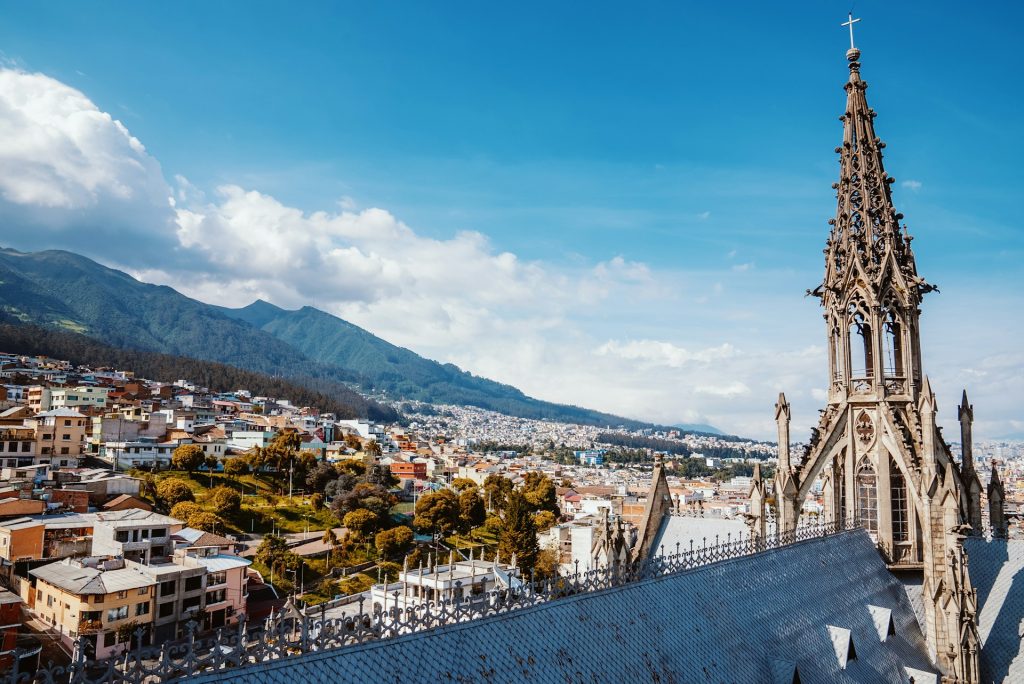
Perched high in the Andes mountains and dramatically flanked by snow-capped volcanoes, Quito is one of the most visually spectacular and historically rich capitals in the world. As the first-ever city to be designated a UNESCO World Heritage site (alongside the Galápagos Islands), Quito boasts the largest, least-altered, and best-preserved historic center in the Americas.
But Quito is more than just a living museum. It is a city of dizzying heights where old-world Spanish colonial architecture blends seamlessly with Indigenous Kichwa traditions, a burgeoning specialty coffee culture, and unparalleled access to the majestic Andean wilderness.
Whether you are looking to stand in two hemispheres at once, ride a cable car into the clouds, or marvel at churches lined with literal tons of gold leaf, Quito delivers an unforgettable high-altitude adventure.
In this complete travel guide, you’ll discover everything you need to know before visiting Quito.
Where Is Quito?
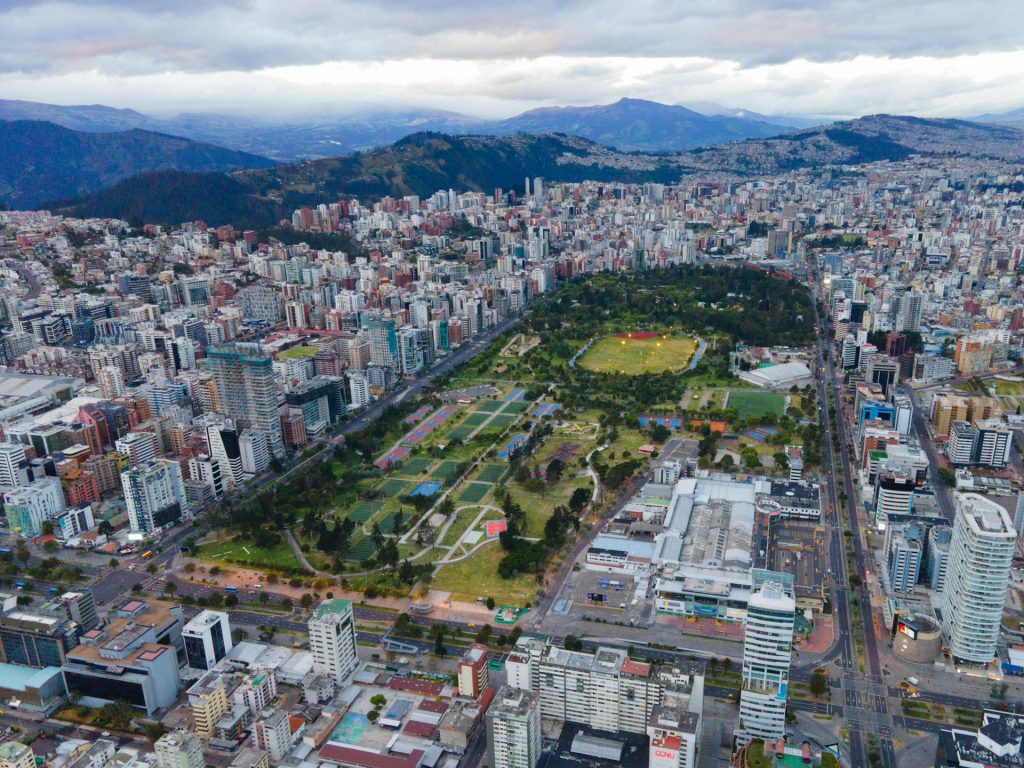
Quito is the capital city of Ecuador, nestled in a narrow river valley on the eastern slopes of the active Pichincha volcano in the Andes Mountains.
The city serves as:
The political, cultural, and historic heart of Ecuador
A high-altitude metropolis sitting at 9,350 feet (2,850 meters) above sea level
The closest capital city to the equator (located just 16 miles / 26 km north of the city center)
Because of its unique geographic position directly on the equator, Quito experiences a perpetual spring-like climate, despite its dramatic mountain setting.
Why Visit Quito?
1. Breathtaking High-Altitude Geography
Surrounded by towering volcanic peaks, Quito offers some of the most dramatic mountain panoramas of any major city on Earth.
2. A Spanish Colonial Masterpiece
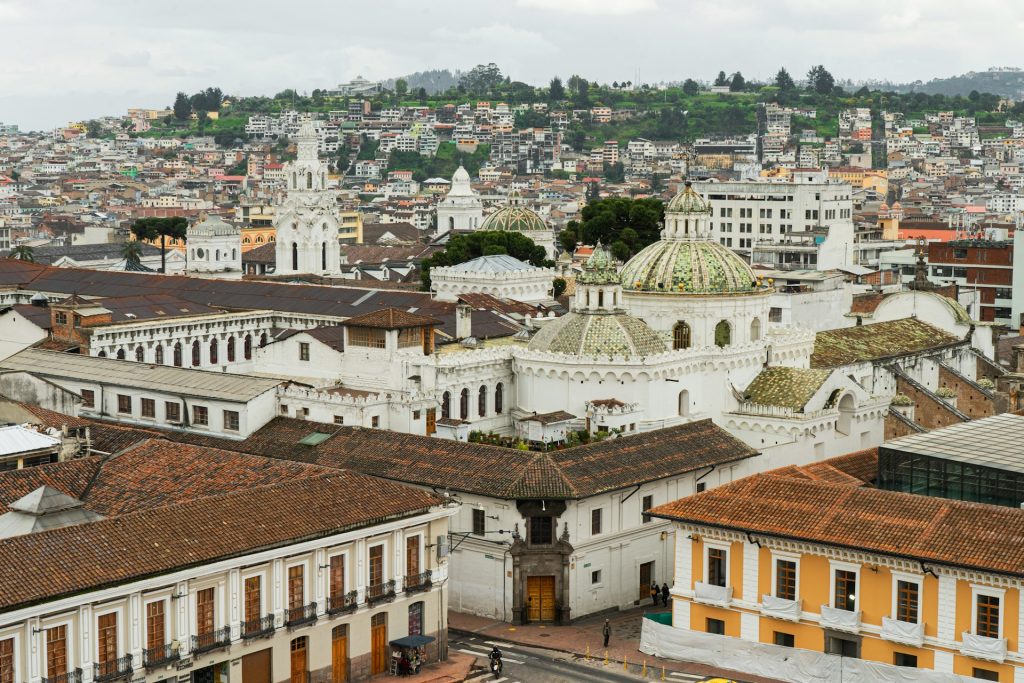
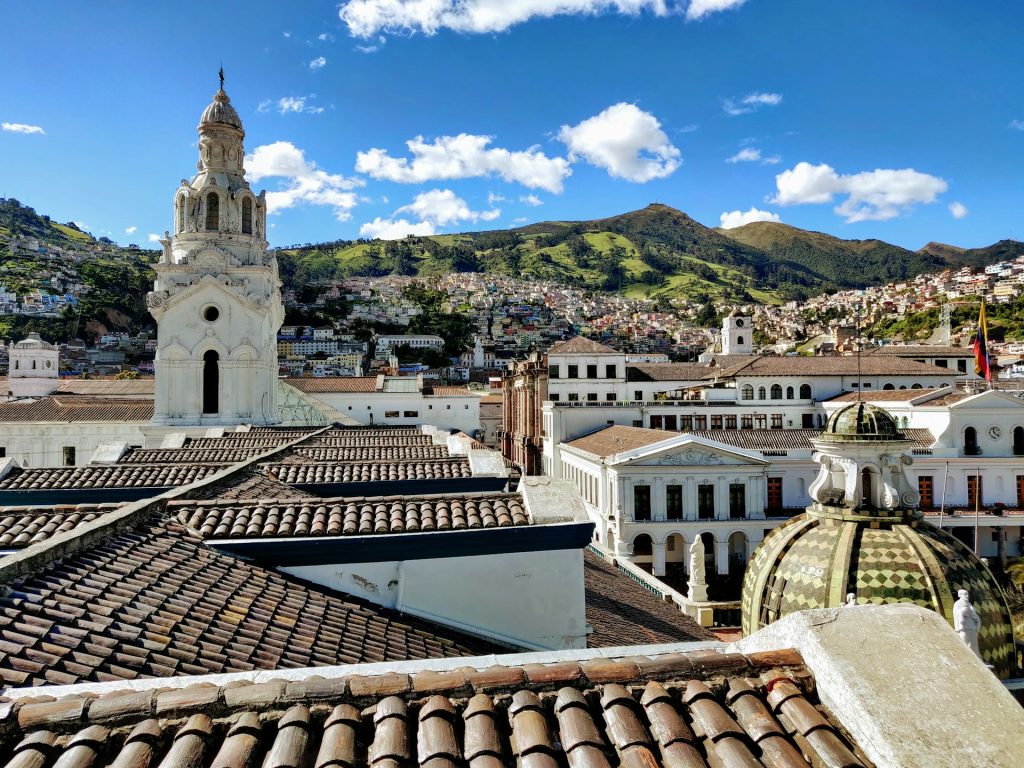
The city’s Old Town is an architectural treasure trove filled with 16th-century grand plazas, cobblestone streets, and ornate monasteries.
3. Stand on the Equator
Quito offers the rare, bucket-list opportunity to place one foot in the Northern Hemisphere and the other in the Southern Hemisphere.
4. Gateway to Ecuador’s Wonders
Quito is the perfect launching pad for trips to the Amazon rainforest, the famous Otavalo market, Cotopaxi National Park, and the Galápagos Islands.
Best Things to Do in Quito
Explore the Historic Center (Centro Histórico)
The crown jewel of Quito is its Historic Center, a sprawling maze of colonial architecture, bustling local markets, and majestic monuments.
Surrounding landmarks include:
Plaza de la Independencia (Plaza Grande): The civic heart of the city, flanked by the Presidential Palace and the Cathedral of Quito.
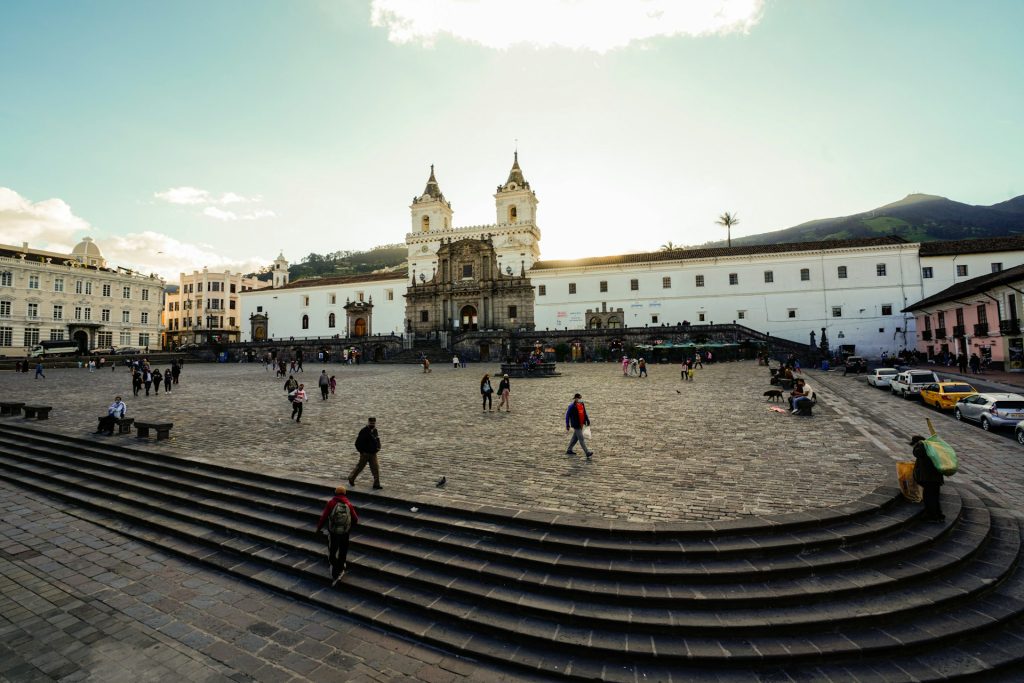
Plaza San Francisco: A massive, cobblestone square dominated by the imposing 16th-century San Francisco Church and Convent.
Calle La Ronda: A beautifully restored, narrow historic alleyway filled with artisan shops, traditional eateries, and live music at night.
Marvel at La Compañía de Jesús
Often called the “Gold Church,” the Iglesia de la Compañía de Jesús is an absolute masterpiece of Spanish Baroque architecture.
Highlights include:
An interior completely covered in roughly seven tons of gold leaf
Intricate, breathtaking carvings stretching across every pillar and ceiling arch
A stunning blend of European Baroque styles with indigenous artistic motifs (Mudejar and Quiteño school art)
Ride the TelefériQo into the Clouds
For the absolute best view of the city, take a ride on the TelefériQo, one of the highest cable cars in the world.
Visitors can enjoy:
A scenic ascent up the flanks of the Pichincha Volcano to an altitude of 13,000 feet (3,945 meters)
Mind-blowing, panoramic views of Quito’s long, narrow valley and the surrounding “Avenue of the Volcanoes”
The famous “swing in the clouds” for an epic, gravity-defying photo opportunity
Stand at the Center of the World (Mitad del Mundo)
Located just a short drive north of the city center, you can visit the equator line at Ciudad Mitad del Mundo.
Highlights include:
The iconic 30-meter-tall monument marking the equatorial line
The Intiñan Solar Museum: A quirky, interactive museum located on the actual GPS-calculated equator, where you can try balancing an egg on a nail and watch water drain in different directions.
Climb the Towers of the Basílica del Voto Nacional
The Basílica del Voto Nacional is the largest Neo-Gothic basilica in the Americas, and climbing its steep towers is a must-do activity.
Visitors can admire:
Gargoyles uniquely carved in the shapes of native Ecuadorian animals, such as iguanas, tortoises, armadillos, and condors.
Steep, thrilling iron ladders leading up to the highest lookouts.
Stained-glass windows that cast vibrant colors across the massive stone nave.
Experience the Local Culture
No visit to Quito is complete without immersing yourself in its rich cultural tapestry.
Popular activities include:
Visiting the Guayasamín Museum (Capilla del Hombre): The former home and masterpiece gallery of Oswaldo Guayasamín, Ecuador’s most famous indigenous artist, whose powerful work tackles human suffering and resilience.
Shopping at local markets: Wander through Mercado Central or Mercado Santa Clara to see towers of exotic fruits, indigenous textiles, and locals enjoying traditional daily lunches.
Taking a Chocolate Tasting Tour: Ecuador produces some of the world’s finest Arriba cacao. Sample award-winning, single-origin dark chocolates right in the heart of the city.
Food You Must Try
Quito’s high-altitude culinary scene is hearty, comforting, and deeply rooted in Andean agricultural traditions.
Popular dishes include:
Locro de Papa
A rich, velvety potato soup flavored with achiote, topped with chunks of fresh local cheese, and served with slices of perfectly ripe avocado. It is the ultimate comfort food for a chilly Andean evening.
Hornado
Succulent, slow-roasted whole pig with crispy skin, typically served with llapingachos (fried potato-and-cheese cakes), avocado, and hominy corn (mote).
Empanadas de Viento
Massive, airy, deep-fried pastries stuffed with melted cheese and dusted with a generous sprinkling of white sugar.
Canelazo
The quintessential Quiteño warm drink: a spiced hot beverage made from cinnamon, cloves, sugarcane alcohol (pájaro azul or aguardiente), and local fruit juice like lulo or passionfruit.
Seco de Chivo
A rich, aromatic goat stew (often slow-cooked with chicha or beer) served with yellow rice and sweet fried plantains.
Best Time to Visit Quito
Dry Season / “Summer” (June to September)
Benefits include:
The clearest skies of the year, offering the best chances to see the surrounding volcanoes
Excellent conditions for hiking and outdoor exploration
The peak season for cultural festivals and events
Shoulder Season (October to November & April to May)
Visitors enjoy:
Fewer tourists and lower accommodation prices
Beautifully crisp mornings (perfect for sightseeing) followed by afternoon showers
Lush, green mountain scenery surrounding the city
Where to Stay in Quito
Popular neighborhoods include:
Centro Histórico (Old Town)
Ideal for travelers seeking romantic colonial architecture, boutique hotels set in converted 17th-century mansions, and historic charm.
La Mariscal
Known as “La Zona,” this lively neighborhood is packed with budget hostels, trendy bars, international restaurants, and a bustling nightlife scene.
La Carolina & Bellavista
Quito’s modern, upscale commercial northern district. It features luxury high-rise hotels, beautiful green parks, trendy cafes, and fine dining.
How to Get to Quito
Most international travelers fly into Mariscal Sucre International Airport (UIO).
Because the modern airport is located about 23 miles (37 km) east of the city center, reaching downtown requires a bit of planning:
Taxi: A fixed-rate, safe, and comfortable 45-to-60-minute ride directly to your hotel.
Aeroservicios Bus: An efficient, air-conditioned shuttle connecting the airport to the former airport site near northern Quito.
Metro de Quito: The city’s brand-new, ultra-modern underground metro system makes navigating north-to-south within the city incredibly fast and easy once you arrive.
Travel Tips for Quito
Acclimatize to the altitude: At 9,350 feet, altitude sickness (soroche) can happen. Take it easy on your first day, drink plenty of water, avoid heavy meals, and sip on traditional coca leaf tea.
Dress in layers: Quito’s weather is notoriously fickle. It can feel like a hot summer morning, a rainy spring afternoon, and a chilly autumn night all in a single day.
Protect yourself from the sun: Because of the high altitude and equatorial position, the sun is incredibly strong. Wear a hat and high-SPF sunscreen daily, even on cloudy days.
Stay safe in public spaces: Keep an eye on your belongings in crowded areas, especially on public buses or in busy plazas within the Historic Center. Use registered taxis or ride-sharing apps at night.
Carry small bills: Many local shops, taxi drivers, and market vendors will struggle to make change for bills larger than $10 or $20 (Ecuador uses the US Dollar as its official currency).
Is Quito Worth Visiting?
Absolutely. Quito is a breathtaking destination that defies expectations. It seamlessly combines its proud indigenous heritage and jaw-dropping Andean landscapes with a wonderfully preserved colonial core.
Whether you are standing at the top of a Neo-Gothic tower looking out over a sea of red-tile roofs, standing on the equatorial divide, or watching the mist roll over the volcanic peaks from a cable car, Quito offers an unforgettable, high-altitude travel experience found nowhere else on earth.
Final Thoughts
From the gilded splendor of La Compañía to the dizzying peaks reached by the TelefériQo and the vibrant culture thriving in the streets of the Centro Histórico, Quito is a city of endless discovery.
Its dramatic geography, rich architectural tapestry, unique equatorial placement, and authentic Andean soul make it a must-visit destination for anyone traveling to South America.
Read too: Buenos Aires: The Ultimate Travel Guide to Argentina’s Vibrant Capital