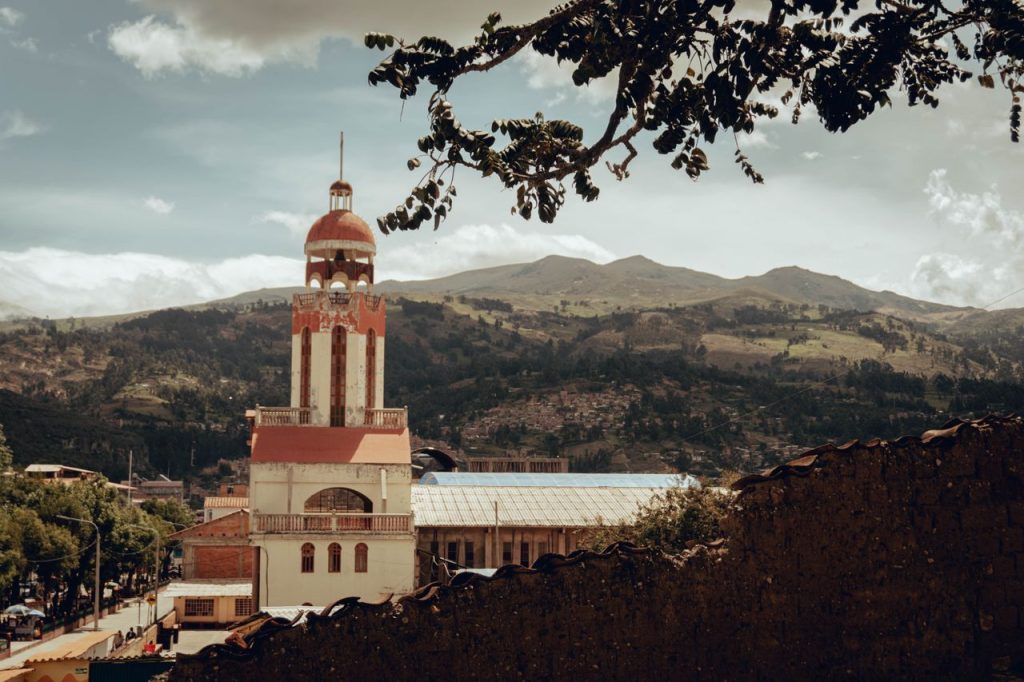
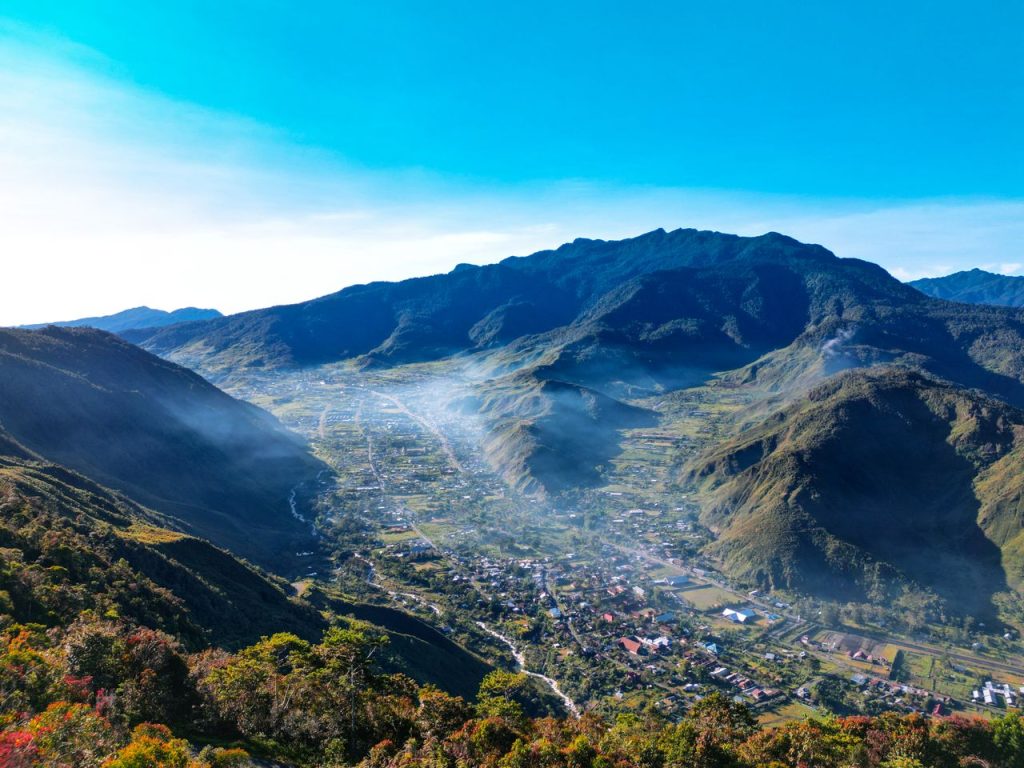
Tucked away in a fertile mountain valley in the heart of the Andes, Cochabamba is known as the “City of Eternal Spring” and the undisputed culinary capital of Bolivia. While many travelers rush past it on their way to the Salt Flats or La Paz, those who stop discover a vibrant, sun-drenched paradise brimming with rich indigenous heritage, massive open-air markets, and a legendary food culture that defines the Bolivian palate.
Flanked by the dramatic Tunari mountain range, Cochabamba offers a perfect blend of high-altitude energy and relaxed, valley living. Home to the largest statue of Christ in Latin America and an unmatched agricultural bounty, this city is a sensory feast waiting to be explored.
In this complete travel guide, you’ll discover everything you need to know before visiting Cochabamba.
Where Is Cochabamba?
Cochabamba is the capital of the Cochabamba Department, located in a sweeping bowl-shaped valley in central Bolivia.
The city serves as:
The geographic and agricultural heart of the country
Bolivia’s undisputed gastronomic capital
A bustling university town and cultural melting pot
A comfortable high-altitude destination sitting at 8,392 feet (2,558 meters) above sea level
Its lower elevation compared to La Paz or Potosí gives Cochabamba a delightfully warm, semi-arid climate year-round, earning it its reputation for perpetual springtime.
Why Visit Cochabamba?
1. The Capital of Bolivian Gastronomy
For food lovers, Cochabamba is the holy grail of Bolivia. The valley produces the country’s finest fruits, vegetables, and grains, powering a legendary, heavy-hitting culinary scene.
2. Home of the Cristo de la Concordia
The city boasts a colossal statue of Christ that stands even taller than Rio de Janeiro’s famous Christ the Redeemer.
3. Vibrant Market Culture
Cochabamba is home to La Cancha, one of the largest, most chaotic, and utterly fascinating open-air street markets in South America.
4. Authentic, Untouristy Bolivia
Unlike more heavily touristed hubs, Cochabamba offers an authentic look at contemporary Bolivian life, where modern urbanites and traditional Quechua cultures live side by side.
Best Things to Do in Cochabamba
Stand Before the Cristo de la Concordia
Dominating the city’s skyline from the top of San Pedro Hill, the Cristo de la Concordia is Cochabamba’s most iconic landmark.
Highlights include:
Climbing the statue’s interior stairs on Sundays for panoramic views of the city and the valley lake.
Standing at the foot of the 112-foot (34-meter) tall giant, which represents peace and hospitality.
Taking the scenic teleférico (cable car) from the city park up to the monument.
Get Lost in La Cancha Market
La Cancha is not just a market; it is a sprawling city within a city that operates seven days a week.
Visitors can explore:
Endless labyrinthine sections dedicated to everything from hand-woven Andean textiles and exotic Amazonian fruits to electronics and traditional medicines.
The vibrant, colorful sights of indigenous Quechua women (cholitas) dressed in pleated skirts and bowler hats tending to their stalls.
An authentic piece of living history that captures the economic heartbeat of the Andes.
Stroll Along El Prado and Plaza 14 de Septiembre
To experience the contrasting, elegant sides of the city, take a leisurely walking tour through its central spaces.
Surrounding landmarks include:
Plaza 14 de Septiembre: The historic colonial core, featuring the grand Metropolitan Cathedral and beautifully shaded arcades.
El Prado (Avenida Ballivián): A leafy, upscale boulevard lined with trendy restaurants, bars, ice cream parlors, and modern boutiques—perfect for people-watching.
Step Inside Palacio Portales
The Palacio Portales is a mind-bogglingly opulent mansion built in the early 20th century by Simón Iturri Patiño, once one of the wealthiest men in the world due to his tin-mining empire.
Visitors can admire:
Extravagant architecture inspired by the Vatican, Versailles, and the Alhambra.
Beautifully manicured French gardens and Italian renaissance fountains.
Intricate interior ceilings painted by imported European artists.
Take a Day Trip to Toro Toro National Park
While technically located in the neighboring department, Cochabamba is the primary gateway to Toro Toro National Park, a dream destination for adventure travelers.
Highlights include:
Exploring deep canyons and massive limestone caves.
Walking directly alongside thousands of perfectly preserved dinosaur footprints.
Hiking through bizarre, otherworldly rock formations formed over millions of years.
Experience the Local Food Culture
In Cochabamba, eating is a serious cultural ritual. Locals famously joke that while other Bolivians eat to live, Cochabambinos live to eat.
Popular culinary traditions include:
Silpancho
The signature dish of Cochabamba: a massive, thinly pounded beef cutlet served over a bed of rice and boiled potatoes, topped with a fried egg and a fresh pico de gallo salsa (llajua).
Pique Macho
A legendary, mountain-sized sharing platter consisting of bite-sized pieces of beef, sausage, french fries, onions, locoto peppers, and hard-boiled eggs, all doused in a rich, savory sauce.
Chicha de Maíz
The ancient beverage of the Incas. This fermented corn beer is brewed locally in the valley and served in large, traditional earthenware bowls called tutumas. Look for houses flying a white flag outside—this signals a fresh batch is ready!
Sopa de Maní
A rich, incredibly comforting peanut soup slow-cooked with beef or chicken, potatoes, peas, and topped with crispy shoestring fries.
Salteñas
Bolivia’s savory, juicy baked empanadas filled with sweet-and-spicy meat and broth, traditionally enjoyed strictly as a mid-morning snack.
Best Time to Visit Cochabamba
The Dry Season (May to October)
Benefits include:
Perfectly clear blue skies every single day—ideal for mountain photography.
Cooler, crisp nights but beautifully warm, sunny afternoons.
The best conditions for trekking through nearby national parks.
The Rainy Season (November to April)
Visitors enjoy:
Lush, incredibly green valley landscapes.
A vibrant atmosphere, culminating in the massive explosion of color, water fights, and dancing that is the Cochabamba Carnival in February or March.
Where to Stay in Cochabamba
Popular neighborhoods include:
El Prado & Cala Cala
The modern, upscale northern districts. Ideal for travelers looking for luxury hotels, excellent international dining, safe leafy streets, and vibrant nightlife.
Centro Histórico (Downtown)
Perfect for budget travelers and culture enthusiasts who want to be within walking distance of the historic plazas, colonial architecture, and the bustling energy of La Cancha.
How to Get to Cochabamba
Most travelers arrive via Jorge Wilstermann International Airport (CBB), which receives domestic flights from La Paz, Santa Cruz, and Sucre daily.
Alternatively, you can arrive by:
Bus: The city terminal connects Cochabamba to all major points in Bolivia via affordable, overnight long-distance buses. The mountain highway connecting La Paz and Cochabamba offers stunning, winding Andean vistas.
Travel Tips for Cochabamba
Take advantage of the altitude relief: Sitting at 8,392 feet, Cochabamba is much easier on the lungs than La Paz (11,900 feet). It is an excellent place to acclimatize before heading higher into the Andes.
Master the Llajua: This spicy Bolivian hot sauce made from locoto peppers and tomatoes accompanies every meal. Test a small drop before dousing your plate!
Stay street-smart in the markets: While La Cancha is a must-visit, pickpocketing is common in crowded market corridors. Leave your valuables at the hotel and keep a close eye on your bags.
Use local Trufís: These shared fixed-route minivans and cars are an incredibly cheap and authentic way to navigate the city. Just look for the numbers and destinations displayed on their windshields.
Is Cochabamba Worth Visiting?
Absolutely. Cochabamba is a hidden gem that reveals the passionate, culinary soul of Bolivia away from the typical tourist trails.
Whether you’re soaring over the city toward a massive mountain-top Christ statue, diving headfirst into the organized chaos of South America’s greatest open-air market, or tucking into a plate of Pique Macho paired with a cold local craft beer, Cochabamba delivers an intensely authentic and deeply satisfying South American experience.
Final Thoughts
From the historic luxury of Palacio Portales to the lively, sun-drenched paths of El Prado and the unbeatable culinary heritage cooked up in local chicherías and markets, Cochabamba is a destination that captures all five senses.
Its perfect weather, legendary food scene, and welcoming valley charm make it a highly rewarding, essential stop for any traveler wanting to experience the real Bolivia.
Read too: Buenos Aires: The Ultimate Travel Guide to Argentina’s Vibrant Capital