Rising like a colossal stone fortress above the pristine rainforests and savannas of the Guiana Highlands, Mount Roraima is one of the most spectacular, mystical, and geologically ancient destinations on Earth. As a massive, flat-topped mountain—locally known as a tepui—Mount Roraima served as the direct inspiration for Sir Arthur Conan Doyle’s legendary adventure novel The Lost World and Pixar’s animated masterpiece Up.
Bordered by three countries, this geological marvel dates back roughly two billion years. Stepping onto its high-altitude summit plateau feels like stepping onto another planet: a surreal landscape of blackened rock labyrinths, unique carnivorous plants, pink-sand beaches, and crystal-clear jacuzzis shrouded in a perpetual sea of mist.
For adventure seekers, trekkers, and nature lovers, a journey to the summit of Mount Roraima is the ultimate bucket-list expedition.
In this complete travel guide, you’ll discover everything you need to know before visiting Mount Roraima.
Where Is Mount Roraima?
Mount Roraima is the highest of the Pakaraima chain of tepuis in South America.
The mountain serves as:
A triple-border point between Venezuela, Brazil, and Guyana
The crown jewel of Venezuela’s Canaima National Park, a UNESCO World Heritage site
A massive natural island in the sky, soaring 9,219 feet (2,810 meters) above sea level
While its sheer cliffs span three nations, approximately 85% of the tepui is located in Venezuelan territory, which also provides the only hikable ramp to the summit without advanced rock-climbing gear.
Why Visit Mount Roraima?
1. Mind-Bending Landscapes
The summit of Mount Roraima features bizarre, wind-sculpted rock formations, sheer vertical cliffs, and endless valleys of quartz crystals that look entirely alien.
2. A Living Prehistoric Eco-System
Because the summit has been isolated from the rainforest below for millions of years, roughly 35% of the plant and animal life found on top exists absolutely nowhere else on the planet.
3. World-Class Trekking Adventure
The multi-day expedition to the top is widely regarded as one of the most rewarding and visually stunning wilderness treks in South America.
4. Majestic Waterfalls
As moisture clings to the mountain, it feeds countless spectacular waterfalls that spill over the thousands-of-feet-high sheer cliffs into the emerald canopy below.
Best Things to Do and See at Mount Roraima
Stand at the Triple Border (Punto Triple)
Marked by a white stone monument, the Punto Triple is the exact geographical intersection where the borders of Venezuela, Brazil, and Guyana meet on the summit plateau. Standing here allows you to legally occupy three South American nations simultaneously.
Discover the Valley of Crystals (Valle de los Cristals)
The Valley of Crystals is an otherworldly gorge where the ground is literally blanketed in billions of raw quartz crystals.
Highlights include:
Walking through natural corridors lined with glittering stone structures
Photographing surreal rock formations catching the mountain light
Note: Removing or taking any crystals from the mountain is strictly forbidden by indigenous guides and national park rules.
Soak in the Elves’ Jacuzzis (Los Jacuzzis)
Los Jacuzzis are a series of naturally formed, circular rock pools filled with crystalline rainwater, situated on a bed of glittering quartz crystals.
Visitors can enjoy:
A refreshing (and incredibly brisk) dip in the high-altitude pools after a long day of hiking.
Taking in the surrounding, mist-laden views of the unique tepui vegetation.
Peer Over The Window (La Ventana)
La Ventana is a dramatic, dizzying viewpoint located at a massive cleft on the edge of the mountain wall.
Visitors can admire:
Jaw-dropping, vertical lookouts dropping thousands of feet down to the savanna below.
The striking, neighboring silhouette of Kukenán Tepui standing starkly against the horizon.
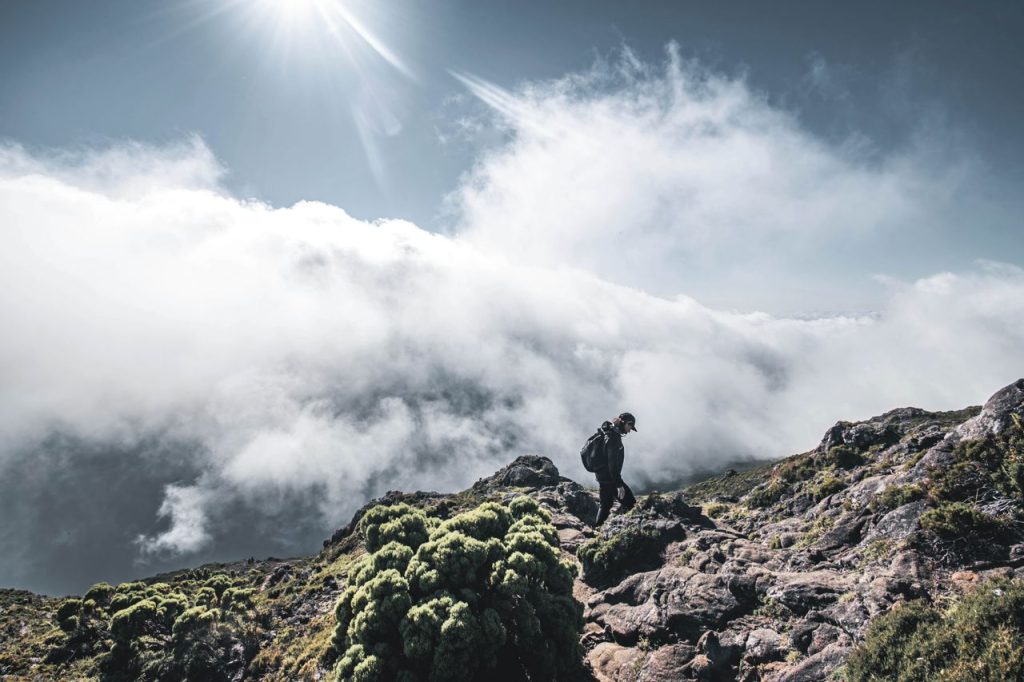
Towering columns of clouds rising and falling dynamically from the jungle floor.
Explore the Maverick Stone (El Maverick)
El Maverick is the highest geographic point on Mount Roraima’s plateau, named after its striking resemblance to the silhouette of a classic Ford Maverick car. Climbing to its crest provides an unparalleled, 360-degree panoramic view across the entire stone plateau.
The Epic Multi-Day Trekking Route
Reaching Mount Roraima is an multi-day expedition that requires physical stamina and a deep respect for nature. The standard trek usually spans 6 to 7 days:
Days 1–2: The Savanna Approach. Hikers trek across the sweeping grasslands of the Gran Sabana from the indigenous Pemon village of Paraitepui, crossing rivers and camping under starry skies with the massive stone wall looming ahead.
Day 3: The Ascent. A challenging, steep climb through a dense, muddy cloud forest along a natural ledge attached to the sheer cliff wall, passing directly beneath the spraying waters of the “Tears of Roraima” waterfall.
Days 4–5: Exploring the Summit. Days spent wandering the labyrinthine plateau, sleeping in natural cave overhangs known locally as Hoteles.
Days 6–7: The Descent. retracing your steps back down the wall and across the savanna to civilization.
Unique Flora and Fauna You Will Encounter
Because of its ancient isolation, Roraima is a treasure trove for evolutionary biologists and nature lovers:
The Roraima Black Toad (Oreophrynella quelchii): A tiny, prehistoric toad that cannot hop or swim; instead, it crawls along the black rocks and rolls into a ball to hide from predators.
Carnivorous Pitcher Plants (Heliamphora): Spectacular bell-shaped plants that have evolved to consume insects to survive in the nutrient-poor soil of the summit.
The Stegolepis: A primitive, bright-yellow flowering plant that dominates the rocky marshlands of the plateau.
Best Time to Visit Mount Roraima
The Dry Season (December to April)
Benefits include:
Considerably less rain, making river crossings safer and the steep trails less muddy
Warmer, more comfortable hiking conditions across the open savanna
Clearer skies, maximizing your chances of unobstructed panoramic views from the top
The Rainy Season (May to November)
Benefits include:
The mountain truly comes alive with thousands of dramatic, cascading waterfalls plunging off the sheer cliffs.
Dramatic, atmospheric mists that give the tepui its iconic, mysterious “Lost World” vibe.
Travel Tips for Mount Roraima
Hire an authorized guide: You cannot hike Mount Roraima independently. You must book a tour with experienced local agencies, who provide expert navigation, meals, and porters, while supporting the local indigenous Pemon community.
Prepare for extreme weather: The weather on the summit changes in seconds. It can transition from blistering sun to freezing rain and dense fog instantly. Pack high-quality waterproof gear, thermal base layers, and a warm sleeping bag.
Pack zero-trace items: Protect this pristine, sacred ecosystem. Everything you pack in must be packed out—including human waste, which guides handle via specialized, eco-friendly systems.
Bring excellent hiking boots: You will be traversing jagged, slick sandstone, deep mud, and rocky riverbeds. Sturdy, broken-in, waterproof footwear is non-negotiable.
Protect against the “Puri-Puri”: The savanna is home to tiny, biting blackflies called puri-puri. Standard bug spray doesn’t always cut it; carry high-concentration DEET or natural oils, and wear long pants.
Is Mount Roraima Worth Visiting?
Without a doubt. Mount Roraima is not just a destination; it is an expedition into the deep history of our planet. It challenges your body, expands your mind, and rewards you with sights that cannot be replicated anywhere else on Earth.
Whether you are staring into a deep abyss as clouds swallow the jungle beneath you, walking over crystal-paved paths, or watching a tiny black toad navigate a two-billion-year-old rock maze, Mount Roraima delivers a raw, profound, and life-changing adventure.
Final Thoughts
From the vast, golden grasslands of the Gran Sabana to the rain-drenched cliffs of the Tears of Roraima and the surreal majesty of the Punto Triple, Mount Roraima stands as a timeless testament to the wonders of the natural world.
Its sheer scale, unique evolutionary marvels, and dramatic isolation make it an unrivaled crown jewel for global explorers seeking the ultimate South American adventure.
Read too: Buenos Aires: The Ultimate Travel Guide to Argentina’s Vibrant Capital