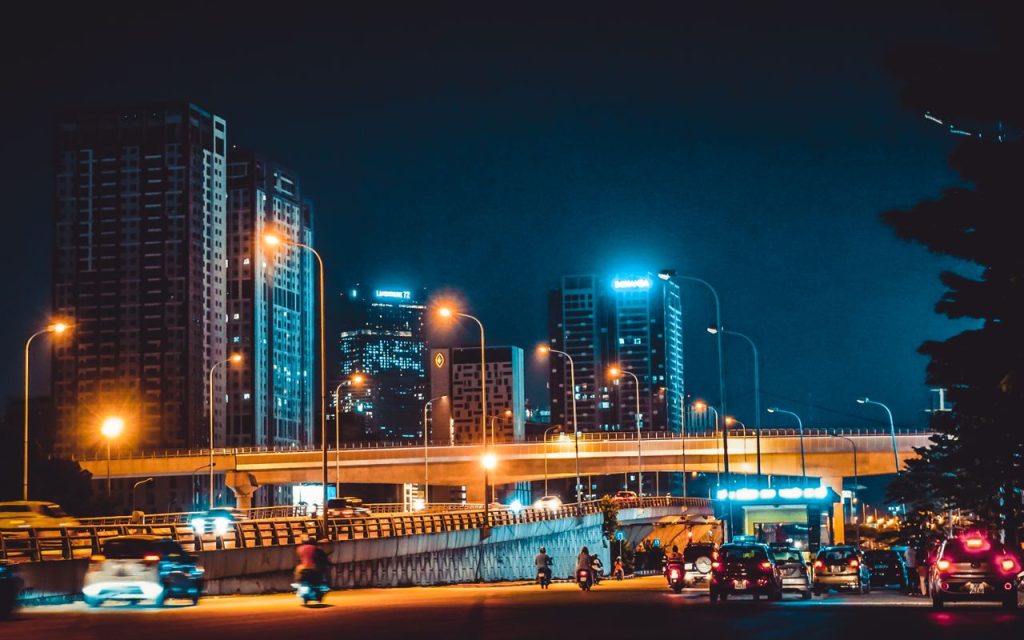
With its tree-lined boulevards, crumbling colonial villas, ancient temples, and a chaotic symphony of millions of motorbikes, Hanoi is one of the most atmospheric and captivating cities in Asia. As a city with over a thousand years of history, Vietnam’s capital seamlessly blends French colonial elegance with traditional East Asian culture and a hyper-energetic modern lifestyle.
Hanoi is a sensory explosion. It is a city where the rich aroma of robust Vietnamese coffee drifts from sidewalk cafés, where hidden alleys lead to quiet, centuries-old temples, and where the culinary street food scene is celebrated as one of the finest in the world.
In this complete travel guide, you’ll discover everything you need to know before visiting Hanoi.
Where Is Hanoi?
Hanoi is the capital city of Vietnam, located in the northern region of the country along the banks of the Red River.
The city serves as:
The political, administrative, and cultural capital of Vietnam
A major economic powerhouse in northern Southeast Asia
The primary gateway to Northern Vietnam’s wonders, including Ha Long Bay and Sapa
Situated roughly 85 miles (140 km) inland from the Gulf of Tonkin, Hanoi experiences a distinct four-season climate, ranging from hot, tropical summers to crisp, chilly winters.
Why Visit Hanoi?
1. The Capital of Asian Street Food
Hanoi is a legendary culinary destination where you can pull up a tiny plastic stool on a sidewalk and enjoy some of the freshest, most iconic dishes in Asia for just a few dollars.
2. Deep Historical Layers
From ancient dynastic temples to French provincial architecture and remnants of war-era history, Hanoi’s architecture tells a complex and fascinating story.
3. Vibrant Sidewalk Culture
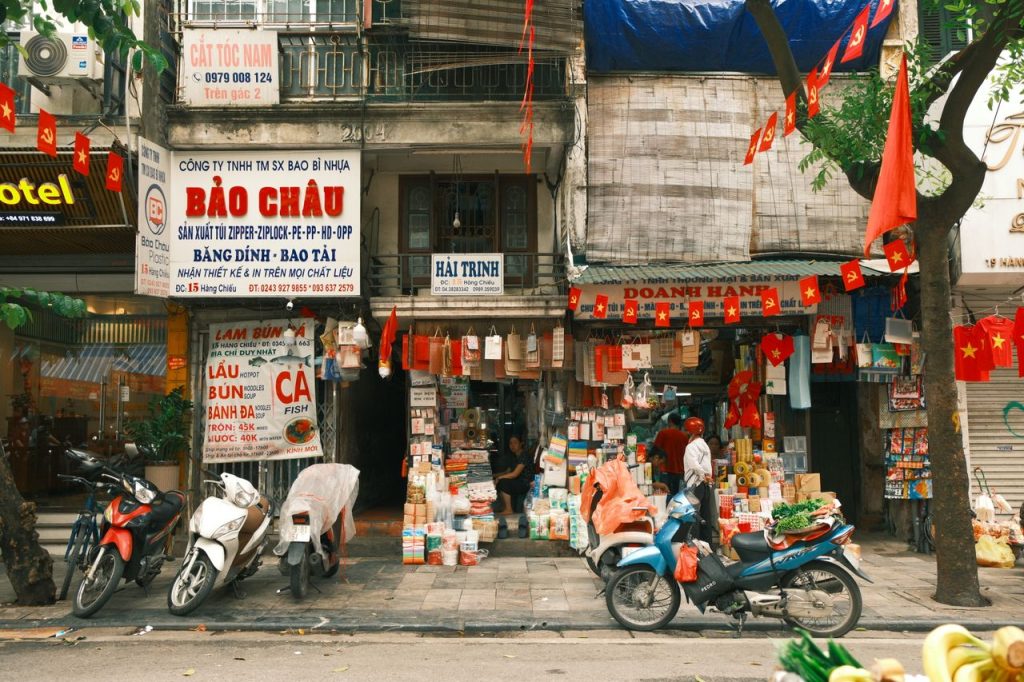
Hanoi is a city lived outdoors. The sidewalks serve as communal living rooms, open-air kitchens, motorbike parking lots, and social hubs.
4. A Gateway to Epic Nature
Hanoi is the perfect base camp before embarking on breathtaking cruises through Ha Long Bay or trekking the terraced rice paddies of Sapa.
Best Things to Do in Hanoi
Get Lost in the Old Quarter (Pho Co)
The beating heart of the city, the Old Quarter is a bustling maze of 36 historic streets, each traditionally named after the specific trade or craft once practiced there.
Surrounding landmarks include:
Narrow Tube Houses: Traditional, deeply recessed buildings packed tightly along the streets.
Dong Xuan Market: A massive, multi-story wholesale market packed with local goods and street food stalls.
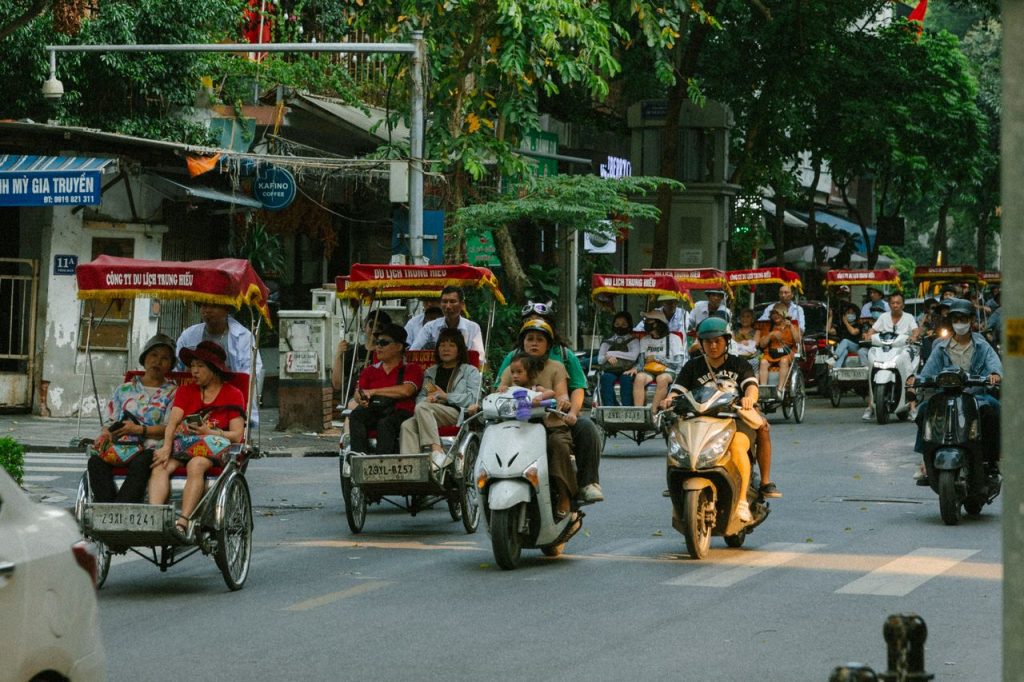
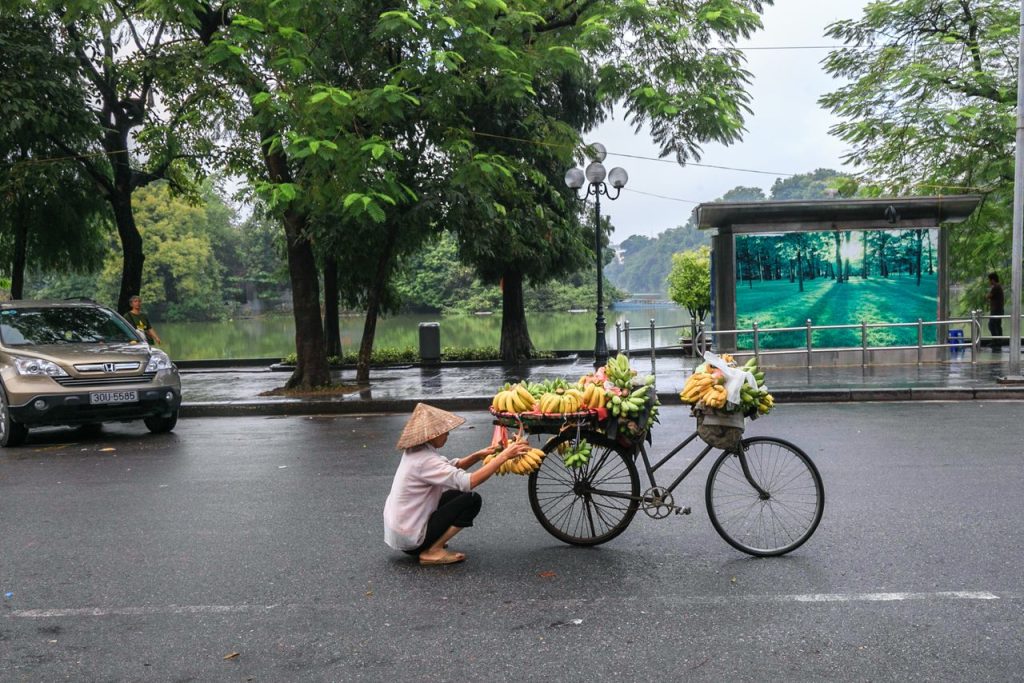
Vibrant Street Life: Navigating sidewalks packed with fruit vendors, steaming noodle pots, and buzzing motorbikes.
Stroll Around Hoan Kiem Lake
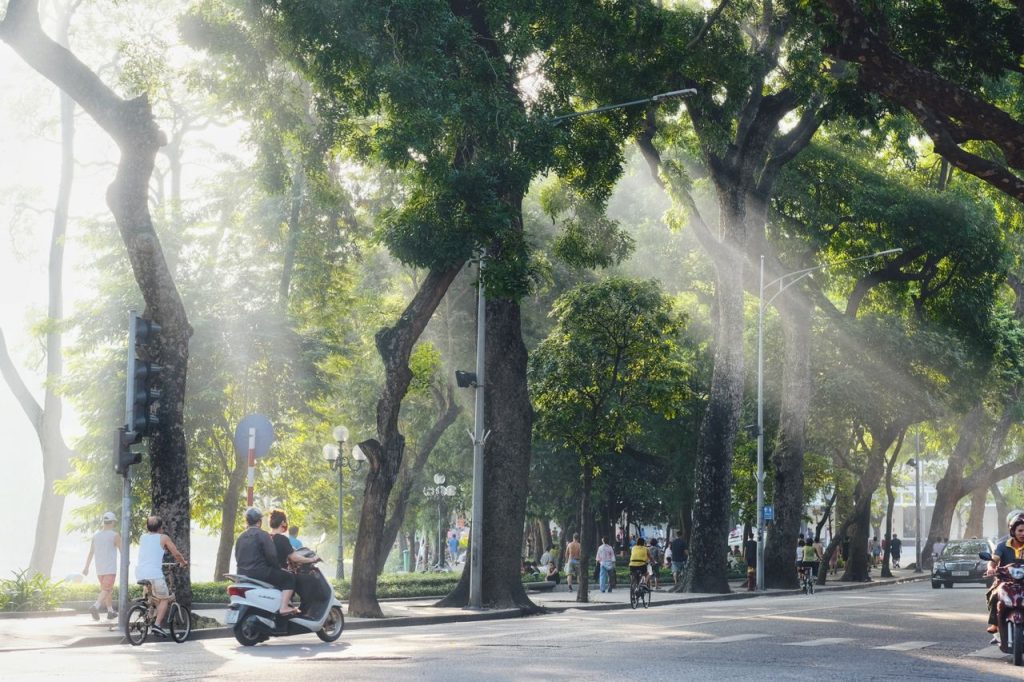
Hoan Kiem Lake (Lake of the Restored Sword) is the peaceful, green oasis in the center of Hanoi’s chaotic urban rush.
Highlights include:
Ngoc Son Temple: A beautiful, crimson-painted wooden bridge (The Huc Bridge) leading to a temple on a small island in the lake.
Turtle Tower (Thap Rua): The iconic stone islet standing in the center of the water.
Weekend Pedestrian Zone: On weekends, the roads surrounding the lake are closed to traffic, transforming into a giant street festival of music, games, and walks.
Visit the Temple of Literature (Van Mieu)
Built in 1070, the Temple of Literature is a rare, incredibly preserved example of traditional Vietnamese architecture and the site of the country’s first national university.
Visitors can admire:
Five tranquil courtyards lined with ancient trees, manicured gardens, and lotus ponds.
Doctor’s Stelae: 82 stone tortoises carving the names of scholars who passed the rigorous royal examinations.
Beautifully carved wooden pavilions dedicated to Confucius.
Explore the Imperial Citadel of Thang Long
This UNESCO World Heritage site was the political center of ancient Vietnam for over thirteen consecutive centuries.
Highlights include:
The imposing Doan Mon gate, the main entrance to the forbidden city.
The ancient flag tower of Hanoi, a major symbol of the city.
D67 House and Tunnel: An underground military bunker used by North Vietnamese generals during the Vietnam War.
Experience Hanoi Train Street
One of the city’s most unique and photographed sights, Hanoi Train Street is a narrow residential alleyway where an active railway line passes just inches away from doorsteps and cafés.
Visitors can enjoy:
Sipping a Vietnamese egg coffee at a tiny table while watching local life carry on directly on the tracks.
Feeling the rush of wind as the heavy train slowly squeezes its way through the narrow residential gap. (Note: Access is strictly regulated for safety; you will need to be escorted by a local café owner to sit along the tracks).
Food You Must Try
Hanoi’s culinary scene is a masterclass in balancing fresh herbs, savory broths, grilled meats, and delicate spices.
Popular dishes include:
Pho Bo
The ultimate Hanoian staple: a delicate, clear beef broth simmered for hours, served with flat rice noodles, tender slices of beef, and fresh green onions and cilantro.
Bun Cha
A Northern Vietnamese specialty consisting of smoky, charcoal-grilled pork patties and pork belly swimming in a warm, sweet-and-savory fish sauce broth, served with rice vermicelli noodles and a mountain of fresh herbs. (Famously eaten by Anthony Bourdain and President Barack Obama).
Cha Ca La Vong
Tender chunks of white fish marinated in turmeric and galangal, pan-fried tableside in a hot skillet with generous heaps of fresh dill and spring onions, served over rice noodles with peanuts.
Egg Coffee (Ca Phe Trung)
A decadent, liquid tiramisu-like treat invented in Hanoi. It features robust Vietnamese robusta coffee topped with a thick, velvety custard made of sweetened condensed milk and whisked egg yolks.
Best Time to Visit Hanoi
Autumn (September to November)
Benefits include:
The absolute best weather of the year, characterized by warm, sunny days and cool, breezy evenings.
The beautiful blooming of local milkwood flowers, which fill the city streets with a sweet, nostalgic aroma.
Spring (March to April)
Visitors enjoy:
Mild, pleasant temperatures and a green, blooming landscape as the city transitions out of winter.
Vibrant local preparations for Tet (Vietnamese Lunar New Year).
Summer (May to August)
Can be extremely hot, humid, and rainy, but offers incredibly lush tropical fruits and quiet streets during peak midday hours.
Where to Stay in Hanoi
Popular neighborhoods include:
Old Quarter (Hoan Kiem)
Ideal for first-time visitors who want to be in the center of the action, within walking distance of Hoan Kiem Lake, major temples, and the best street food hubs.
Ba Dinh (The French Quarter)
Perfect for travelers seeking quiet, luxury hotels, wide French colonial boulevards, high-end fine dining, and close proximity to major government palaces and museums.
Tay Ho (West Lake)
The trendy ex-pat district. Located further north, it offers beautiful lakeside hotels, trendy hip cafés, western-style dining, and a much more relaxed, scenic atmosphere.
How to Get to Hanoi
Most international visitors land at Noi Bai International Airport (HAN), located about 28 miles (45 km) north of the city center.
From the airport, reaching downtown is easy:
Rideshare / Taxi: Using apps like Grab (Southeast Asia’s Uber) is the safest, most transparent way to book a 40-minute air-conditioned ride to the Old Quarter.
Express Bus 86: A highly efficient, modern, and cheap orange city bus that runs directly from the airport terminals to Hoan Kiem Lake and the Hanoi Railway Station.
Travel Tips for Hanoi
Master the art of crossing the street: The endless stream of motorbikes can look terrifying. The key is to walk at a slow, steady, and predictable pace. Do not stop, run, or hesitate—the riders will easily calculate your path and weave smoothly around you.
Download the Grab App: It is invaluable for booking cheap, reliable, and metered car or motorbike rides across the city, eliminating any taxi fare negotiations.
Dress respectfully at temples: Always cover your shoulders and knees when visiting sacred sites like the Temple of Literature or Ho Chi Minh Mausoleum.
Enjoy the Café Culture: Vietnamese coffee is incredibly strong. Take your time, sit on a low stool facing the street, and watch the city drift by—café hopping is a vital part of the local lifestyle.
Is Hanoi Worth Visiting?
Absolutely. Hanoi is a city that captures the raw, poetic, and highly energetic soul of Vietnam.
Whether you’re dodging motorbikes in the historic maze of the Old Quarter, sipping a creamy egg coffee while a train rumbles past your table, or watching the morning mist rise off the waters of Hoan Kiem Lake as locals practice Tai Chi, Hanoi delivers a deeply rich, highly atmospheric, and unforgettable travel experience.
Final Thoughts
From the ancient, tranquil courtyards of the Temple of Literature to the buzzing, neon-lit street food stalls of Dotonbori-style Old Quarter alleys and the serene waters of West Lake, Hanoi is a city that lingers in your memory long after you leave.
Its deep history, incredible culinary legacy, warm-hearted locals, and unmatched street energy make it an essential and deeply rewarding starting point for any journey through Vietnam.
Read too: 5 Wonders of Vietnam That Not Everyone Knows About