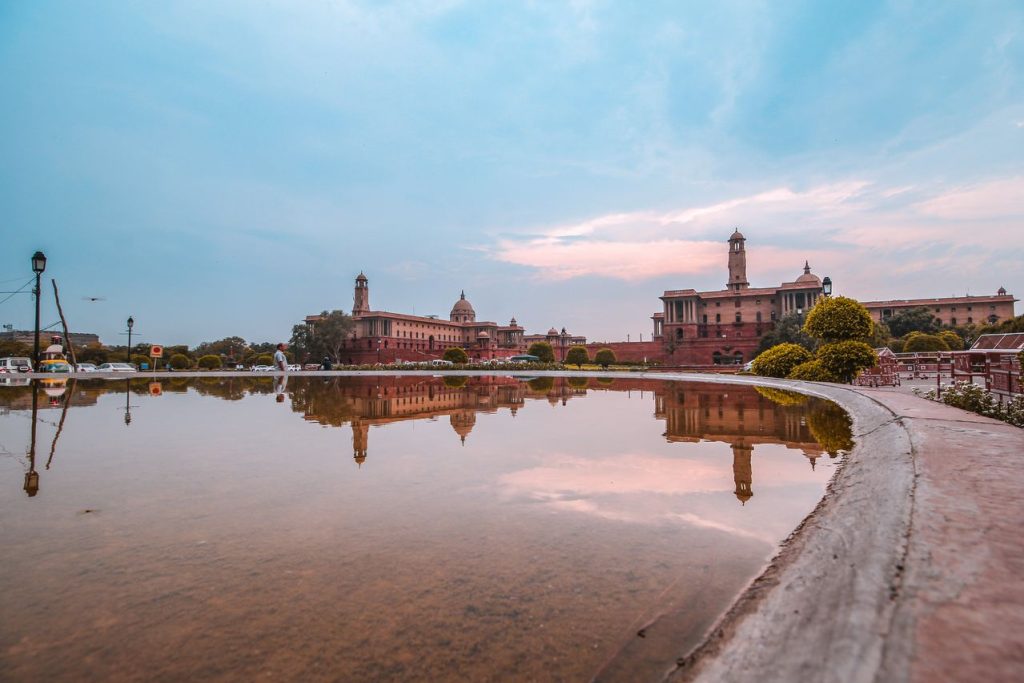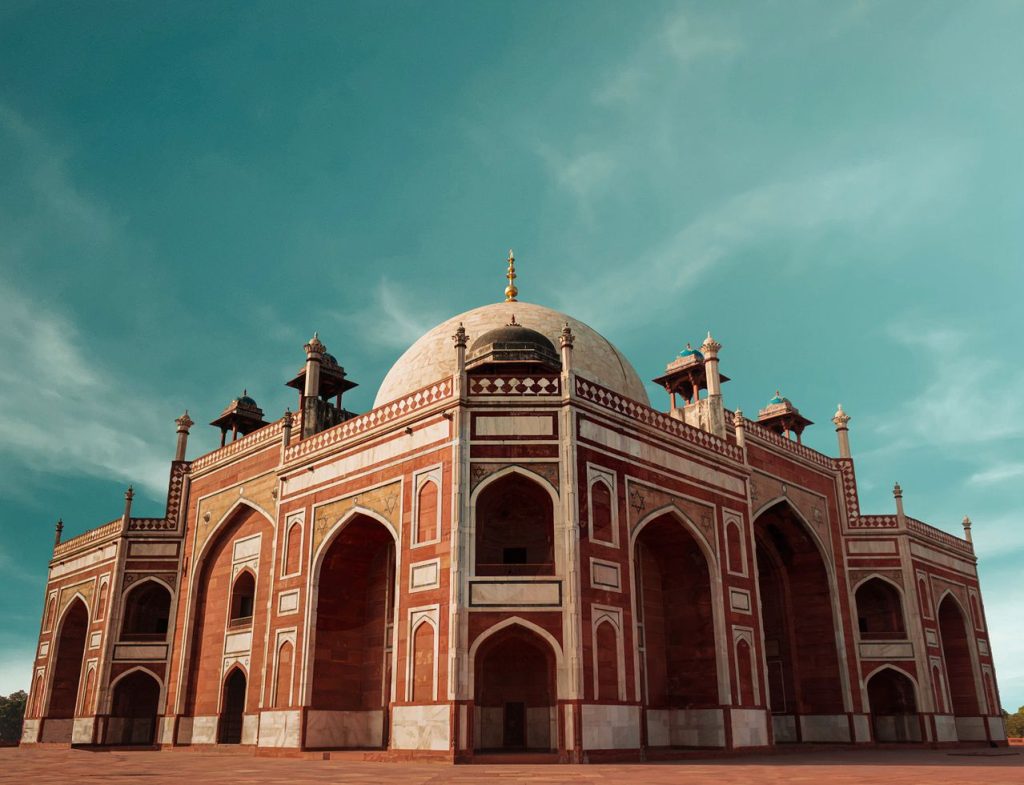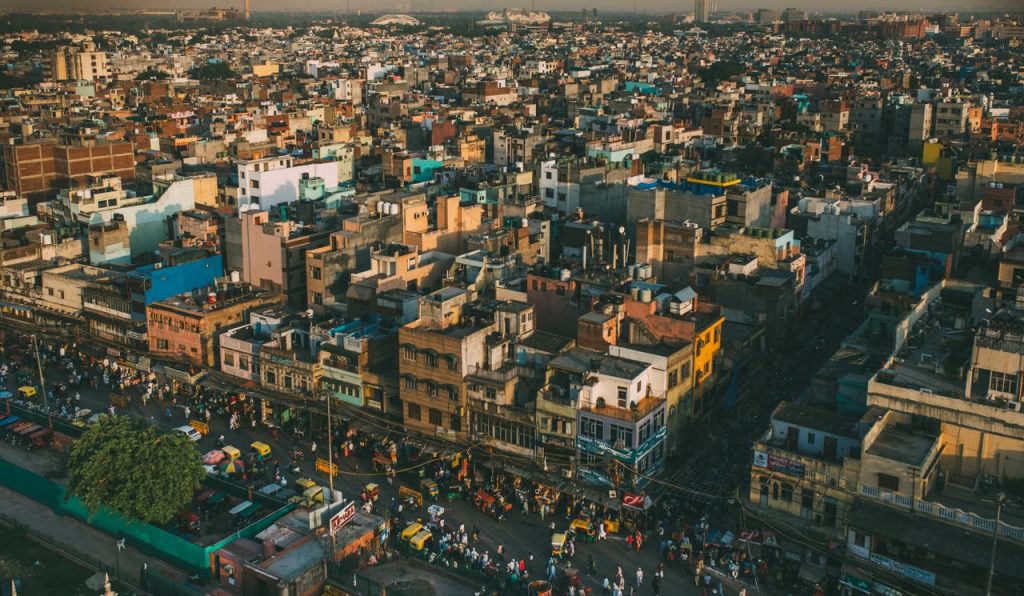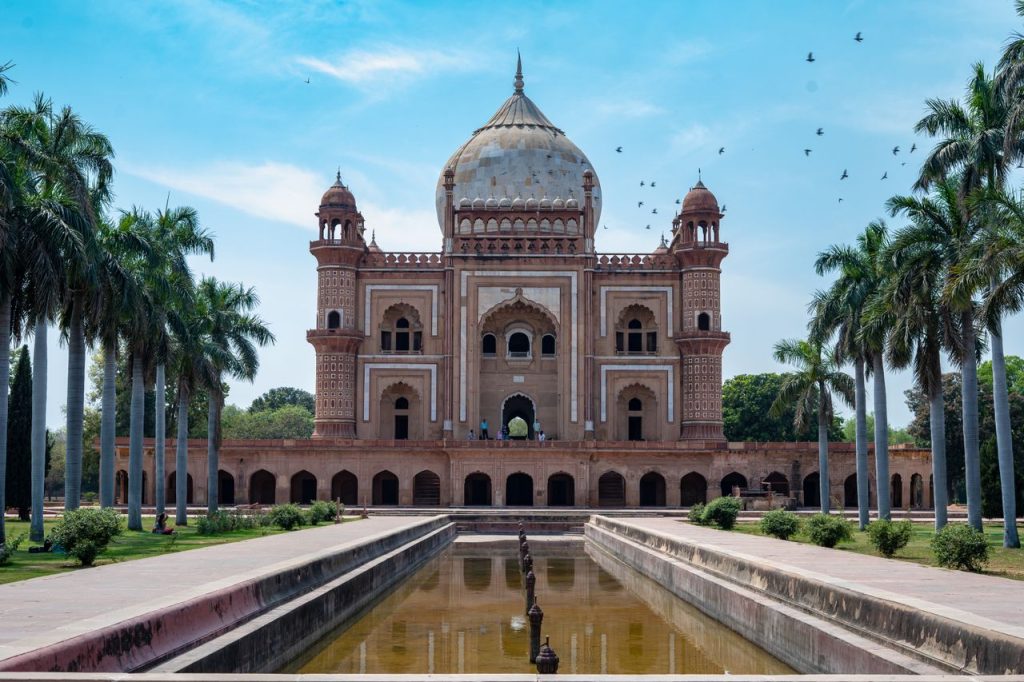
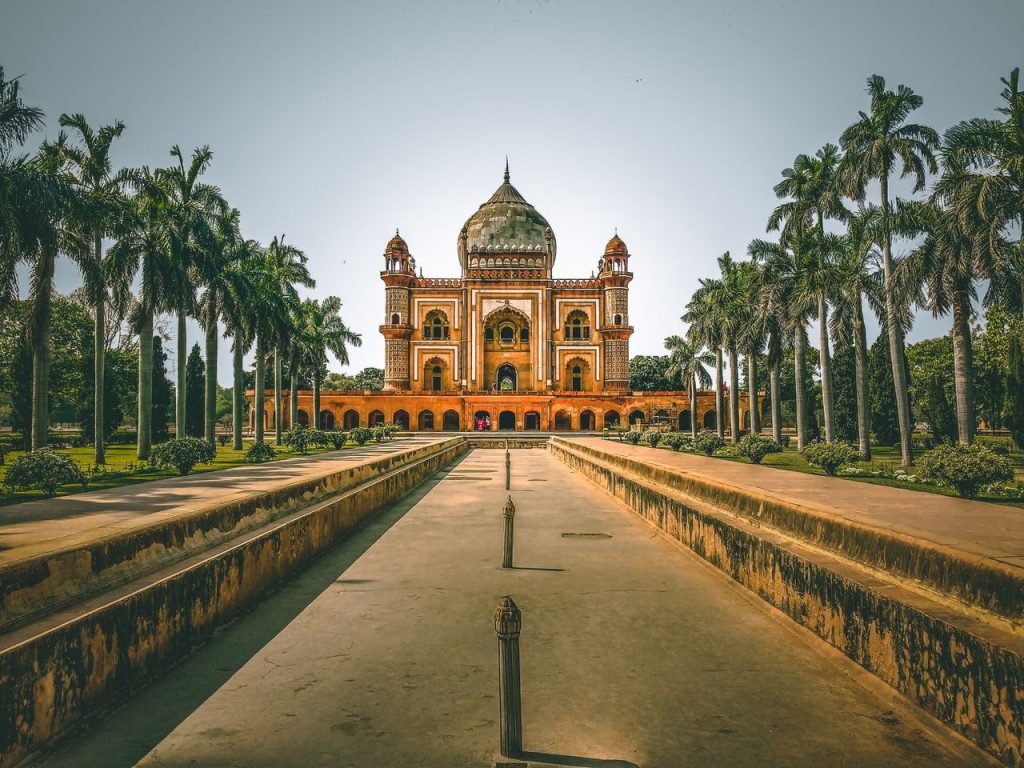
A dizzying sensory explosion of sights, sounds, and aromas, Delhi is one of the most culturally rich, historic, and energetic metropolises in the world. As the beating heart of India, Delhi is a city where several empires have risen and fallen, leaving behind a magnificent tapestry of historic ruins, grand colonial avenues, and ancient spiritual landmarks.
Delhi is a beautiful contradiction. It is a place where the chaotic, narrow alleys of 17th-century Mughal bazaars open up to the sweeping, tree-lined boulevards of a modern global capital. From the sizzling aromas of legendary street food stalls to the serene peace of its lush gardens and ancient temples, Delhi offers an unforgettable journey through the very soul of India.
In this complete travel guide, you’ll discover everything you need to know before visiting Delhi.
Where Is Delhi?
Delhi is a massive metropolitan area and union territory located in northern India, situated along the banks of the sacred Yamuna River.
The city serves as:
The political, administrative, and historic capital of India (centered in New Delhi)
A sprawling urban giant home to over 30 million residents
The premier northern gateway and key corner of India’s famous “Golden Triangle” tourist route (alongside Agra and Jaipur)
Its strategic inland position on the Indo-Gangetic Plains gives Delhi a climate of extremes, featuring hot summers, a dramatic monsoon season, and pleasantly cool, misty winters.
Why Visit Delhi?
1. A Living Museum of Empires
Delhi is home to three magnificent UNESCO World Heritage sites and thousands of historic monuments spanning centuries of Hindu, Mughal, and British rule.
2. The Street Food Capital of India
From the legendary Mughlai curries of Old Delhi to sweet, crispy jalebis and spicy chaat, the city offers an unparalleled, world-famous culinary adventure.
3. Spiritual and Architectural Wonders
Delhi boasts some of the world’s largest and most visually stunning houses of worship, representing a harmonious blend of diverse faiths and modern designs.
4. A Shopper’s Paradise
The city features a vibrant array of shopping experiences, from chaotic, centuries-old wholesale bazaars to sleek, high-end designer malls.
Best Things to Do in Delhi
Step Into the Past at the Red Fort (Lal Qila)
The majestic Red Fort is the iconic symbol of Mughal power, constructed in 1638 by Emperor Shah Jahan out of massive blocks of red sandstone.
Highlights include:
Lahore Gate: The grand main entrance facing the bustling streets of Old Delhi.
Diwan-i-Aam & Diwan-i-Khas: Exquisite, pillared audience halls where emperors once held court on the legendary Peacock Throne.
The beautiful, manicured stream-fed gardens and historic museum exhibits inside.
Get Lost in Chandni Chowk
Located directly opposite the Red Fort, Chandni Chowk is one of the oldest, busiest, and most colorful wholesale markets in India.
Visitors can explore:
Dariba Kalan: A historic alleyway lined with shimmering silver, gold, and custom perfume (attar) shops.
Khari Baoli: Asia’s largest wholesale spice market, where the air is heavily perfumed with cardamom, saffron, and fiery chilies.
Rickshaw Rides: Navigating a dizzying, cinematic maze of wires, narrow corridors, and bustling local traders.
Stand in Awe of Qutub Minar
The magnificent Qutub Minar is the tallest brick minaret in the world, standing at a towering 240 feet (73 meters).
Visitors can admire:
Intricate red sandstone carvings detailing historic Arabic inscriptions and geometric patterns dating back to 1192.
The incredible Iron Pillar of Delhi, a metallurgical wonder that has stood completely rust-free for over 1,600 years.
A peaceful, green park complex filled with ancient ruins, tombs, and a massive unfinished tower.
Walk Through the India Gate and Kartavya Path
The India Gate is a grand, 42-meter-tall triumphal arch built to honor the Indian soldiers who lost their lives during World War I.
Highlights include:
The Amar Jawan Jyoti: The eternal flame burning beneath the arch to honor the unknown soldier.
Kartavya Path (formerly Rajpath): A ceremonial, tree-lined boulevard stretching to the grand Rashtrapati Bhavan (Presidential Palace).
A lively evening atmosphere where local families gather on the lawns to enjoy ice cream and breezes.
Experience Spiritual Majesty at Akshardham Temple
The breathtaking Swaminarayan Akshardham is a colossal, modern temple complex that showcases thousands of years of traditional Indian culture, spirituality, and architecture.
Highlights include:
A massive central temple carved entirely from pink sandstone and Italian marble, featuring zero steel support.
Intricate Carvings: Detailed sculptures of 20,000 Hindu deities, saints, and 148 life-sized stone elephants.
A spectacular evening multi-media water, light, and fire show set in a grand stepwell.
Food You Must Try
Delhi is a legendary culinary playground where food is treated with absolute reverence.
Popular dishes include:
Butter Chicken (Murgh Makhani)
Invented right in Delhi in the 1950s, this globally beloved dish features tender, tandoori-grilled chicken simmered in a rich, velvety gravy of butter, tomatoes, cream, and spices.
Chole Bhature
The ultimate Delhi comfort breakfast: spicy, rich chickpea curry served alongside massive, fluffy, deep-fried sourdough flatbreads (bhature).
Paranthas at Gali Paranthe Wali
A historic alleyway in Chandni Chowk where generations of cooks have pan-fried crispy, golden flatbreads stuffed with everything from potatoes and paneer to green chilies and sweet bananas.
Dilli Ki Chaat
Savor Delhi’s iconic street-side snacks like Golgappas (crispy hollow puris filled with spicy water), Aloo Tikki (spicy potato patties), and sweet Dahi Bhalla (lentil dumplings in sweetened yogurt).
Best Time to Visit Delhi
Winter (November to February)
Benefits include:
Perfectly cool, pleasant weather ideal for exploring outdoor monuments and walking through Old Delhi’s markets.
A lively atmosphere with outdoor cultural festivals, food pop-ups, and beautiful blooming gardens.
Spring (March)
Visitors enjoy:
Mild, warm temperatures before the intense summer heat sets in.
Beautifully blooming parks, historic gardens, and vibrant preparations for the Holi festival.
Monsoon (July to September)
Can bring heavy, dramatic rain showers that cool down the intense summer humidity, transforming the city’s extensive park systems into lush, green escapes.
Where to Stay in Delhi
Popular neighborhoods include:
Connaught Place (CP)
The commercial heart of Delhi. Ideal for first-time visitors who want high-end colonial-style hotels, central metro access, trendy restaurants, and boutique shopping.
South Delhi (Greater Kailash, Saket, Hauz Khas)
Perfect for travelers seeking quiet, leafy residential areas, modern boutique hotels, trendy artsy cafés, historic ruins, and upscale shopping districts.
Karol Bagh & Paharganj
Known as the backpacker hubs of Delhi, located close to the New Delhi Railway Station. These areas offer incredibly affordable hotels, buzzing markets, and cheap local eateries.
How to Get to Delhi
Most international travelers land at Indira Gandhi International Airport (DEL), one of the busiest and most modern transport hubs in Asia.
From the airport, reaching the city center is incredibly fast and efficient:
Delhi Metro (Airport Express Line): A clean, high-speed, and air-conditioned train that zips you from the airport terminals straight to New Delhi Railway Station in just 20 minutes.
Prepaid Taxis / Rideshare: Utilizing authorized airport taxi booths or booking via apps like Uber and Ola provides a secure, air-conditioned ride directly to your hotel.
Travel Tips for Delhi
Utilize the Delhi Metro: The city’s underground and elevated metro system is world-class, incredibly cheap, fast, and completely bypasses Delhi’s notorious traffic jams. Look for the dedicated ladies-only coaches at the front of each train.
Dress Respectfully: When visiting temples, mosques, or historic spiritual sites (like Jama Masjid or Bangla Sahib Gurudwara), ensure your shoulders and knees are covered. You will often be required to remove your shoes and cover your head.
Prepare for Sensory Overload: Delhi is loud, bright, crowded, and fast-paced. Take regular breaks in quiet gardens (like Lodhi Gardens) to relax and recharge your senses.
Be Street Smart: In heavily touristed zones, be polite but firm when dealing with aggressive vendors, rickshaw drivers, or touts offering “official tourist office” detours. Use ridesharing apps for transparent transport pricing.
Stay Hydrated Safely: Only drink bottled, purified, or filtered water from reputable brands, and avoid ice at smaller street stalls to keep your stomach happy.
Is Delhi Worth Visiting?
Absolutely. Delhi is a breathtaking, monumental city that acts as the ultimate introduction to the rich complexity of India.
Whether you’re standing quietly in the shadow of the ancient Qutub Minar, dodging old-town rickshaws while balancing a plate of spicy chaat, or watching the sunset cast golden hues across the sandstone of India Gate, Delhi delivers a raw, profound, and deeply captivating travel experience that will stay with you forever.
Final Thoughts
From the ancient, spice-perfumed lanes of Chandni Chowk to the peaceful spiritual depths of Lotus Temple and the sleek, modern energy of Connaught Place, Delhi is a city of endless layers.
Its grand architecture, legendary culinary culture, deep historical foundations, and unstoppable daily rhythm make it an essential, incredibly rewarding starting point for any journey through India.
Read too: The World’s Best Forbidden Pleasures