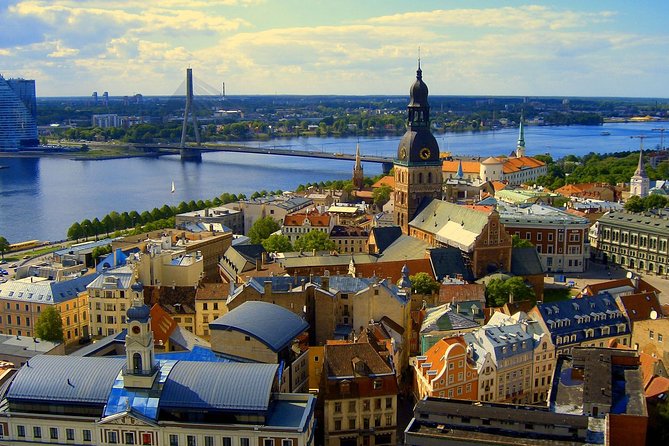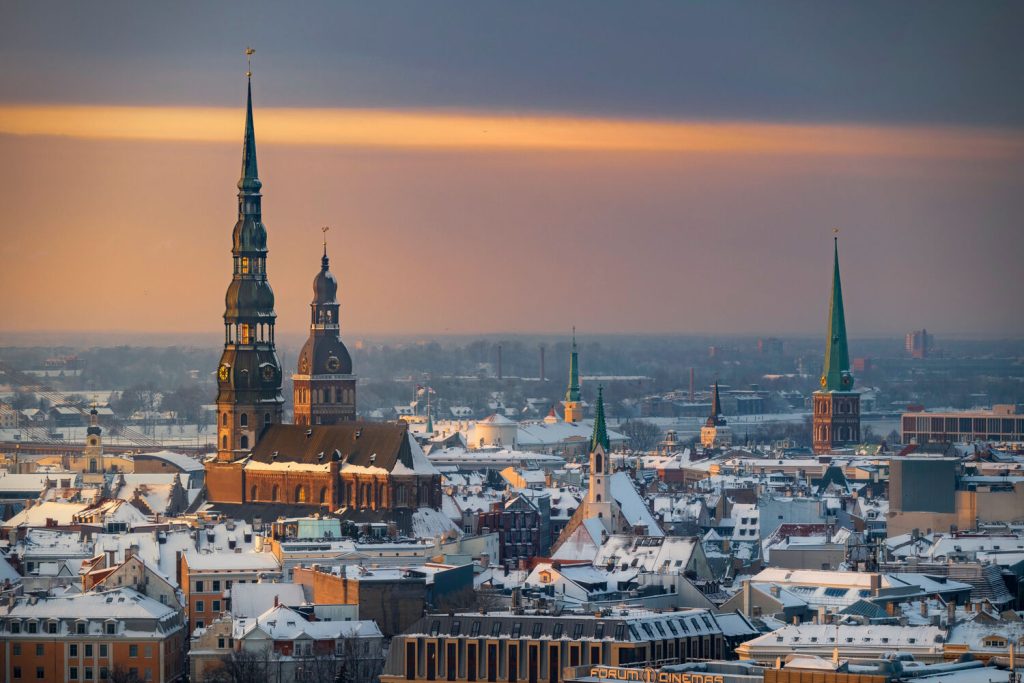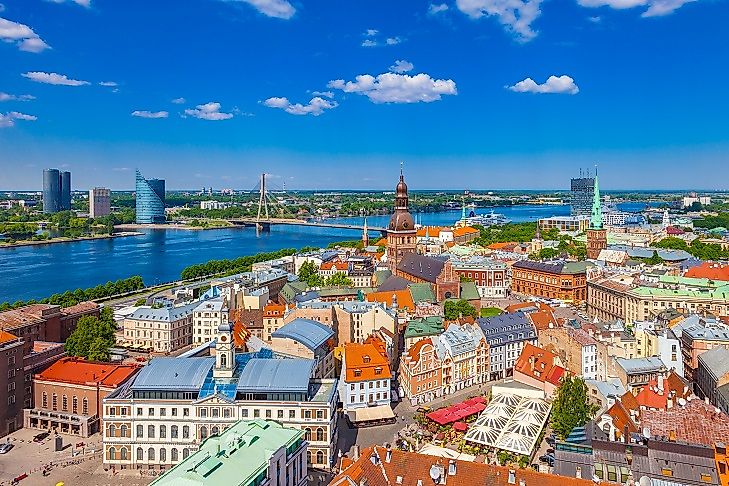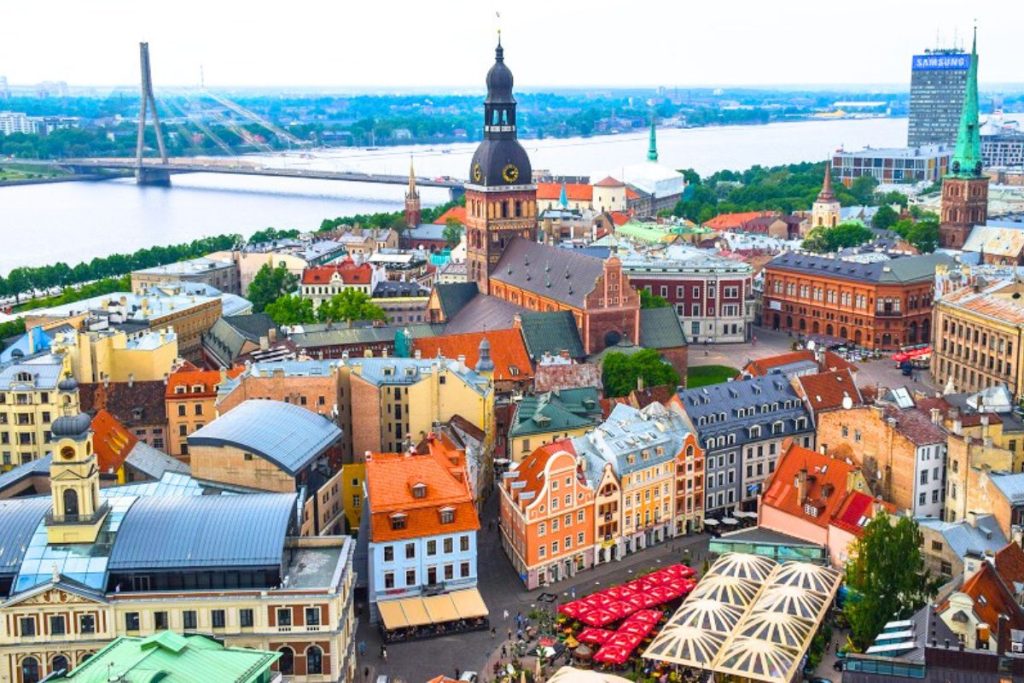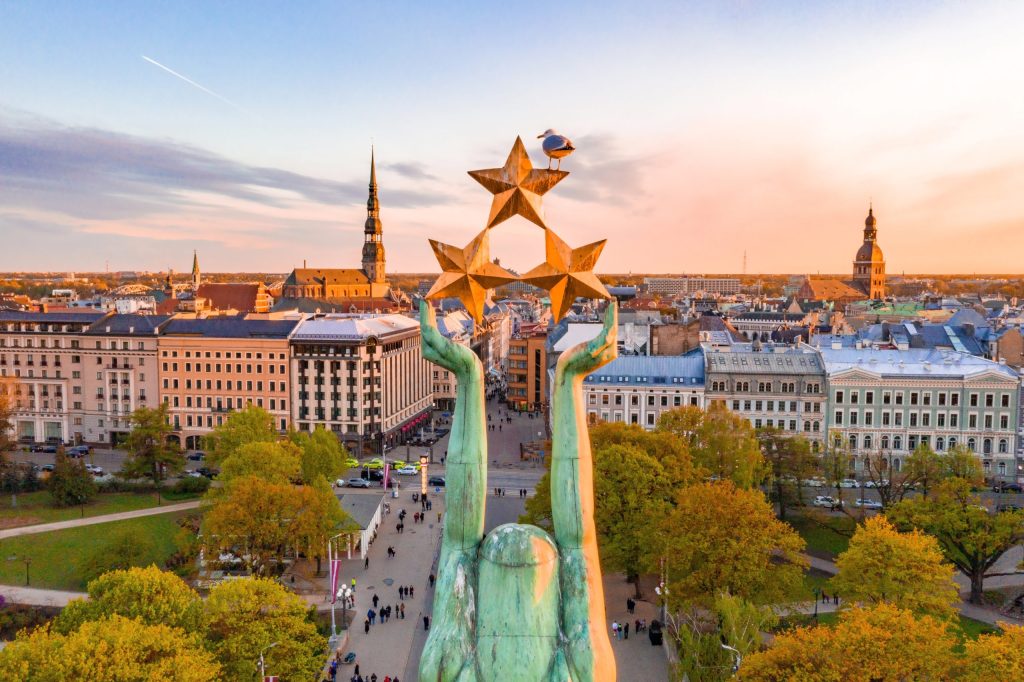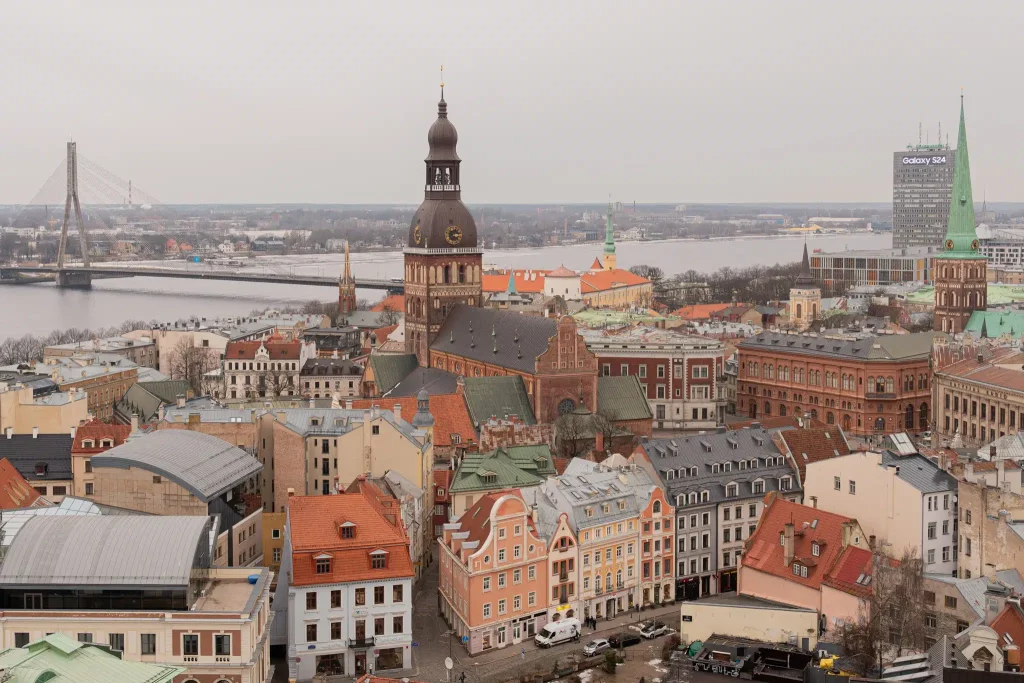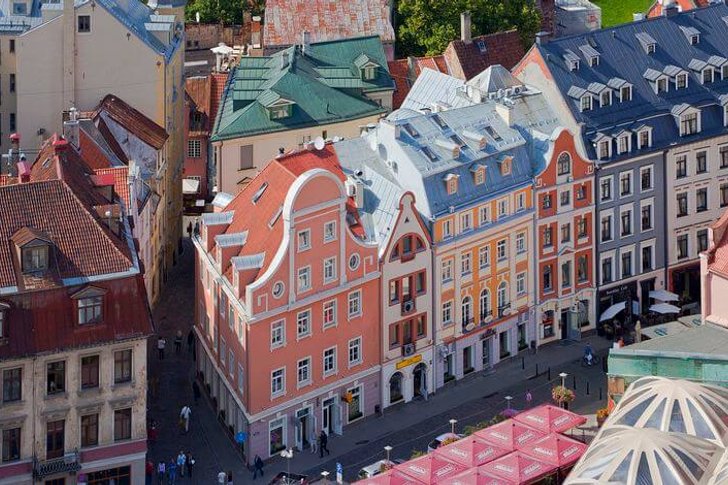
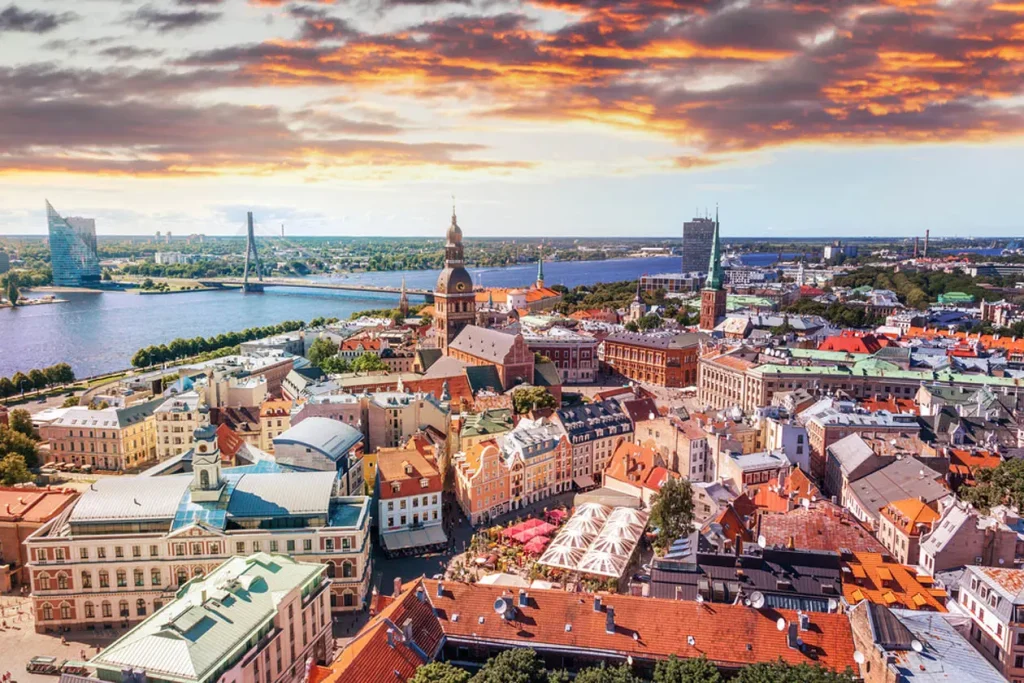
 Riga, the pearl of the Baltics, emerged on the shores of the Baltic Sea, at the mouth of the Daugava River. The river divides the city into two parts: the Old Town on the right bank, the New Town on the left. Riga’s attractions include both old and new achievements.
National Library of Latvia
The library is located on the left bank of the Daugava River, directly opposite Old Riga. Throughout its history, the Latvian library has moved from one location to another, changing approximately 30 buildings. It is now housed in a magnificent new building designed specifically for its needs.
Riga Central Market
Riga Market has become a favorite destination for many tourists. It consists of five enormous pavilions, which formerly served as hangars for airships, also known as zeppelins.
Riga Castle
Riga Castle was built by the Livonian Order on the site of the Hospital of the Holy Spirit in 1330. Throughout its history, the castle has been rebuilt many times. Currently, Riga Castle serves as the residence of the country’s president. The best way to admire the castle is from the Daugava embankment. The building has preserved architecture from various eras, giving it a unique appearance.
Riga Cathedral
The symbol of Riga and its main landmark is Riga Cathedral. Built in the 13th century, the Cathedral combines various architectural styles, including Gothic, Renaissance, Romanesque, and Baroque. Its main attraction is the ancient organ, installed here in 1883-1884.
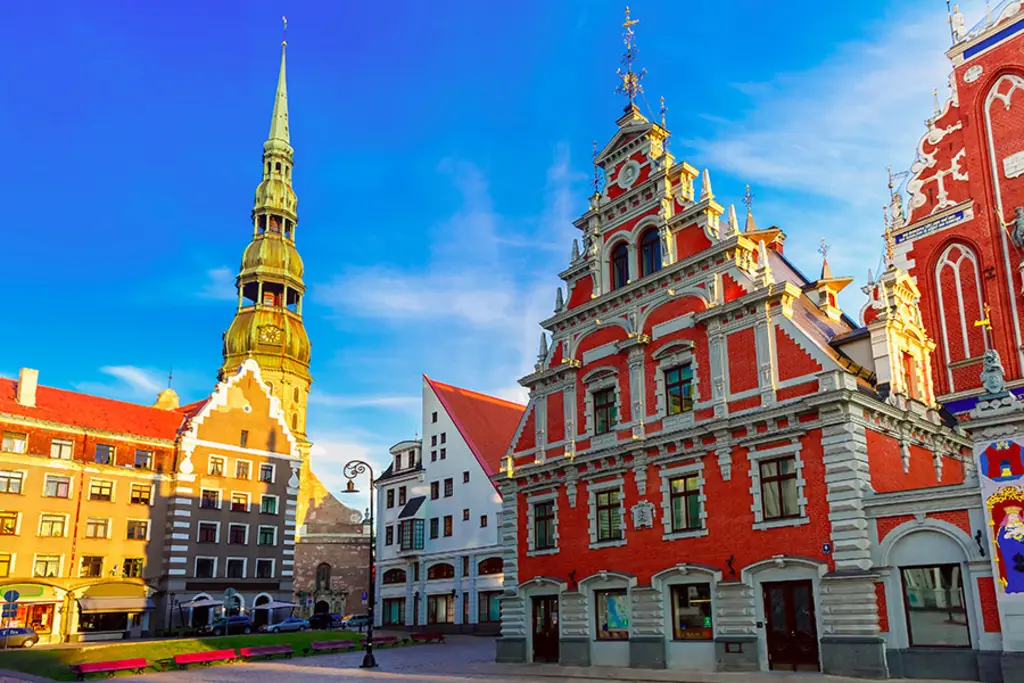
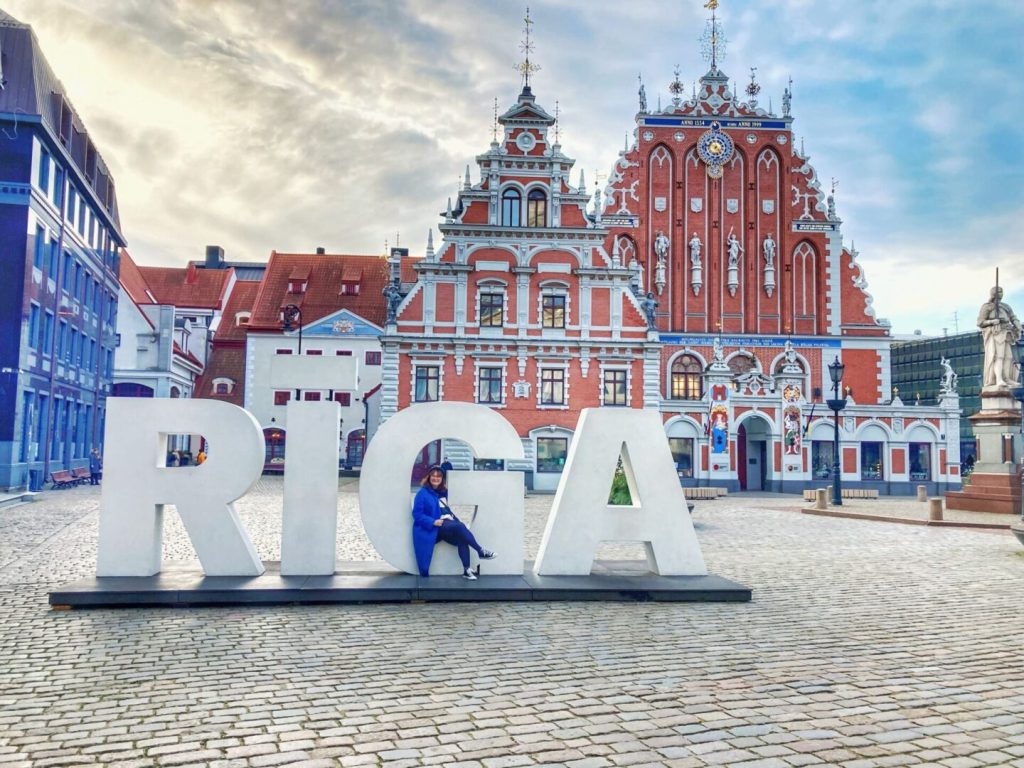
House of the Blackheads
The House of the Blackheads is located on Town Hall Square, opposite Riga City Hall, next to St. Peter’s Cathedral. Without a doubt, it is the most memorable building in the Old Town.
Rozena Street – the narrowest street in Riga
Between Šķuņu and Krāmu Streets in the Old Town lies the narrowest street in Riga – Rozena Street. It’s only 92 centimeters wide. This narrow street appeared in the 13th century. Back then, it was called Kuznechnaya (Blacksmith’s Street), based on the occupation of its residents. The street received its current name five centuries later, in honor of Bishop Rosen, who lived here.