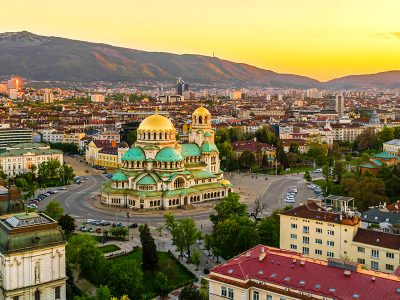
According to the official version, Rome was founded in 753 BC. It takes a long time to see all its sights, but the following are a good place to start.
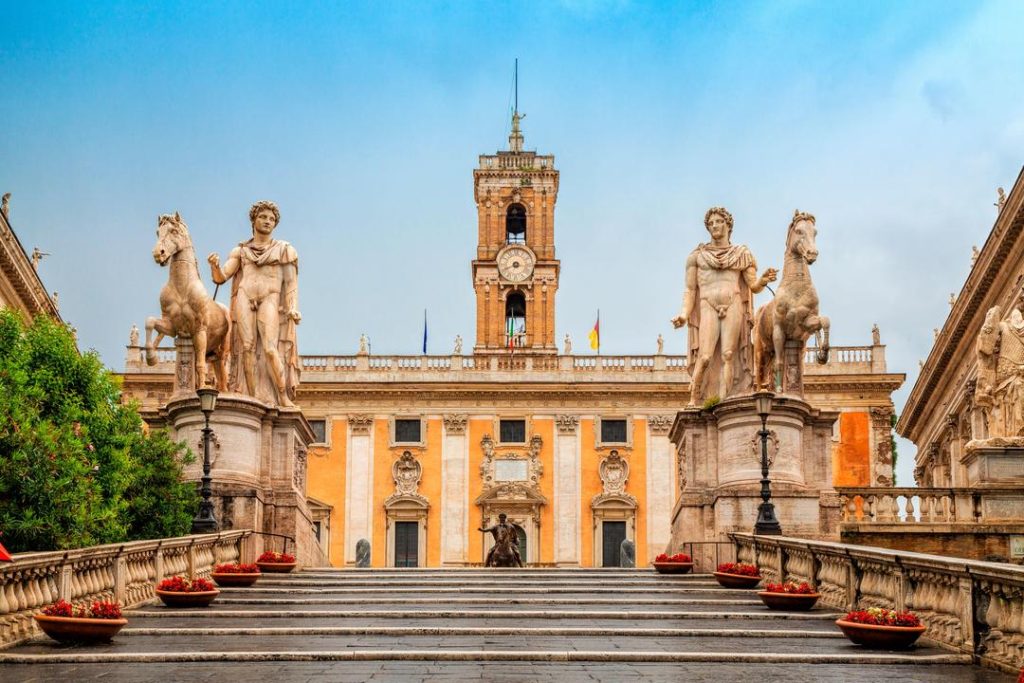 Capitoline Hill
This area is home to landmarks such as the Palace of the Senators and Conservatives, the statue of Emperor Marcus Aurelius, and the Palazzo Nuovo. Museums display porcelain, coins, ancient statues, and the Capitoline Wolf sculpture. A stroll around Capitoline Hill reveals numerous monuments from antiquity, the Middle Ages, and the Renaissance.
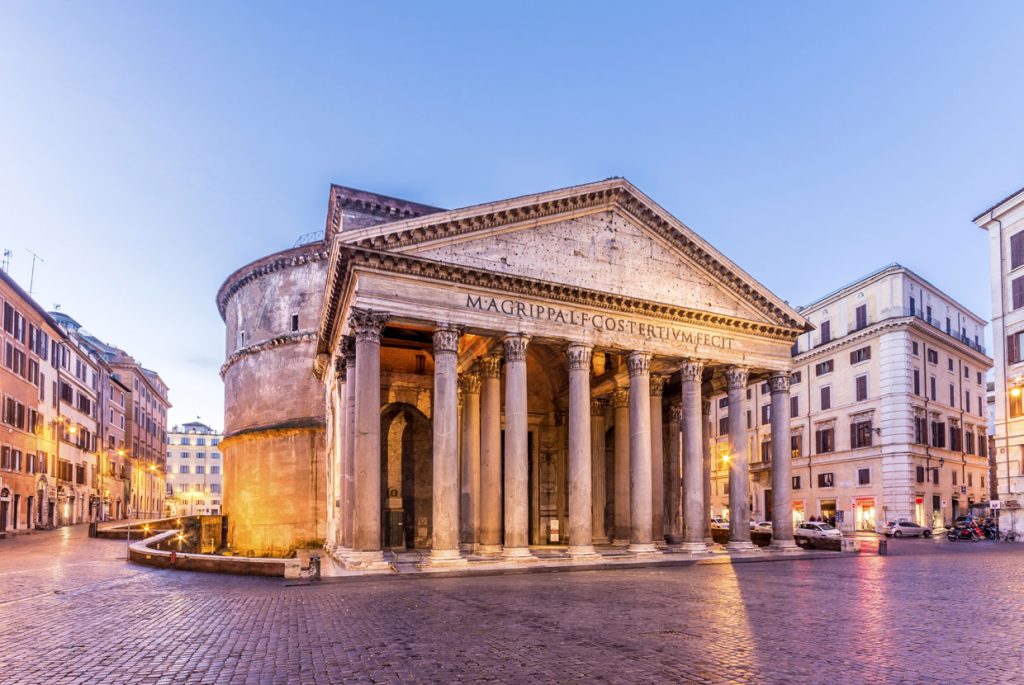 Pantheon
The Pantheon is a religious building dedicated to all the Roman gods. After Christianity came to Rome, the Pantheon was reconsecrated as a Catholic church. All famous Romans sought to be buried in this majestic structure. Raphael Santi was the first to receive this honor.
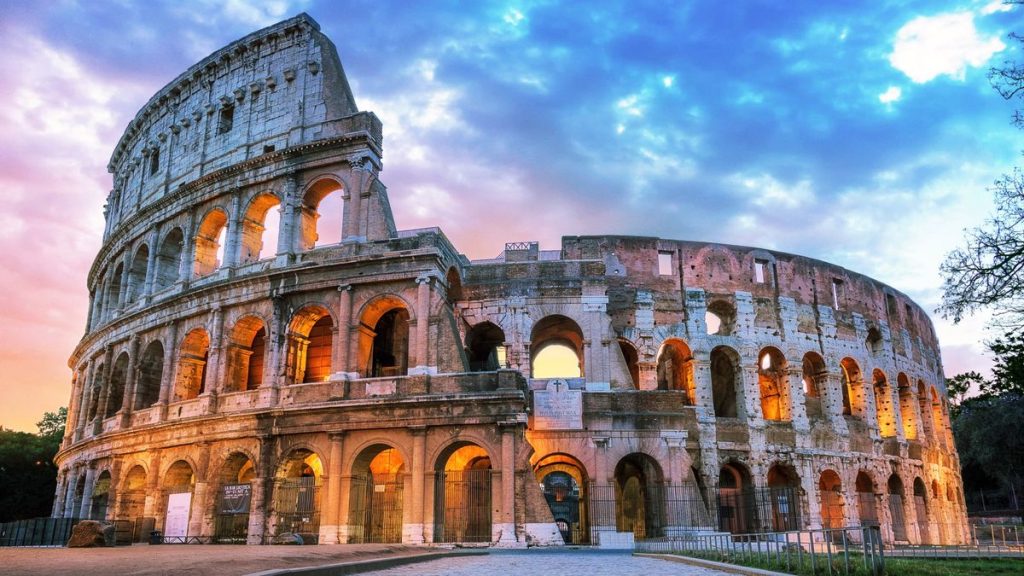 Colosseum
The Colosseum was the first entertainment center for all Romans. For entertainment, locals staged gladiator fights against each other and wild animals, and executed criminals, creating theatrical performances. Throughout history, the Colosseum’s labyrinths served as quarries and a saltpeter factory. Only in the 18th century did Pope Benedict XIV declare the site sacred, in memory of the thousands of Christians who perished. Today, the Colosseum has become a gigantic open-air museum.
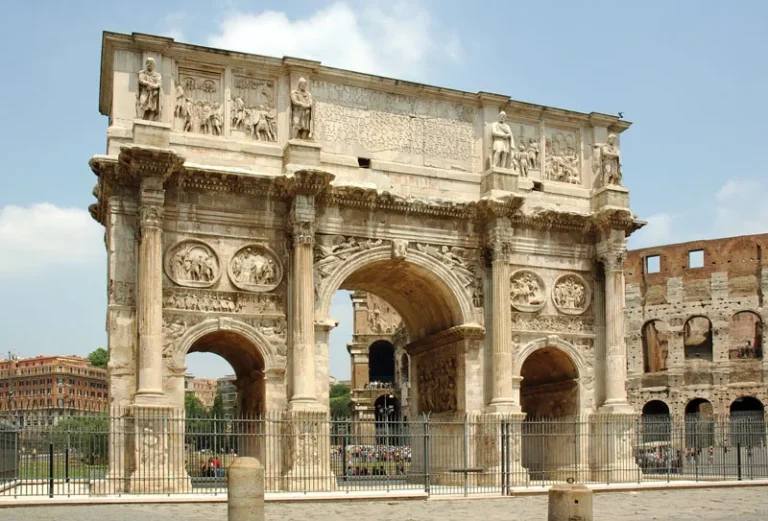
Arch of Constantine
The Roman Senate decided to commemorate Emperor Constantine’s victory over Emperor Maxentius in 312 AD, and just three years later, they built the Arch of Triumph, naming it in his honor. Constantine was also famous as the emperor who converted to Christianity. Today, it is a triumphal structure, with marble scenes depicting Roman history from various eras.
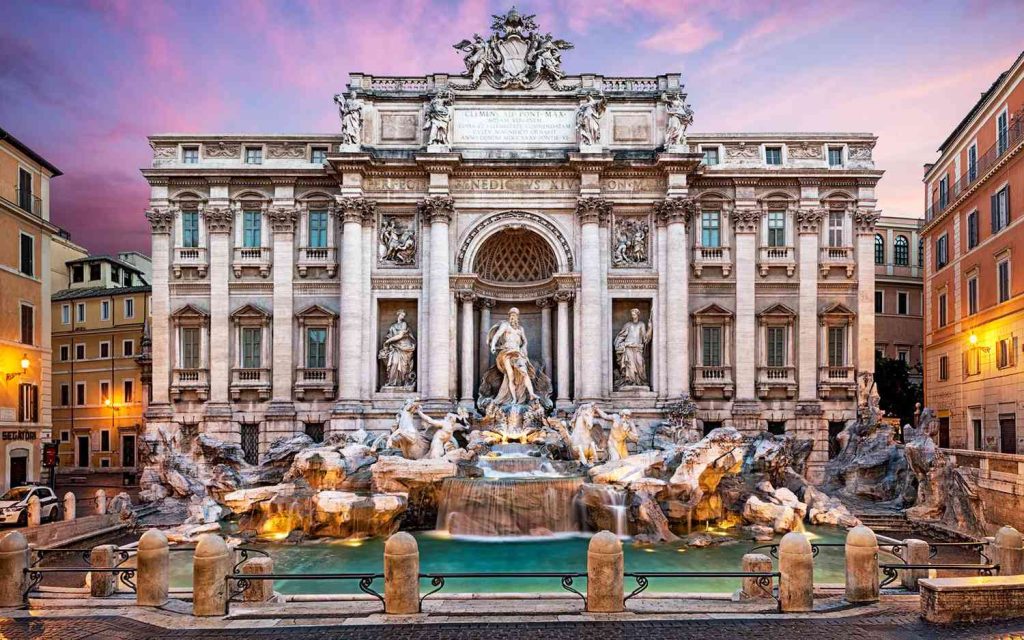 Trevi Fountain
The Trevi Fountain in its current form was built in Rome in the 18th century. Gian Lorenzo Bernini designed the fountain, but due to his death, he was unable to complete it. Nicola Salvi completed the work. The square’s name comes from the fact that three streets lead to it, creating a “three-way” square.