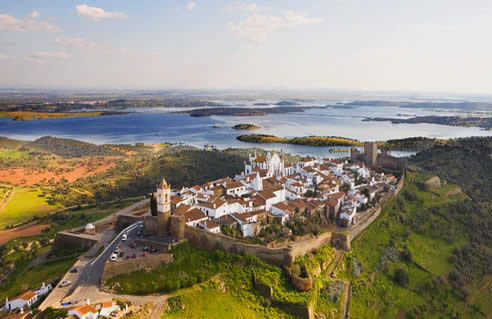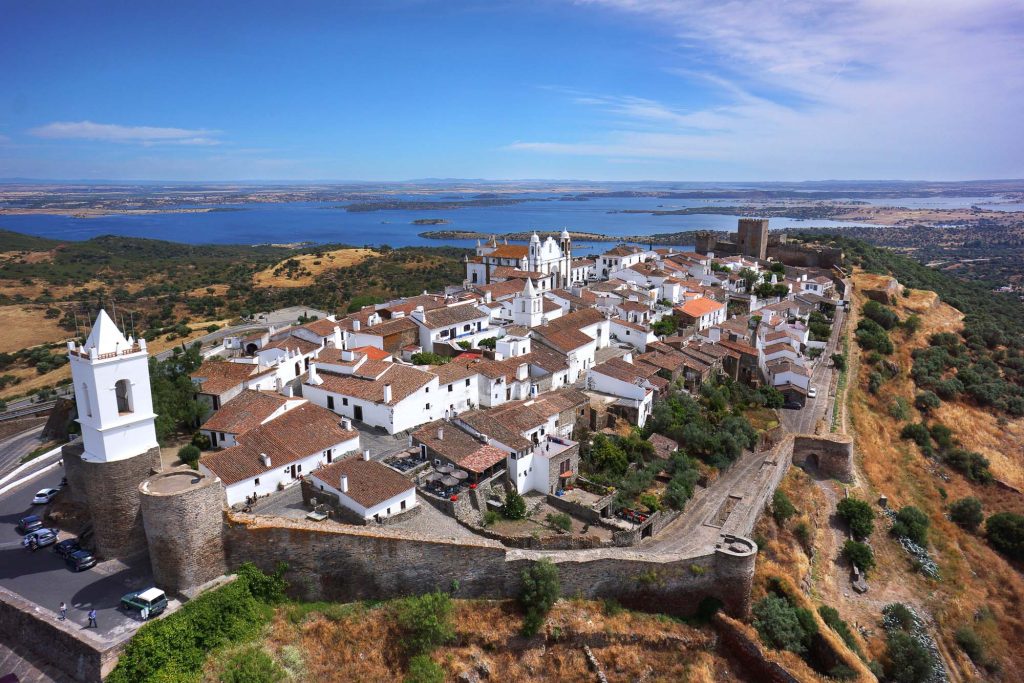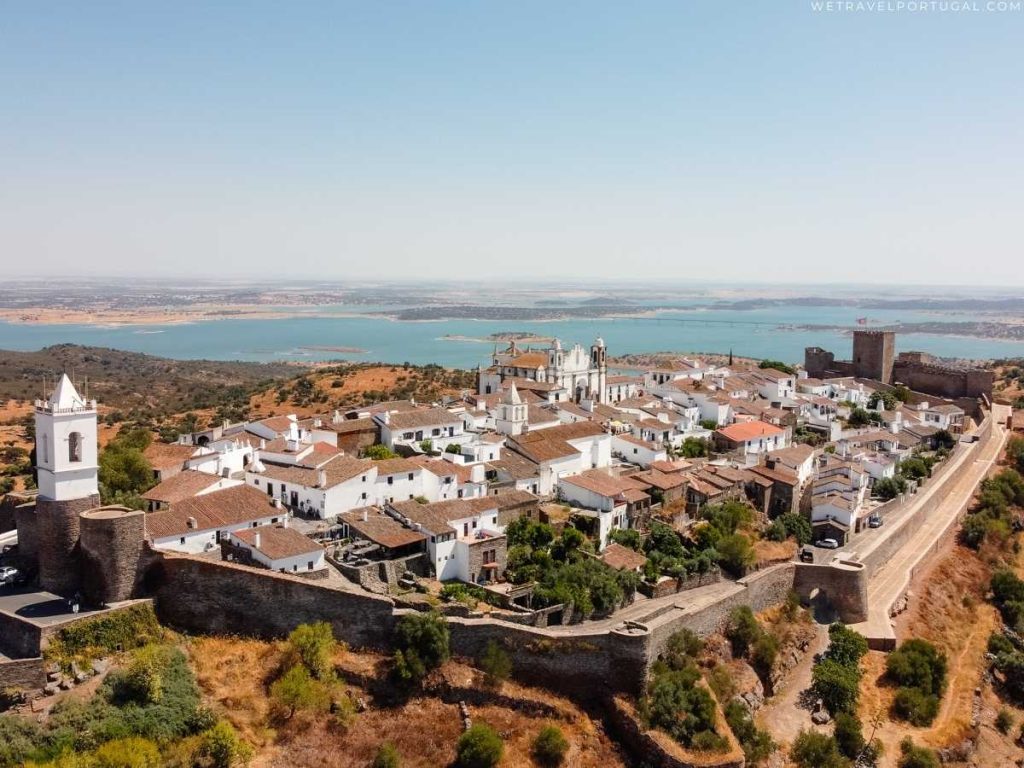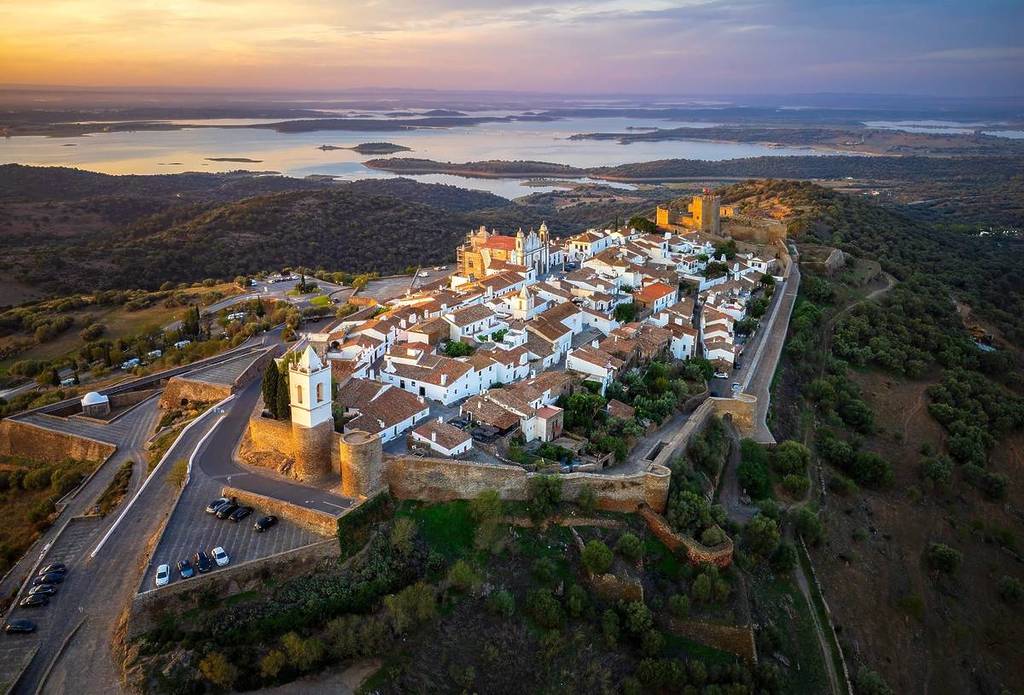
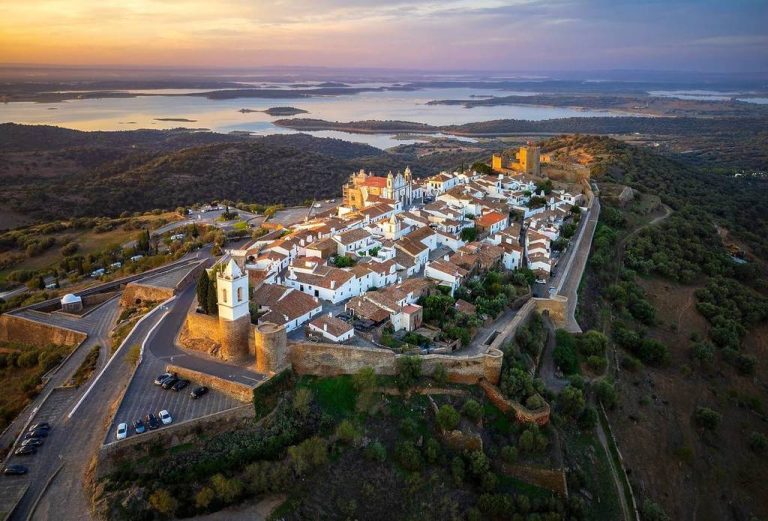
 The hill on which Monsaraz is located, thanks to its geographical location, has attracted settlers since prehistoric times.
But the most beautiful part of its history began in the 8th century, when Muslims conquered much of the Iberian Peninsula. They renamed the settlement Saris and placed it under the rule of Badajoz, which was one of the largest and most important centers of Arab culture at the time.
In 1167, Monsaraz was briefly recaptured by Christians, but it was only in 1232 that the city finally returned to the Spanish and Portuguese with the help of the Knights Templar.
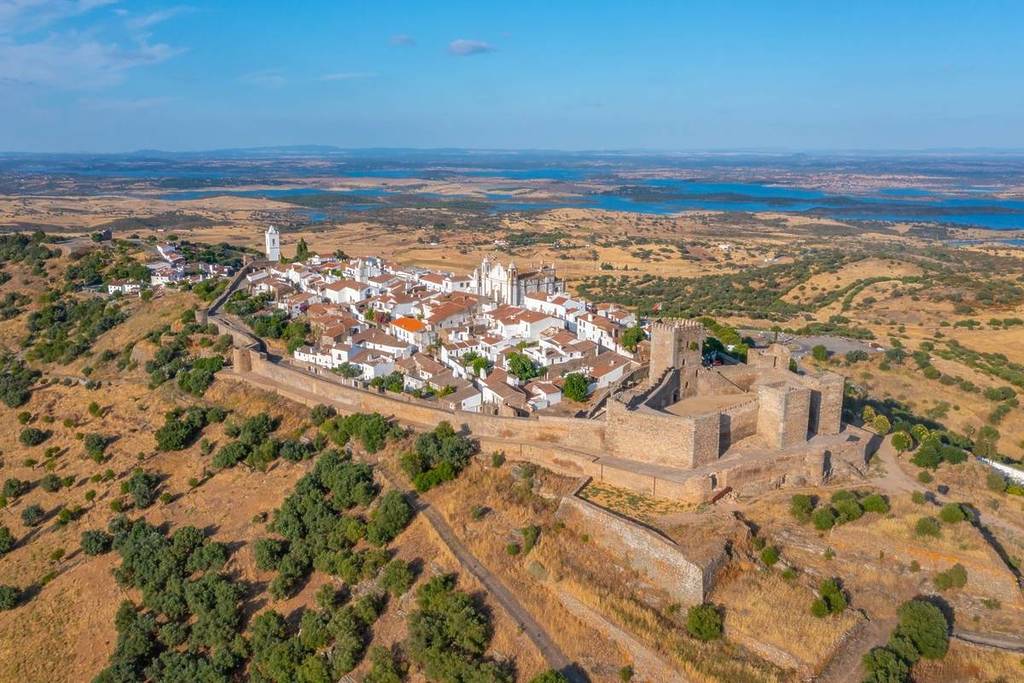
In the 14th century, the Braganza family came to rule Monsaraz, and the city became one of the most valuable in Portugal. At the beginning of the 16th century, construction began on an impregnable fortress. During this time, the city flourished thanks to its crafts and winemaking. But in the 20th century, the city fell into a state of crisis, from which it emerged only in recent years, thanks to visiting tourists.
What to see in the city
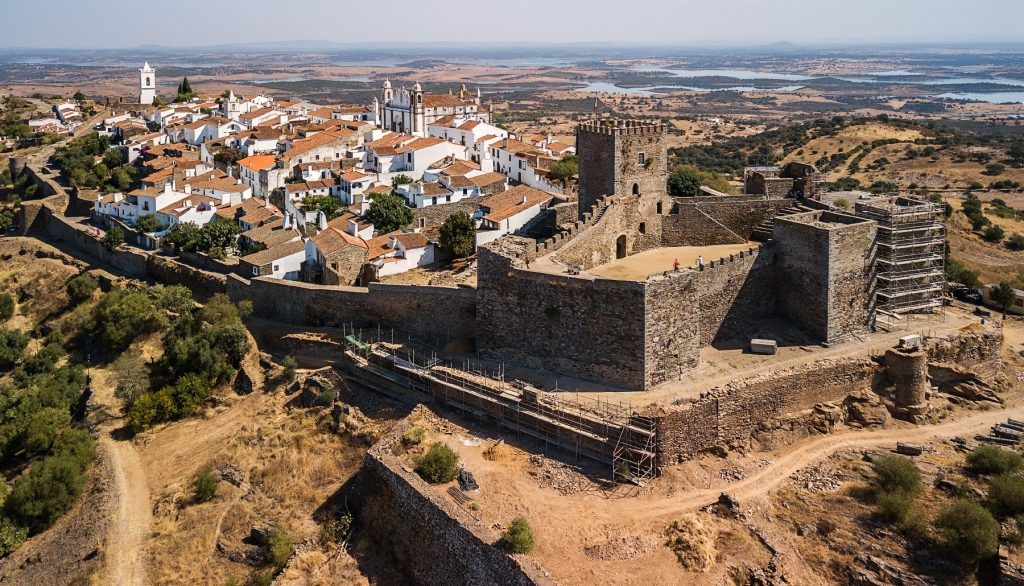
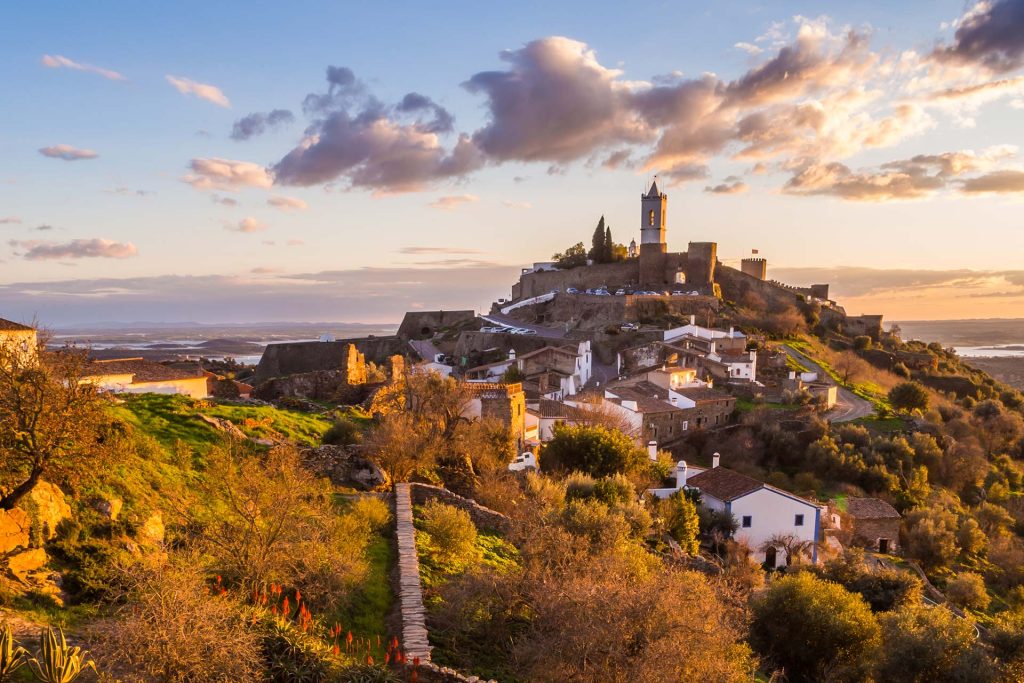
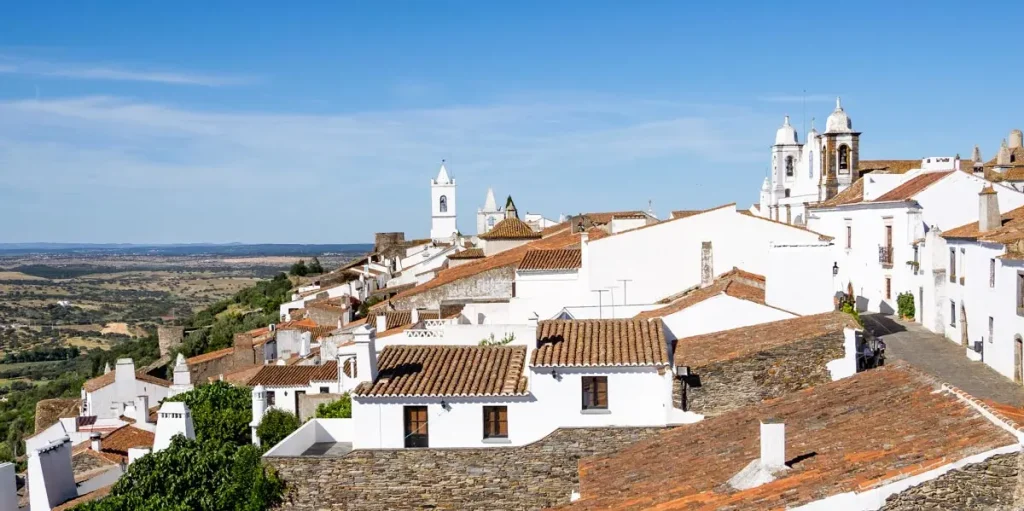
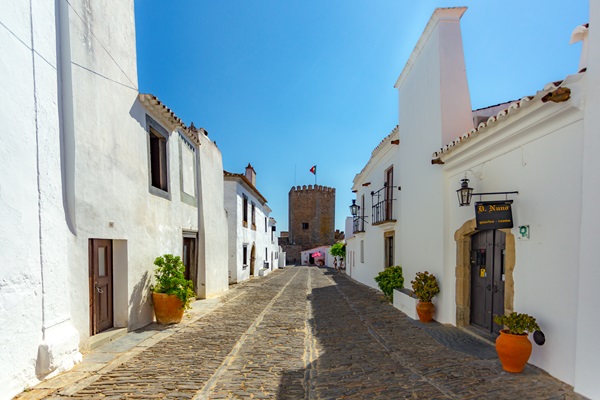
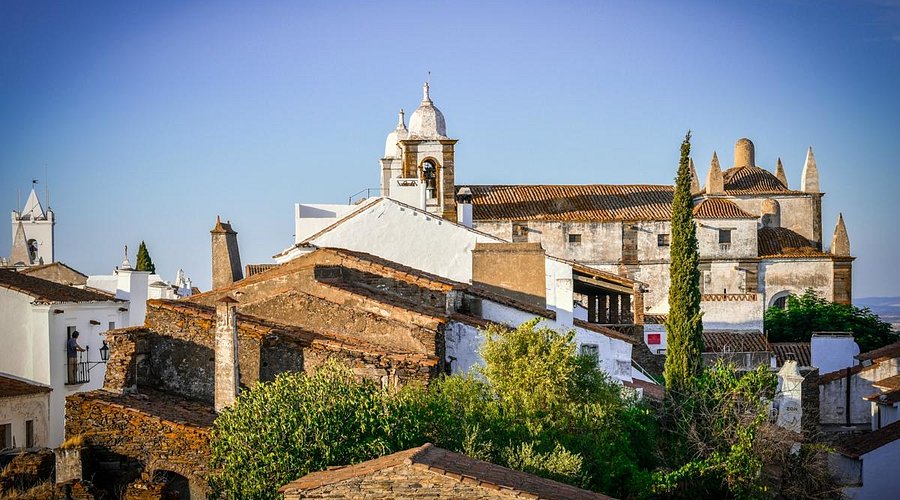
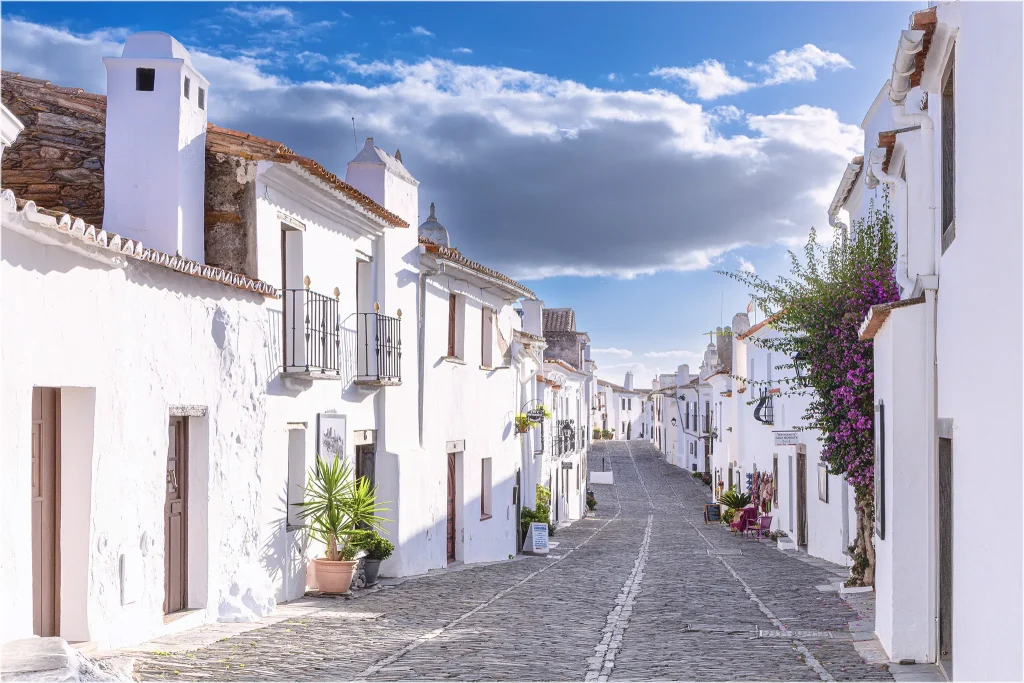
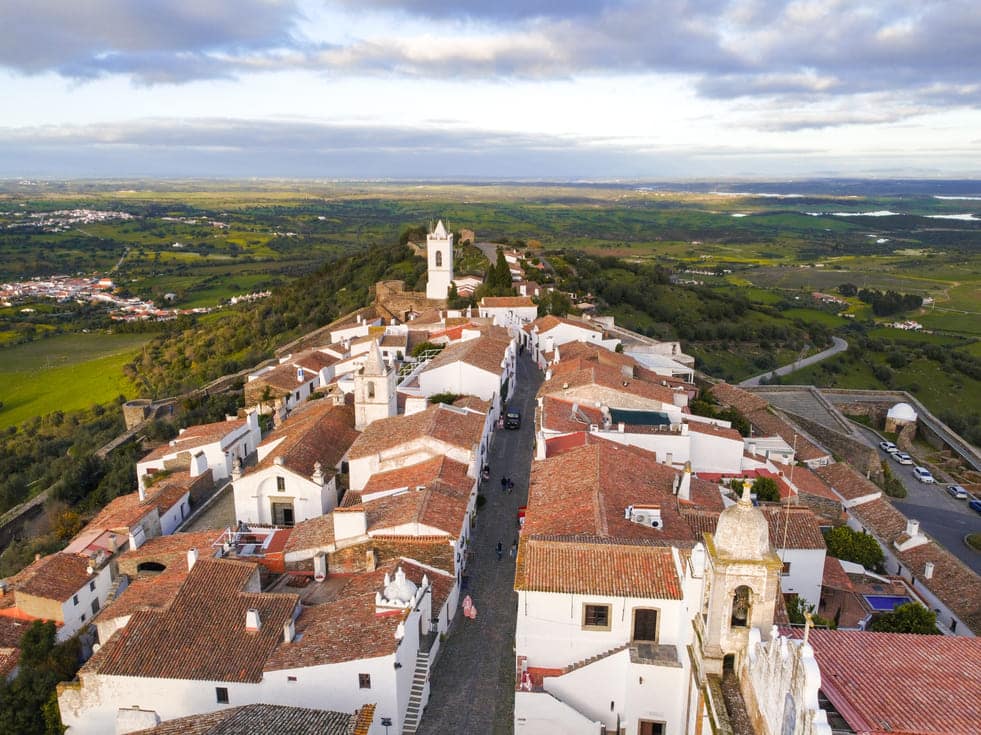
The main attraction of the small but picturesque Monsaraz is its castle. It is built as a quadrangular fortress with towers, a keep, and internal buildings. The castle can be entered through one of four gates: Vila, Évora, Cisterna, and Alcoba. The gates themselves have a pointed arch with semi-cylindrical towers and a clock. The walls are built of a mixture of granite and red clay. Also in Monsaraz, be sure to visit the Church of Santa Maria da Lagoa, built in the Romanesque style. The church is known for its fortifications and sparse details. Stroll the few streets near the castle and enjoy the views of the surrounding countryside.
There are few hotels in Monsaraz, especially in the historic center. However, it’s still possible to make a day trip here from larger cities.
The local cuisine is renowned for its herb, bread, and olive flavors, abundant goat or sheep cheese, and black pork. In local restaurants and cafes, be sure to try migas crumbles with wild asparagus and eggs, various dishes with partridge, wild boar, rabbit, and hare, lamb stews, bean soups, as well as a variety of wines, soups, and monastic sweets, which often include eggs, sugar, almonds, and walnuts.