The village of Riquewihr takes its name from a winegrower who lived in these lands as early as the 8th century. However, the name was somewhat different in earlier references – for example, in documents from the mid-11th century, the town of Riquewihr was referred to as Ricovilare.
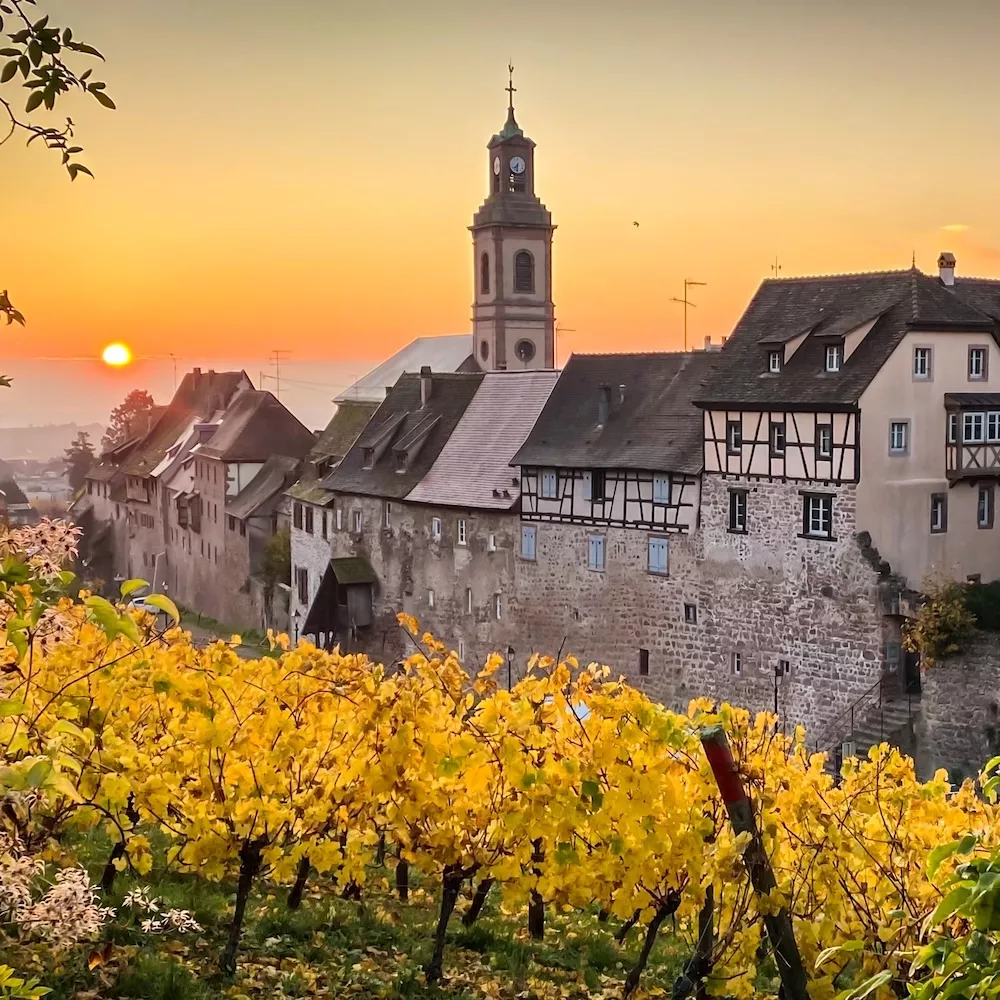
Riquewihr was owned by various aristocratic families until the end of the 13th century, when it was conquered by Count Rudolf of Habsburg, who a few years later became King of Germany and the first Habsburg to the throne of the Holy Roman Empire. Rudolf of Habsburg destroyed the fortress, Riquewihr’s main stronghold, but later other members of the Habsburg dynasty built fortifications around the town.
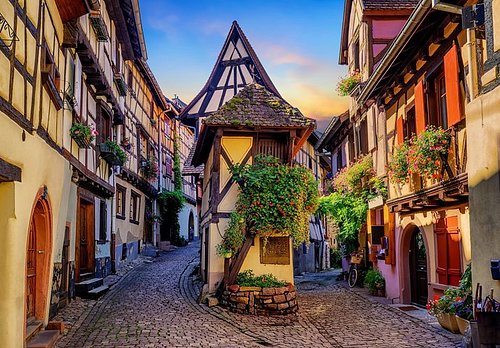
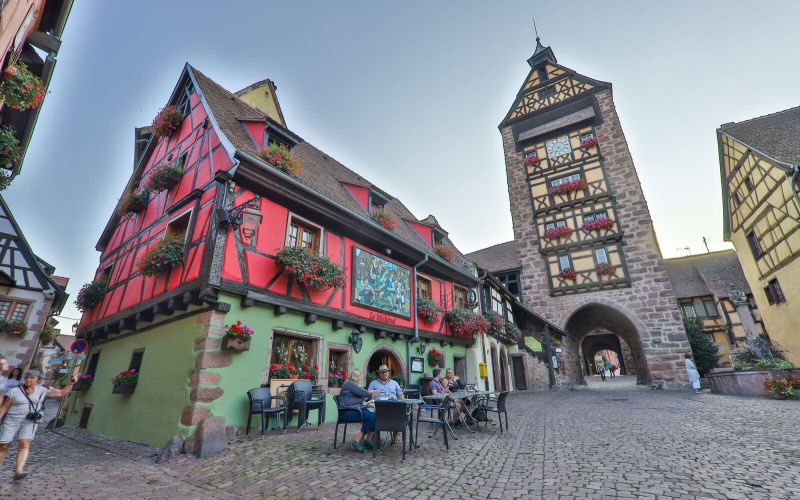
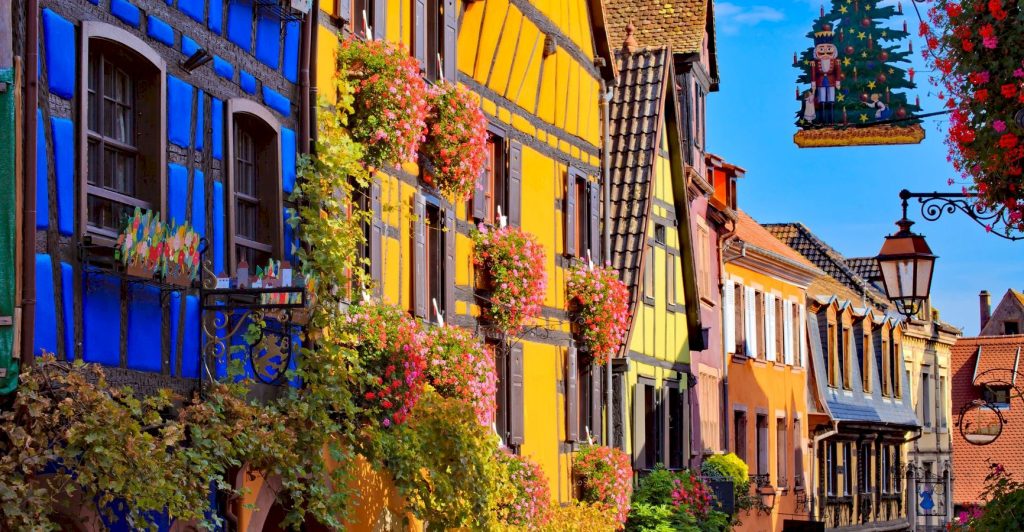
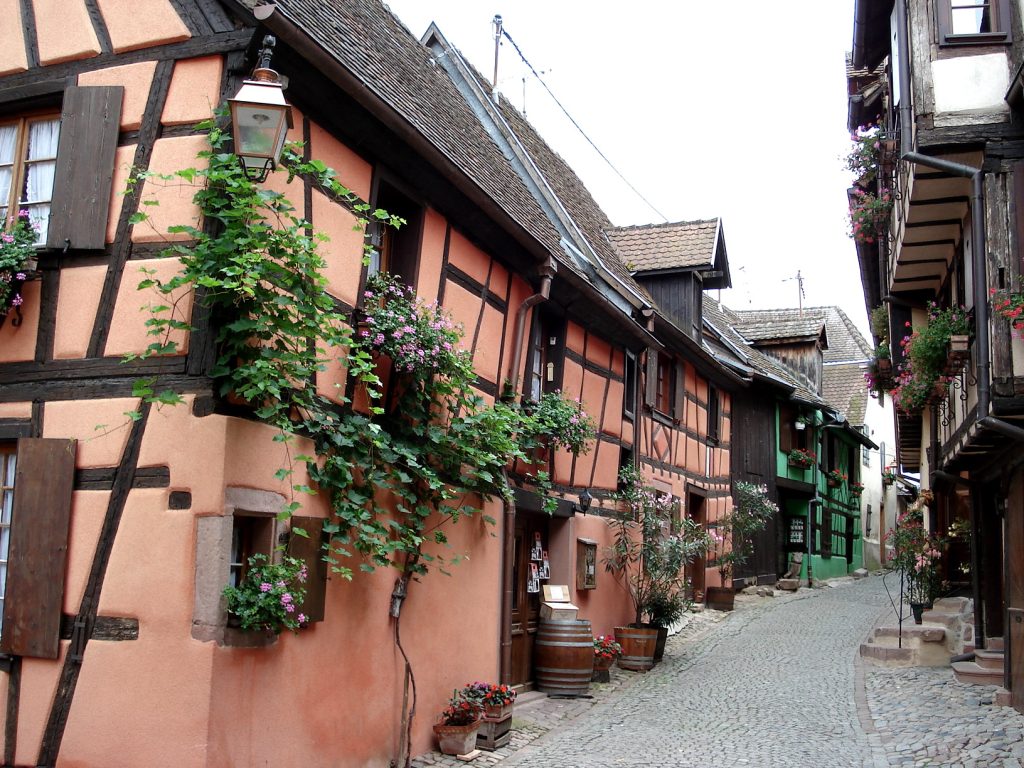
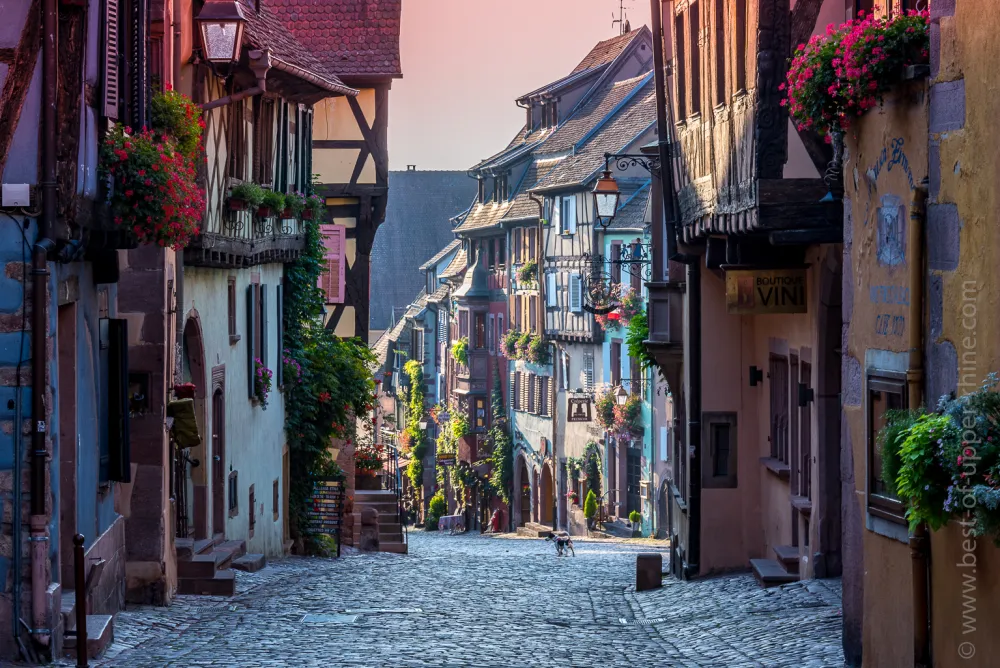
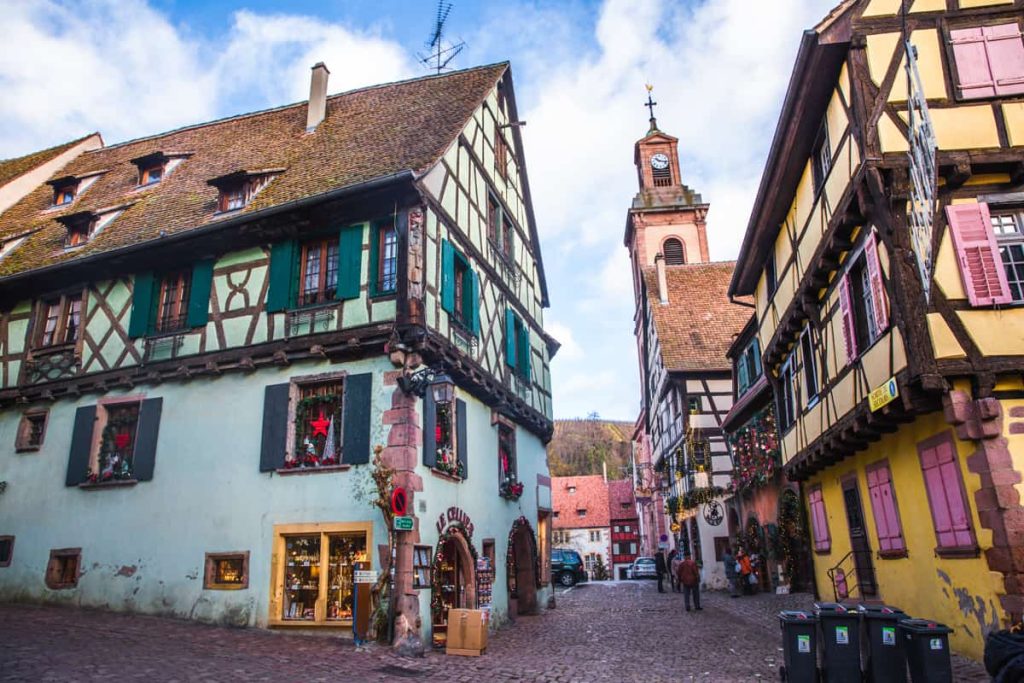
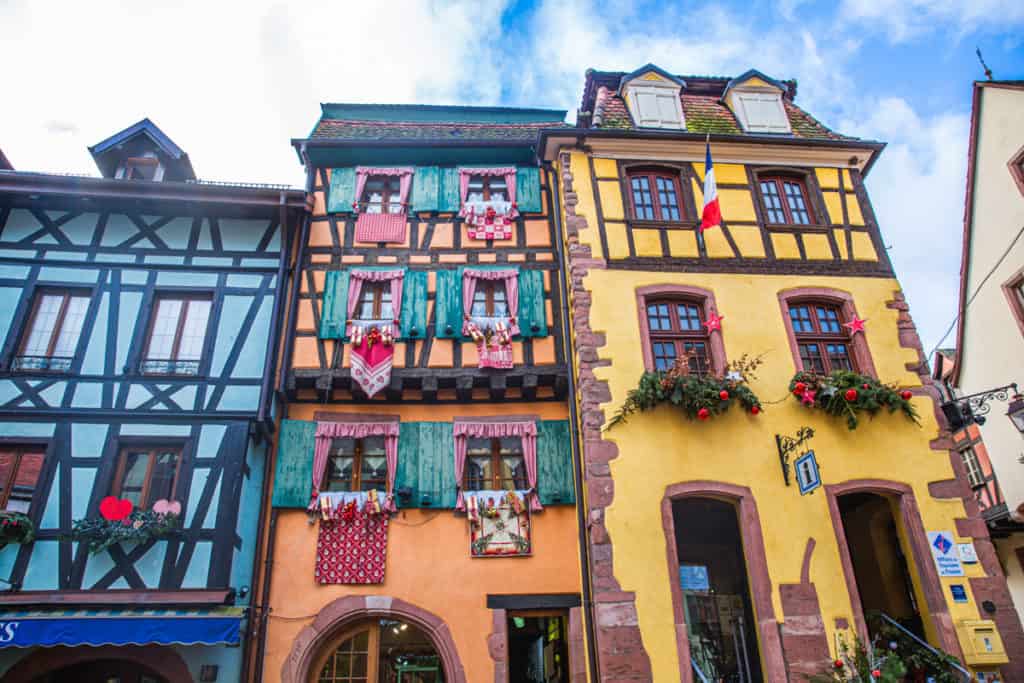
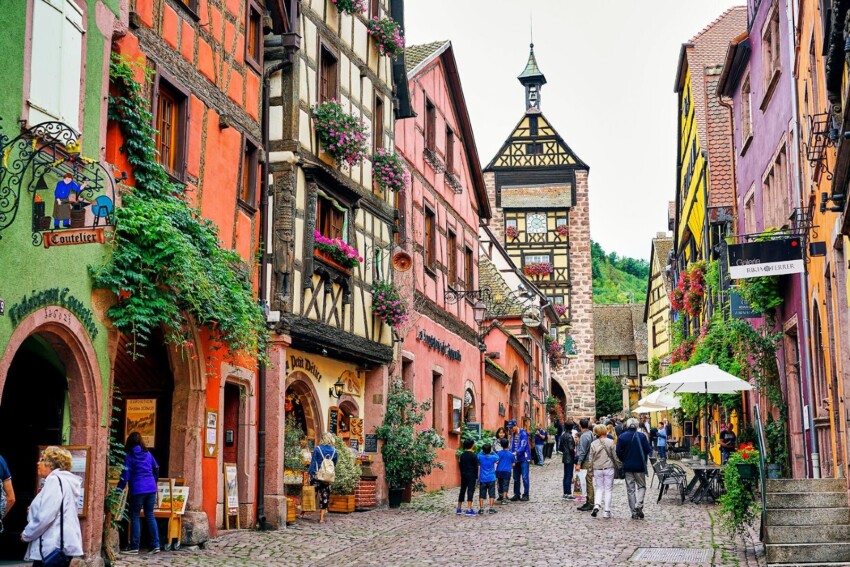
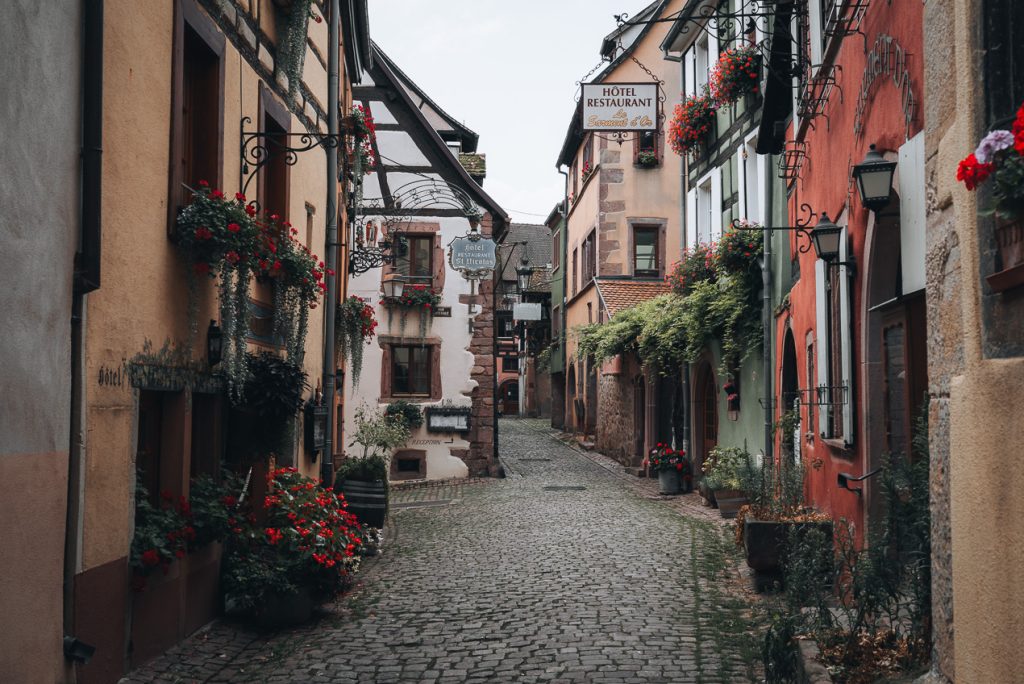
In 1324, the town passed into the possession of the Wüttenburg family. But at the end of the 18th century, the Riquewihrers supported the French Revolution and expelled the aristocrats who ruled them. Riquewihr’s main buildings are stone and half-timbered houses, with the stone houses being built by the wealthiest citizens. The half-timbered houses were decorated with carved wooden ornaments, and emblems indicating the owner’s affiliation with a particular craft guild were also placed on the houses of the Riquewihrers.
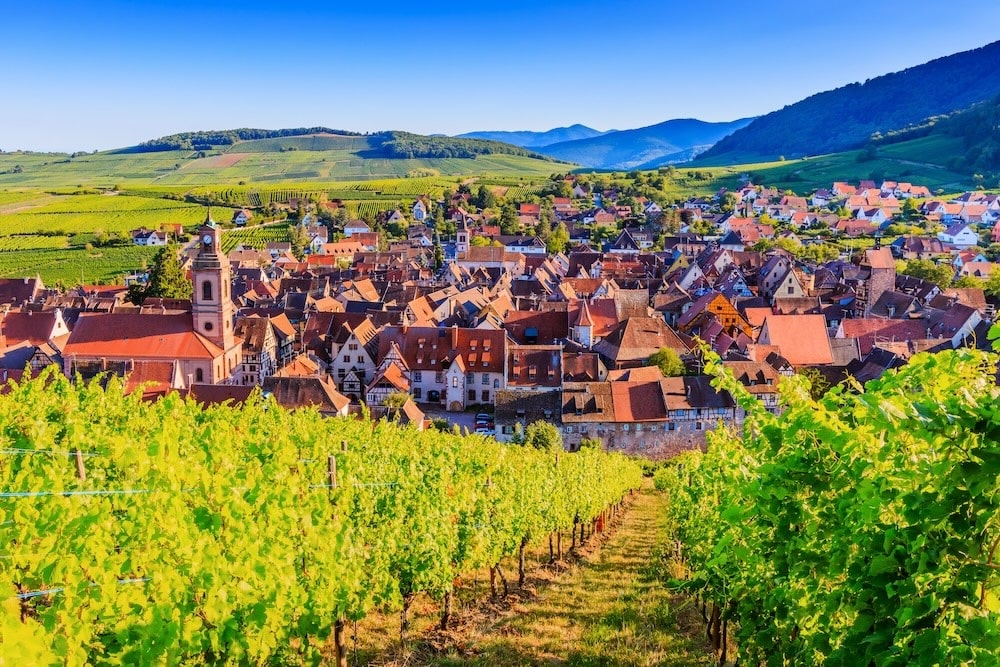
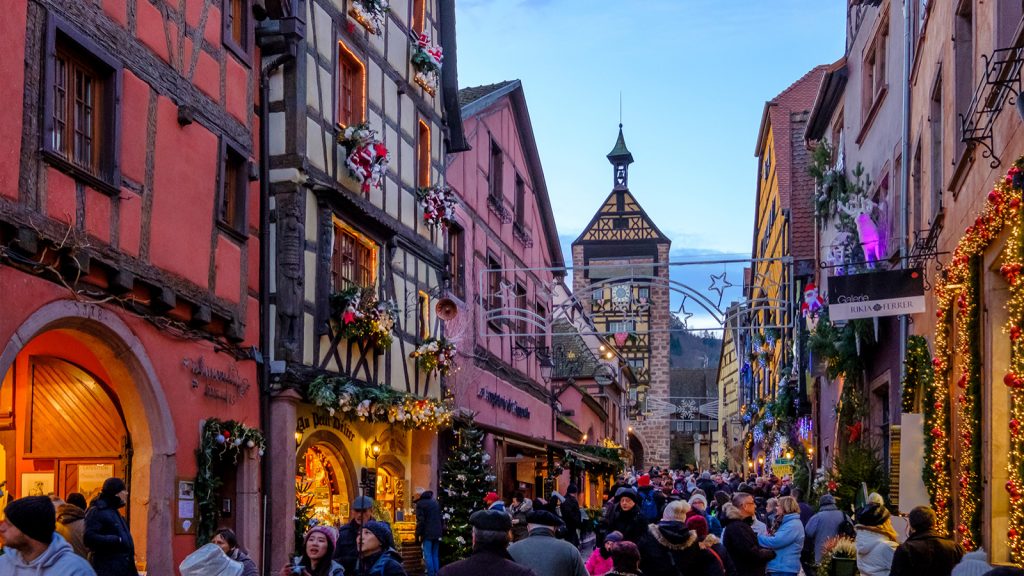
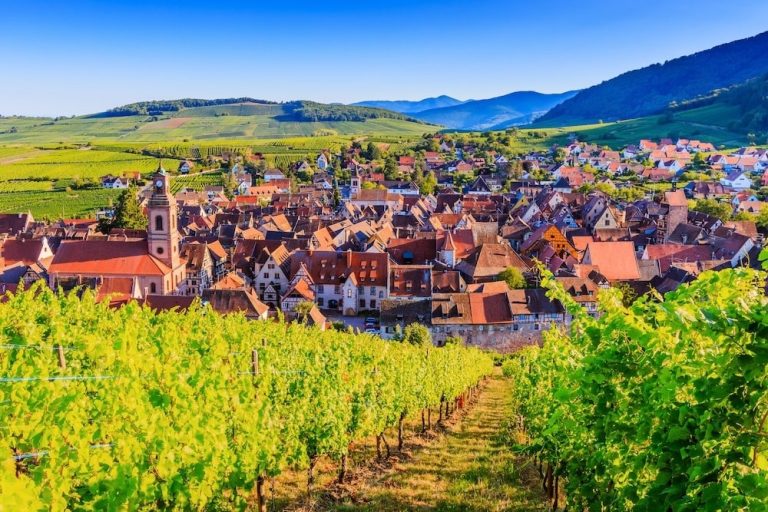
The Place des Trois-Churches contains three churches. Two of them—Notre-Dame and Saint-Erard—were built in the 14th century, while the parish church of Sainte-Marguerite was built between the 12th and 15th centuries. Riquewihr also retains its 13th-century fortifications, including corner towers, gates, and walls. In the 16th century, a new palace was built for the Dukes of Württemberg-Montbéliard. After the Revolution, it was used as a school; today, the building houses a museum.
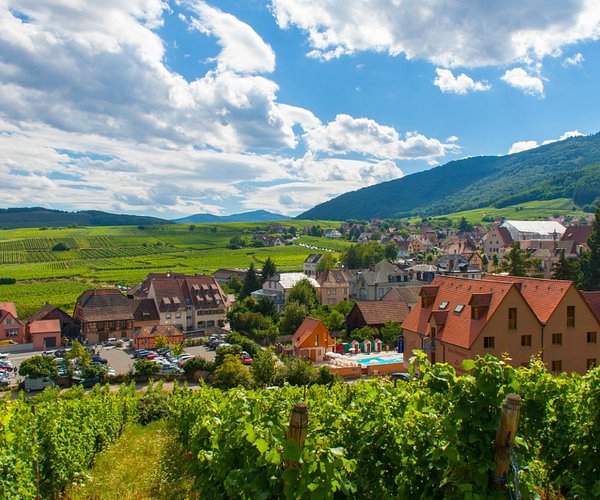
Thanks to its historic buildings, Riquewihr has been included in the association “The Most Beautiful Villages of France,” and thanks to its winemaking traditions, it’s on the popular tourist route “The Alsace Wine Route.” One of the neighboring towns is Colmar.