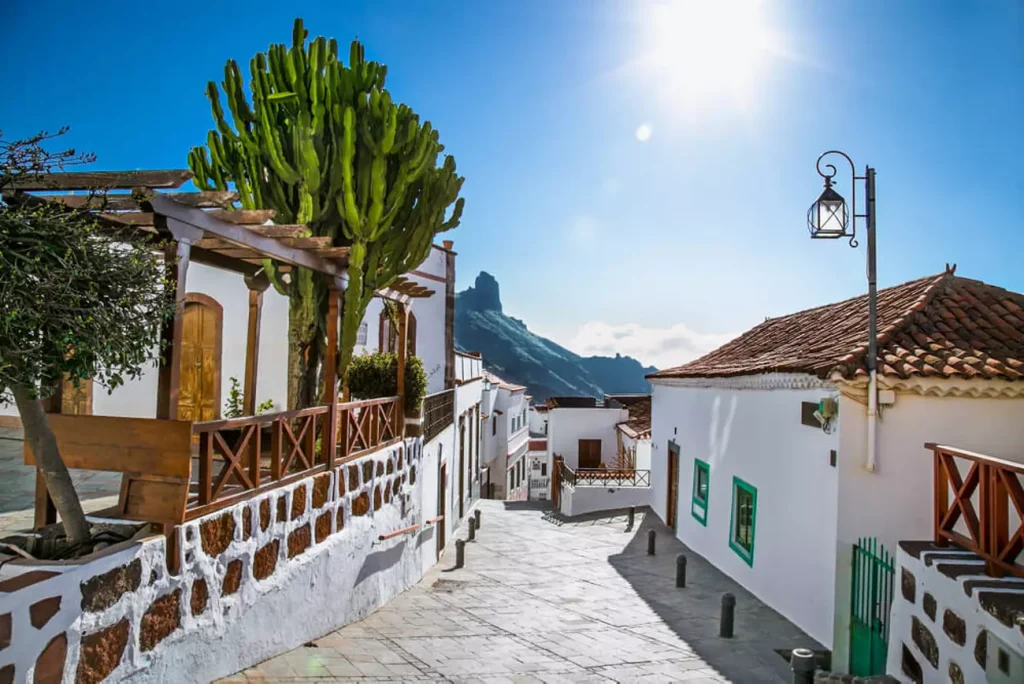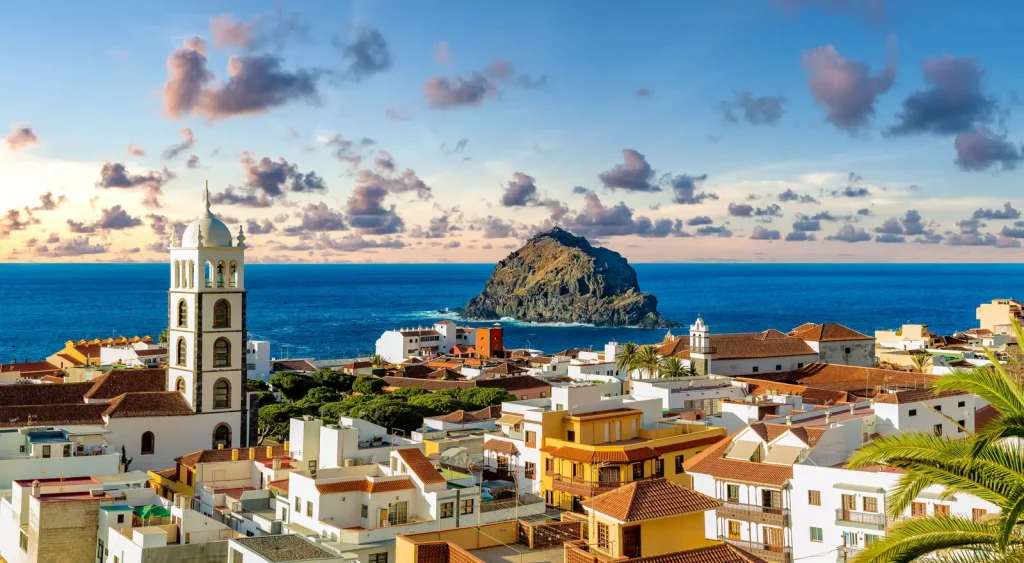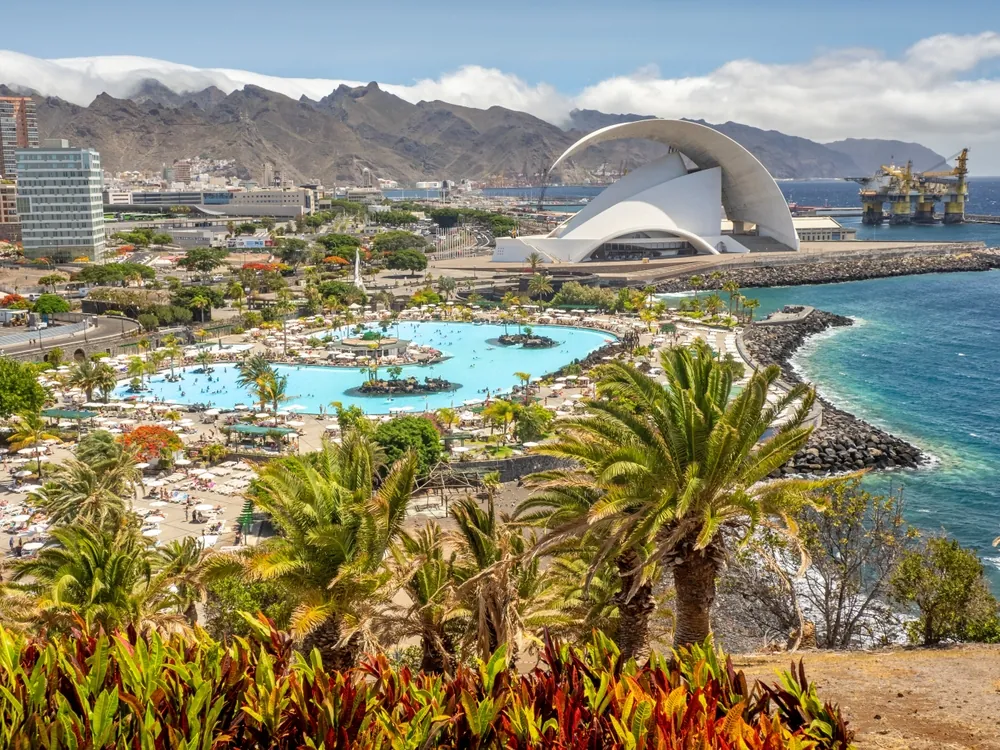
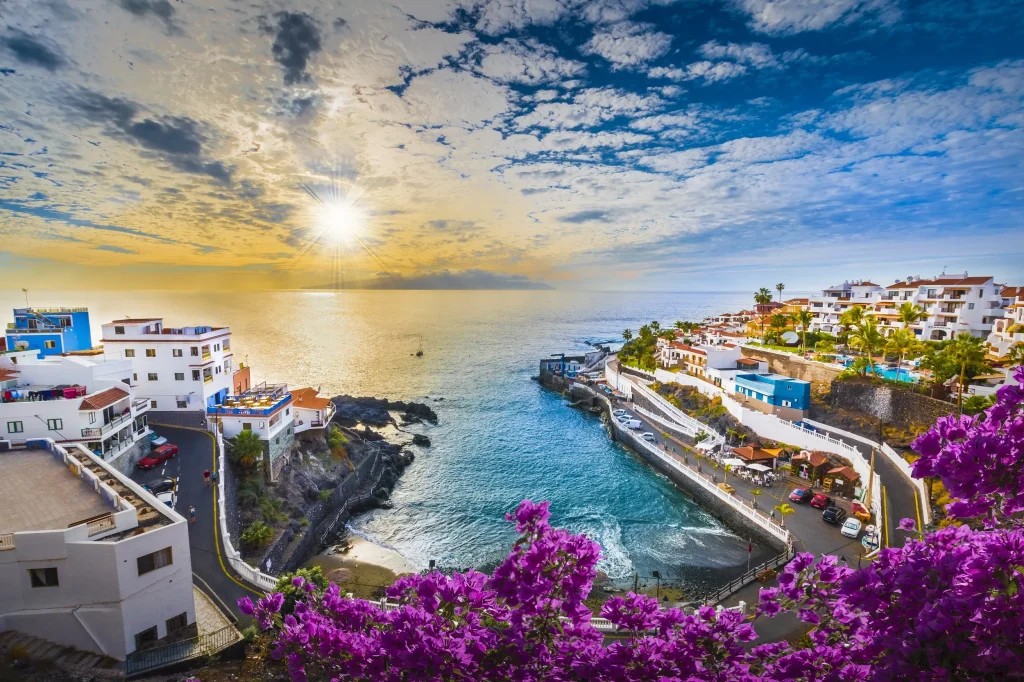
 The Canary Islands are an archipelago of volcanic islands located in the Atlantic Ocean. They were the last stop for Columbus before discovering America. Many countries fought over the archipelago for centuries, but the Canaries remained under Spanish control.
Which islands are part of the Canary Islands?
The Canary Islands archipelago consists of seven large islands and several smaller ones. The inhabited islands include:
- Lanzarote,
- Hierro,
- Palma,
- Tenerife,
- La Gomera,
- Gran Canaria, and
- Fuerteventura.
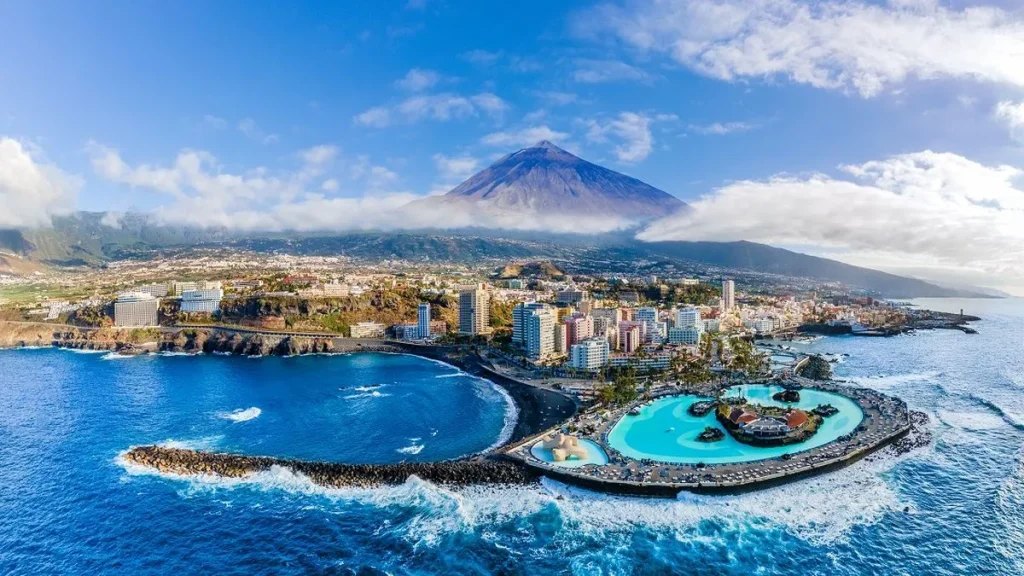
Tenerife is the largest and most populous island with a well-developed tourist infrastructure. It is also home to Spain’s highest peak, Mount Teide.
Climate and Weather in the Canary Islands
One of the advantages of the Canary Islands is their unique climate: moderately hot and dry. Throughout the year, the water temperature never drops below 20°C, and the sun shines most days. Due to their excellent weather, the Canary Islands are known as the islands of eternal spring.
Nature of the Canary Islands
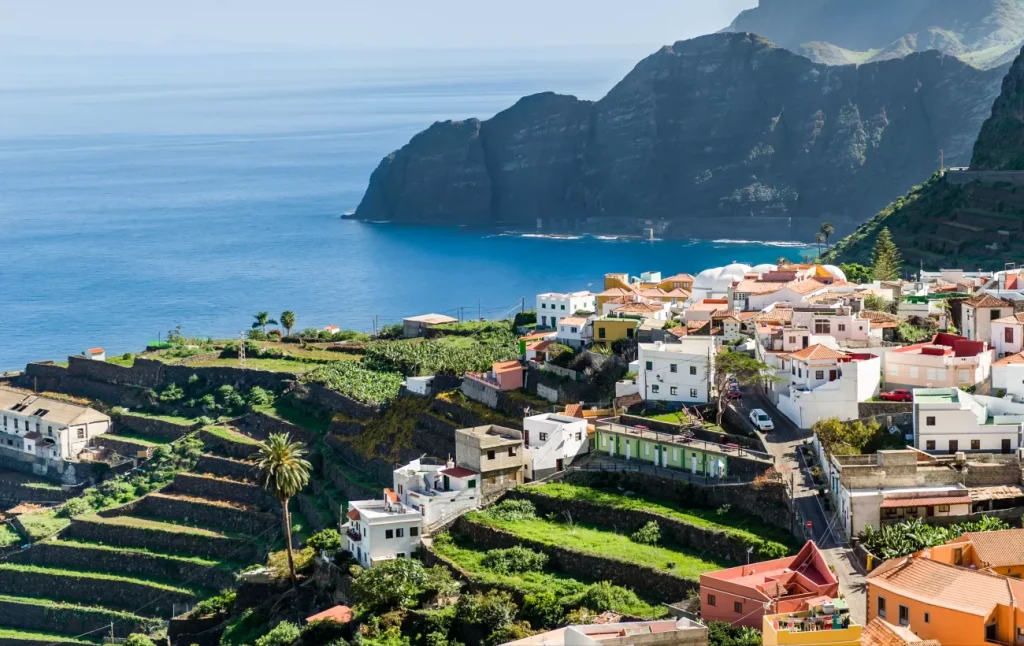
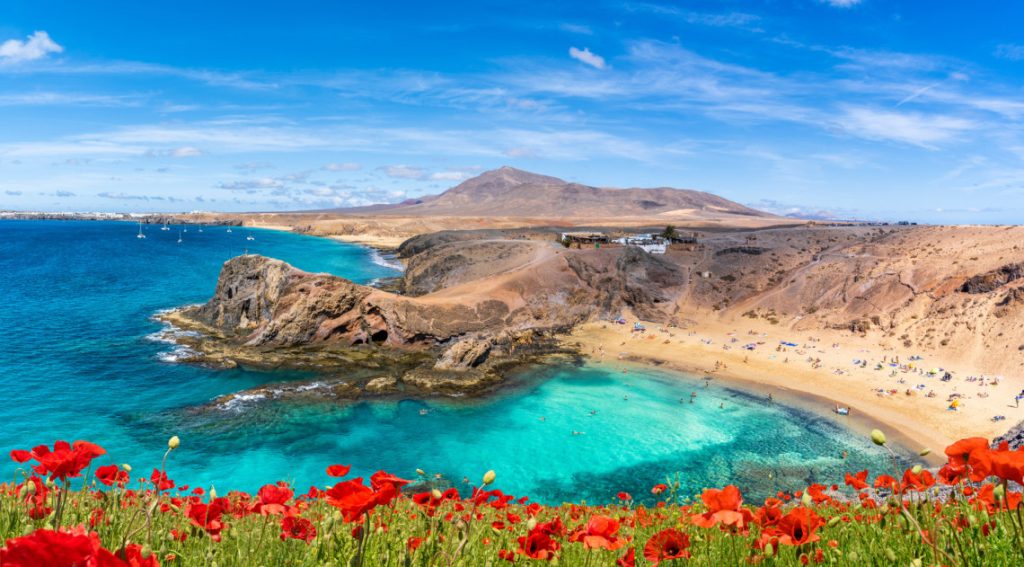
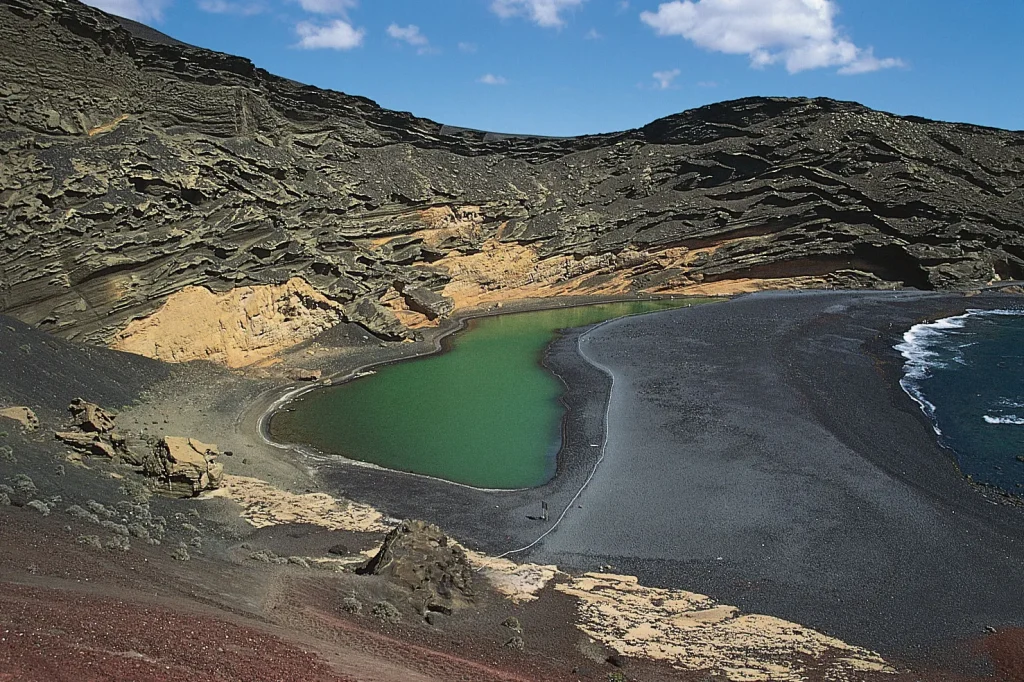
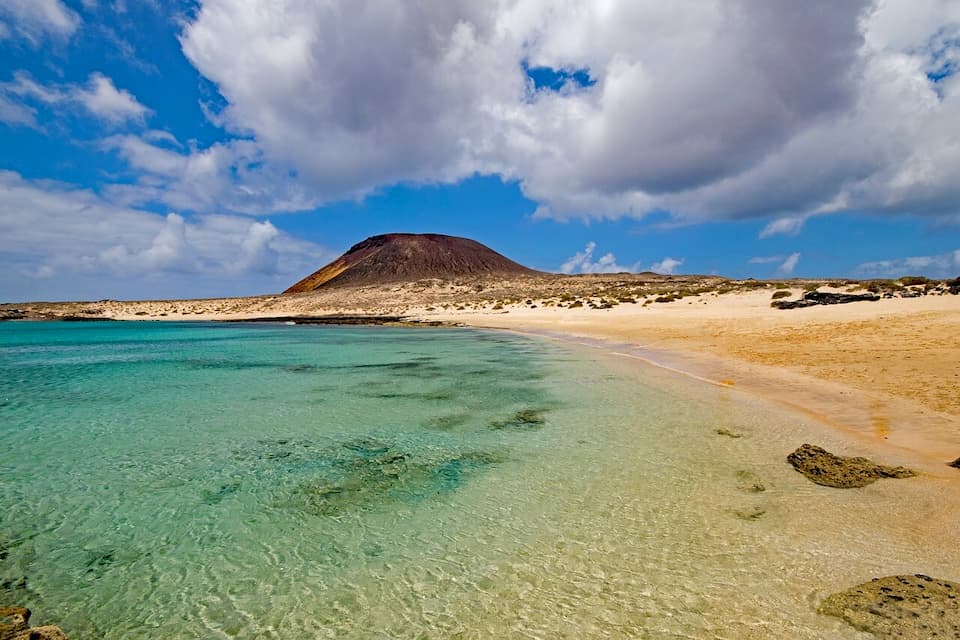
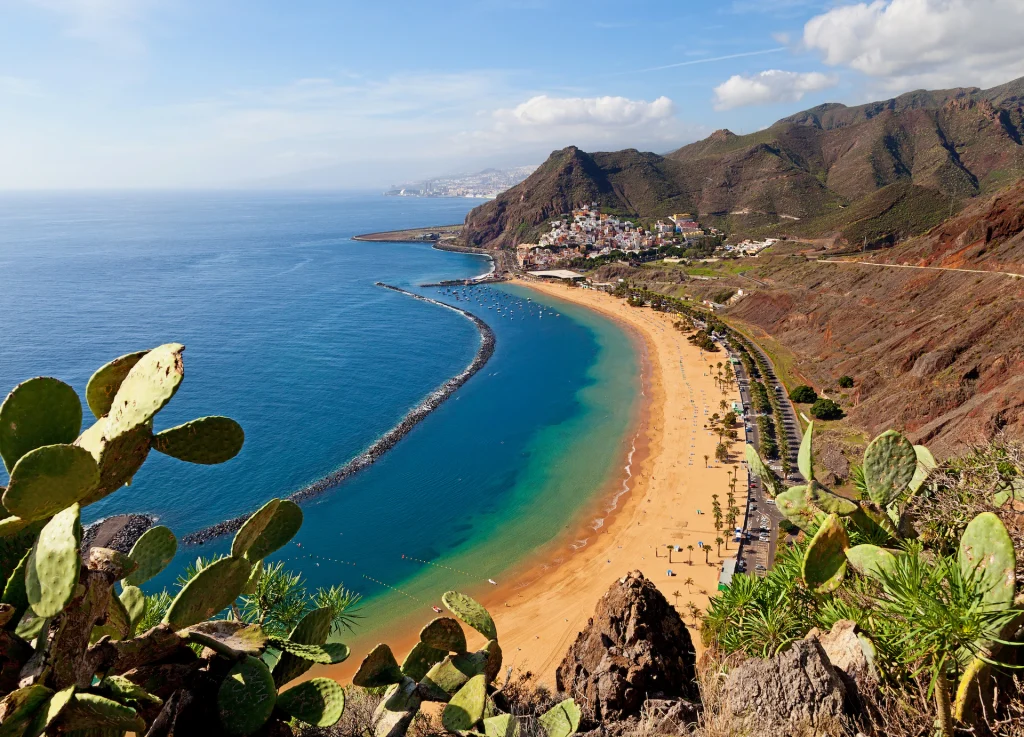
Due to their volcanic origins, the Canary Islands boast unique black volcanic beaches and a diverse flora and fauna. Here you can hike through tropical and pine forests, then find yourself on sand dunes and golden beaches.
Holidays in the Canary Islands
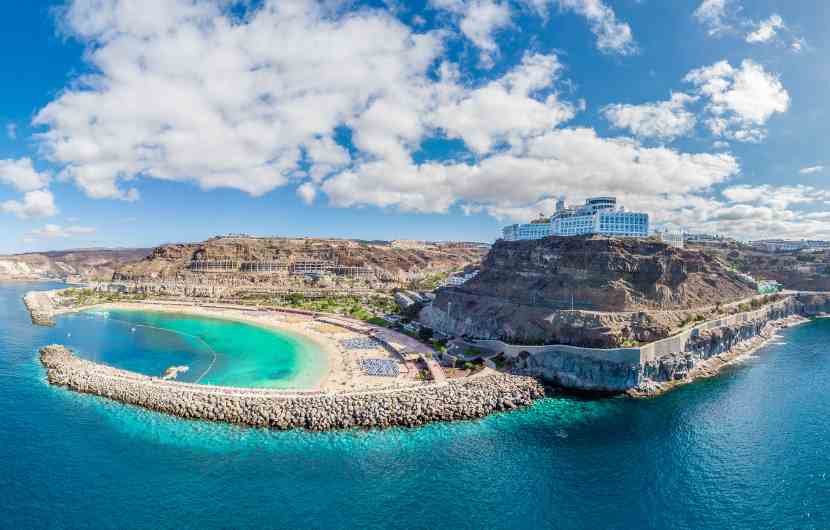
It used to be thought that vacationing in the Canary Islands was quite expensive. Now, the number of tourists far outnumbers the locals. The Canary Islands are an excellent alternative for a winter vacation in neighboring African countries.
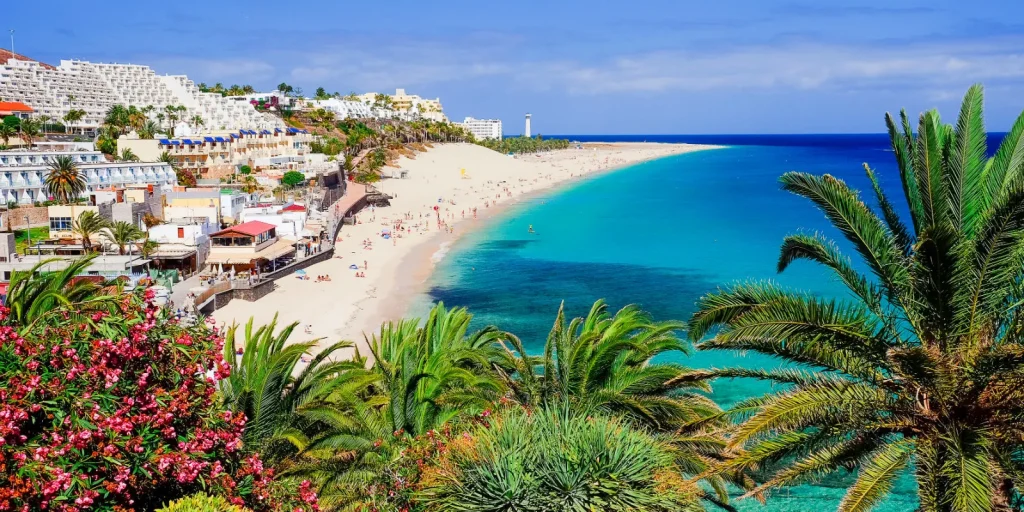
The islands are ideal for beach holidays and family vacations. For those who enjoy active recreation, there is also a wide range of activities: deep-sea fishing, diving, surfing, tandem paragliding, and other sports.
Yachting in the Canary Islands
The close distance between the islands, steady trade winds, and excellent weather create ideal conditions for yachting in the Canary Islands. A week-long sailing trip can include Tenerife, La Palma, La Gomera, or Gran Canaria. To see all the islands, at least two weeks are needed. Typically, the route starts and ends in Tenerife.
Storms and hurricanes are rare here, which is a major advantage for sailing.