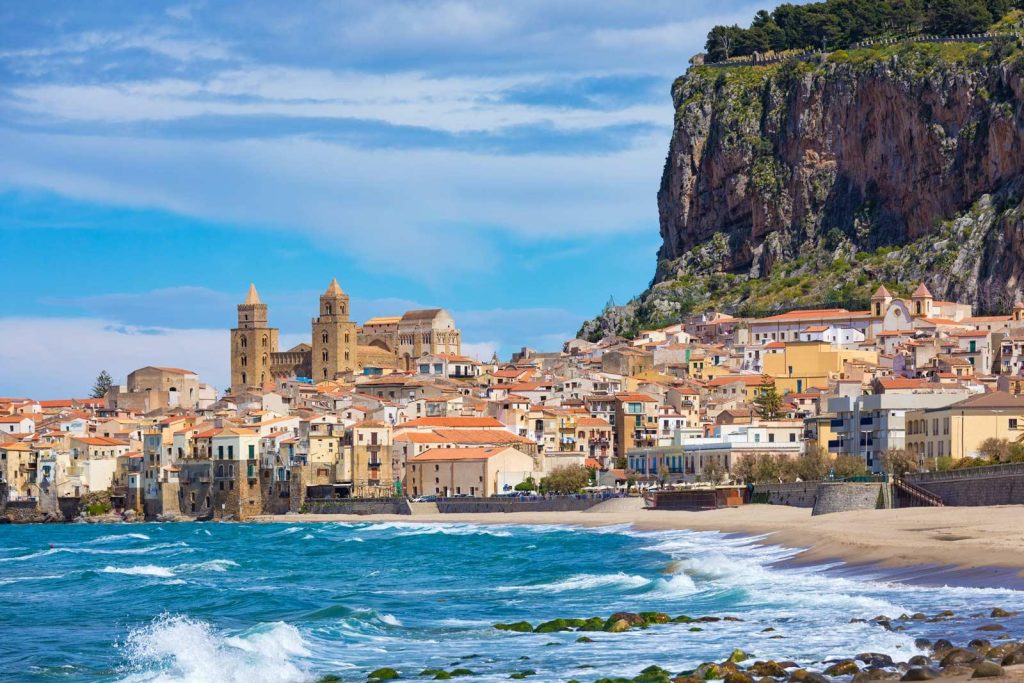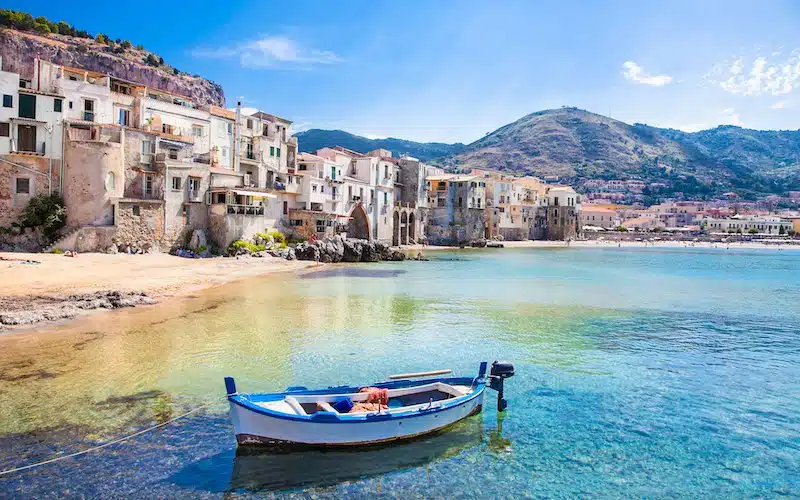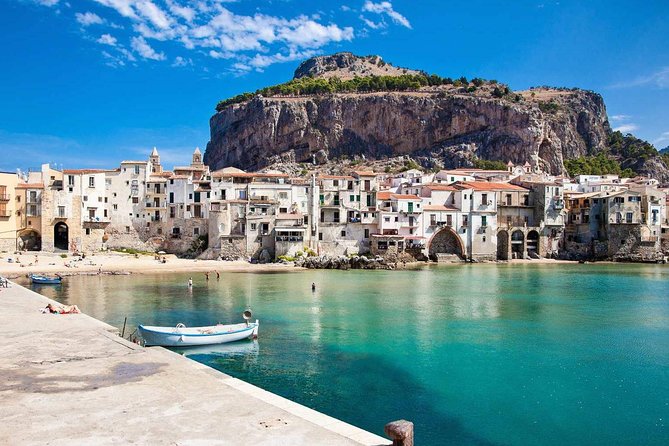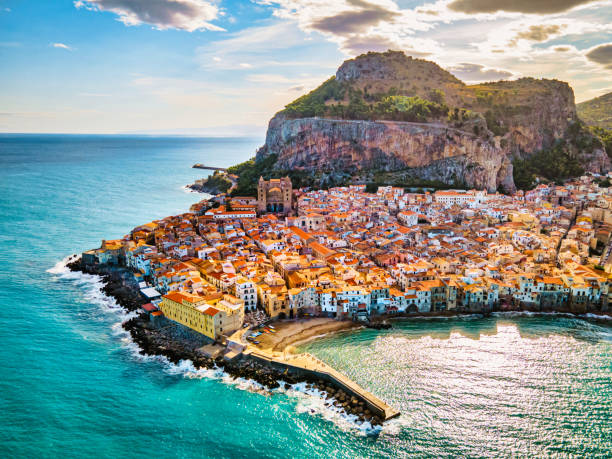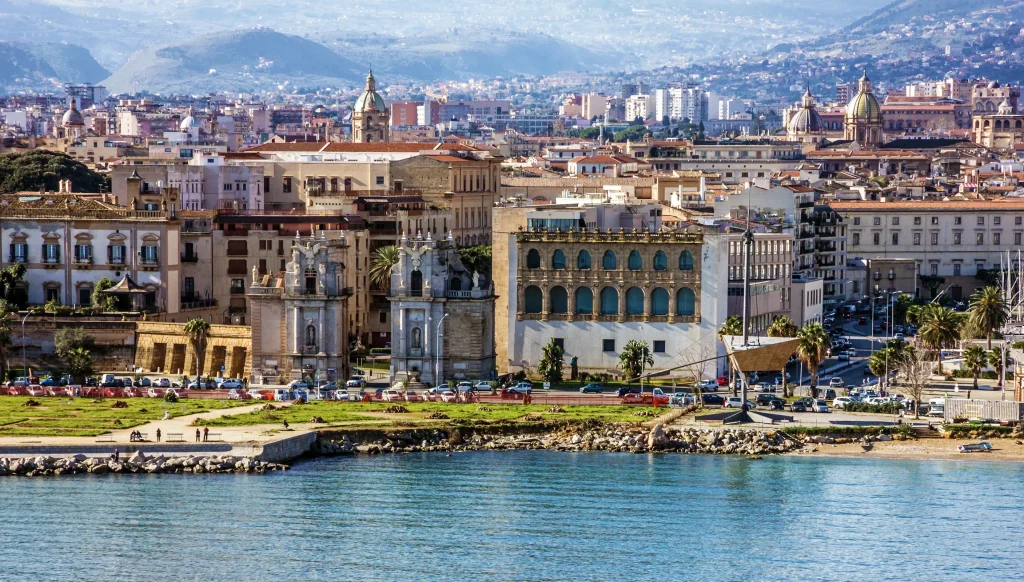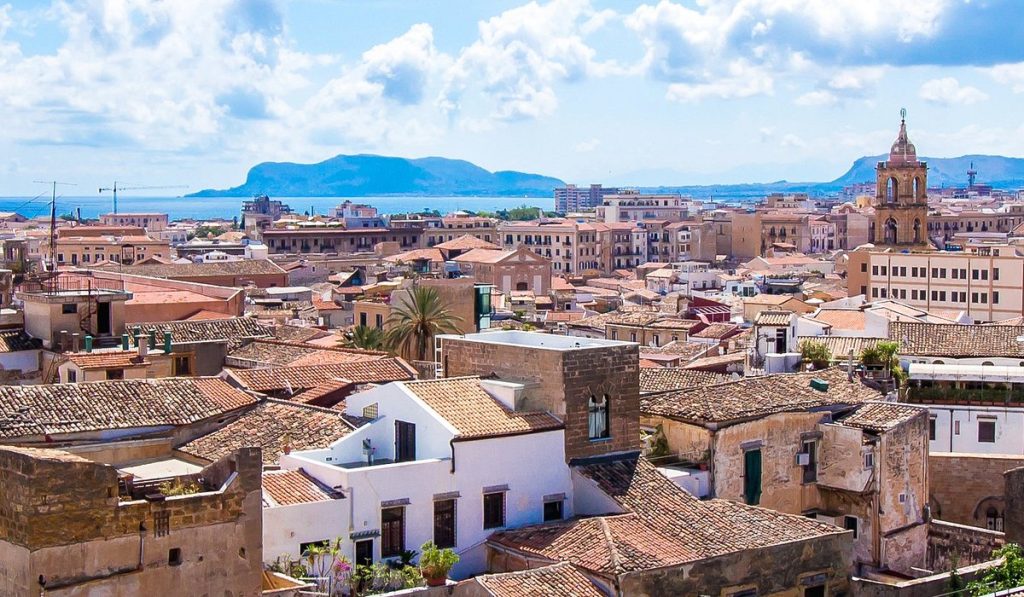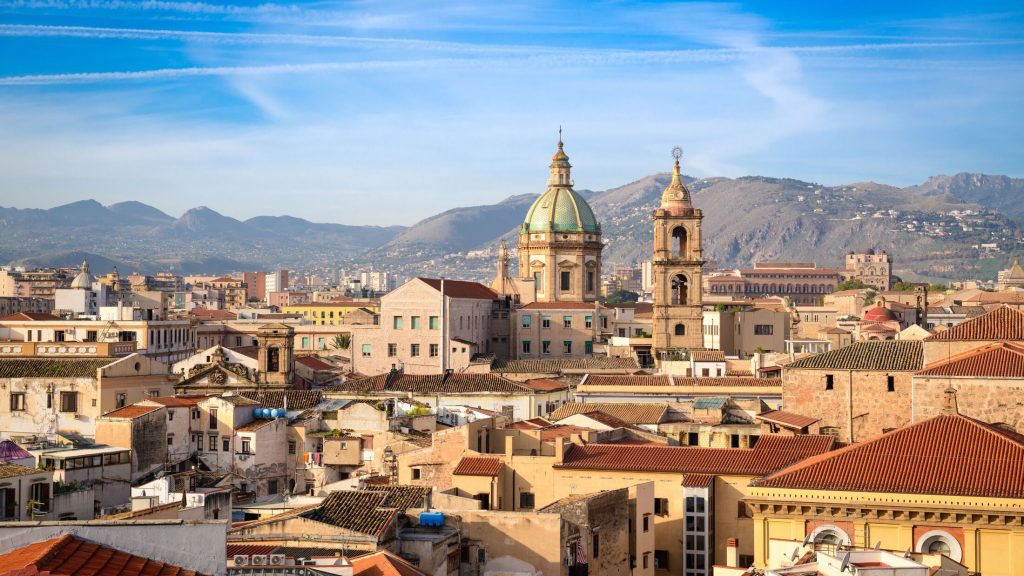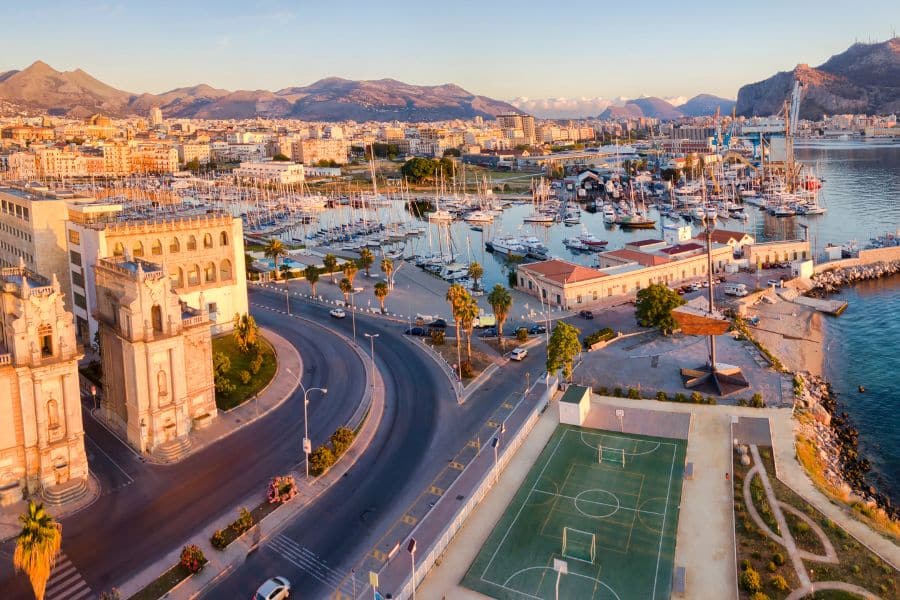
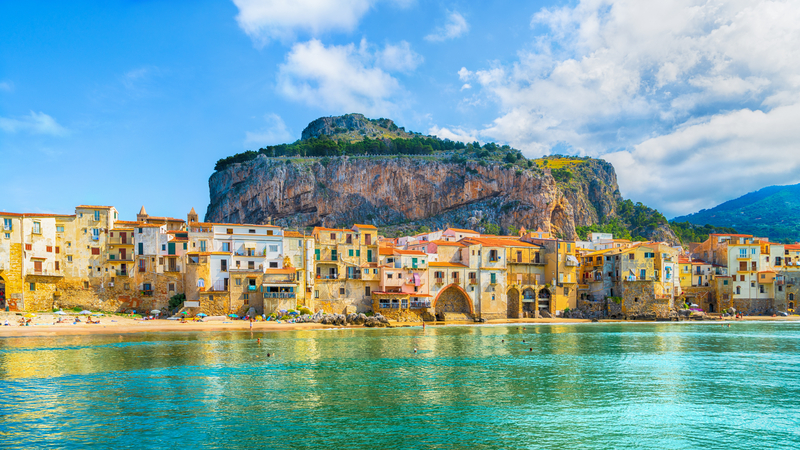
 Palermo is located on the coast of the island of Sicily. All the peoples of the Mediterranean coast have left their mark on Palermo’s history—Greeks, Romans, Phoenicians, Saracens, Normans, Spaniards, Byzantines, and others. The blend of all these cultures has left its mark on the city’s appearance.
What to see and where to visit
Piazza Quattro Canti is the heart of Palermo, built in the 17th century. This Baroque architectural ensemble is striking in its scope: at the corners of the square stand four multi-story buildings, each with a fountain at the base, and the upper floors adorned with rows of sculptures of Spanish kings and the patron saints of Palermo.
Piazza Quattro Canti is the starting point for tours of the city’s four historic quarters: Seralcadio, Calsa, Albergería, and La Loggia, as well as the main streets of Corso Vittorio Emanuele and Via Macueda. Tourists will see an incredible number of churches, cathedrals, and temples representing a wide variety of eras, styles, and denominations.
The Catholic Church of San Giovanni degli Eremiti is adorned with red domes, more commonly seen on mosques, as Sicily belonged to the Arabs for two centuries.
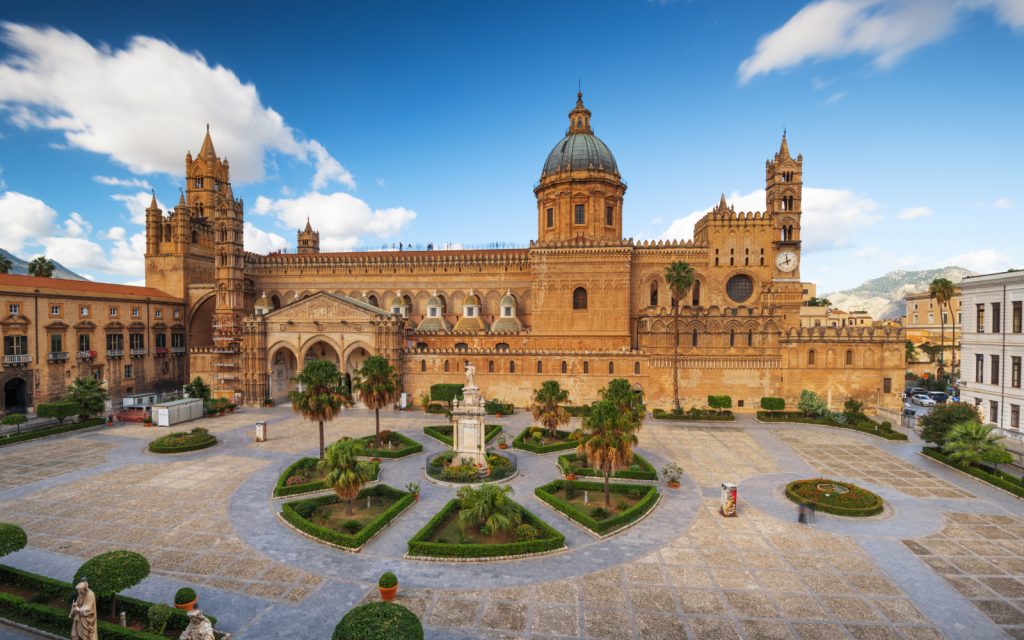
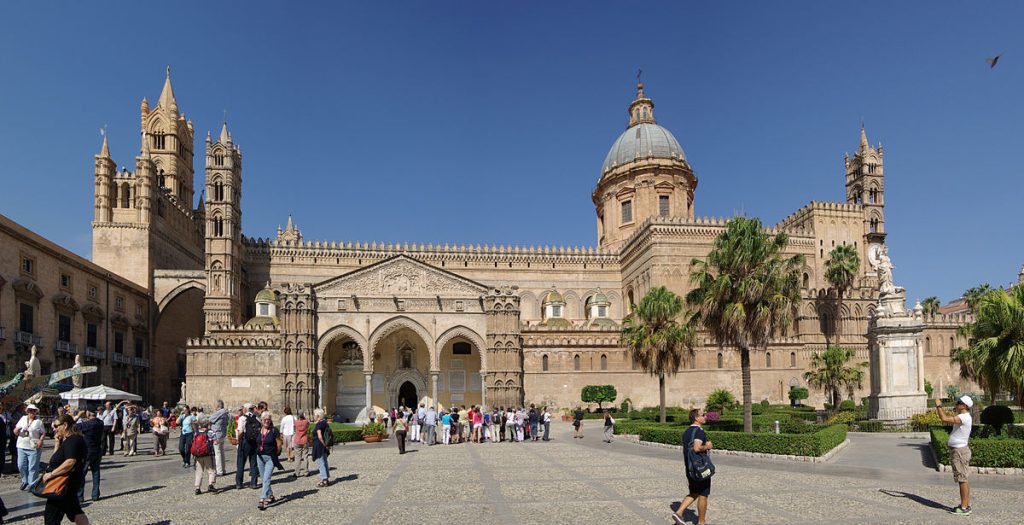
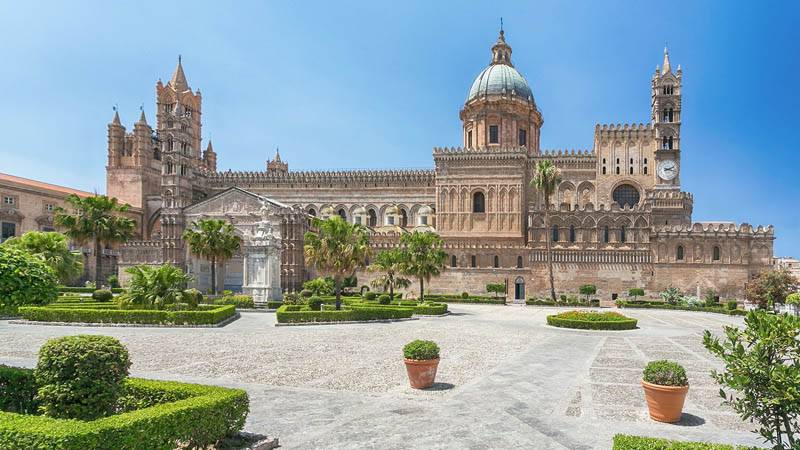
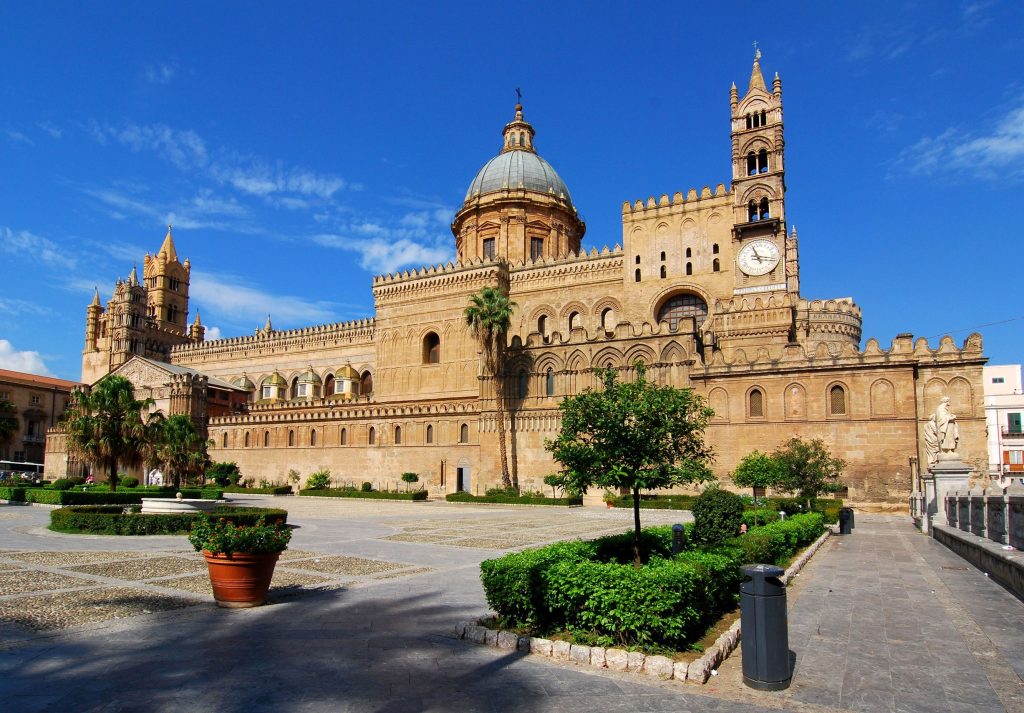
One of the city’s main symbols is the Cathedral of Santa Maria Assunta. Tourists are also drawn to the palaces – the Norman Palace with the Palatine Chapel and the Orleans Palace, which serves as the residence of the President of Sicily.
The most famous sculptural composition is the fountain in Piazza Pretoria, whose nude figures have perplexed locals with their realistic appearance since their construction.
Entertainment and Active Leisure
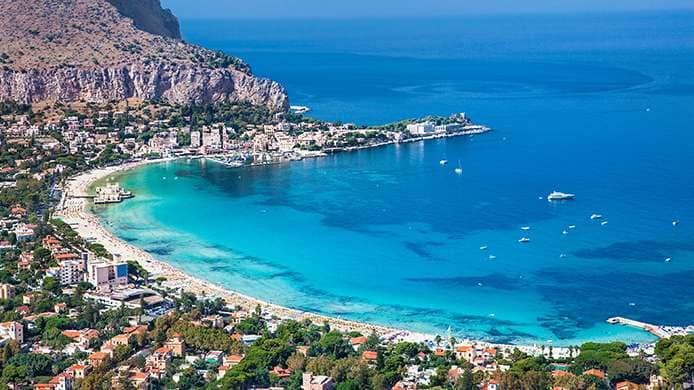
The main attraction in Palermo is relaxing on the beach at the wide and well-equipped beach in Mondello, a town located 15 km from Palermo.
Tourists also enjoy shopping and shopping malls, and visiting markets—the most famous of which are the grocery store La Vucciria and the flea market Capo.
Local Cuisine and Wine
Sicily is famous for its cheeses, olive oil, fresh vegetables, excellent wines, spices, and delicious fish. These ingredients are included in typical local dishes: alla Palermitana, forta di Anellini, arrosto, and others.
Palermo is also famous for its inexpensive taverns—focacciarias—serving maritata flatbreads with tripe and mini pizzas called sfincione.
Be sure to try the local sweets: cannoli wafer rolls, cassata – a cake with honey, almonds and cream cheese, as well as ice cream, and, of course, the delicious Sicilian wines.