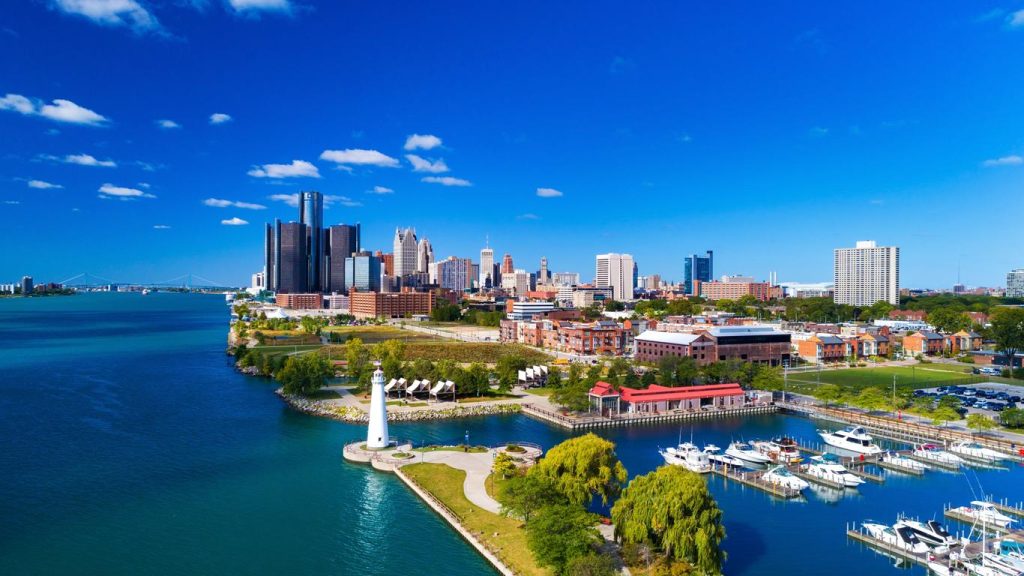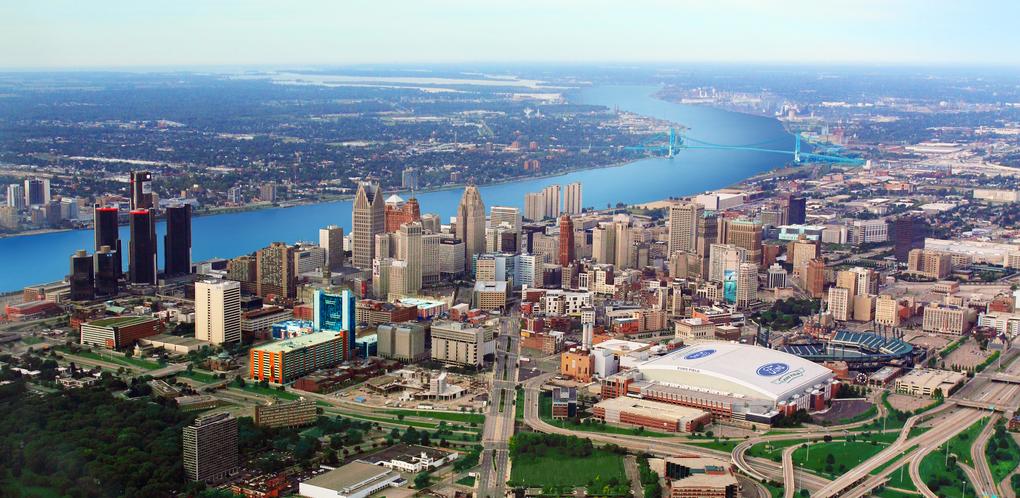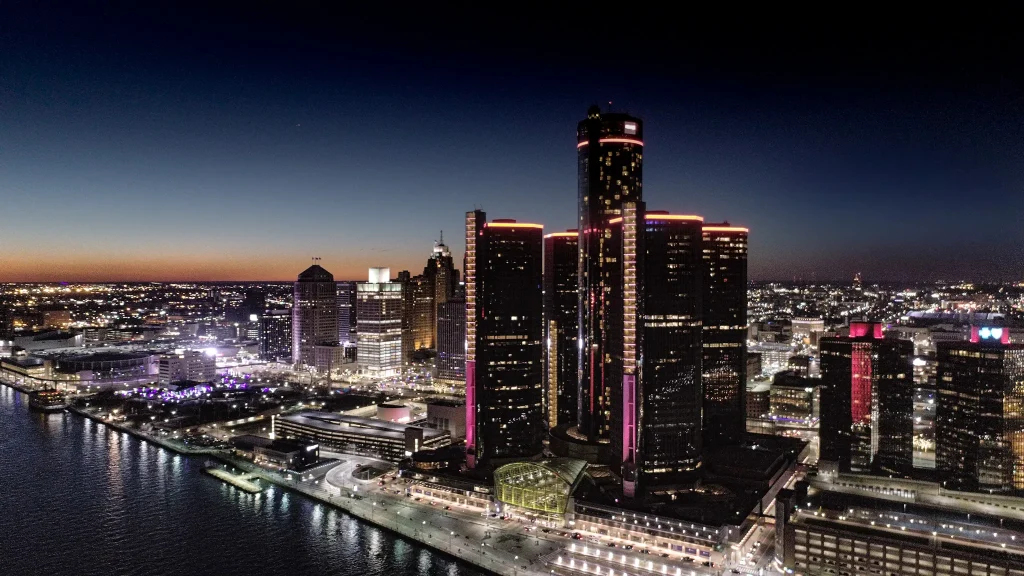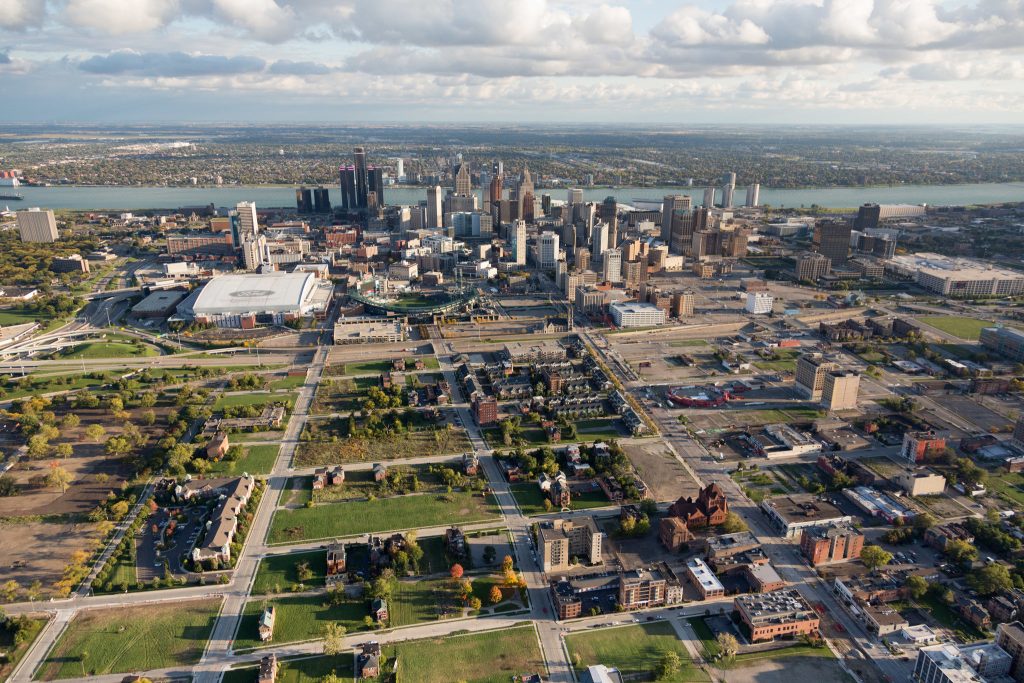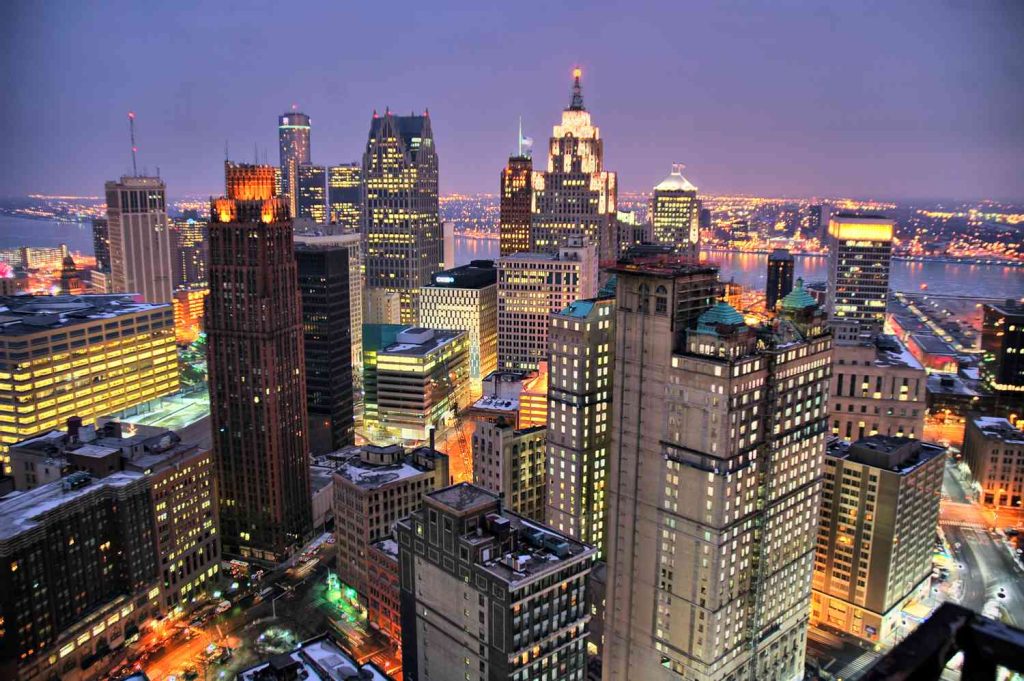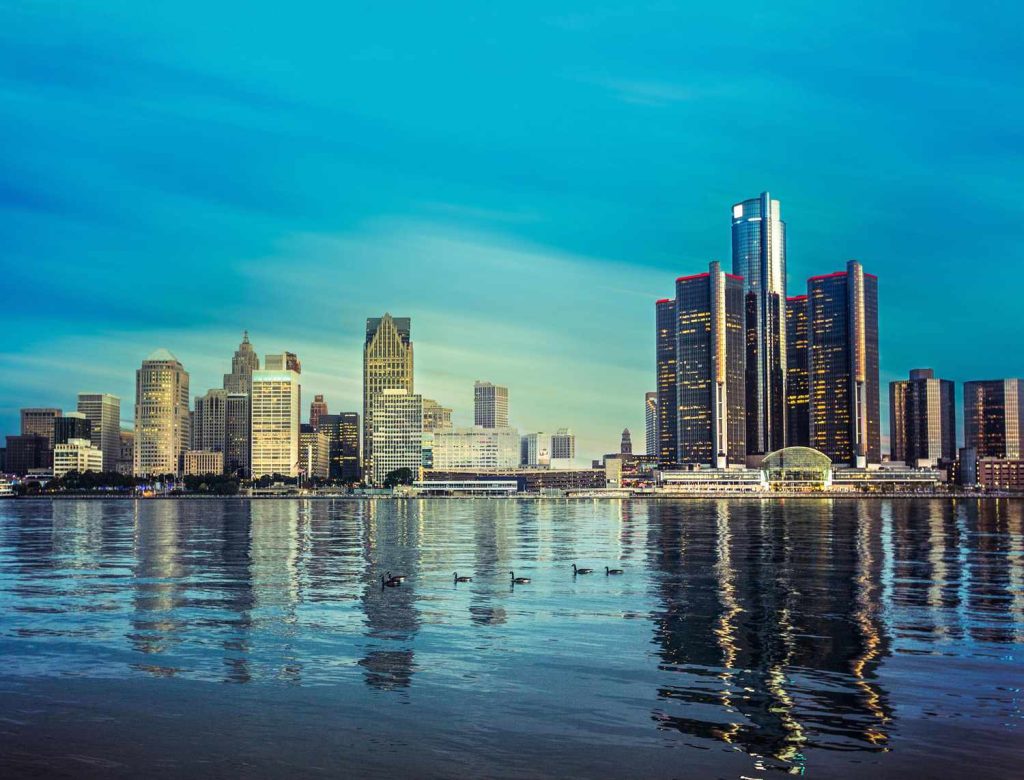
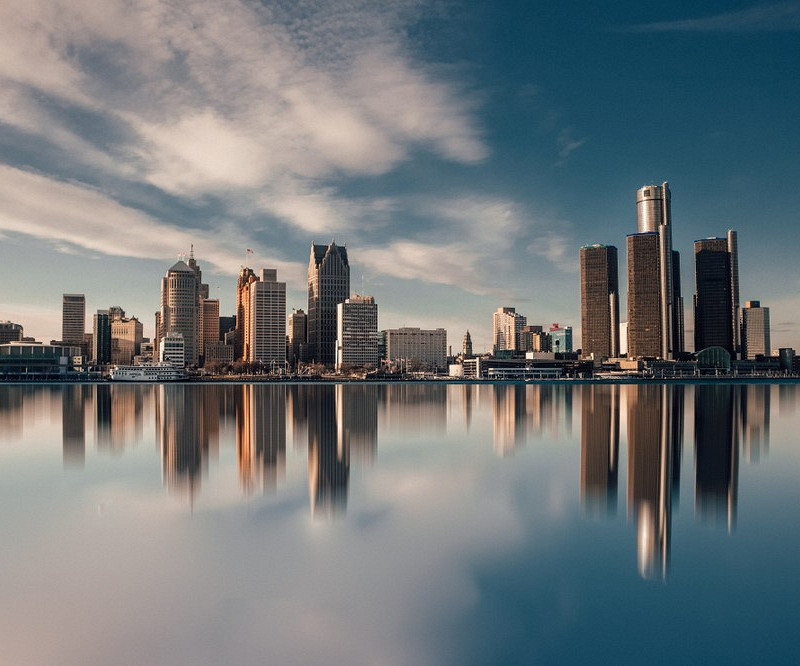
 Detroit is a controversial city, but precisely because of this, it possesses a certain mystical appeal. Its peak development occurred in the mid-20th century, when automobile corporations and the US military-industrial complex located their manufacturing facilities here. At the time, Detroit was one of the wealthiest cities in America, but the oil and energy crises brought everything to ruin. For decades, it sank into depression—many people left due to unemployment, entire neighborhoods were emptied, and crime rose.
Today, Detroit is a resurgent ghost town, a showcase for the success and failure of capitalism in a single city. Tourists come here for the “movie-like” architecture of 1950s America, the eerie images of abandoned skyscrapers, and the atmosphere of lingering despair and elusive hope.
Attractions
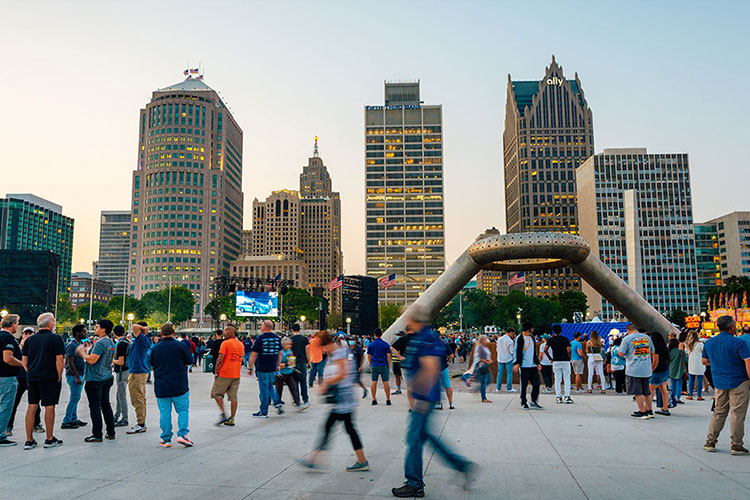
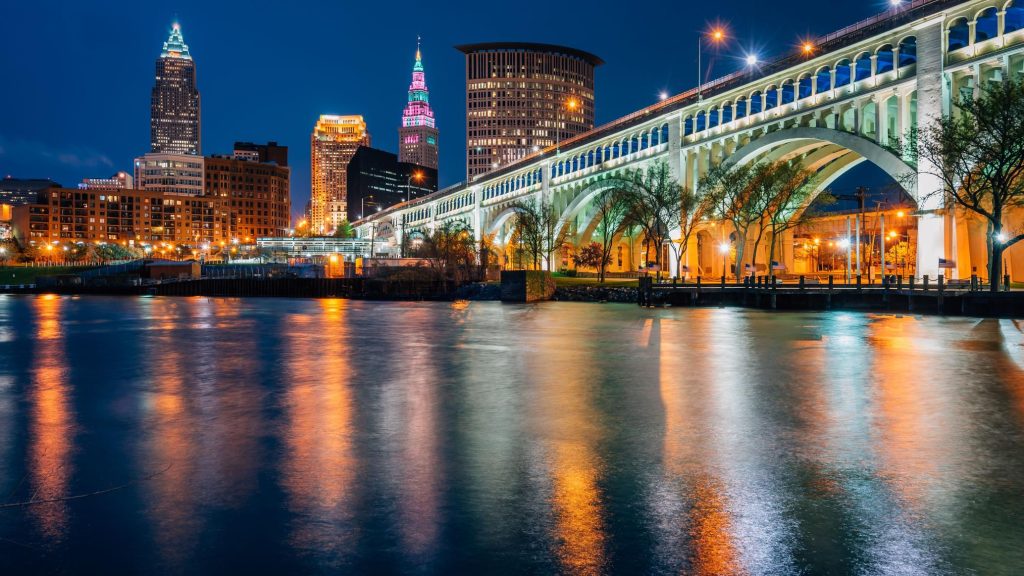
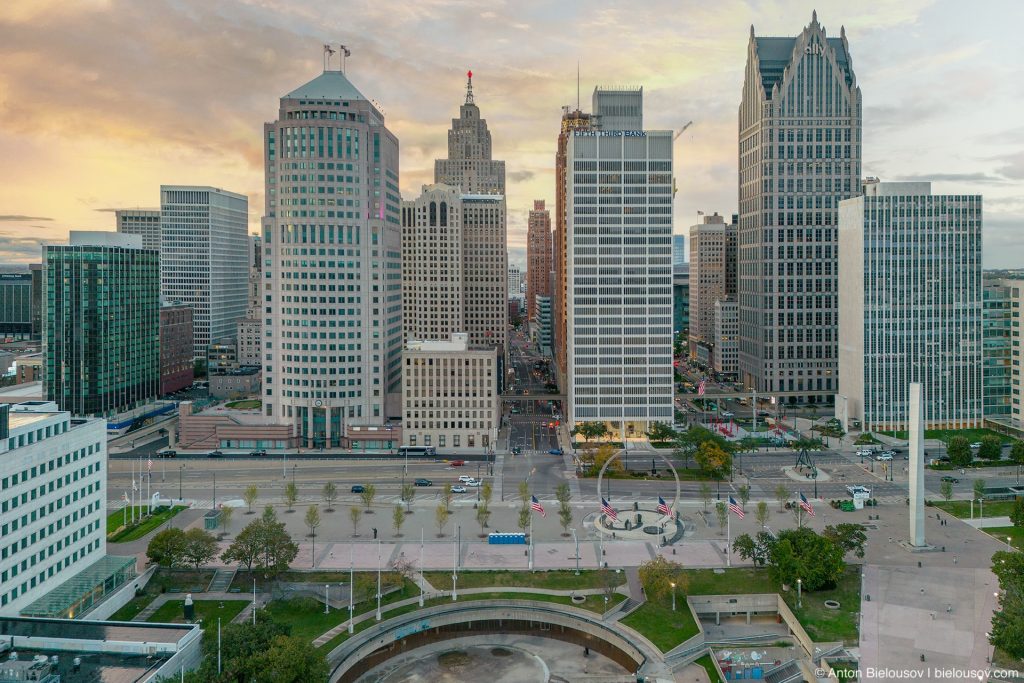
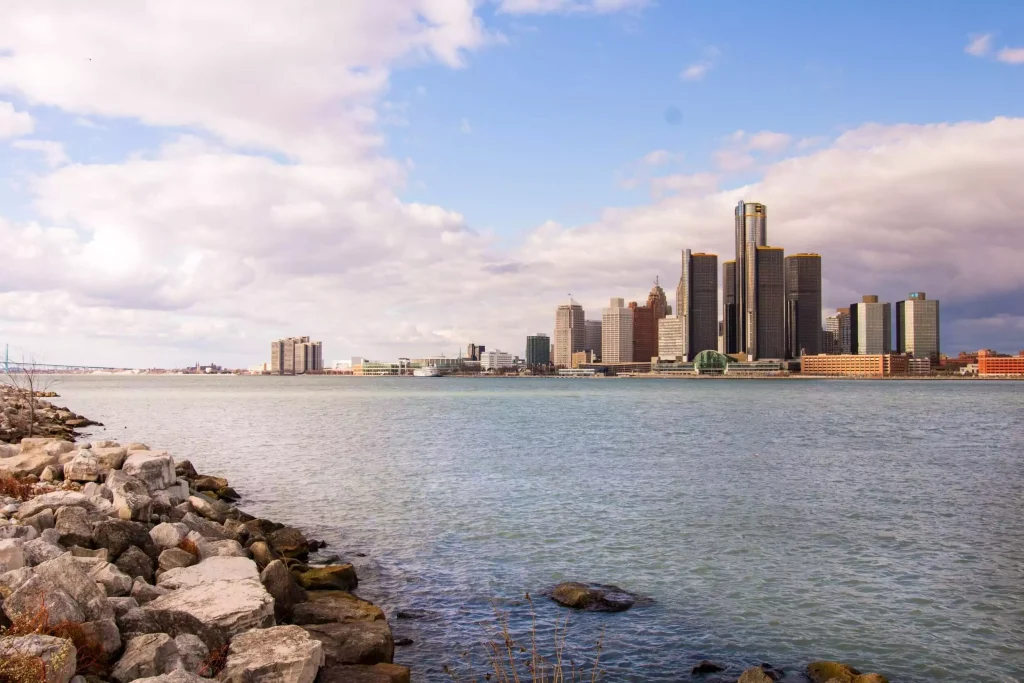
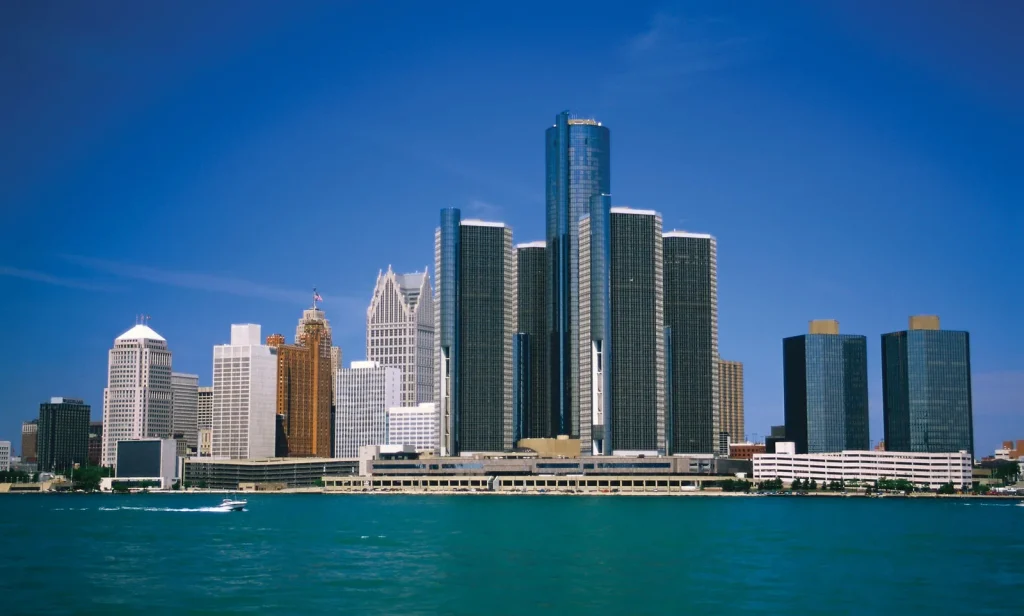
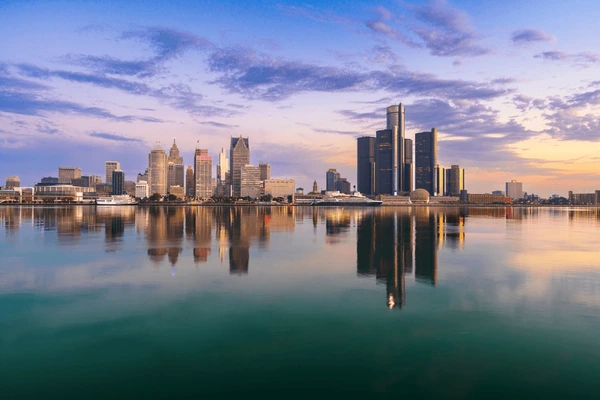
The city’s landmarks tell the story of Detroit’s rise and fall. Chapters of success are written on the walls of Downtown skyscrapers, the prose of decades of decline peeps through the windows of Midtown’s once-beautiful and unusual buildings, and the iron spans of the Ambassador Bridge capture the connection between the past and the future.
Detroit boasts numerous museums with diverse focuses. Automobiles are represented at the Henry Ford Museum and the Walter Chrysler Museum.
The Art Institute, which includes several dozen art galleries, displays works by renowned American and international artists, as well as exhibits from all continents: furniture, tapestries, jewelry, and ceramics. The museum boasts frescoes by Diego Riviera, sculptures by Donatello, and paintings by Titian, Degas, and Caravaggio. The vast expanses of abandoned Midtown “prairies,” with dozens of crumbling buildings and the colossal, apocalyptic Grand Central Station, are particularly attractive to tourists. In contrast to these bleak yet captivating views, Greektown stands out, home to entertainment, casinos, and luxury hotels.