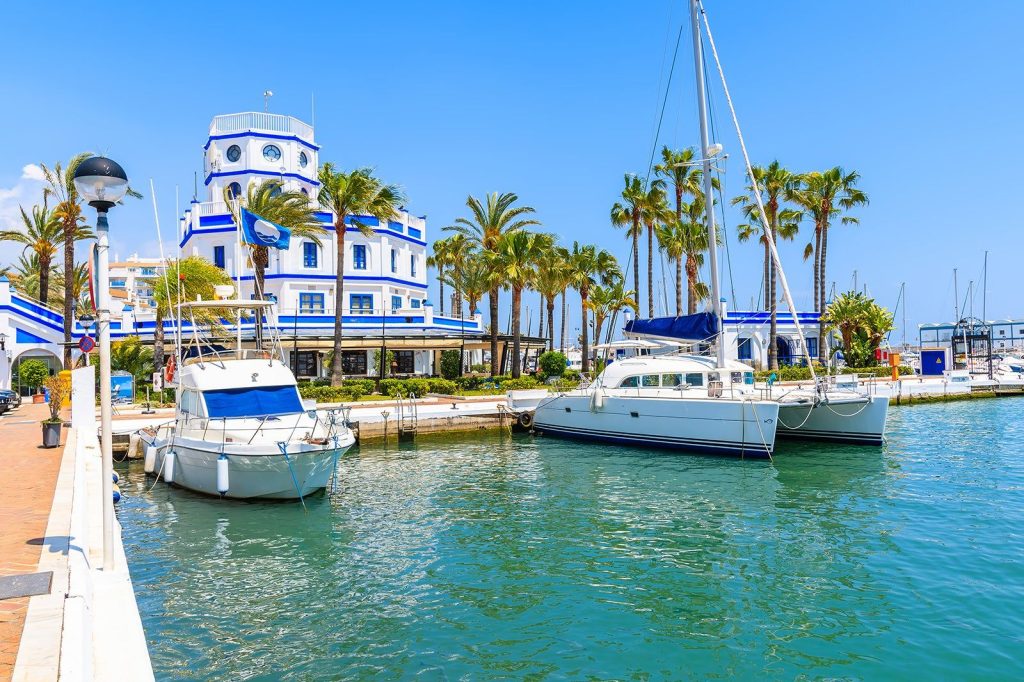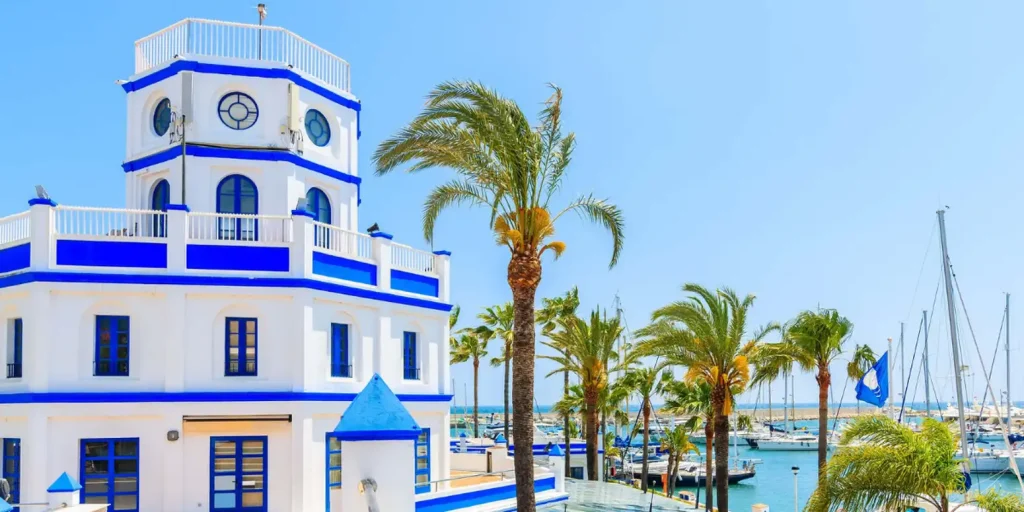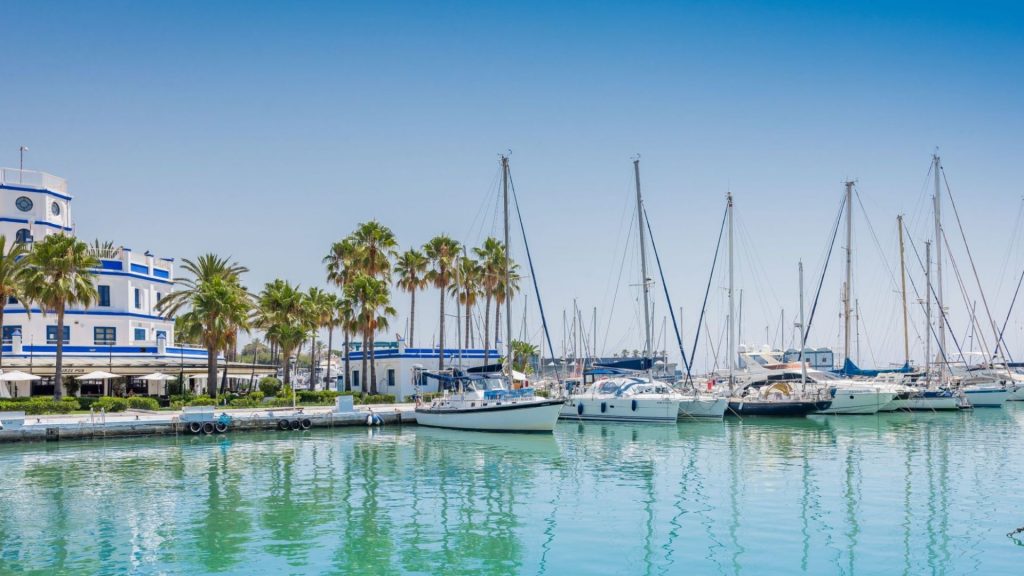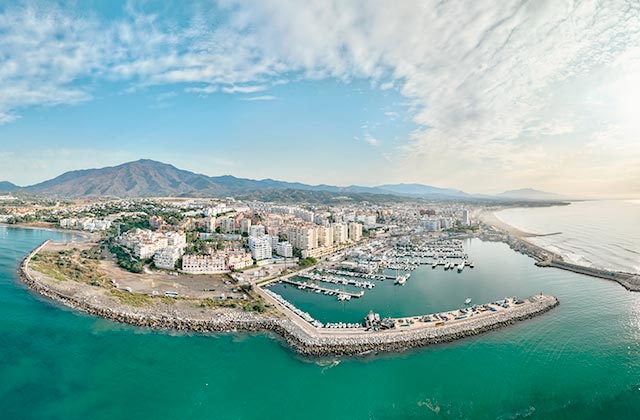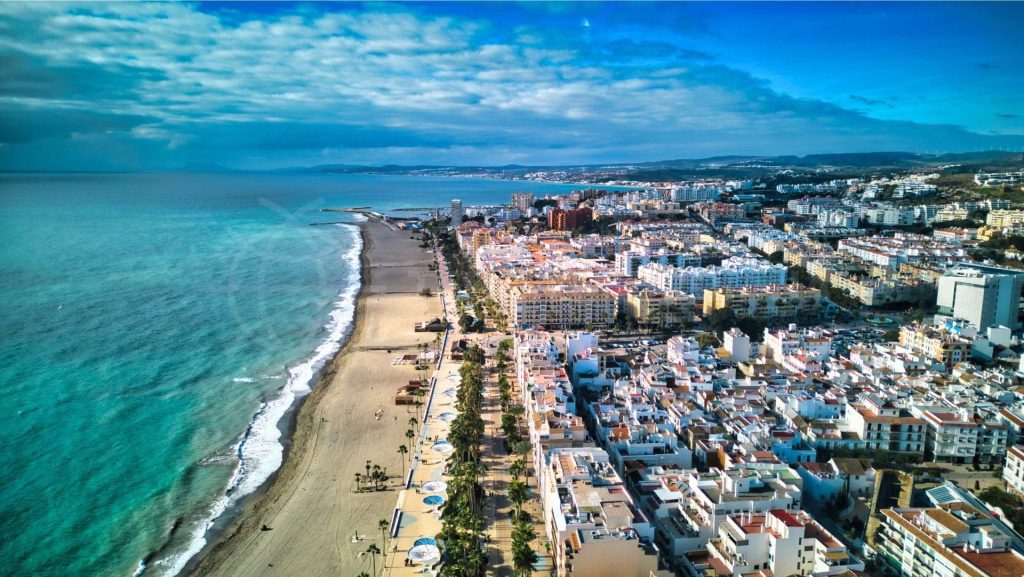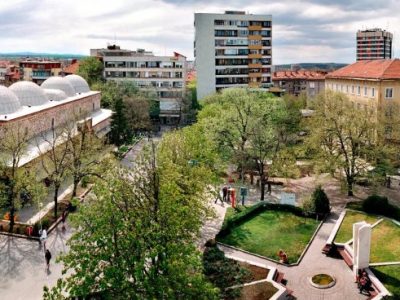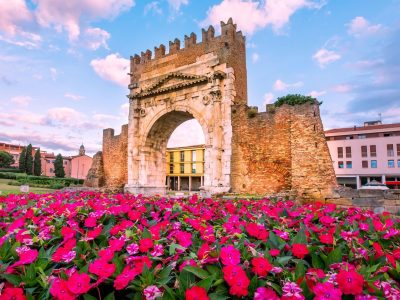
 Estepona is located on the Mediterranean coast of the Costa del Sol, at the foot of the Sierra Bermeja mountain. It is one of the few resorts in Spain that, despite its well-developed tourist infrastructure, has managed to retain its authentic Spanish character and provincial charm. Along with Marbella, Estepona is considered one of the most beautiful places on the coast.
Today, Estepona is one of the centers of arts and crafts on the Costa del Sol. In the Old Town, you’ll find numerous souvenir shops with a wide selection of metal and leather goods, ceramics, and jewelry made by Spanish artisans.
Estepona Beaches
The coastline is covered with golden sand, and the shallow waters make the resort a favorite destination for families with children. Most beaches have showers, changing rooms, restrooms, and beach cafes, but there are also uncrowded ones for those seeking a more secluded experience. The only downside to this beach resort is the cold currents that periodically sweep through.
The town itself has two beaches: La Rada and El Cristo. Playa La Rada is the most popular, stretching for 2.5 kilometers. It has been awarded the Blue Flag and hosts numerous music festivals in the summer. El Cristo, 700 meters long, is located in a small, beautiful bay with a shore covered in medium-grain sand.
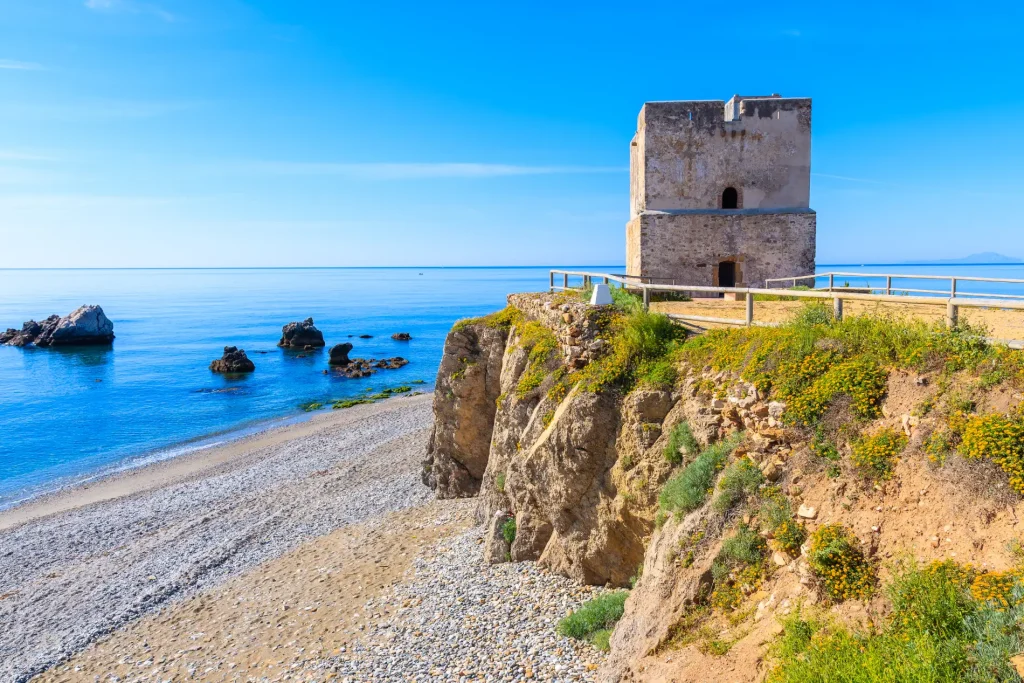
Playa de la Galera is nestled among rocky cliffs and is rightfully considered one of the most beautiful. Costa Natura is the only nudist beach. Playa de Arroyo Vaquero is suitable for divers and fishermen.
Estepona Attractions
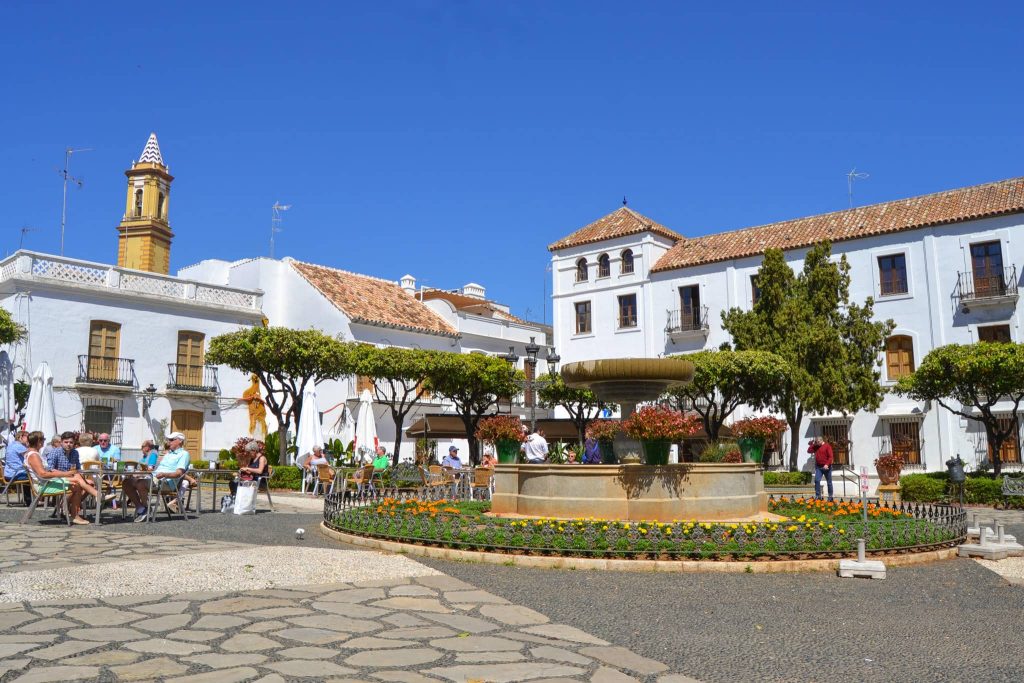
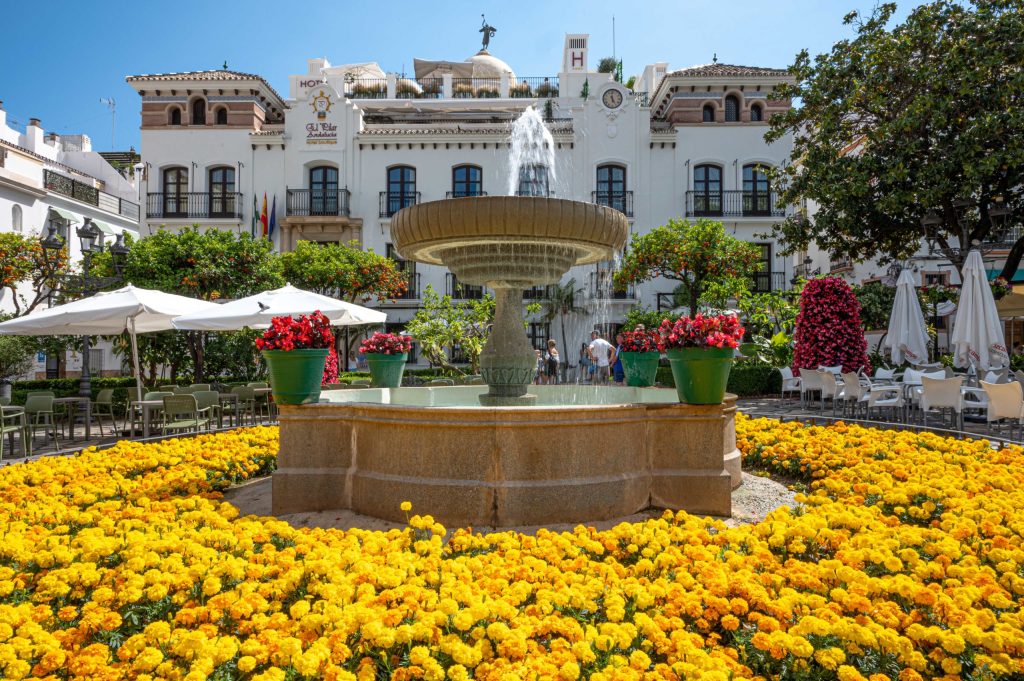
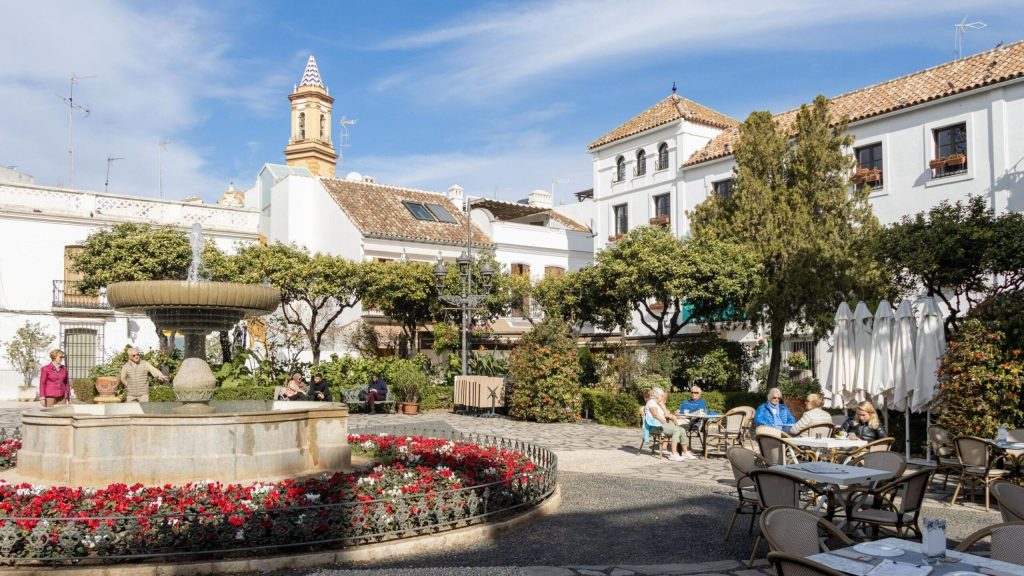
Estepona was founded by the Romans, but was extensively rebuilt in the 20th century. The Plaza de los Fiores (Field of Flowers) is a favorite tourist spot.
Bullfights used to be held here, and now there are numerous cafes with flower-adorned terraces.
The square is dominated by the 22-meter-tall Torre de Reloj clock tower with its bell tower, built in the 15th century, and the Old Town’s main treasure is the elegant 18th-century Church of the Virgen de los Remedios.
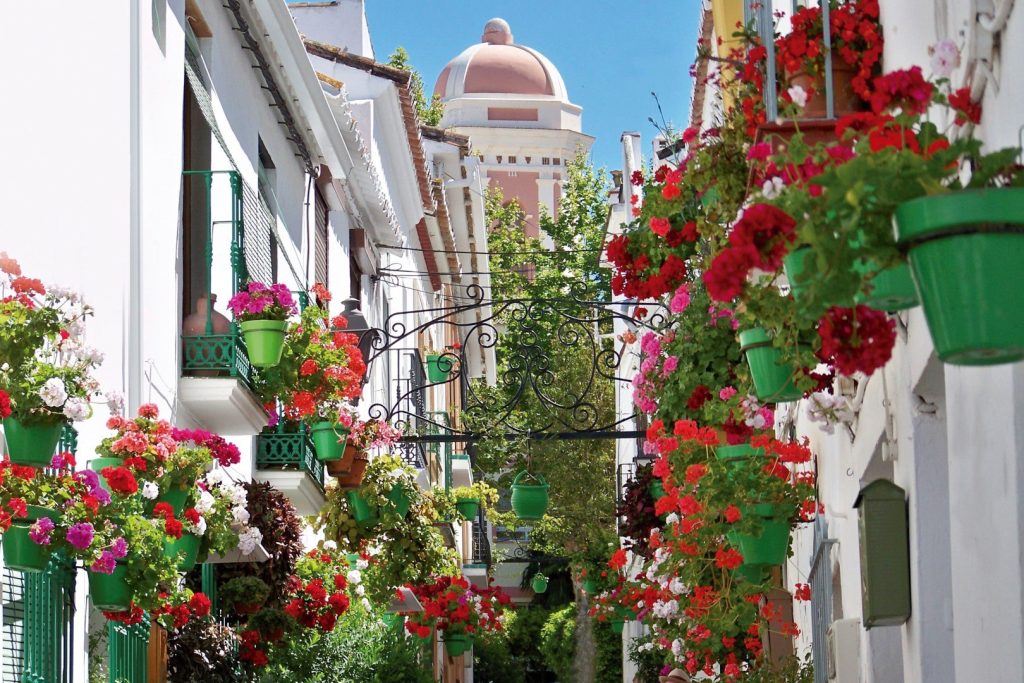
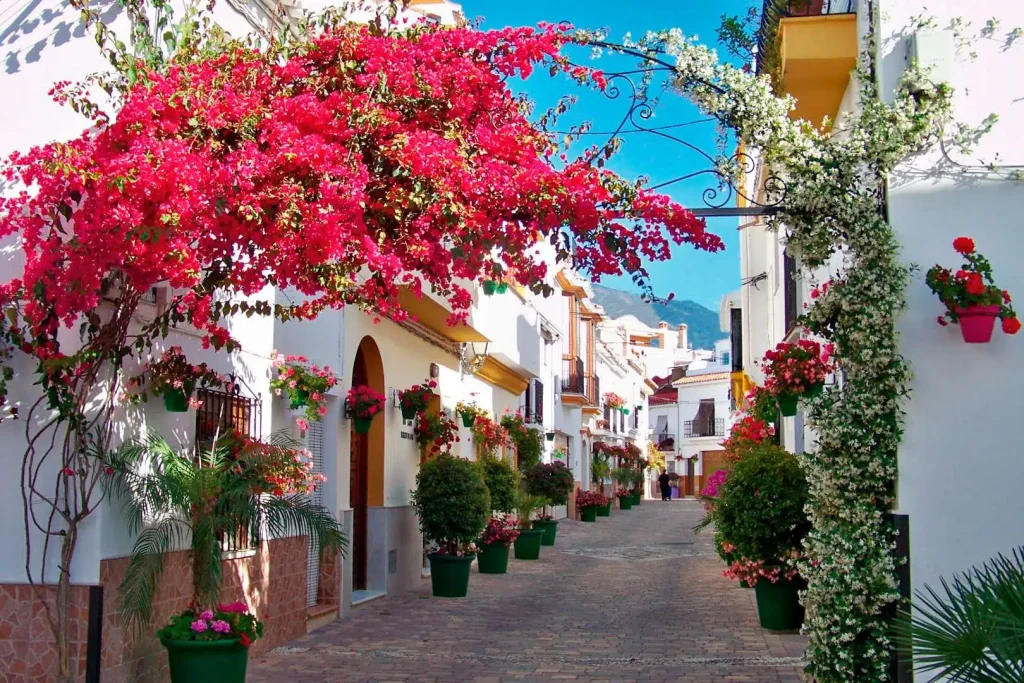
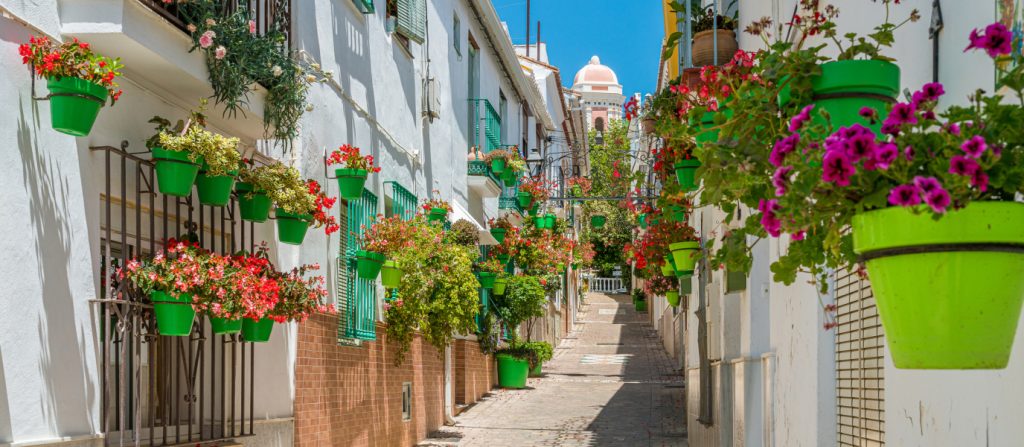
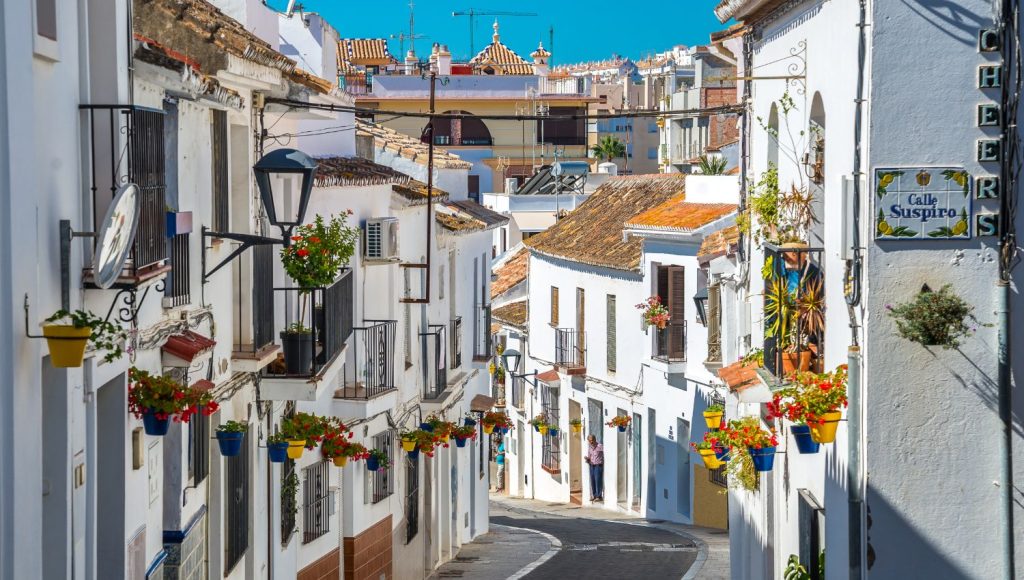
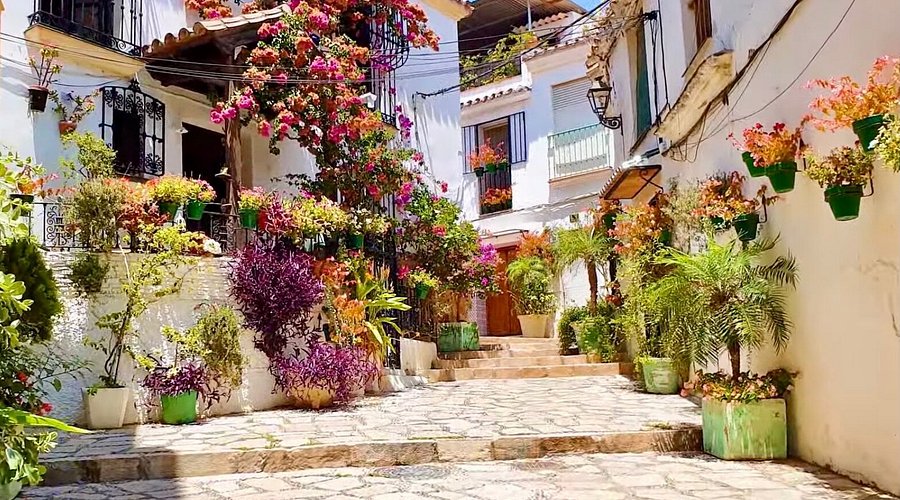
Estepona’s Old Town boasts beautifully preserved streets with typical Andalusian architecture. Houses with white facades, flower-adorned balconies and windows, and sidewalks and plinths are lined with light-colored ceramics.
On Plaza Augusto Suárez, you can see the walls of an ancient castle—the 16th-century Castillo San Luis. It was once a powerful, impregnable settlement of the Iberians, who built the fortress in the mid-15th century after defeating the Moors.