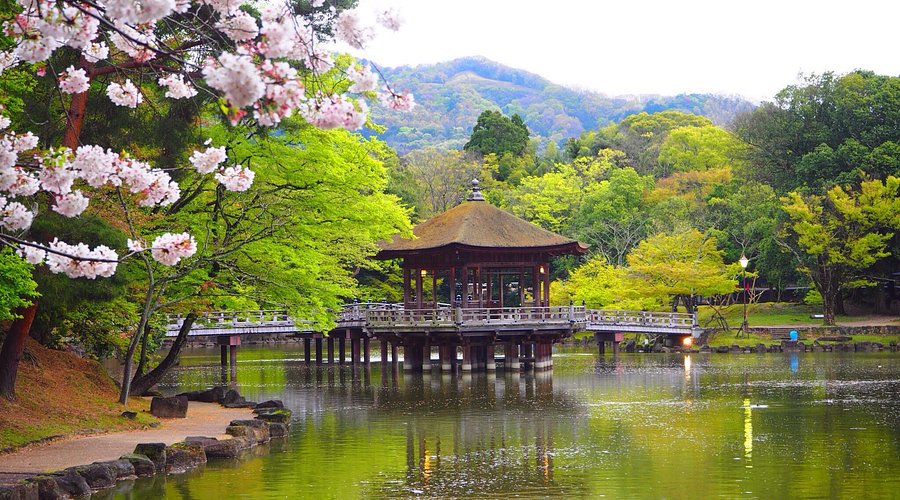
 Nara, located in the prefecture of the same name in the Kansai region, celebrated its 1,300th anniversary in 2010. The city is constantly overshadowed by its more famous neighbor, Kyoto. However, Nara is home to a large number of significant historical sites and presents its attractions with far greater appeal than Kyoto.
With eight UNESCO World Heritage Sites, Nara ranks second in cultural heritage in Japan.
Attractions and attractions in Nara
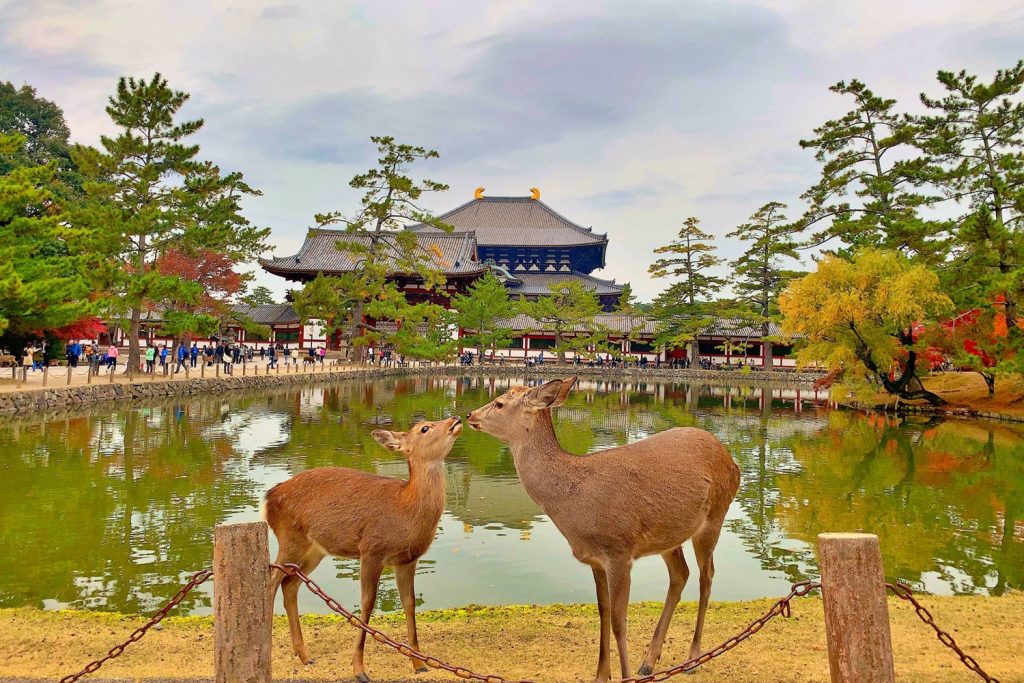
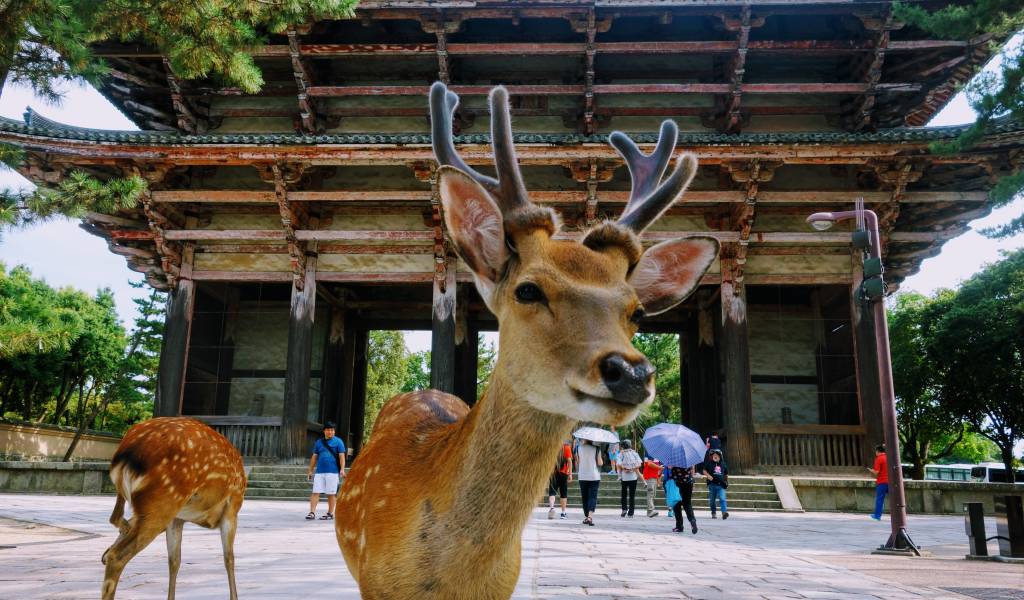
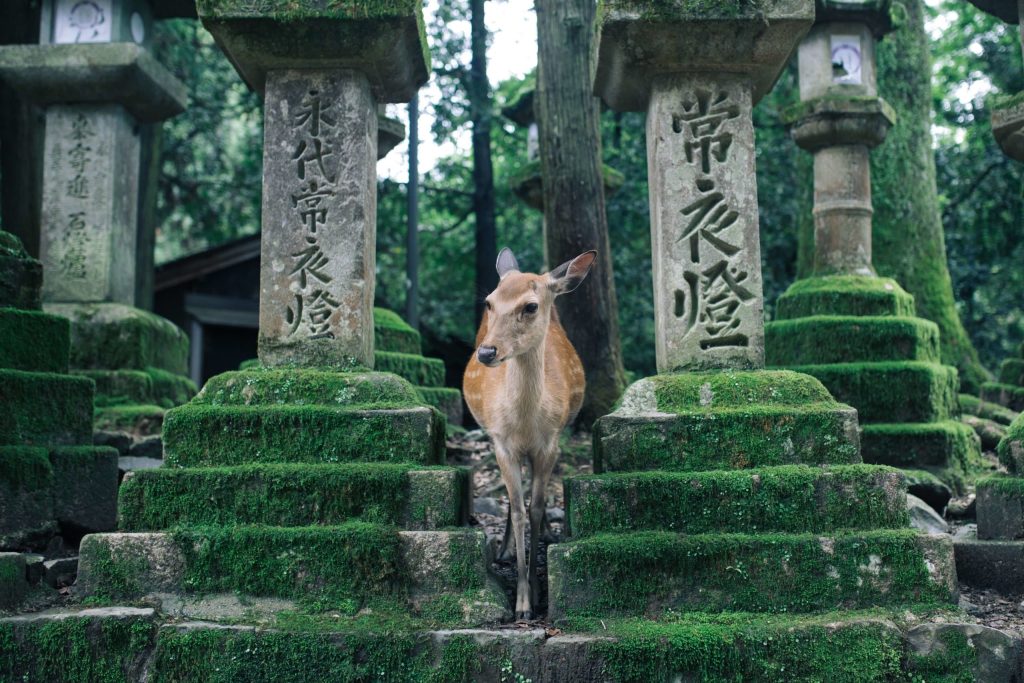
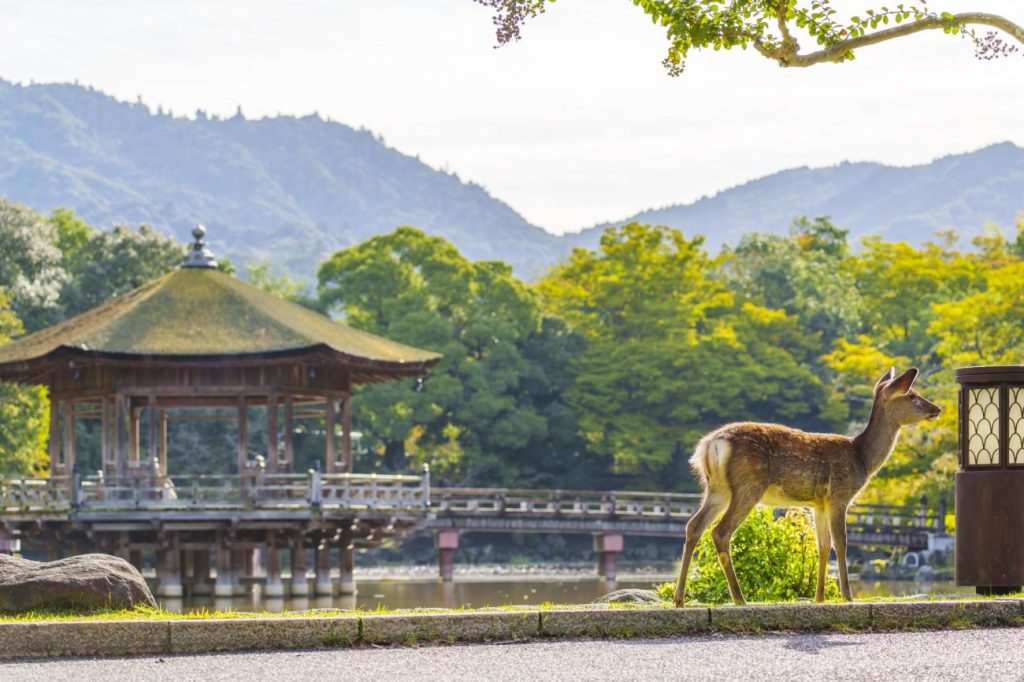
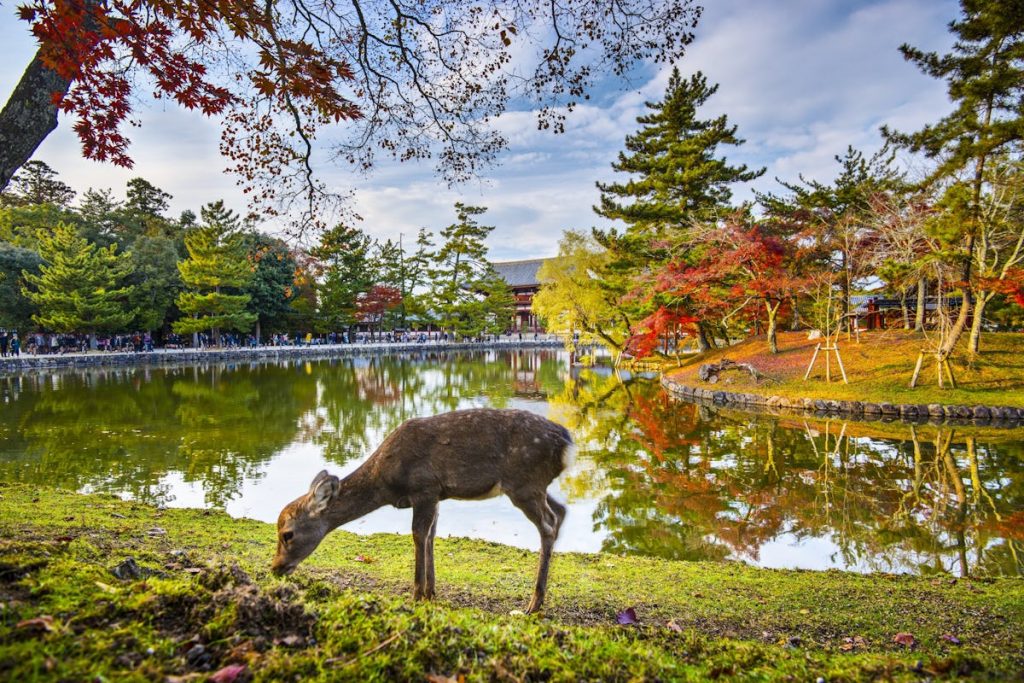
Most of the attractions, including numerous temples and shrines, are located in Nara Park. It is also home to over 1,200 wild sika deer, once considered divine messengers. After World War II, the deer were officially stripped of their divine status and are now revered as national treasures.
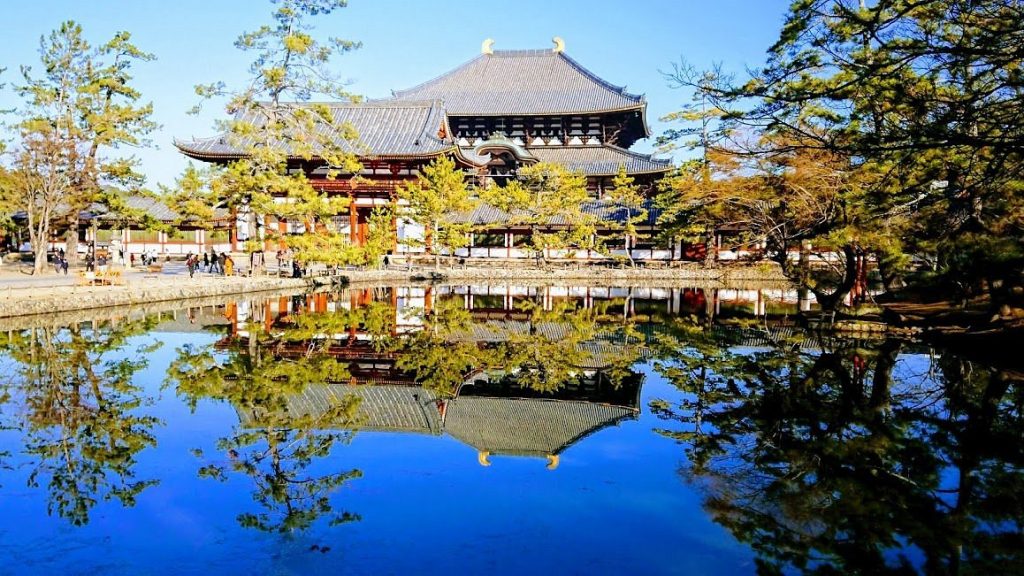
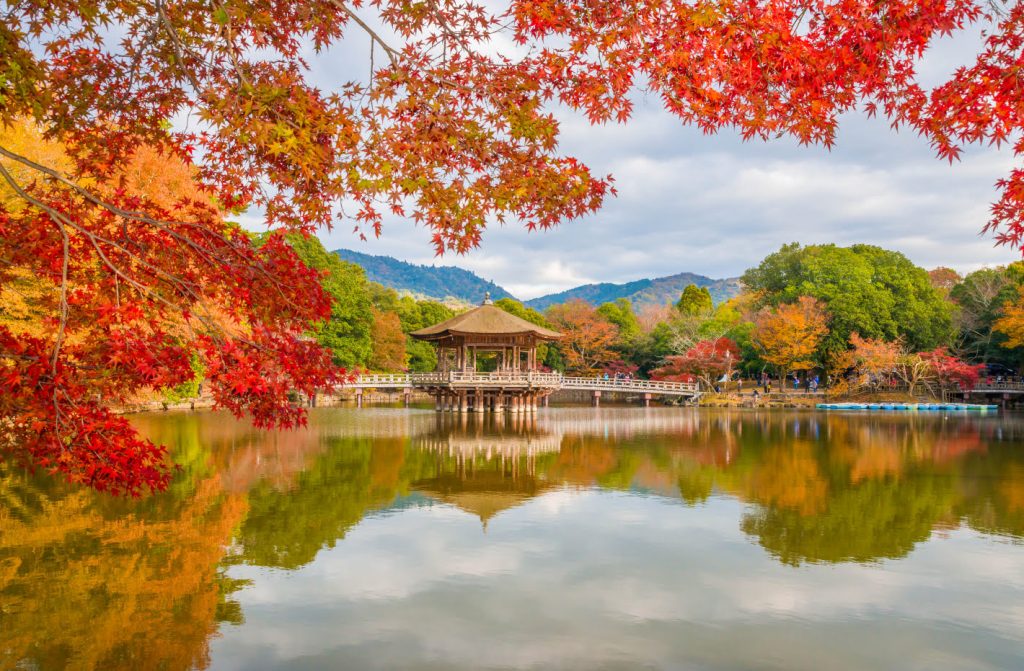
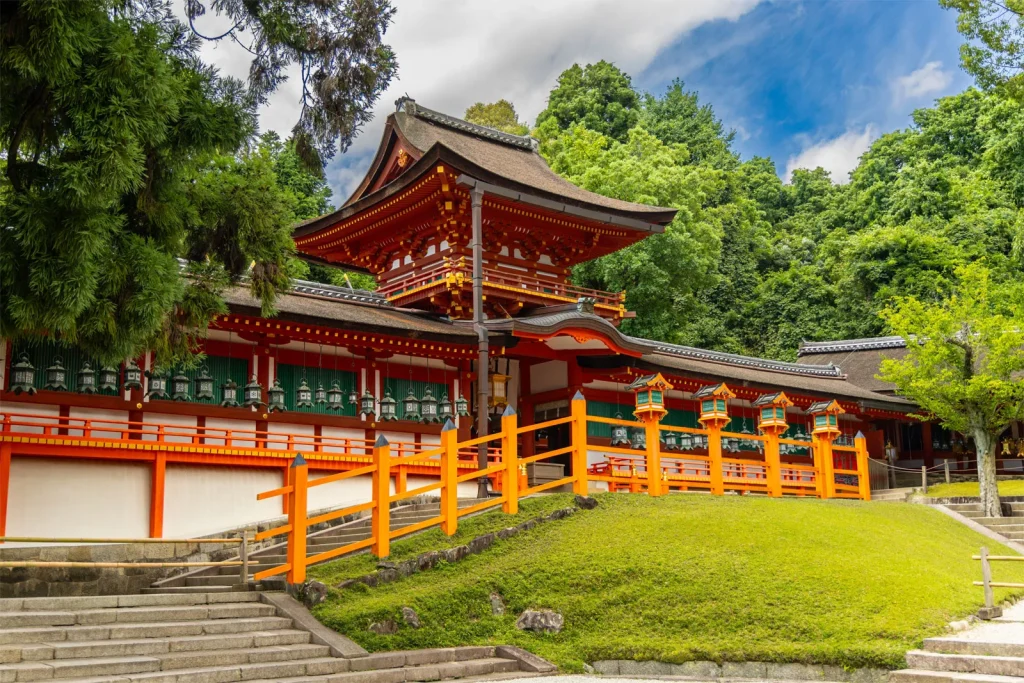
Nara Park, located at the foot of Mount Wakakusa, was founded in 1880. The park boasts the world’s largest wooden structure (57 m), the 8th-century Todai-ji Temple, a UNESCO World Heritage Site with its Daibutsu-den Hall, home to one of the world’s largest Buddha statues (14.98 m). Also worth visiting are two UNESCO World Heritage sites: the 8th-century Kasuga-Taisha Shinto Shrine with its surrounding forest and the 8th-century Kofuku-ji Temple with its three golden pavilions. Also located here are the 8th-century Shinto Shinto Shinto Shrine and the Nara National Museum, which houses a collection of Buddhist art, including sculptures, paintings, and temple manuscripts.
In addition to those already listed, three more Buddhist temples, Gango-ji (6th century), Yakushi-ji (7th century) and Toshodai-ji (8th century), as well as the Heijo Palace, which formerly served as the Imperial residence, are also declared UNESCO cultural monuments of Ancient Nara.