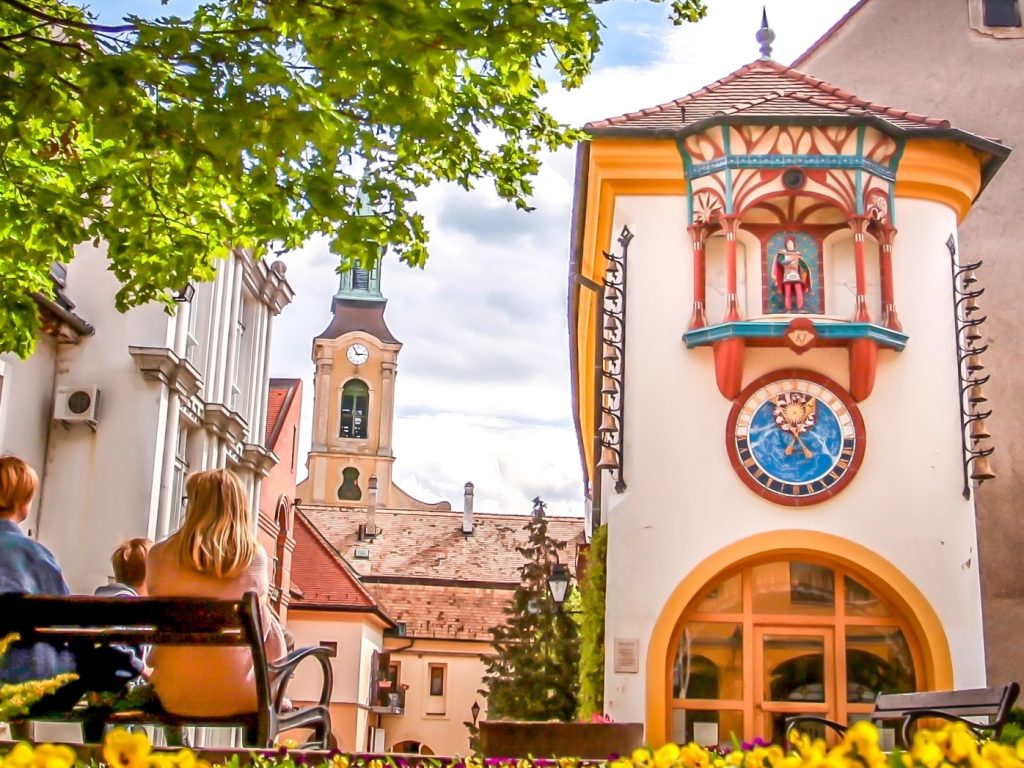
 Székesfehérvár is arguably more significant for Hungary than its capital, Budapest. Over the years, it has been called “The City of Kings,” “The White City with a Throne,” and “The Cradle of Hungarian Statehood.” It was in the local cathedral that the monarchs of Hungary were crowned. Even though the cathedral itself has not survived, Székesfehérvár retained its royal character.
The first head of state to be crowned in the cathedral was Peter Orseolo in 1038. The last was John II in 1526. Kings Stephen I, Béla II, Matthias Corvinus, and others are buried in the cathedral.
Entertainment and Attractions
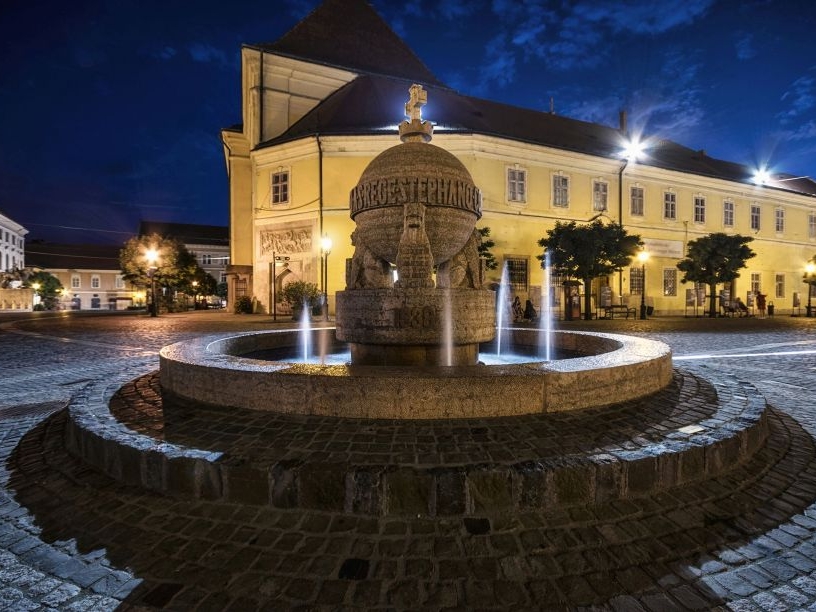
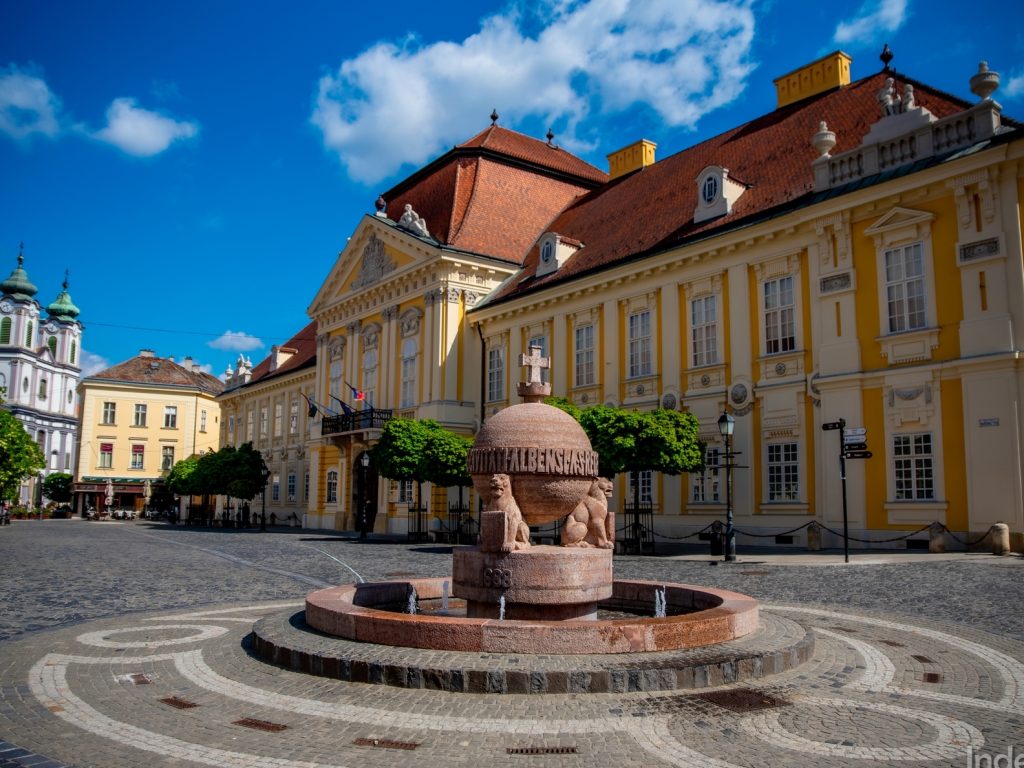
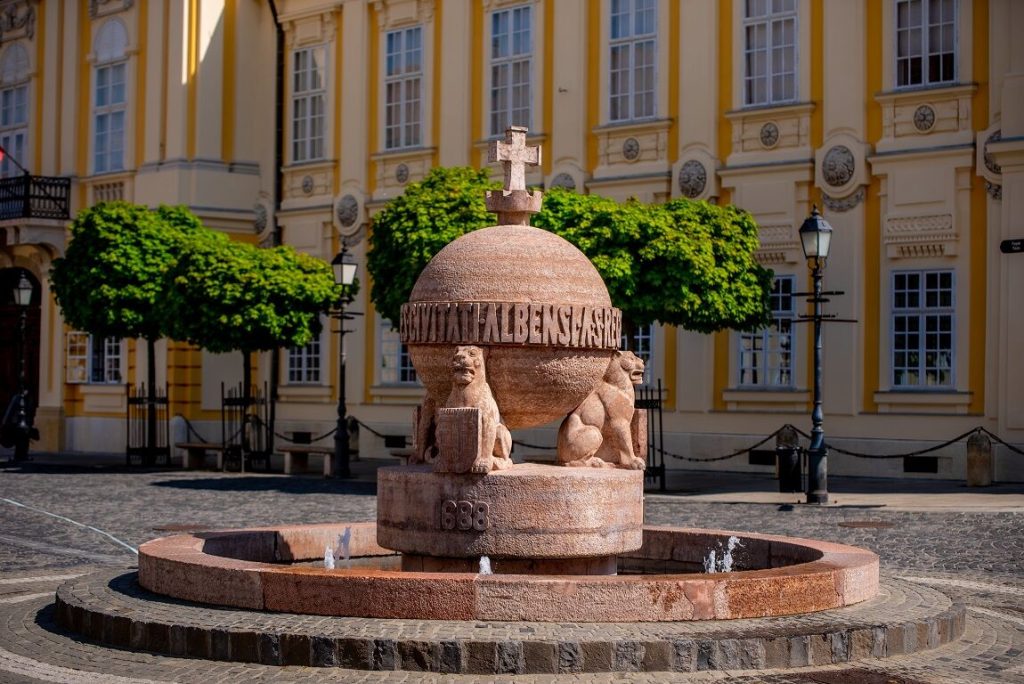
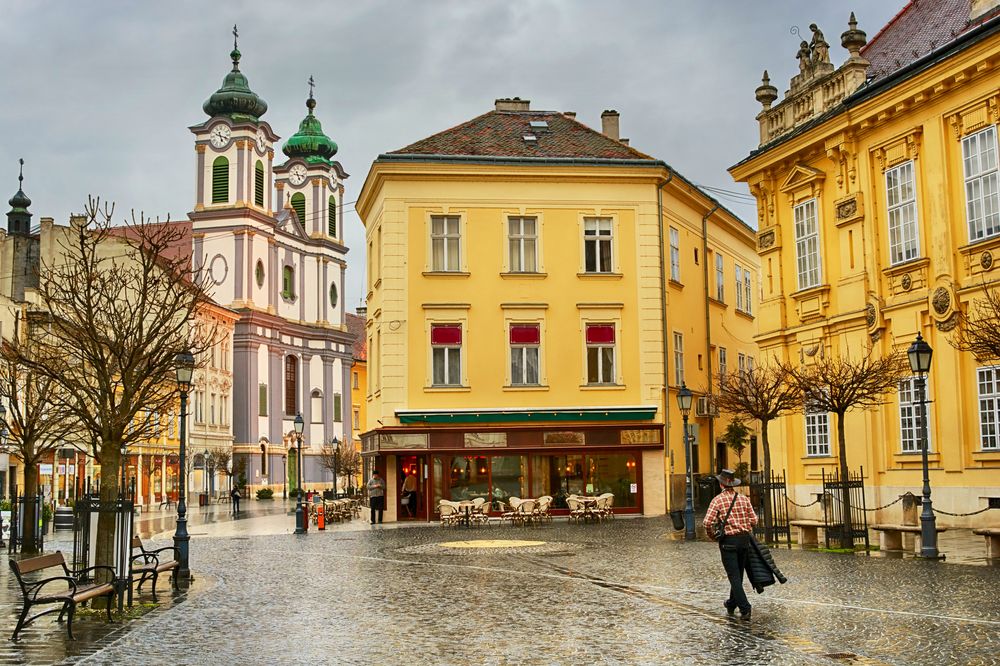
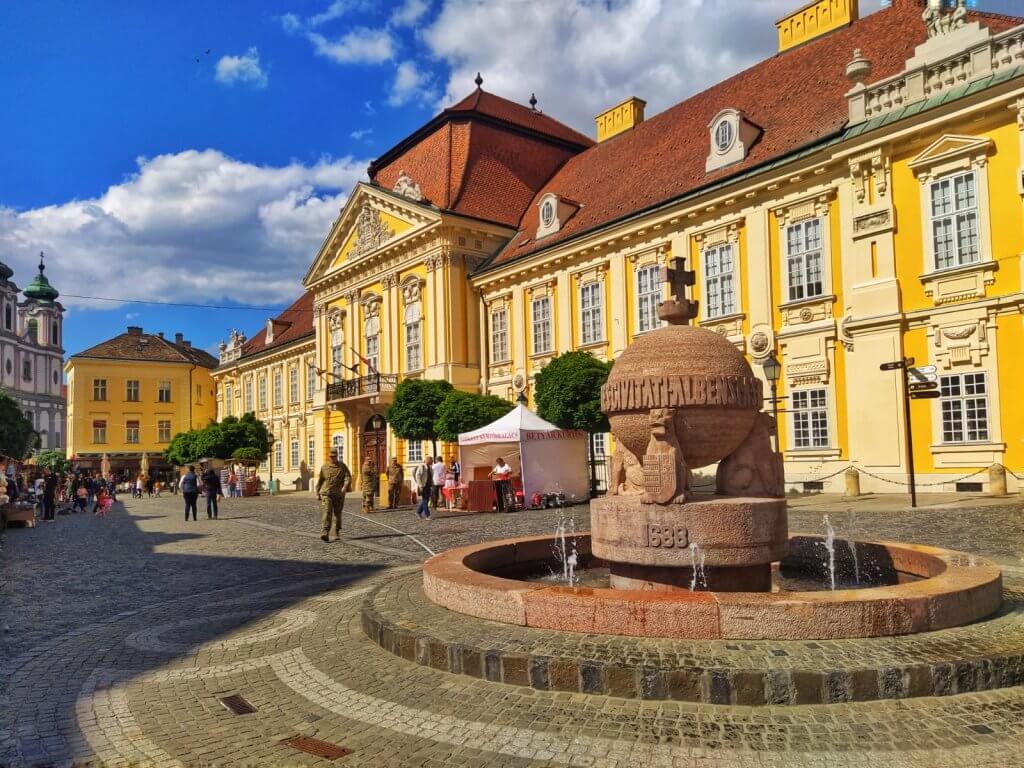
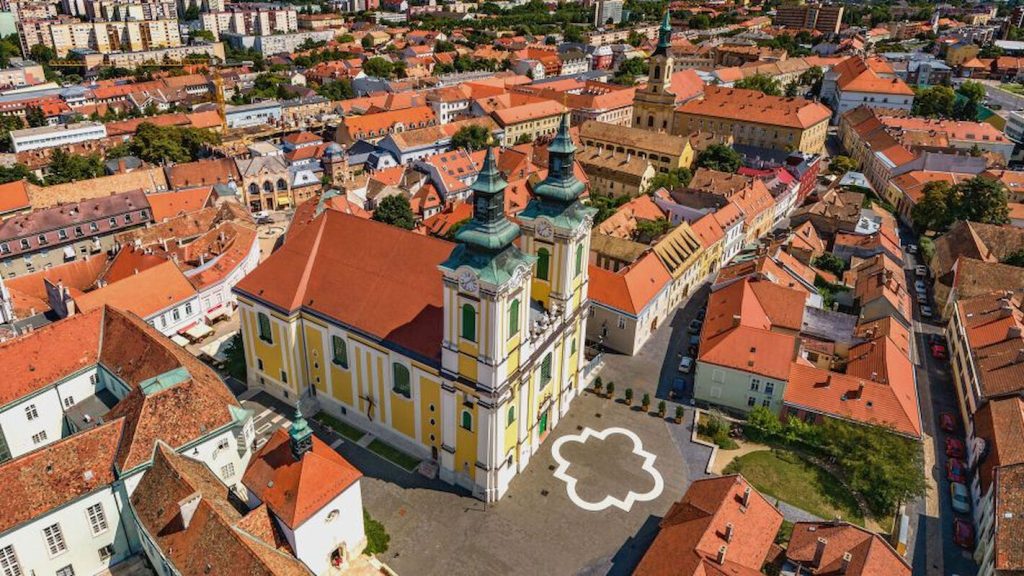
The Bishop’s Palace, built in the classical style of the early 19th century, immediately attracts travelers to Town Hall Square. The Town Hall itself was built in the Baroque style. Another popular landmark is the Franciscan Church of St. Imre. The main symbol of Székesfehérvár, the “Orb” sculpture, is also located here.
St. Stephen’s Cathedral is one of the city’s most majestic and beautiful churches. It was built in the center of the Old Town on the site of an ancient Gothic church destroyed by the Ottomans. The Baroque church took 10 years to build, from 1758 to 1768.
The “Garden of Ruins” is one of the earliest pages in Székesfehérvár’s history. This is the name given to the foundations of an ancient basilica, built in the 11th century. It is where the coronations of Hungarian monarchs took place and where they are buried.
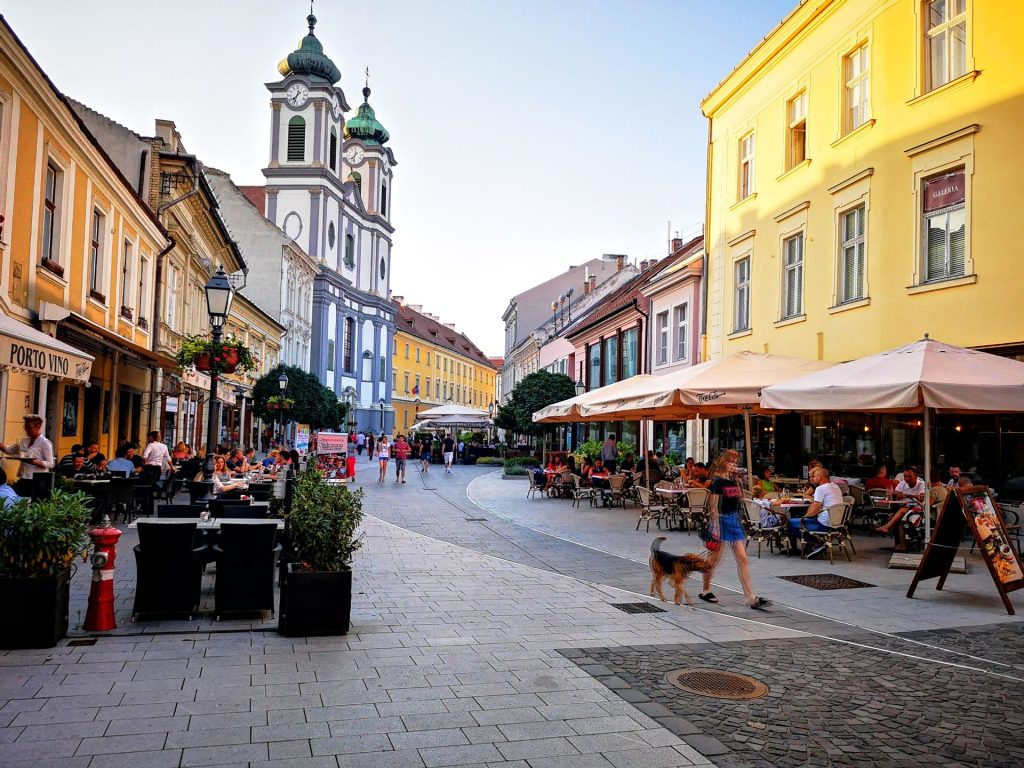
The city’s main street is lined with numerous shops, restaurants, and bars. The Baroque Vörösmarty Theater and the Black Eagle Pharmacy, opened by the Jesuit Order in the 18th century, are also located here.
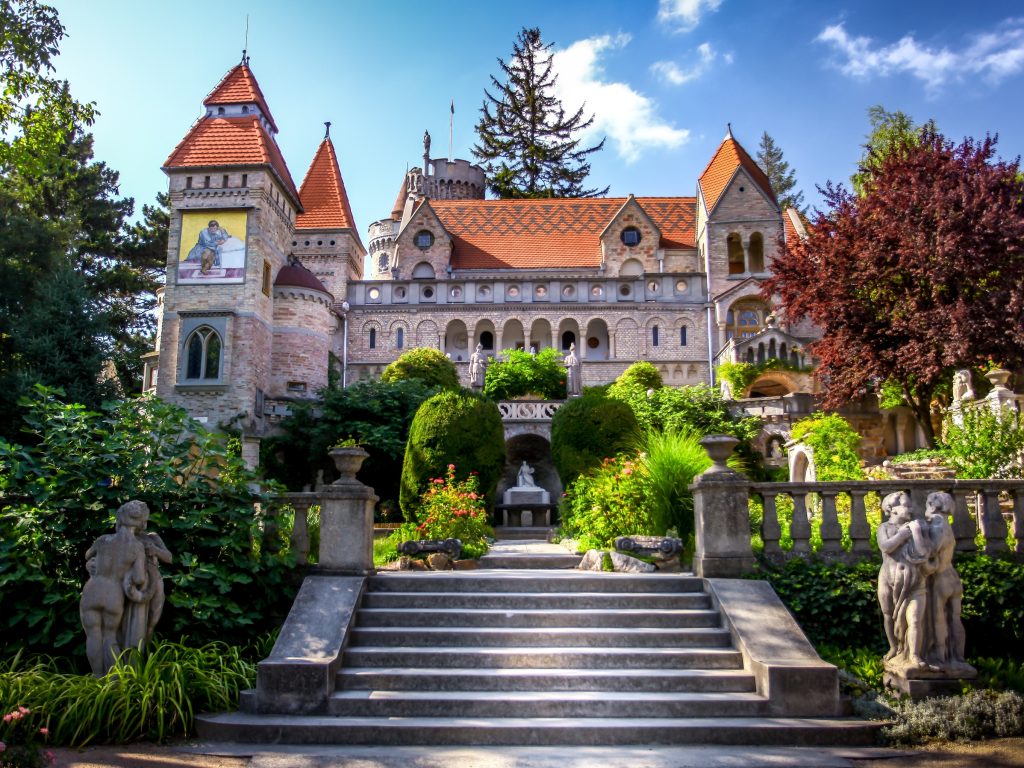
Bori Castle
Bori Castle, built in the mid-20th century, is a popular tourist attraction. Designed by architect Ene Bori, it was built in 1959, and construction lasted over 30 years. The architect gifted the palace to his wife, Ilona Bori, and the interior is filled with numerous paintings and sculptures dedicated to his wife. The building’s façade blends several styles—Gothic, Renaissance, and Romanesque.