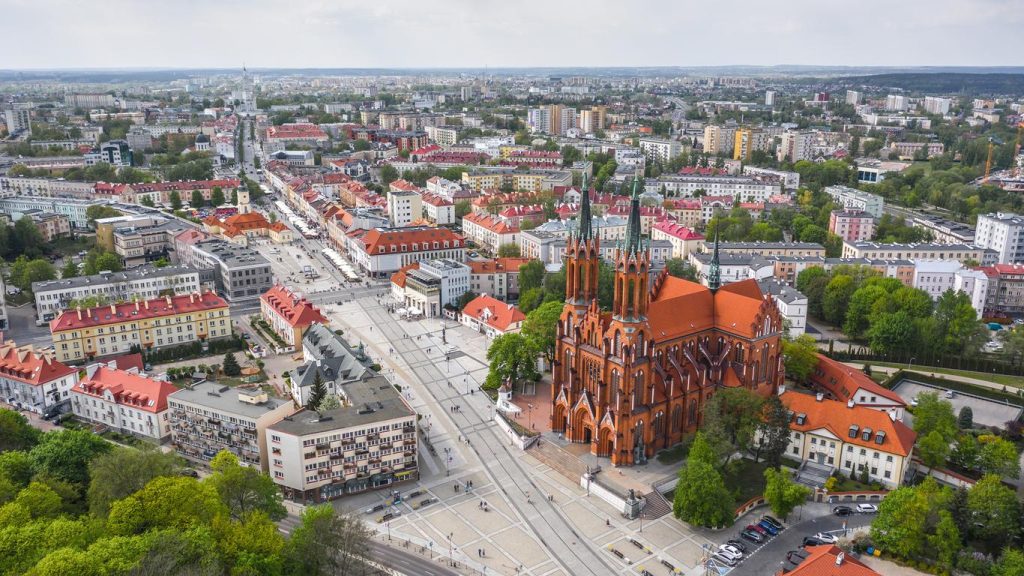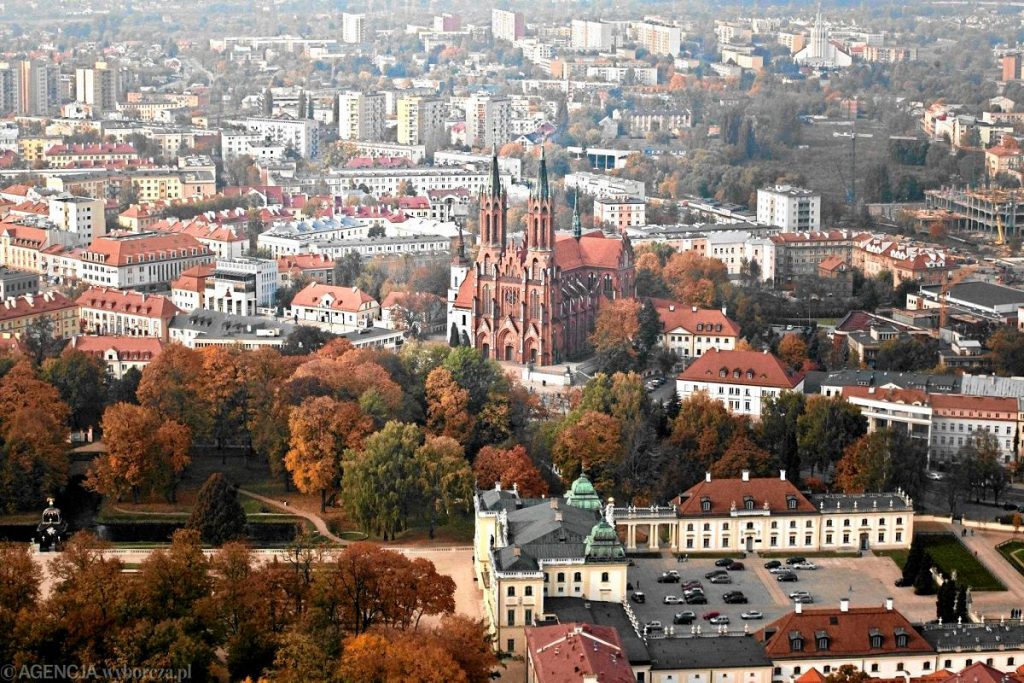
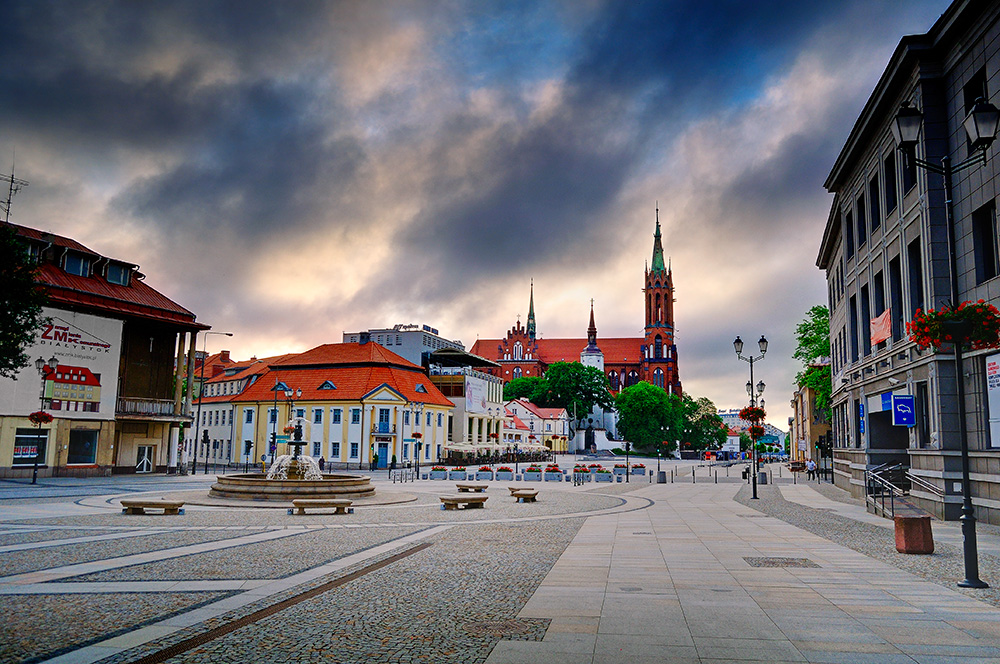
 Bialystok is located in eastern Poland, adjacent to Belarus and the Bialowieza Forest. It is a fairly large and developed city, with major industrial enterprises, yet it is not at all industrial. The local architecture is sure to impress anyone with its richness and diversity.
Bialystok Attractions and Attractions
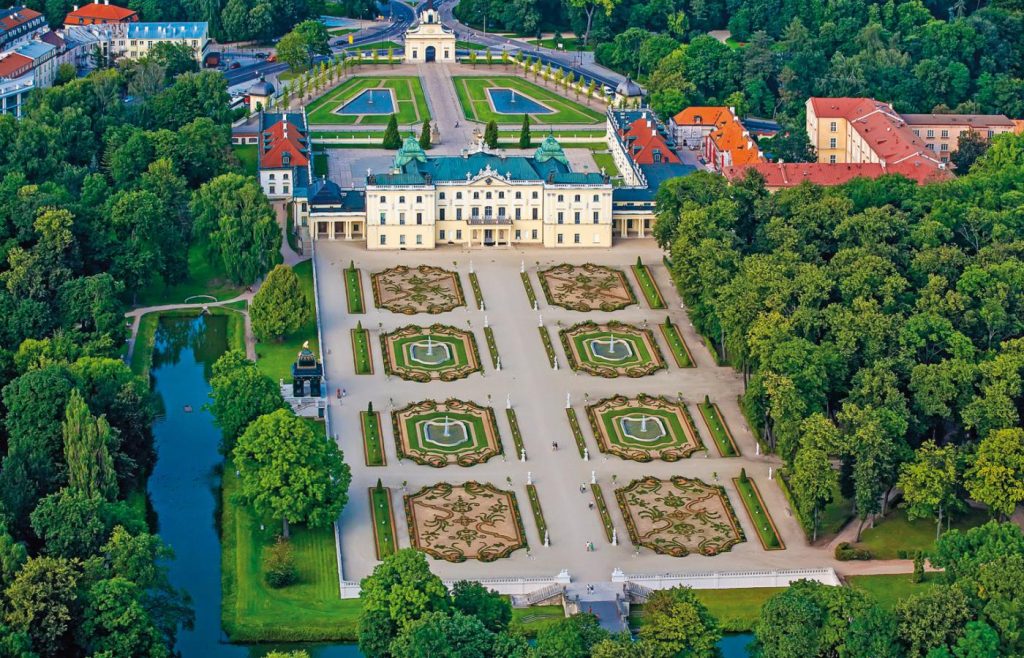
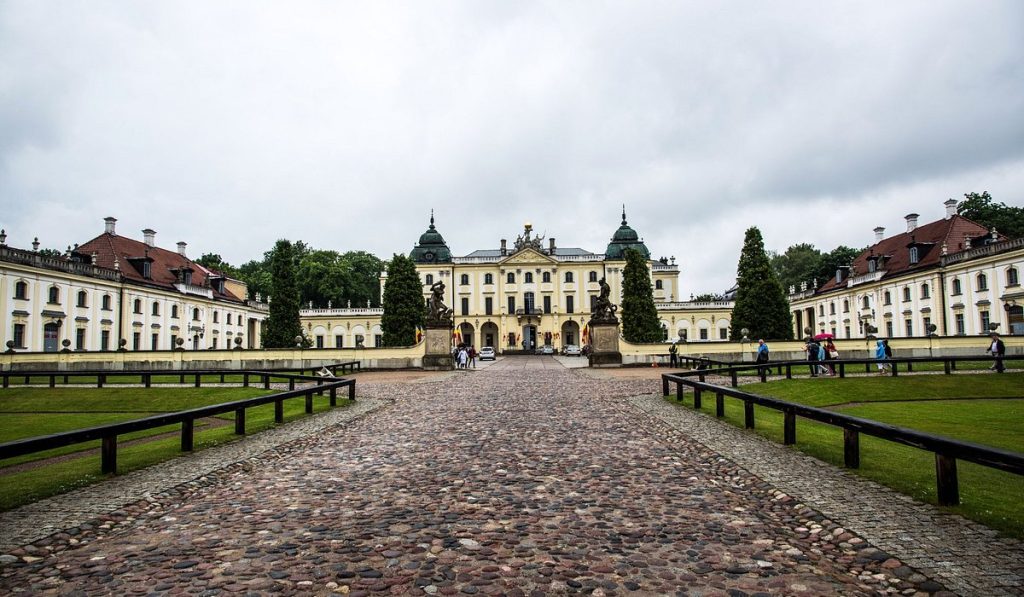
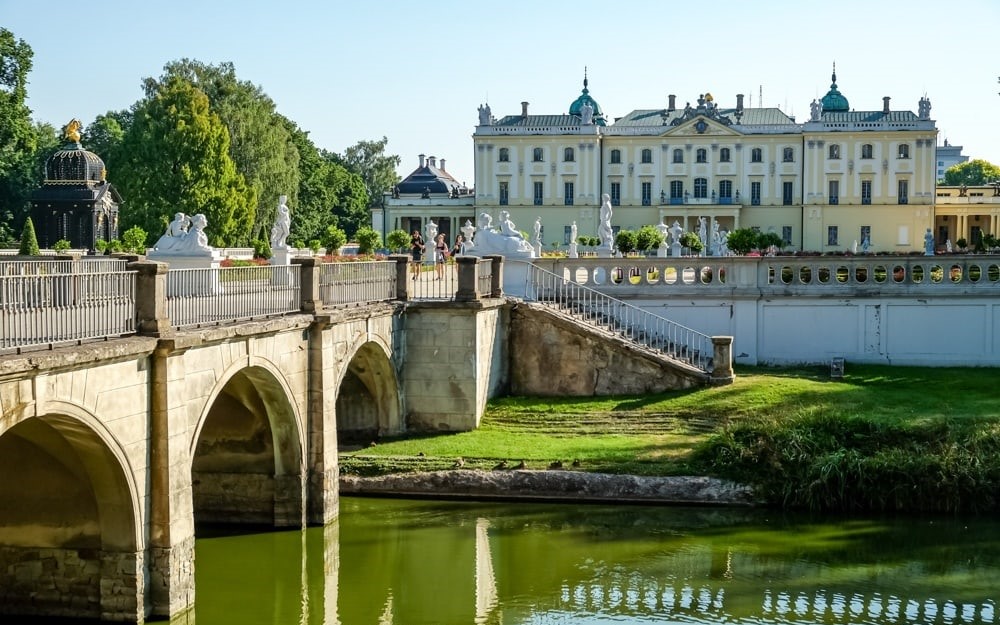
The Baroque Branicki Palace is one of the city’s main attractions. Construction began in the late 17th century and was finally completed in the 18th century. This building was the residence of the Polish-Lithuanian hetman Jan Klemens Branicki. The palace is set in a 10-hectare park, home to sumptuous sculptures, gardens, and pavilions. The main gate at the entrance to the residence is decorated with an image of a griffin.
Other beautiful palaces include the Citron Palace with its richly decorated façade, the classical Lubomirski Palace, and the Hasbach Palace, stylized in a medieval style.
Churches and Temples of Białystok
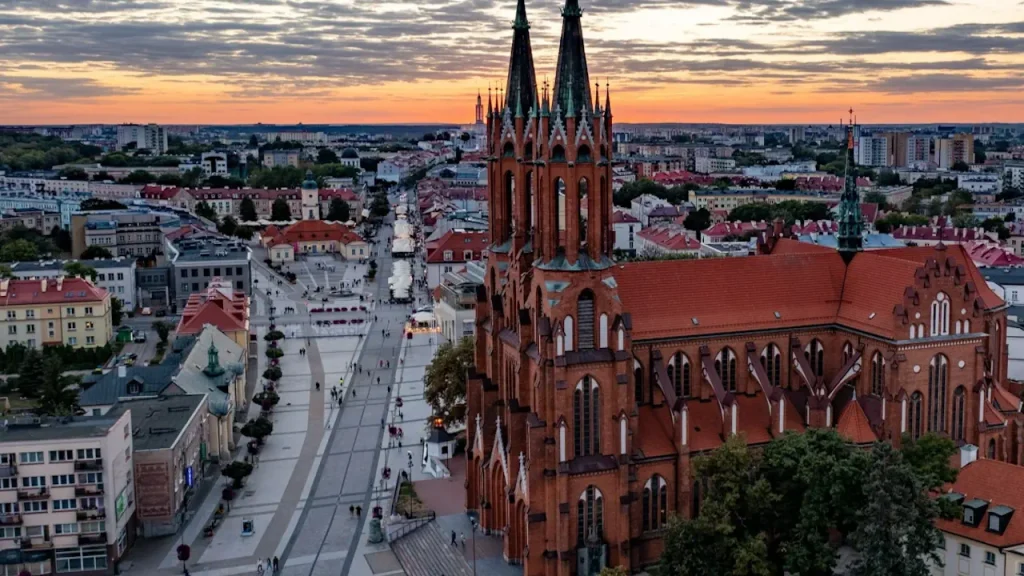
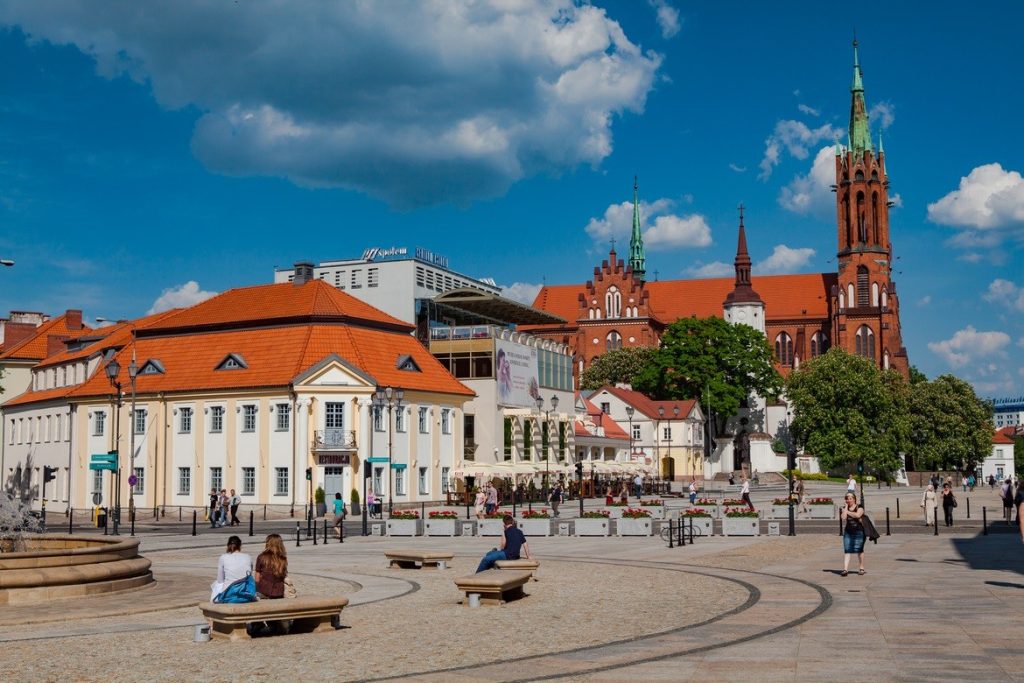
Białystok’s churches are also particularly noteworthy. The historic Parish Church, built in the Renaissance style, features a beautiful portal above the entrance. The Church of the Virgin Mary, built in the early 17th century in the Baroque style, is also worth a visit. The Church of St. Roch, built in the Art Nouveau style in the first half of the 20th century, is also worth a visit.
The Orthodox Church of St. Nicholas the Wonderworker is a more modern church, built in the mid-19th century in the classical style. Its interior features numerous frescoes. The Church of the Holy Spirit, built in the second half of the 20th century, is particularly noteworthy, with its black onion-shaped domes: it is one of the largest Orthodox churches in Poland.
Museums of Białystok
Białystok has a large number of museums, including the Historical Museum, part of the Podlasie Museum, the Army Museum, and the Ludwik Zamenhof Center. On the outskirts of the city is the Museum of Rural Life.