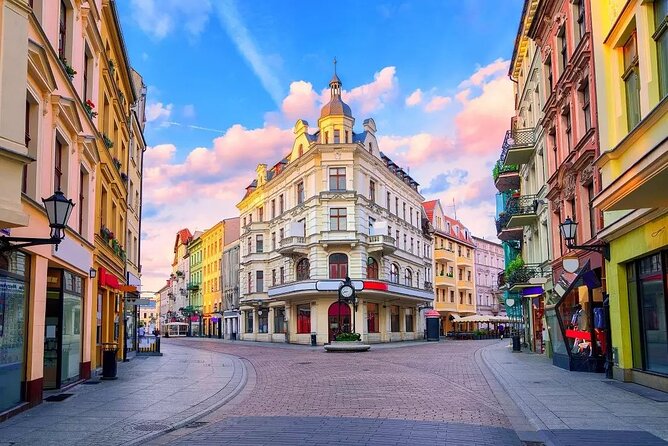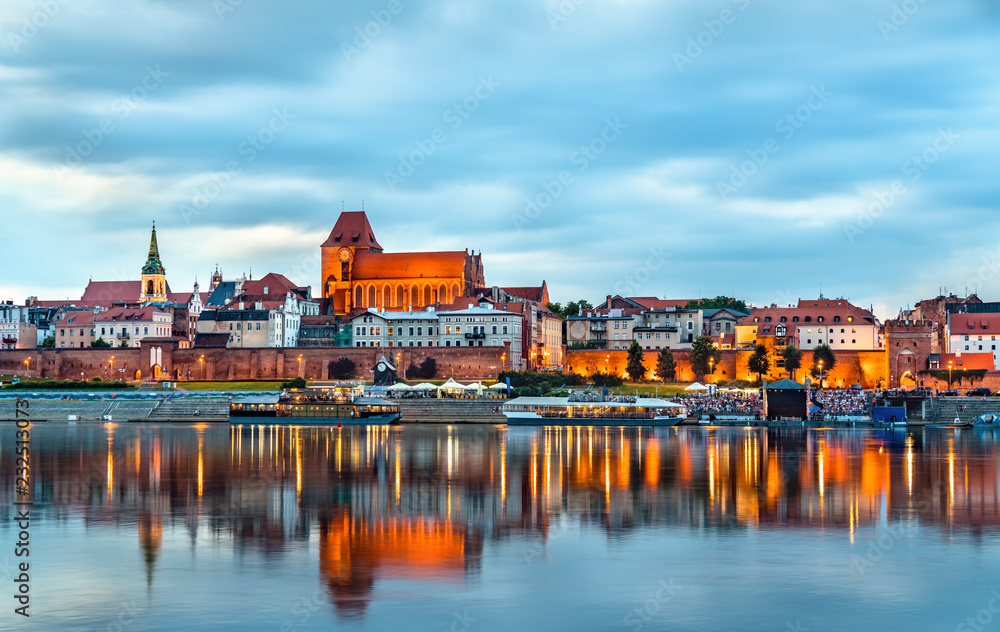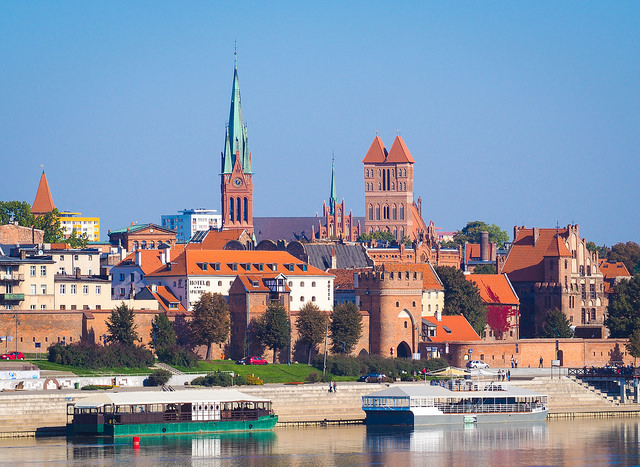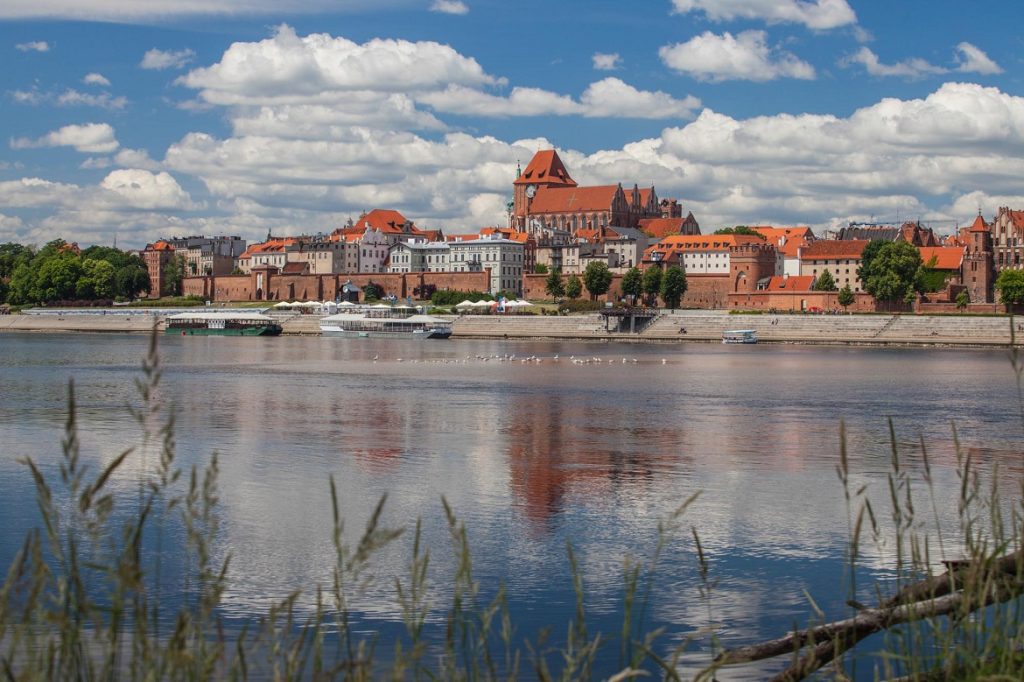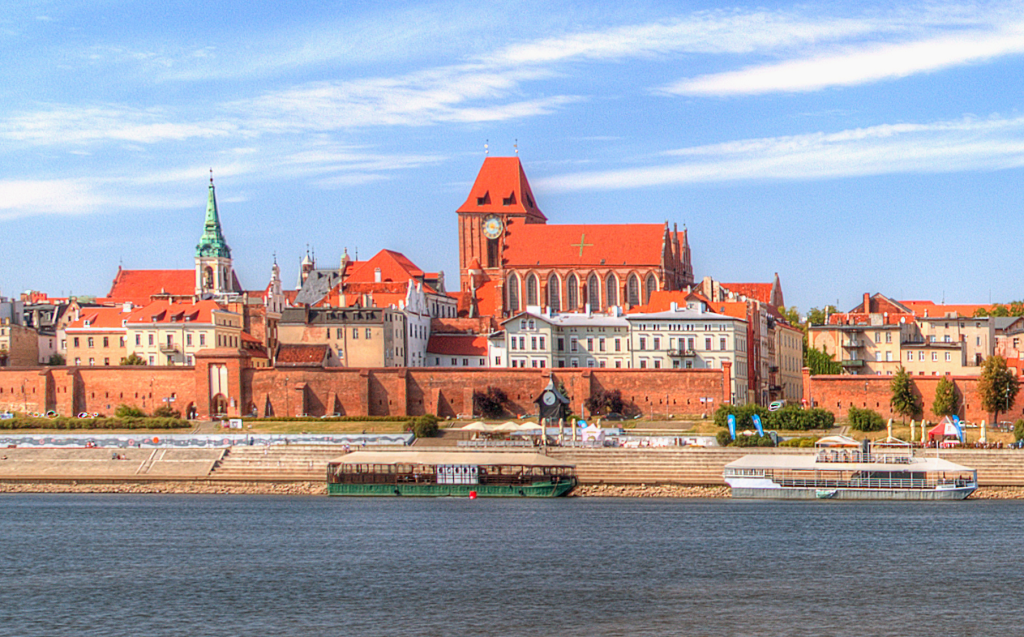
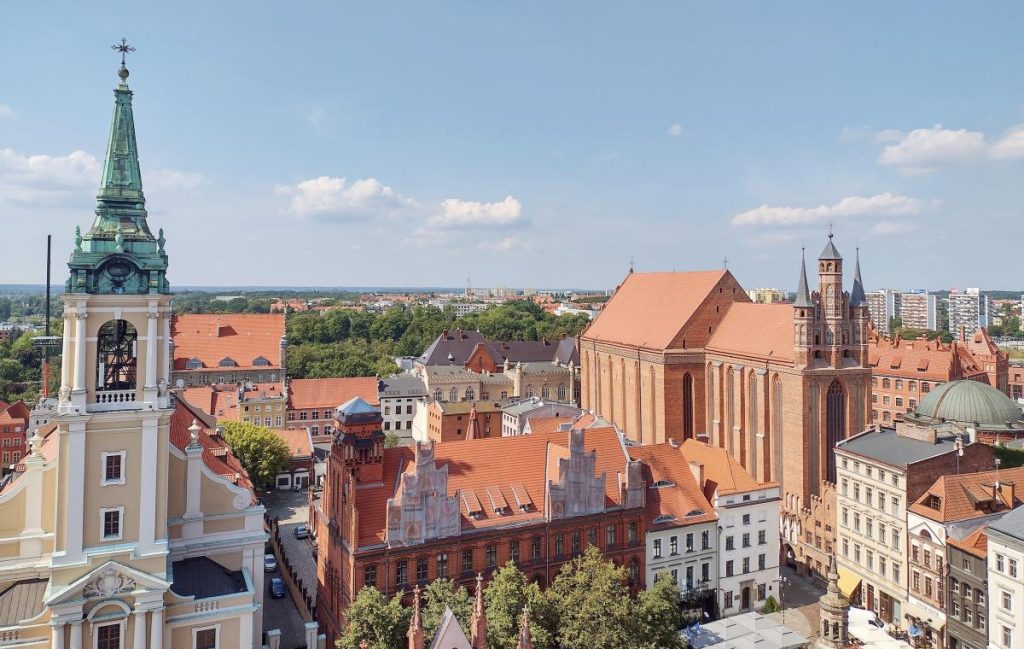
Torun is an old Polish city located on the Vistula River. In the 13th century, the Teutonic Knights inhabited this site, building a fort, fortress, and castle as their residence.
Tourists are drawn to the city by the remains of the city walls and other medieval monuments. Torun boasts many ancient buildings—the entire city center is a UNESCO World Heritage Site. The famous astronomer Nicolaus Copernicus was born in Torun: the city boasts his house-museum, a monument, a planetarium, and an observatory with a radio-controlled telescope.
Torun Attractions and Attractions
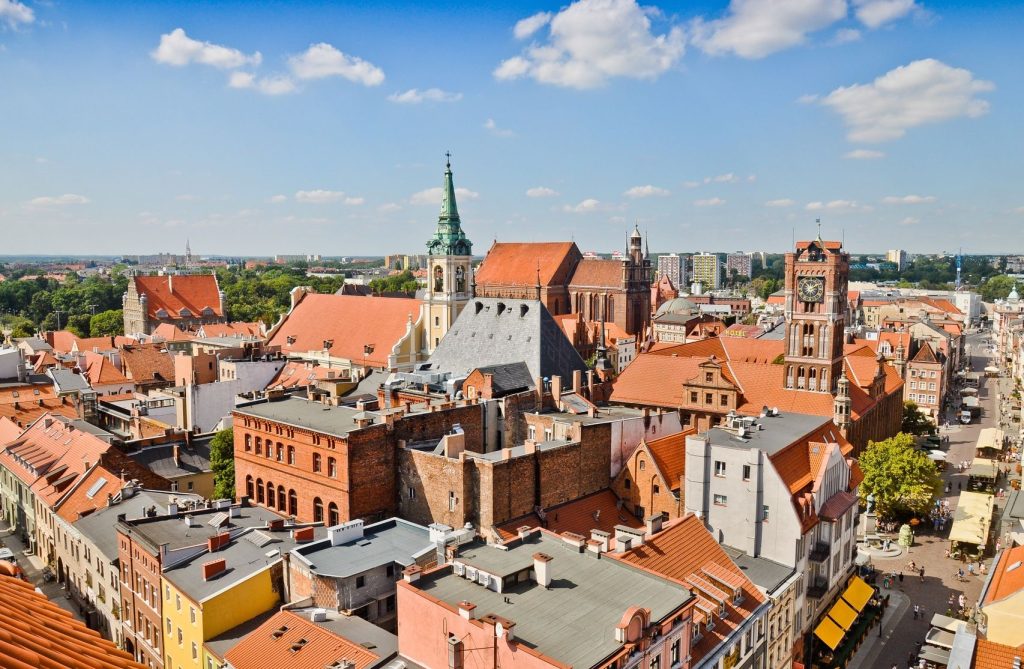
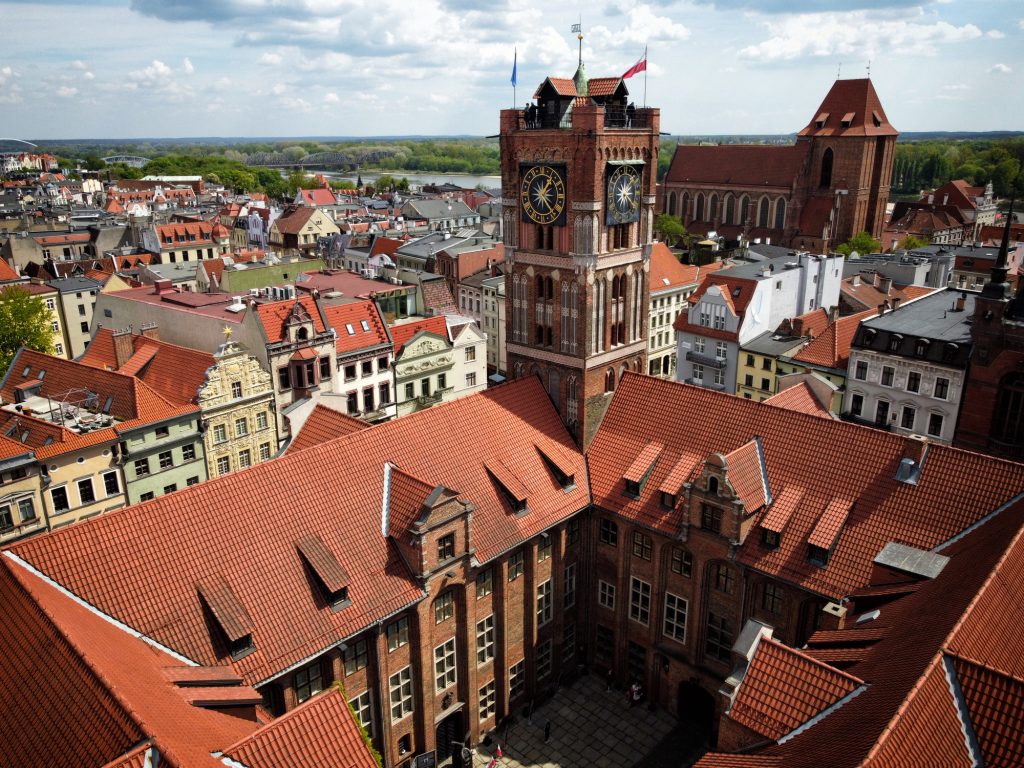
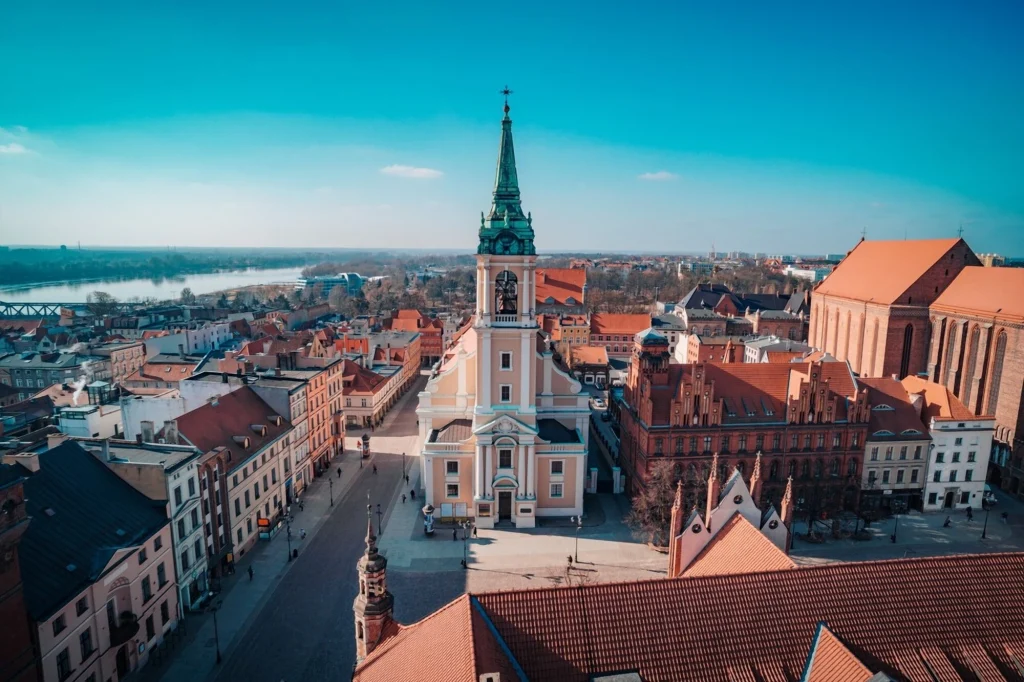
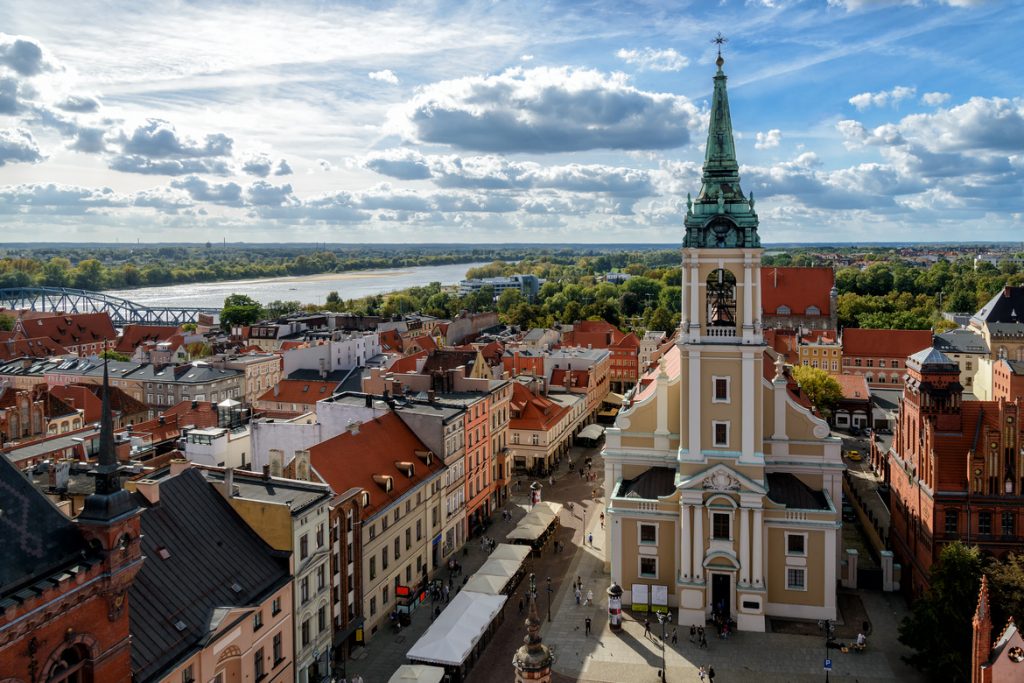
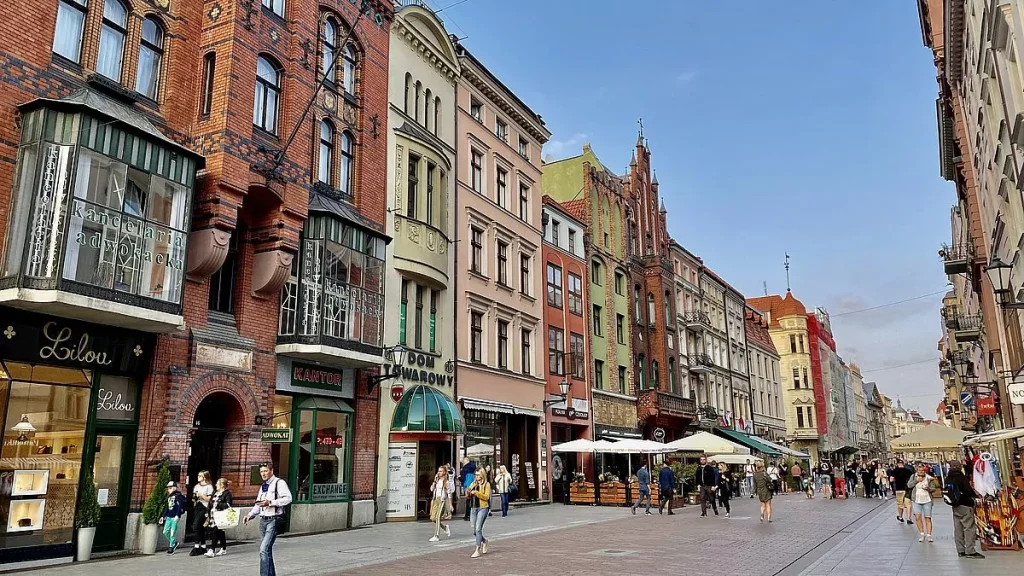
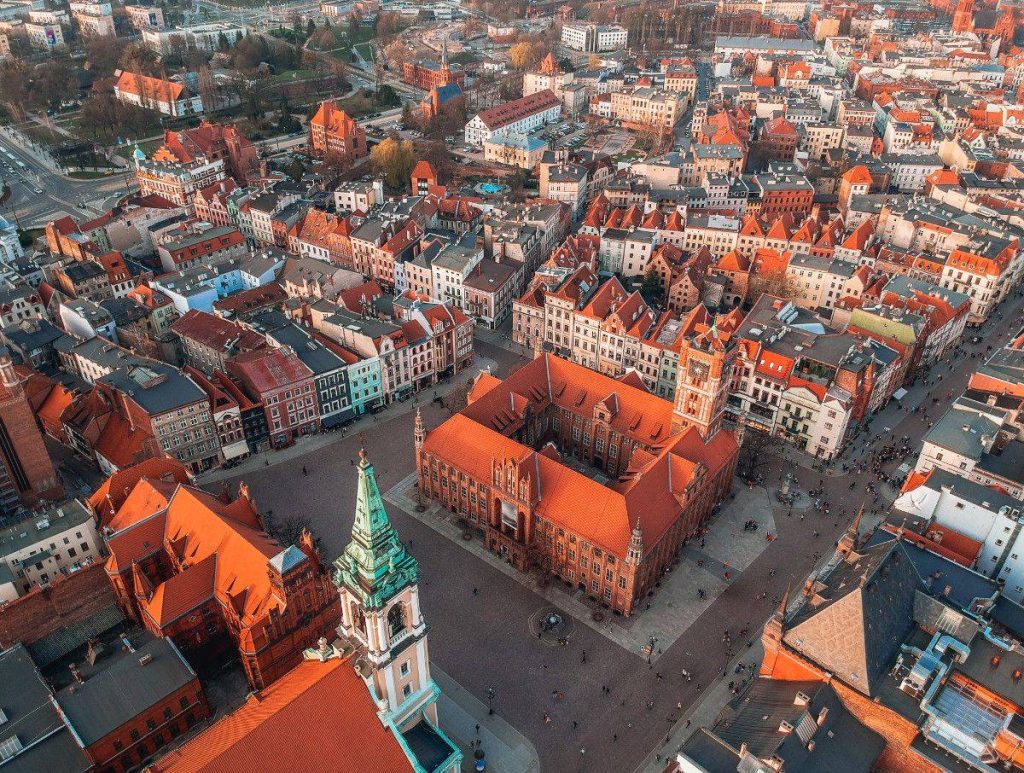
The city center is a UNESCO World Heritage Site, as it preserves one of the largest Gothic architectural complexes in the country. Most of the historic buildings are concentrated around the Market Square and on the surrounding streets. The Town Hall building was built in the 13th and 14th centuries in the Gothic style. Today, its premises house the District Museum, with an interesting collection of medieval art, a gallery of portraits of Polish kings, and a collection of Polish paintings.
Next to the Town Hall stands the stone house where Nicolaus Copernicus was born on February 19, 1473. The building was rebuilt several times, but in the 1960s, it was restored to its original appearance. It now houses the Nicolaus Copernicus Memorial Museum. Several cathedrals are also noteworthy in this part of the city.
St. John’s Church is one of the oldest in the city. Its architecture is a whimsical blend of Gothic and Baroque styles. Its Baroque interiors are sumptuous, and its bell, one of the largest in Poland, bears the name “Trumpet of the Lord.” Also of interest are the Church of the Holy Virgin Mary and the Church of St. James, whose interiors are no less opulent and pompous.