 Ephesus is a museum city, one of the most popular in Turkey. Formerly a tiny farming village, it is now a major tourist destination. Travelers are primarily drawn to the archaeological complex for its antiquity and well-preserved condition.
Attractions and Attractions in Ephesus
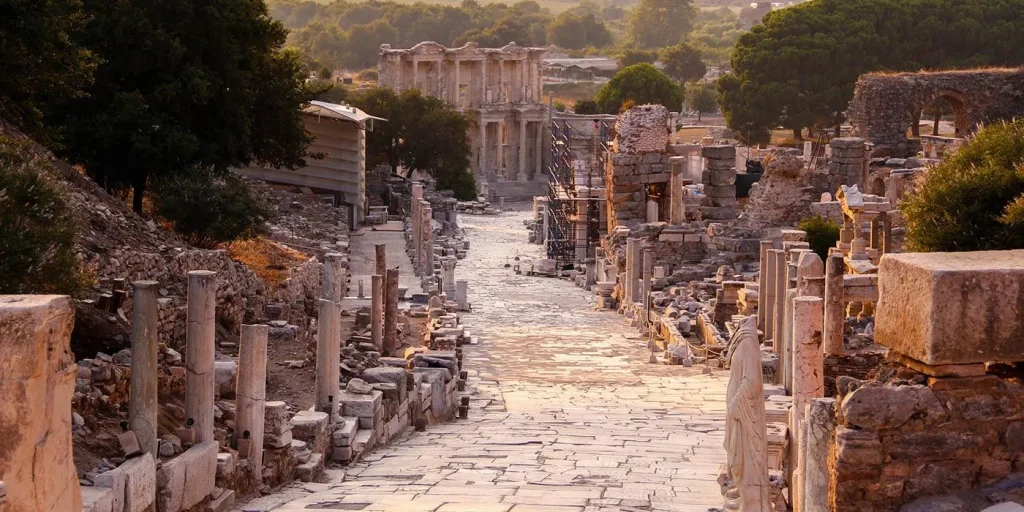
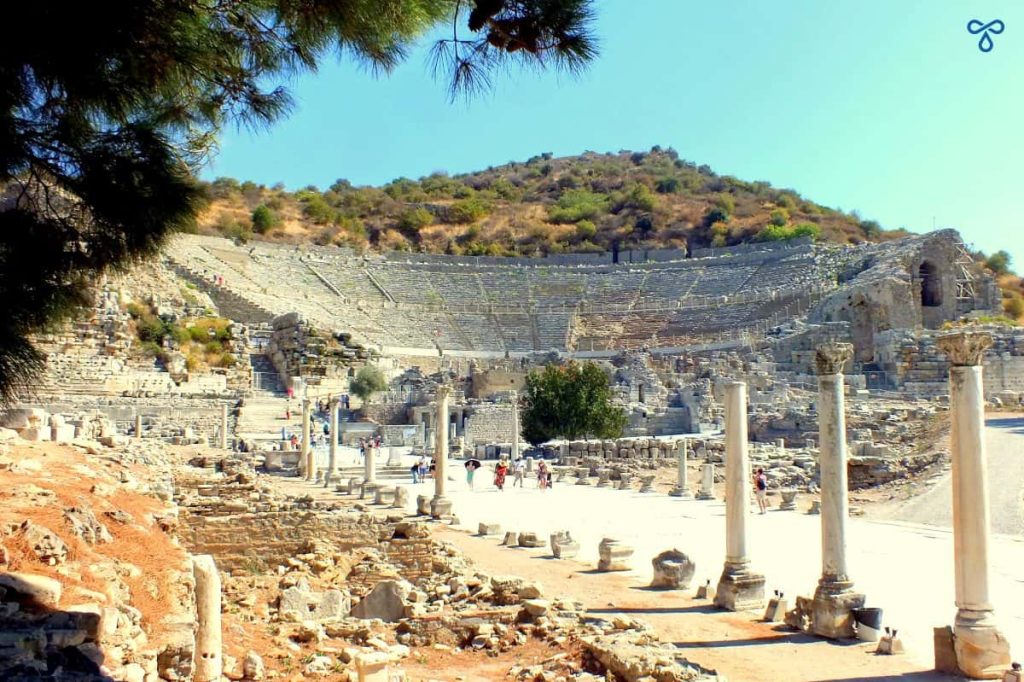
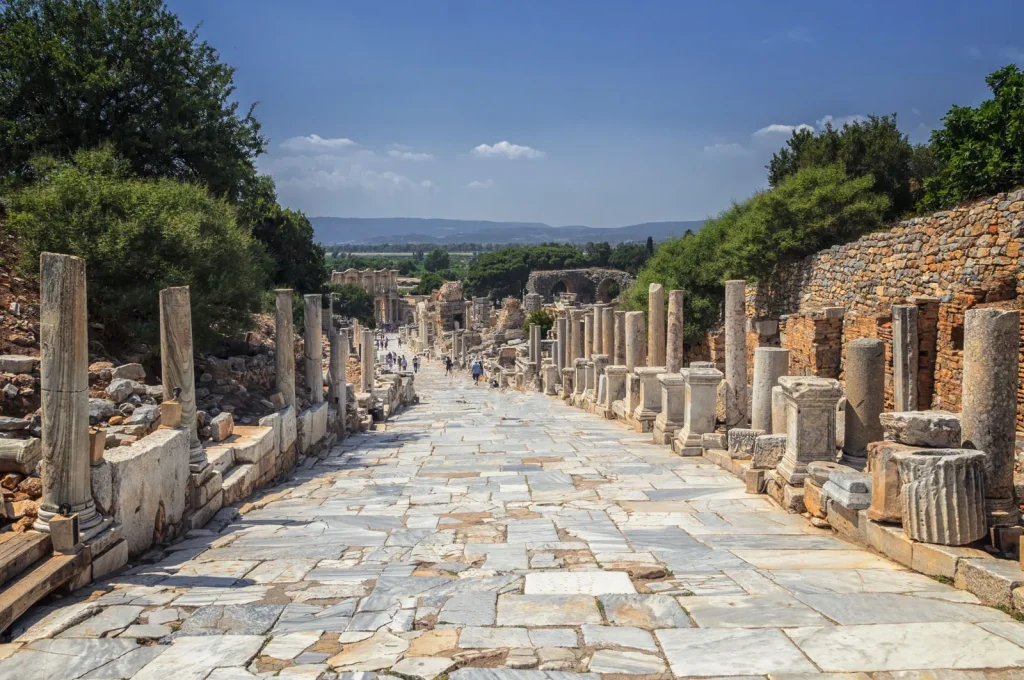
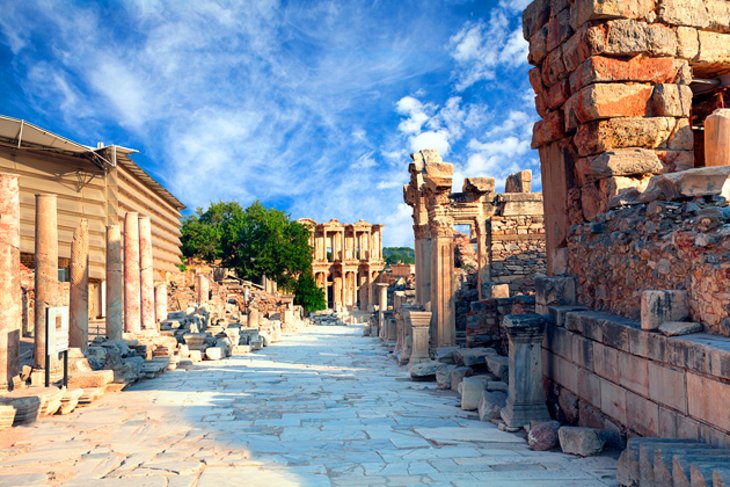
Ephesus is the largest archaeological complex in the eastern Mediterranean, where finds dating back to the Roman period have been discovered. Scientists estimate that approximately 15% of the ancient city has been excavated to date.
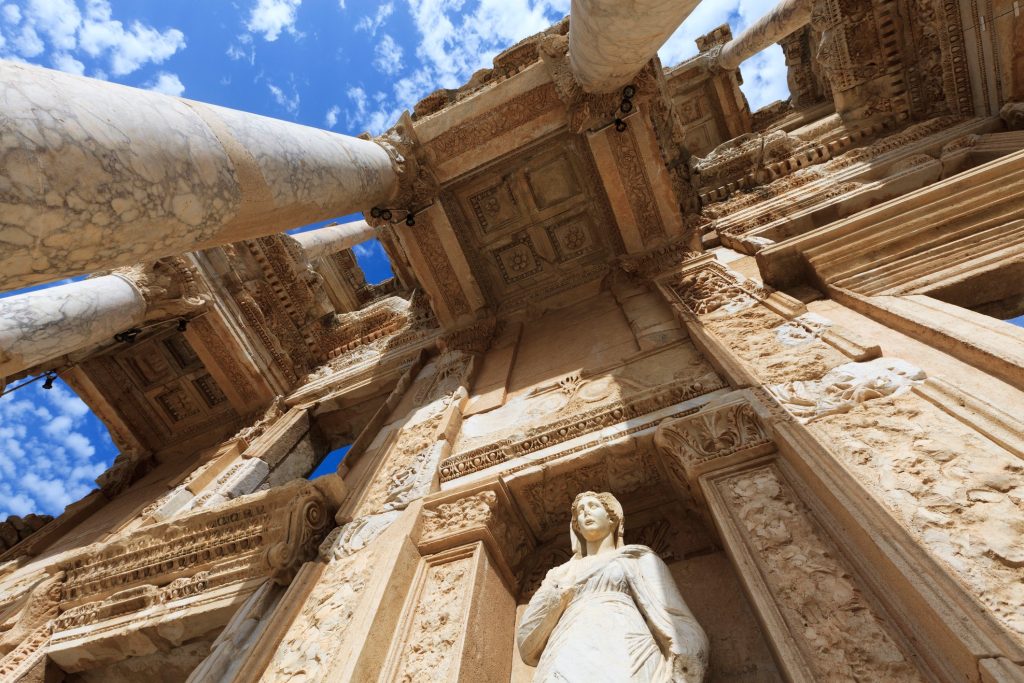
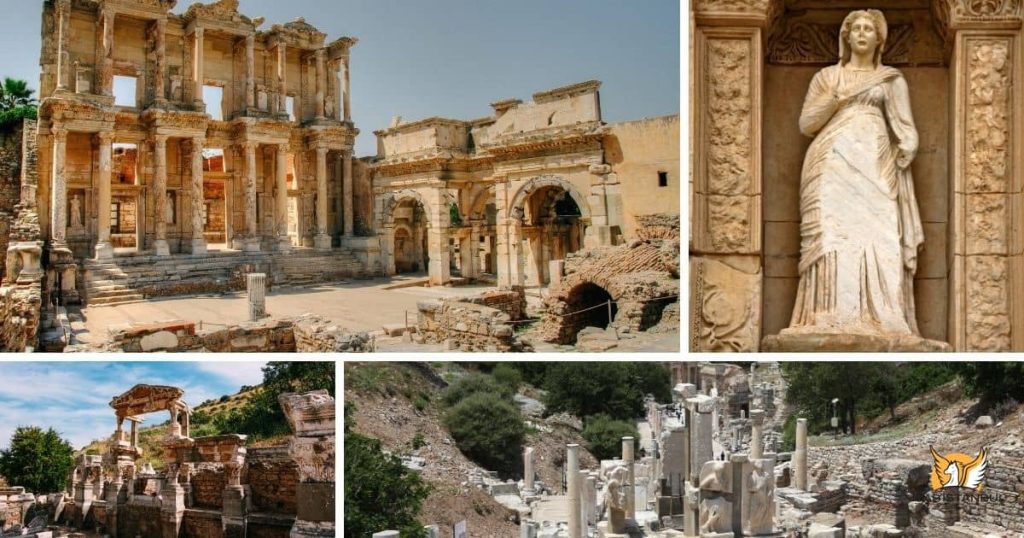
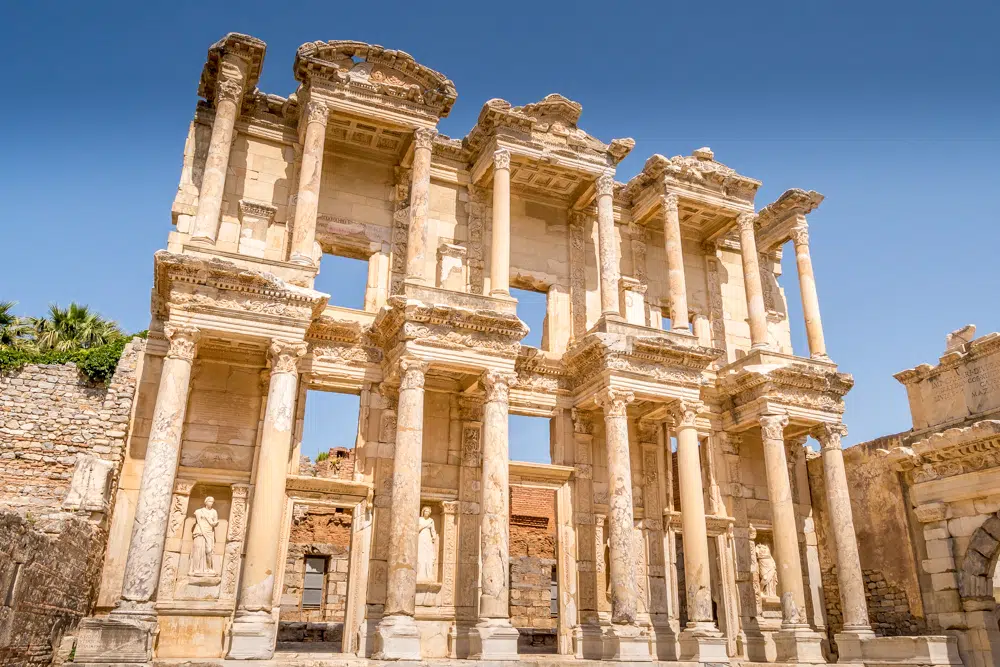
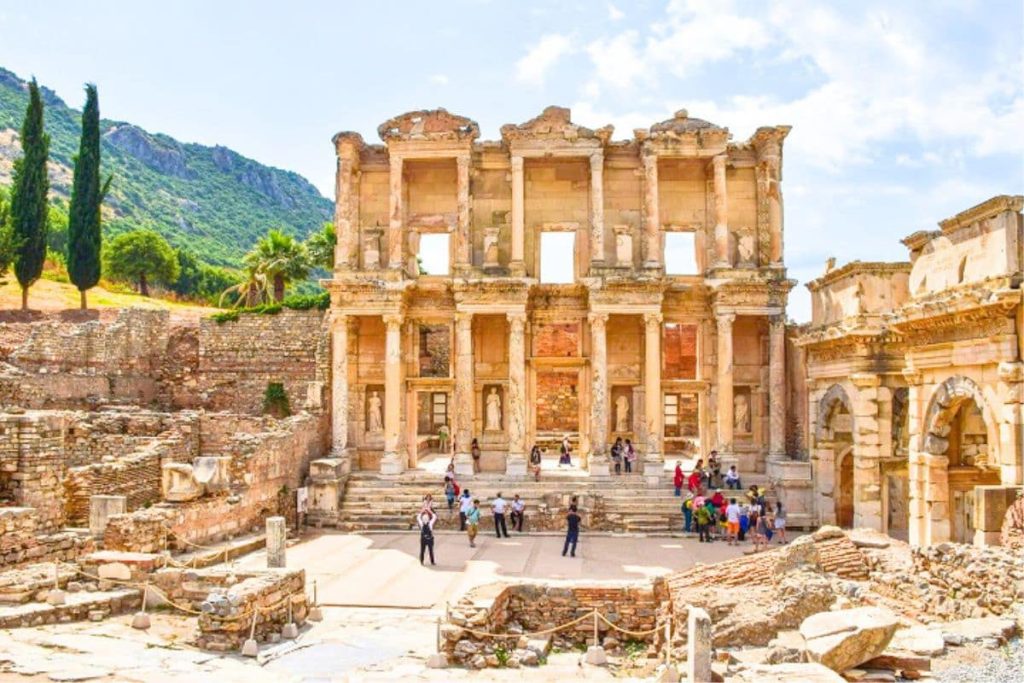
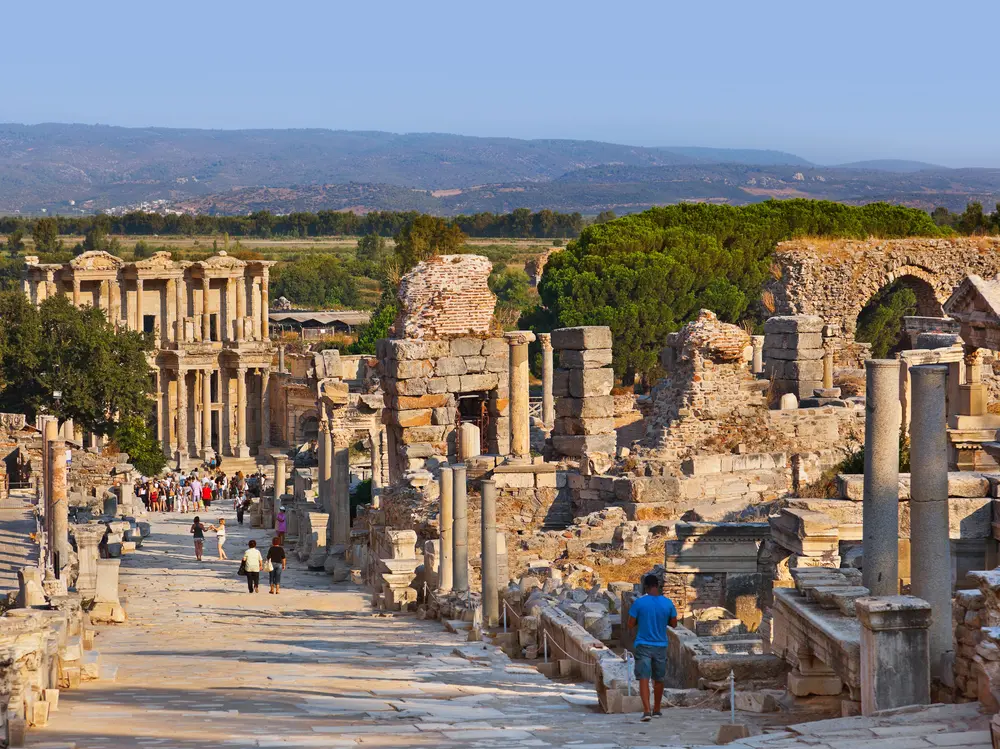
The Library of Celsus, built in 117 CE, is considered one of the most beautiful structures. It served as a monumental tomb for Tiberius Julius Celsus, governor of Asia Province in the Roman Empire, who was buried in a sarcophagus in the basement of the building. The library once housed over 12,000 manuscript scrolls. At that time, the library of Celsus was considered the richest after those of Alexandria and Pergamon.
Of one of the Seven Wonders of the World, the Temple of Artemis, only an inconspicuous column remains, discovered during archaeological excavations conducted by the British Museum in 1870. Some of the other small finds discovered at the temple site are now housed in the Archaeological Museum in Istanbul and the British Museum in London.
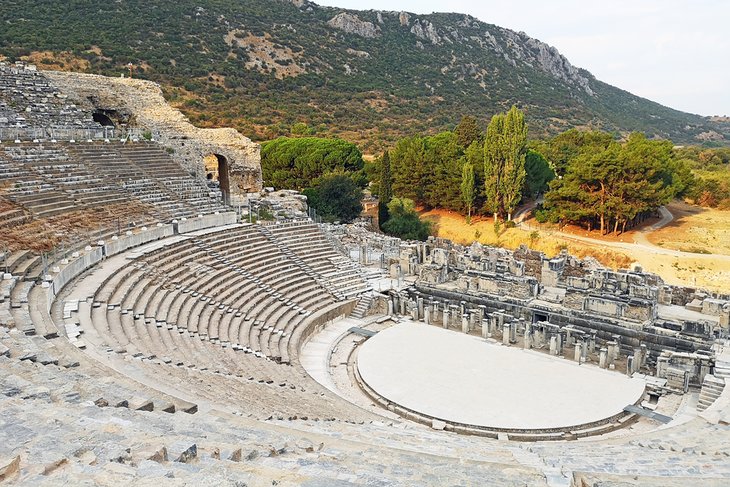
The Odeon was a small covered theater built by Publius Vedius Antonius and his wife around 150 CE. A staircase of 22 steps led into the theater and it could seat 1,500 people. Entrances were located on either side of the stage.
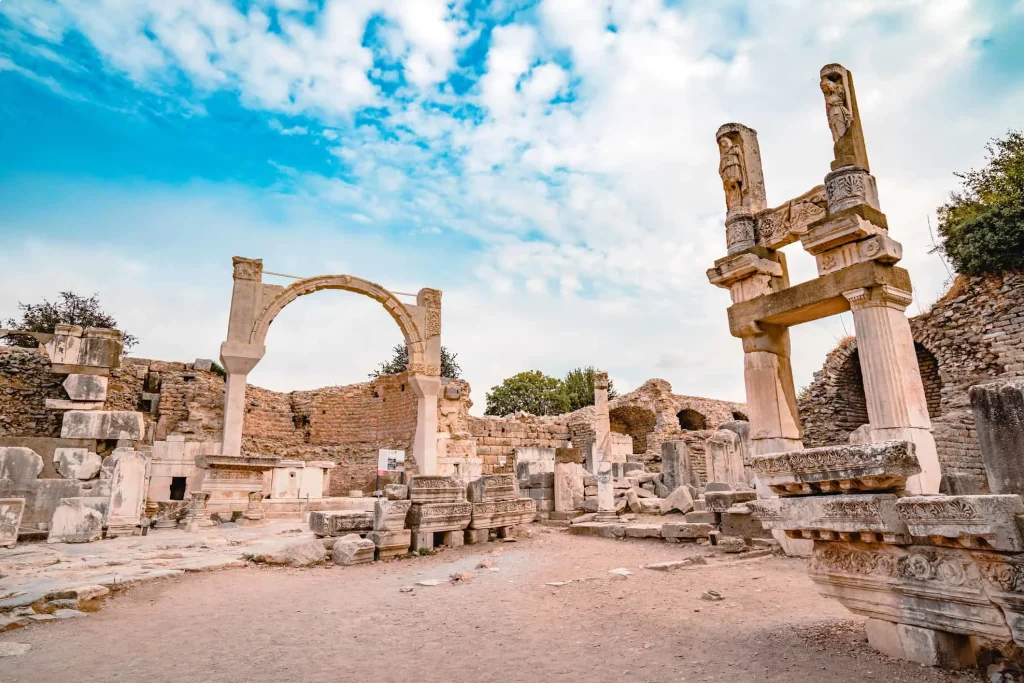
The Temple of Hadrian dates back to the 2nd century CE. Built in 128 CE, it honors Emperor Hadrian, who visited Ephesus in 128 CE. The façade features four Corinthian columns supported by a curved arch, in the center of which is depicted Tyche, the goddess of chance and good fortune.
What to bring from Ephesus
Near the entrance to Ephesus, there are shops selling all the classic Turkish souvenirs: from glass “eyes” to carpets and copper utensils, as well as ceramics, hookahs, colorful lamps, inlaid chess sets, and much more. Eastern sweets make excellent gifts for friends and family, such as the famous Turkish delight or spice sets.
On the museum grounds, tourists may be offered the opportunity to buy archaeological finds “second-hand.” It’s best to avoid this; at best, it will be a fake. And at worst, when you buy genuine antiquities, you’ll run into trouble with the police. The law prohibits the purchase and export from the country of anything that could be considered museum value.