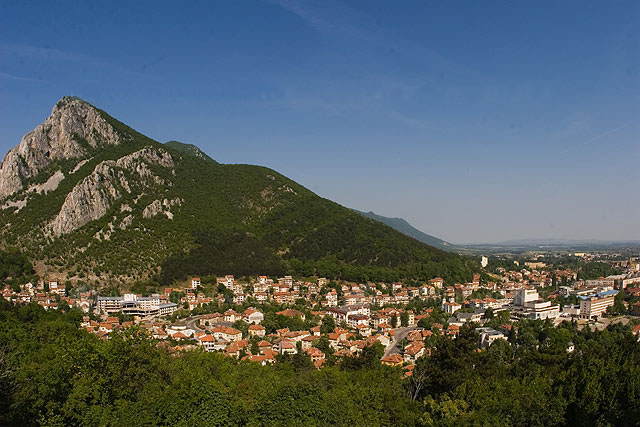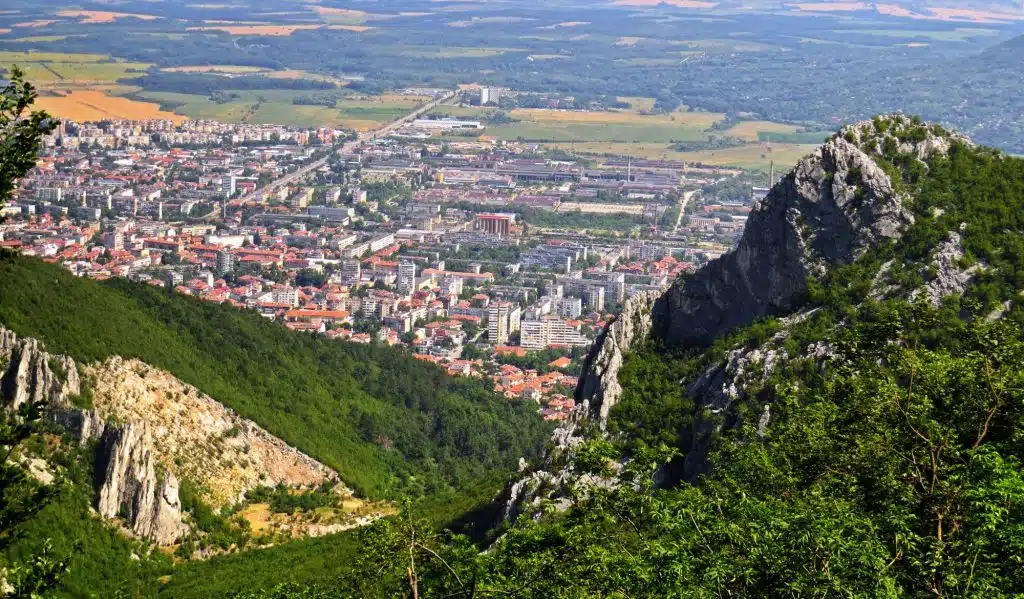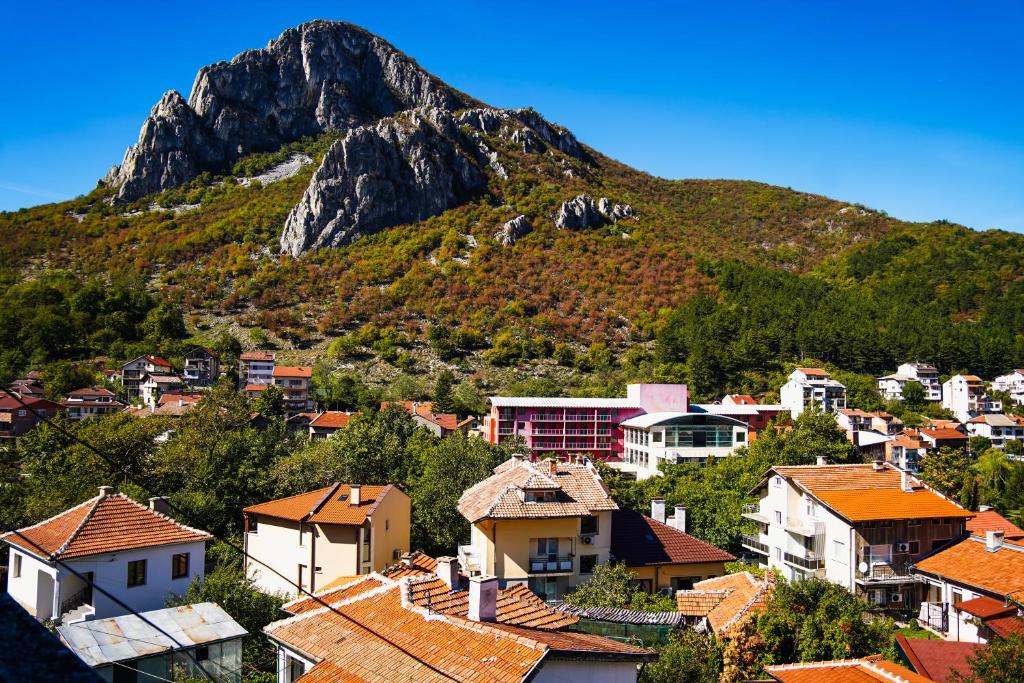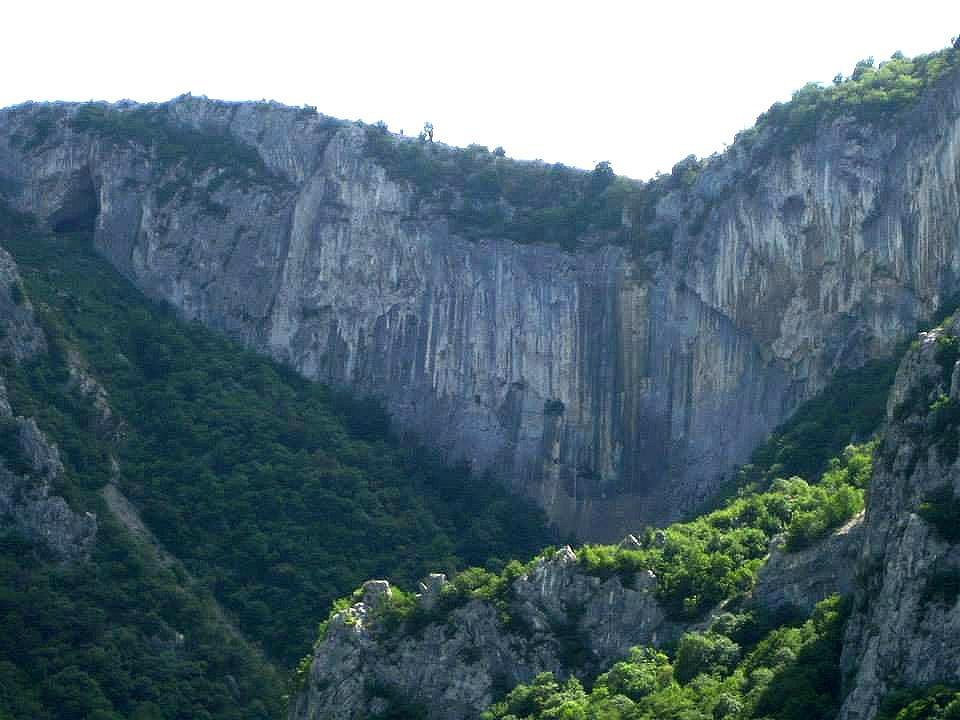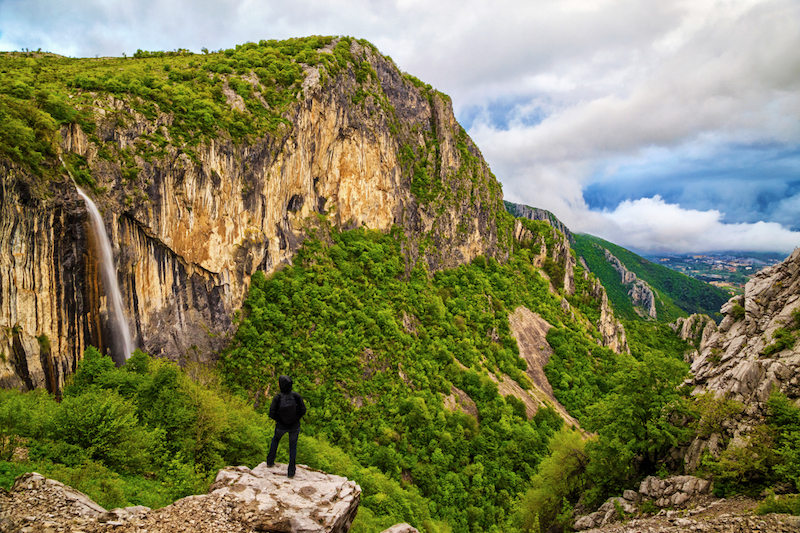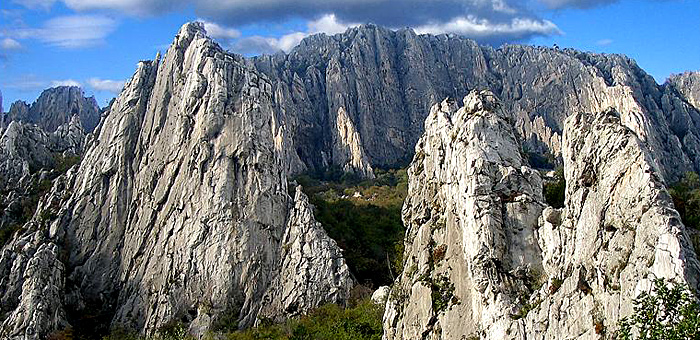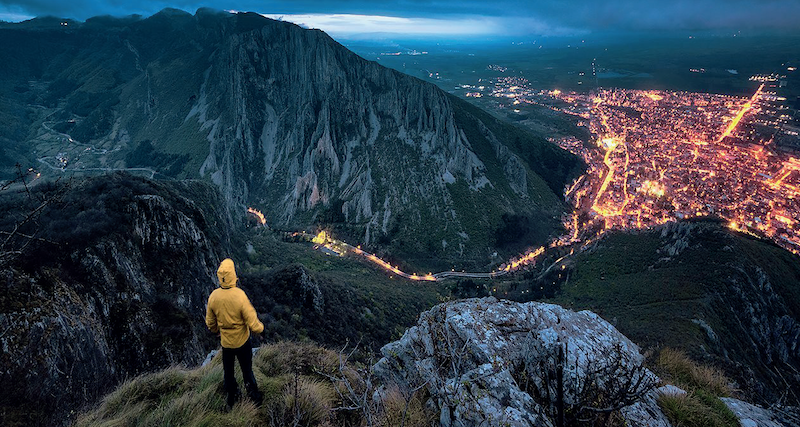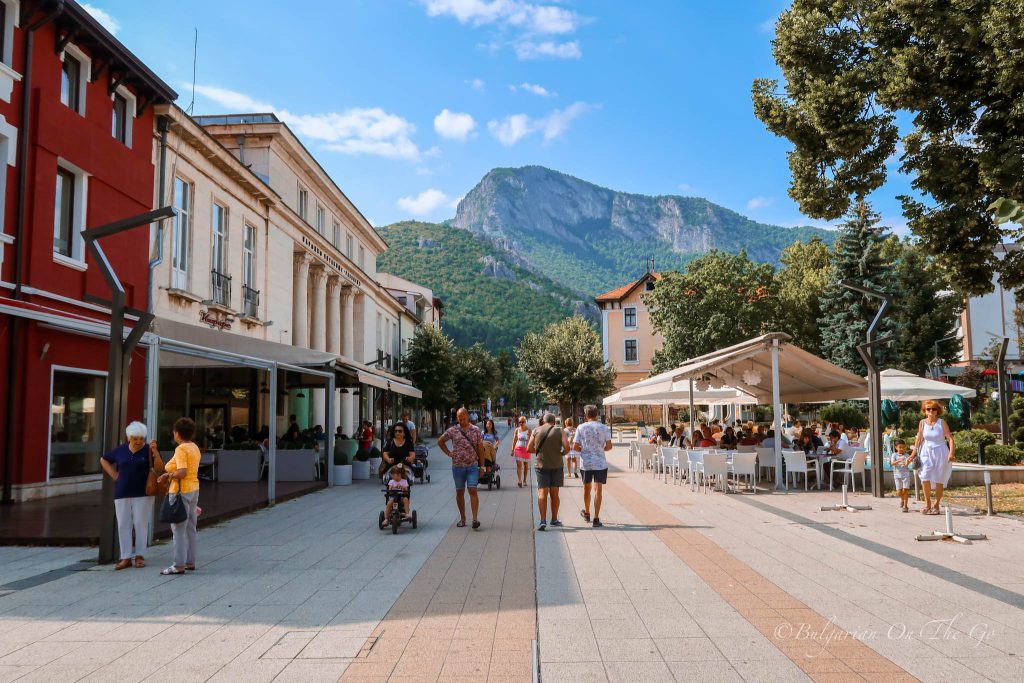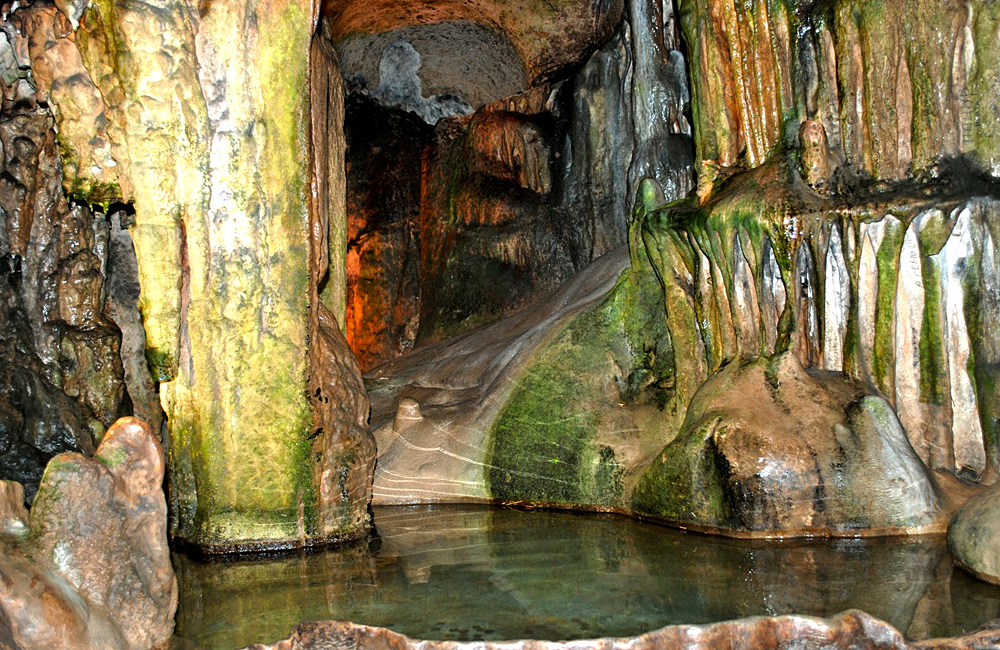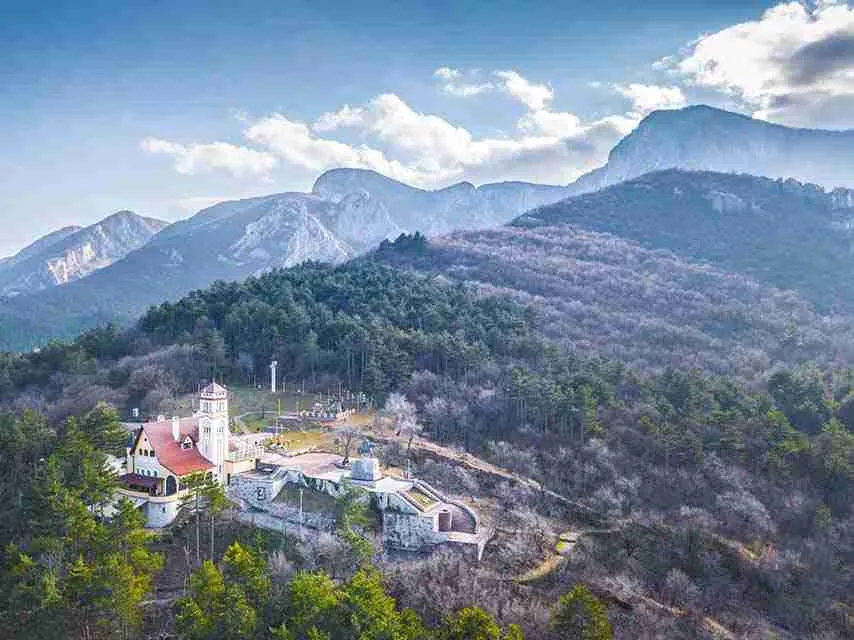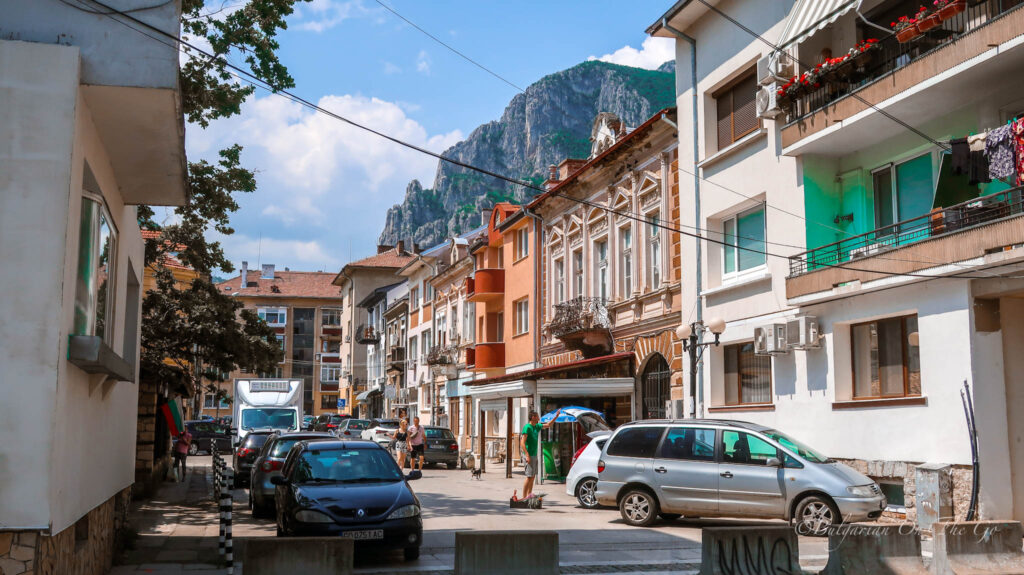
 Vratsa is a small tourist town located 50 km north of Sofia. Situated at the foot of the Vratsa Mountains, it is an excellent starting point for numerous hiking trails to nearby caves, waterfalls, and cliffs.
Despite the town’s rich history, its architectural landmarks have not survived to this day. Situated on the Leva River, the town has always been renowned for its industrial and commercial development. Consequently, it has been the subject of constant attempts to capture and liberate it, resulting in destruction.
Vratsa Attractions
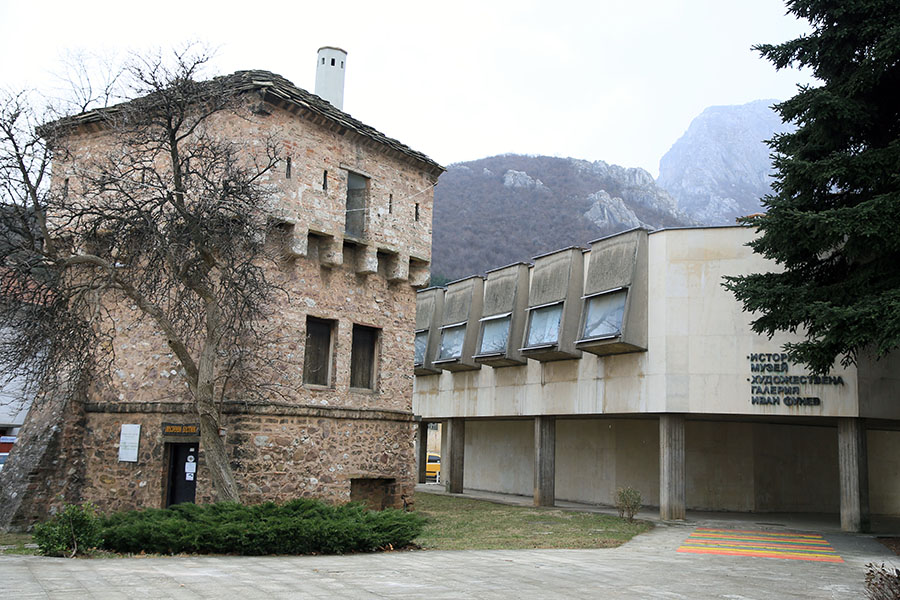
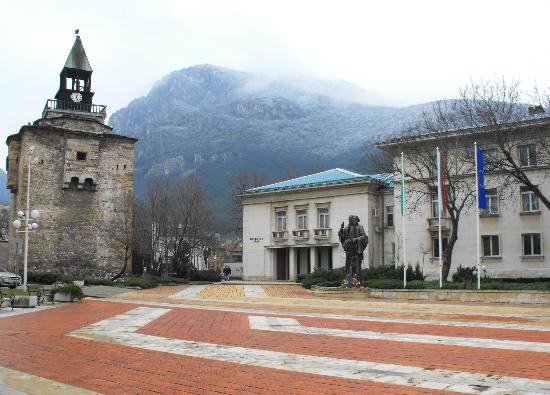
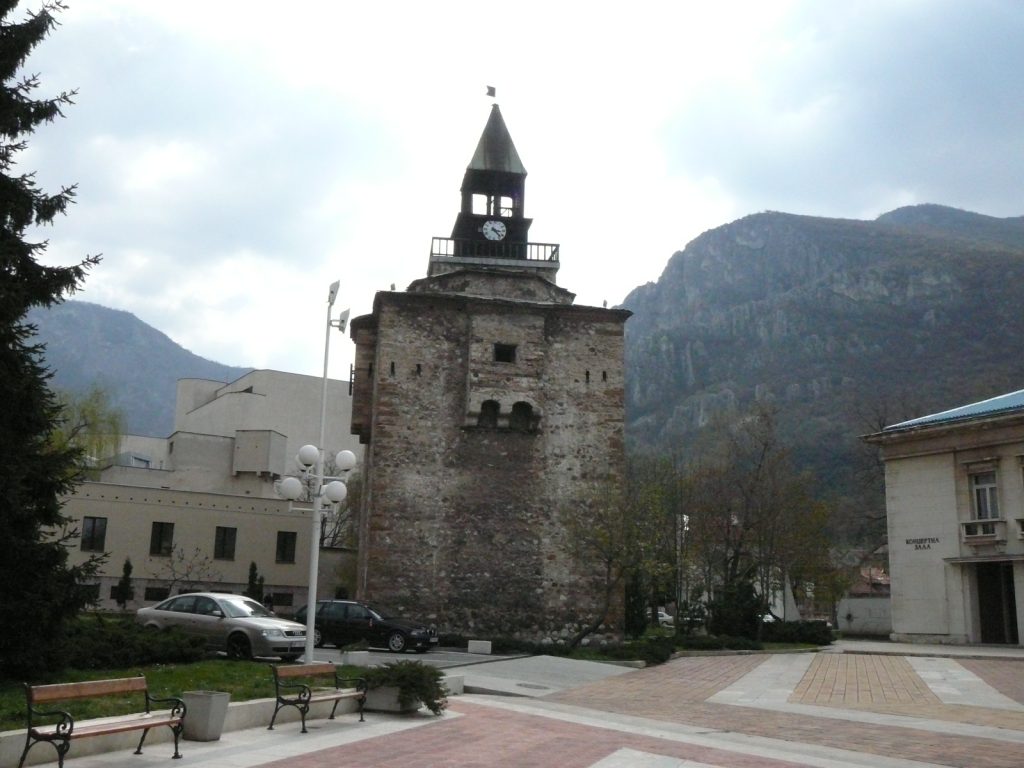
Vratsa boasts several churches, which, while not particularly old, are quite attractive. The oldest of these is the Ascension Church, built in 1848; the others were built in the second half of the 19th century. However, the monasteries in the surrounding area are considerably older: the monastery of Ivan Rilski was founded in the late 16th century, and that of St. Nicholas in the 17th century. In the city center stands a monument to Hristo Botev, who died in 1876 in battle with Turkish troops. Nearby are the restored defensive towers of the Kurpashovtsy and Mezhichev families from the 16th and 17th centuries. On Kale Hill are the House of Hristo Botev and the monument to the Herald of Freedom.
Vratsa also boasts an Art Gallery and the city’s History Museum, which displays unique Thracian treasures from Rogozen and the Mogilan grave. The Rogozen treasure is the largest Thracian hoard discovered to date. It consists of 165 pieces of silver utensils weighing 20 kg, dating from the 5th and 6th centuries BC. Many of these items are decorated with gold and engravings. Some parts of the treasure are kept in the Sofia History Museum, while others are housed in the local History Museum.