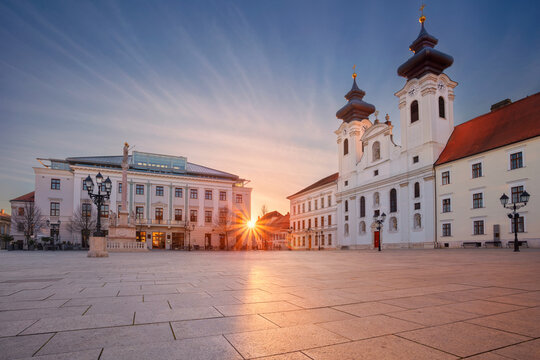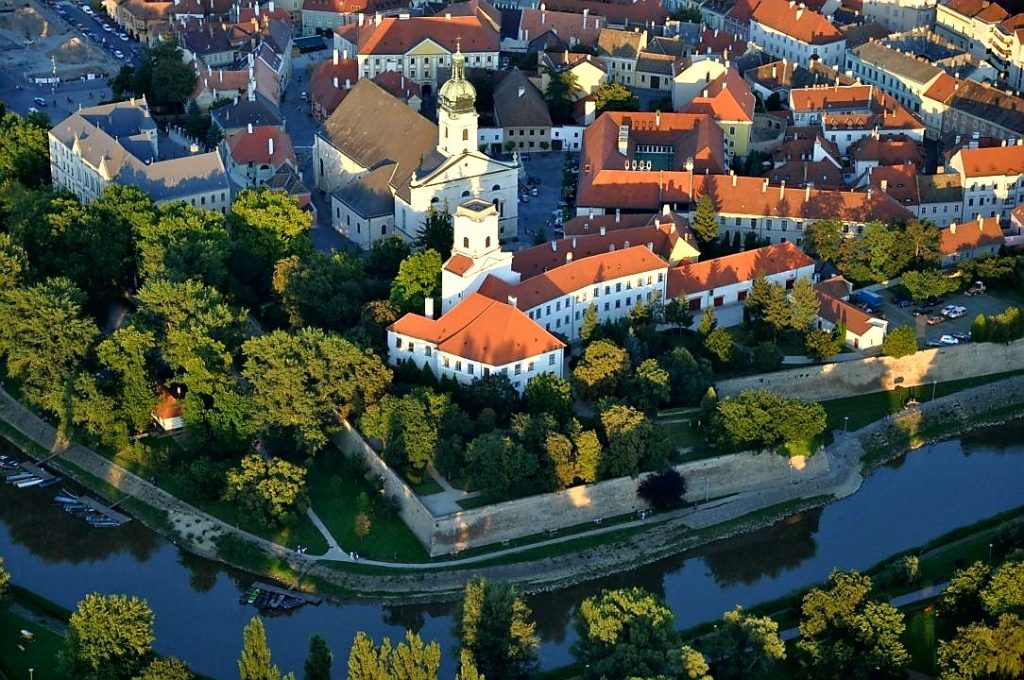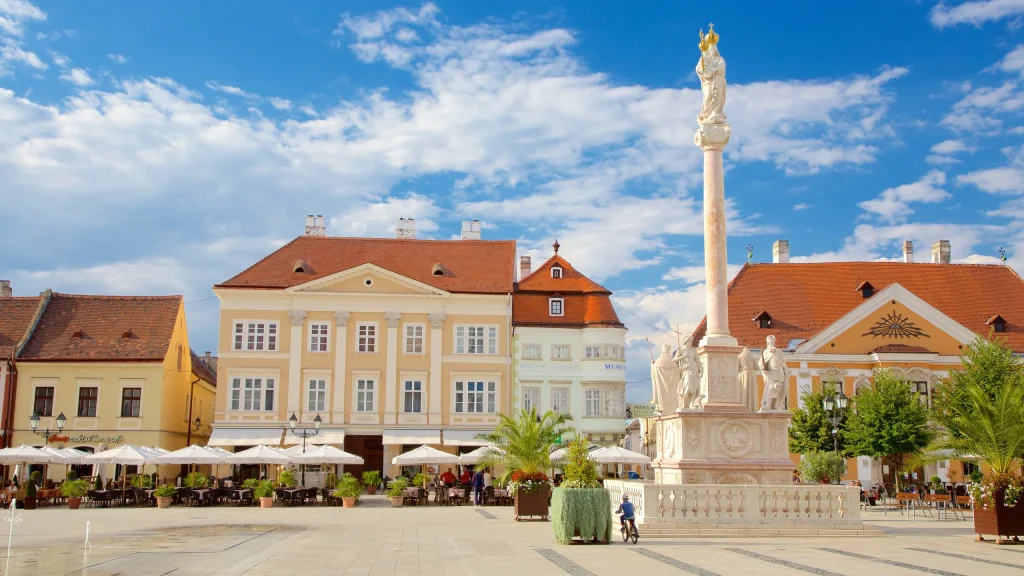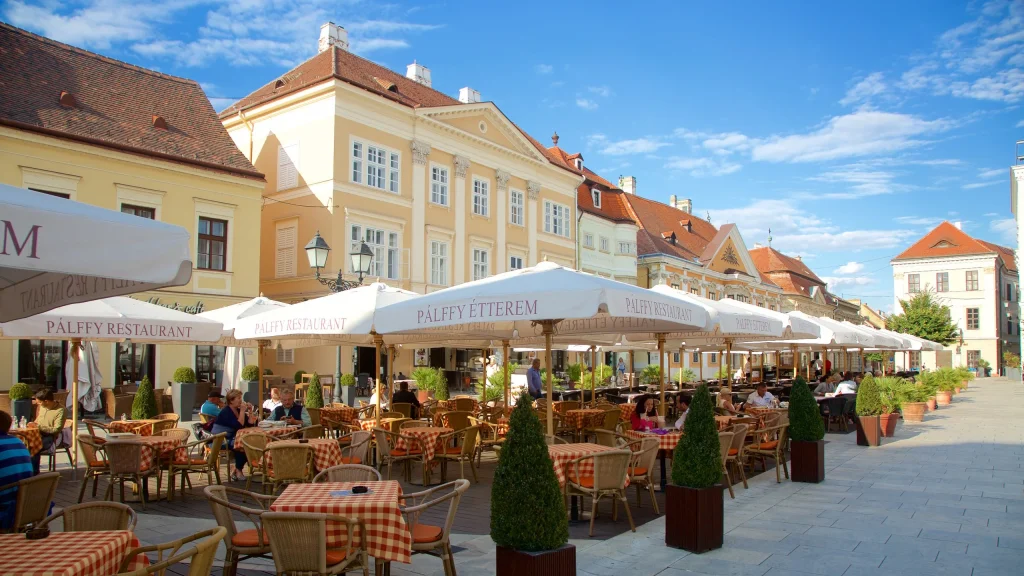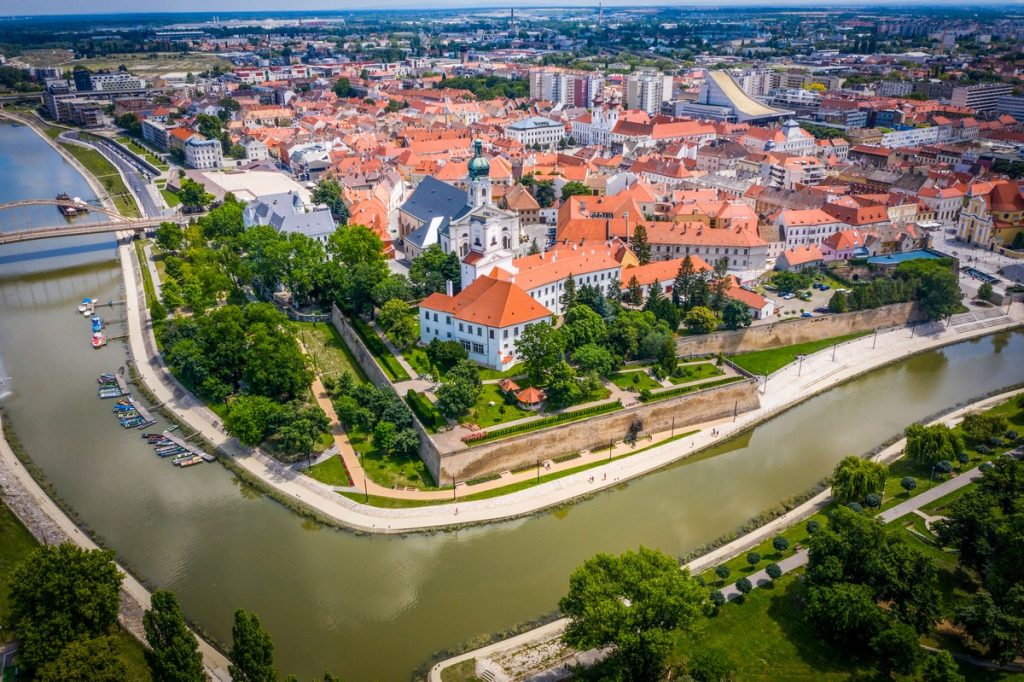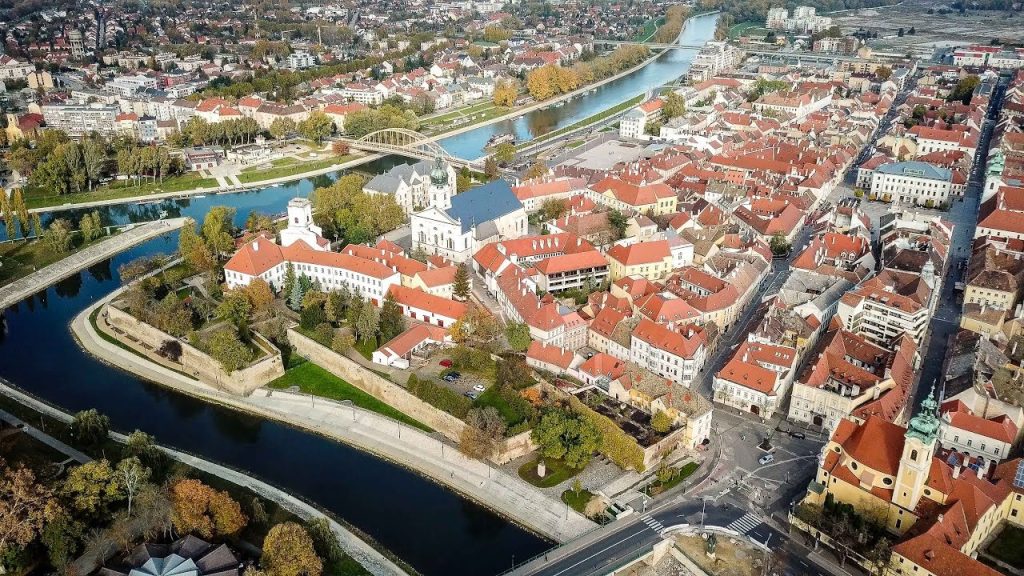
Győr ranks third in Hungary in terms of the number of businesses. But its main attraction is its many historic buildings from the 17th and 18th centuries. Among the city’s treasures, the gold-covered shrine of St. Ladislaus, one of the finest examples of medieval goldsmithing, stands out.
Health in Győr
Raba-Quelle, the city’s main thermal baths, is located at the confluence of the Rába and Danube rivers. The healing properties of Győr’s mineral waters were renowned even in the Middle Ages. Three springs, 2,000 meters deep, produce thermal water at a temperature of 67°C. Its therapeutic properties make it ideal for treating musculoskeletal disorders, chronic gynecological conditions, arthritis, and lung diseases.
Entertainment and Attractions in Győr
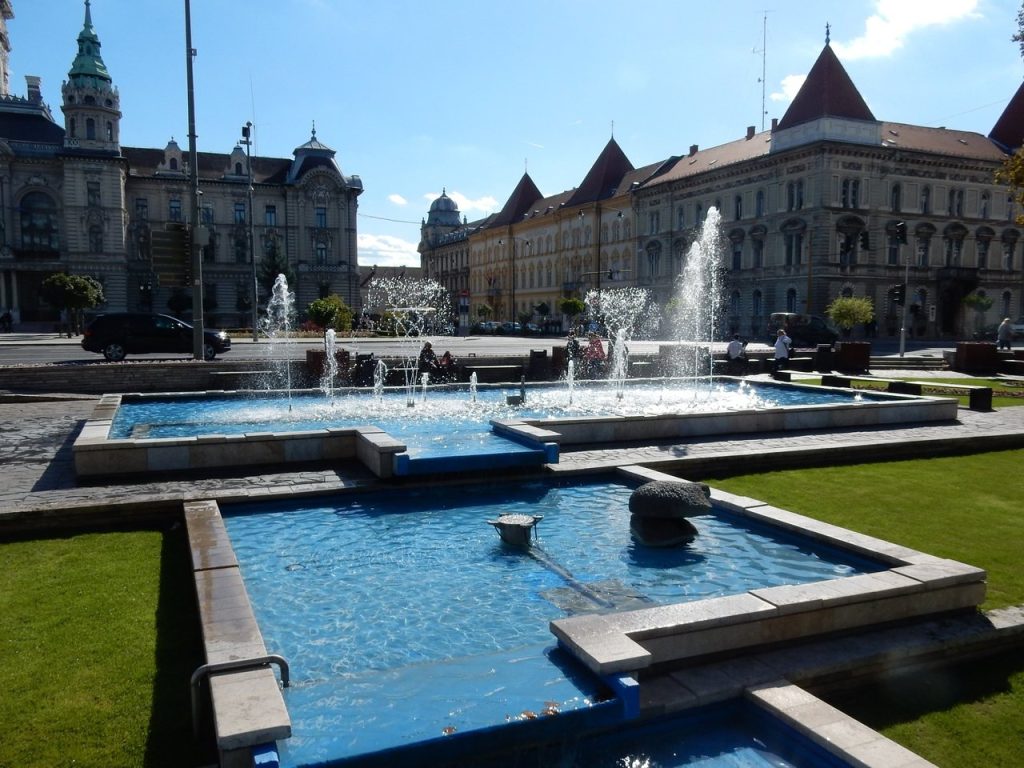
The historic center of Győr boasts numerous elegant churches, opulent palaces, and noble mansions in the Austrian Baroque style. The enclosed balcony became a hallmark of the style, a true innovation for its time.
The Gothic Edervár Chapel houses the reliquary of Saint Ladislaus (László), who ruled the country in the 11th century and became the first canonized sovereign of Hungary. The golden bust of the monarch is one of the most striking examples of medieval Hungarian goldsmithing. Also in the chapel, you’ll see an icon of the Weeping Virgin Mary, which in the 17th century suddenly shed tears of blood.
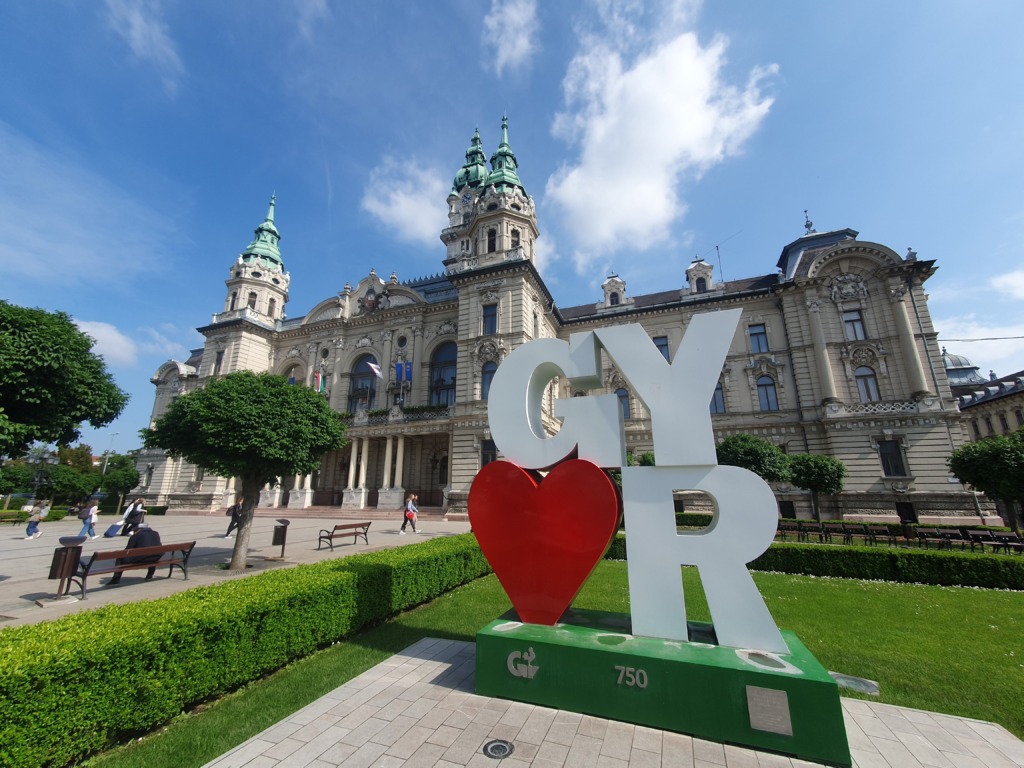
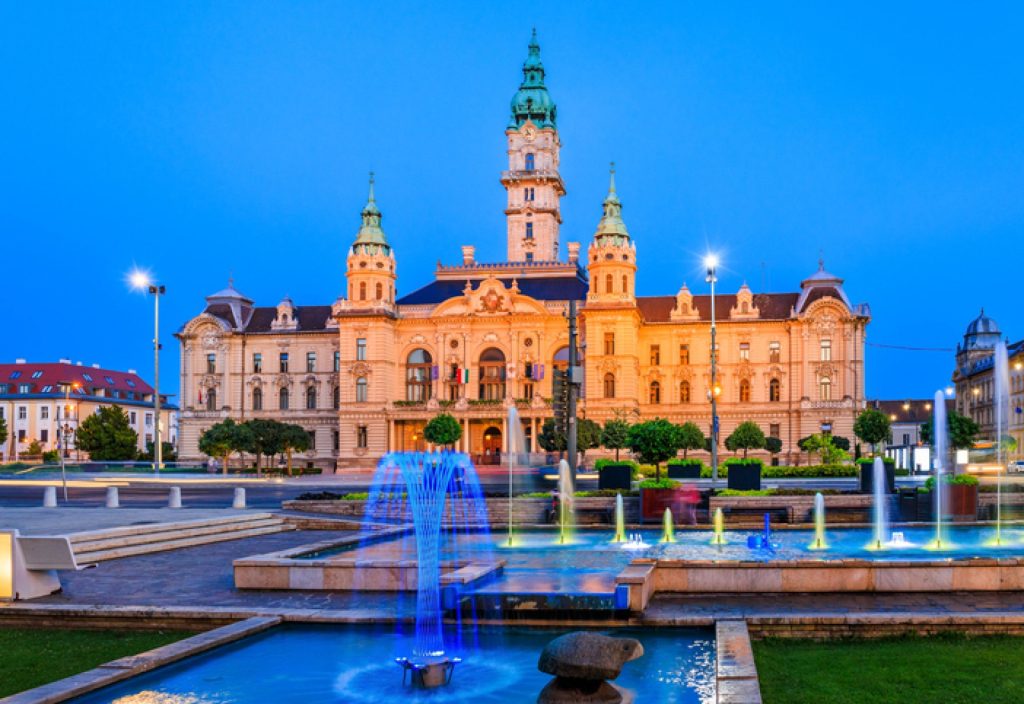
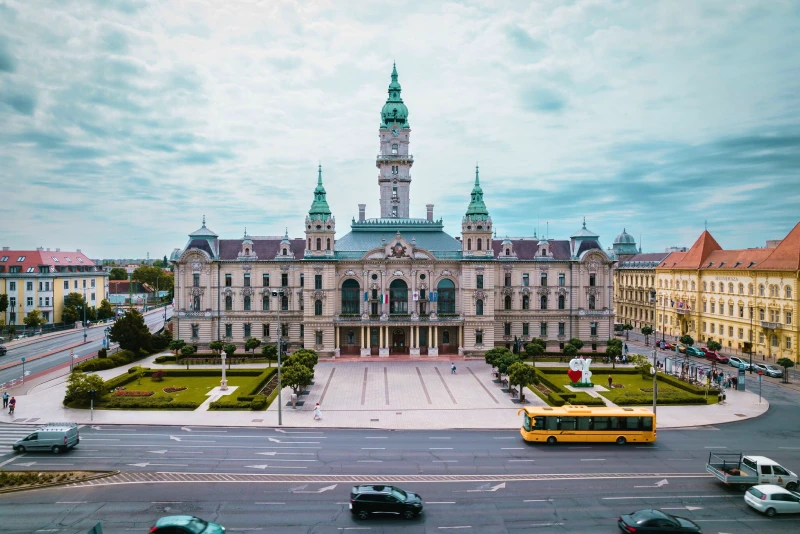
Other popular attractions in Győr include the Neoclassical Town Hall, the magnificent 11th-century Basilica, the 11th-13th-century Archbishop’s Palace with beautiful altar frescoes and the Archbishop’s throne, the 18th-century Arch of Concord, the 18th-century Baroque Zichs Palace, and the Esterházy Palace.
Győr Museums: Imre Patkó Collection (consisting of 20th-century paintings and artefacts brought back by the owner from expeditions to West Africa, Tibet, India and Vietnam), Péter Vász Museum (with applied and decorative arts), Szécsény Medical Museum, Margita Kovács Ceramics Collection.