Valladolid is primarily known as the home of the renowned Spanish writer Miguel de Cervantes Saavedra, who completed his Don Quixote in this city.
Also in 1469, the young Ferdinand II of Aragon and Isabella I of Castile, who later made Valladolid the capital of Spain, were married in Valladolid.
Christopher Columbus found his final resting place in Valladolid, and it was here that Spain was finally liberated from the Arab conquerors.
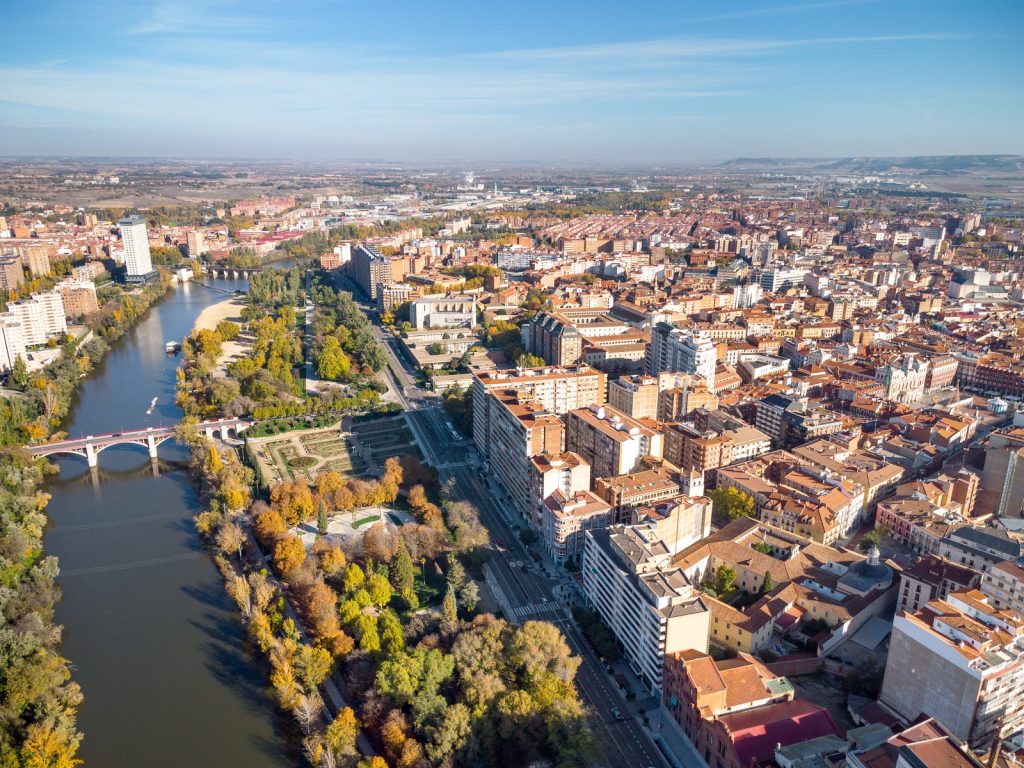
The historic center of Valladolid evokes the atmosphere of its imperial past, but beyond its borders, it is a thriving industrial and university city. It is renowned for its jewelry and wineries—it is here that Castilian wines are produced.
Entertainment and Attractions in Valladolid
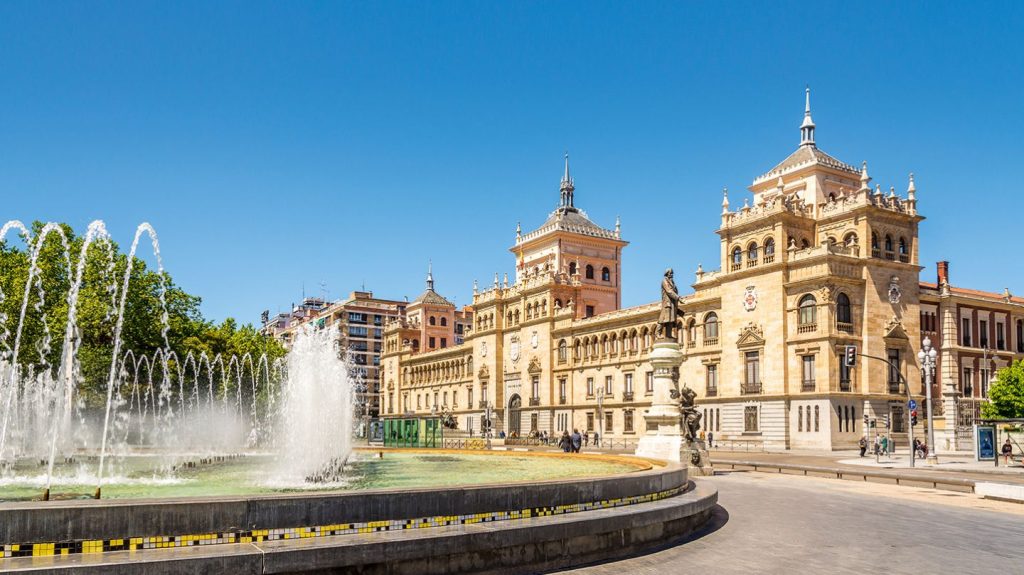
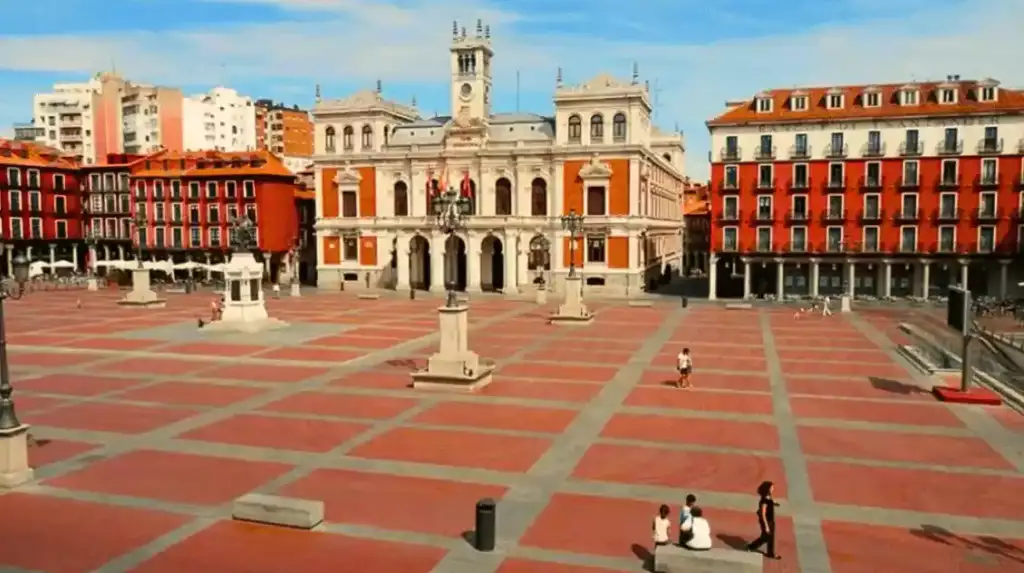
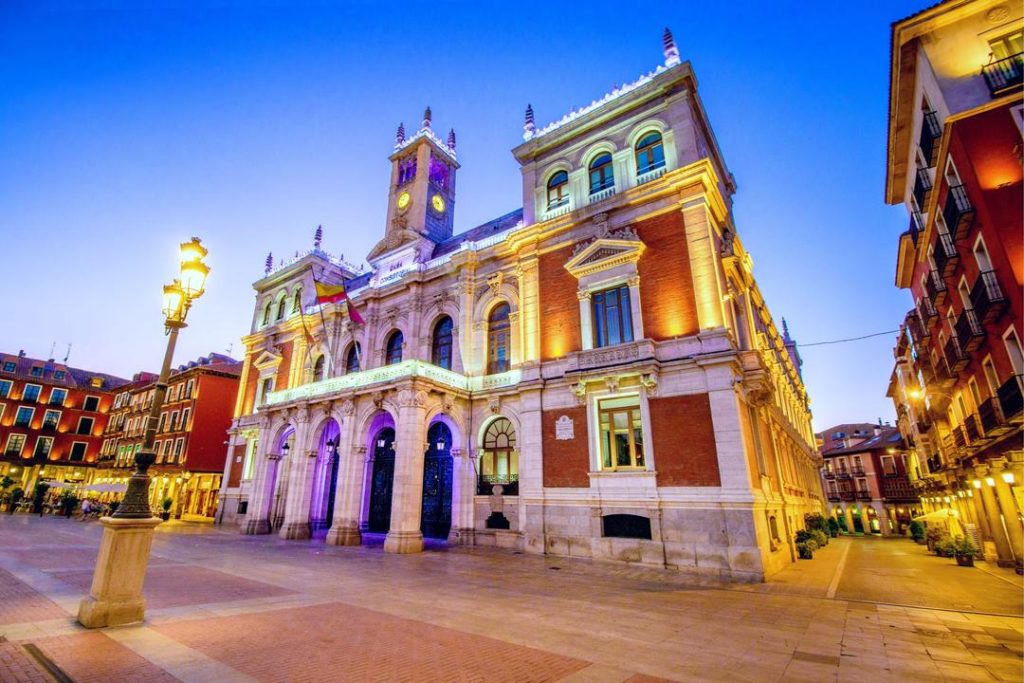
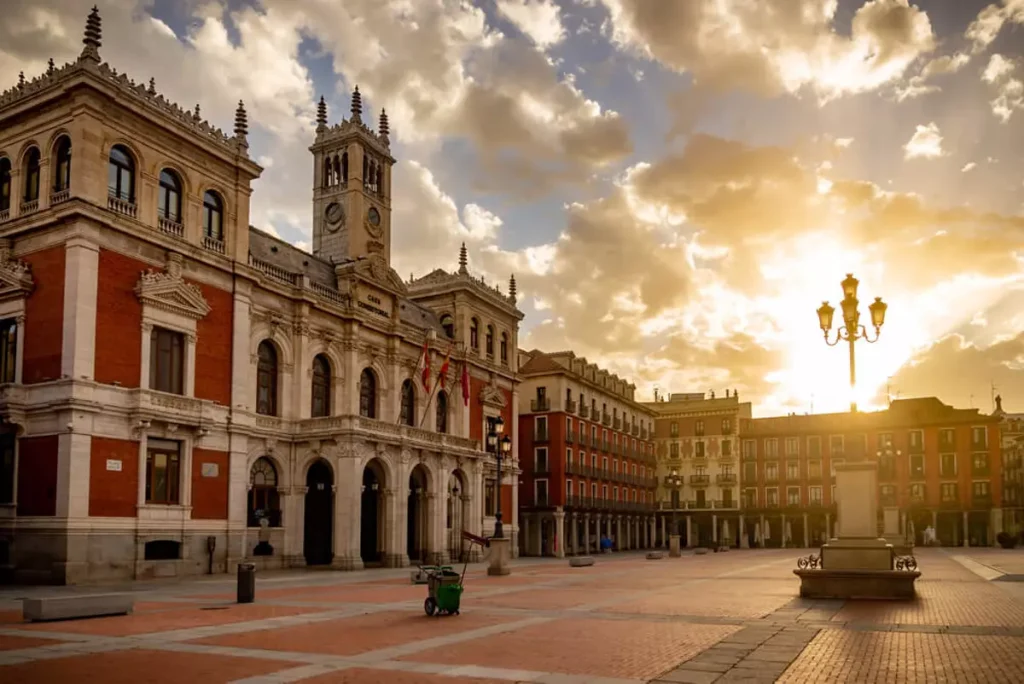
Plaza Mayor is the heart of the Old Town; its architectural ensemble dates back to the 16th century. The City Hall is one of the most significant structures in the square, and is open to the public during certain hours.
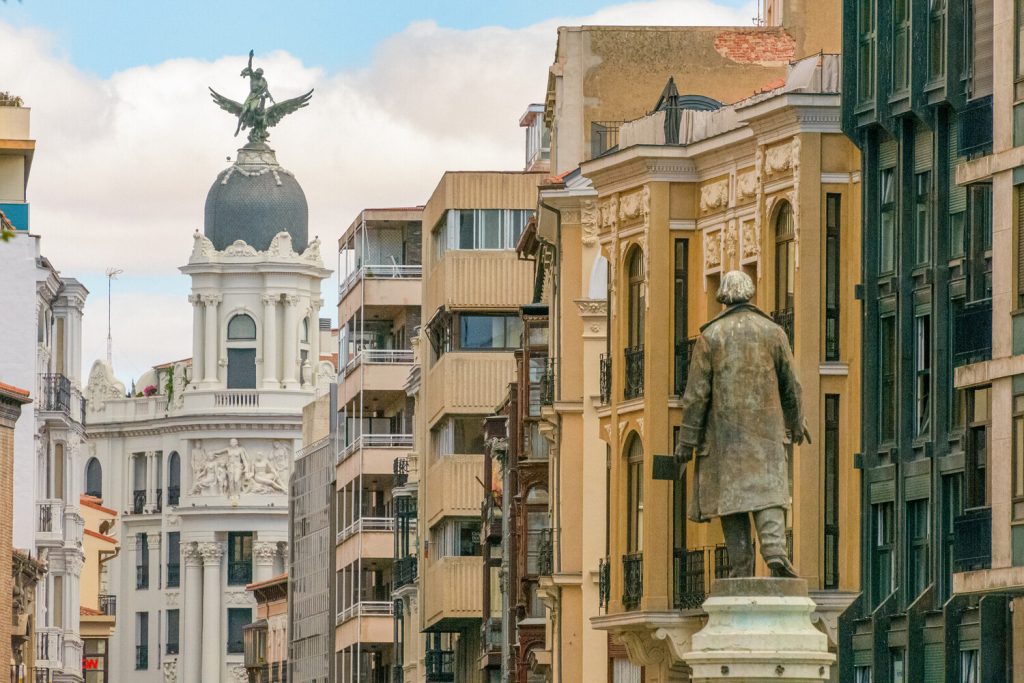
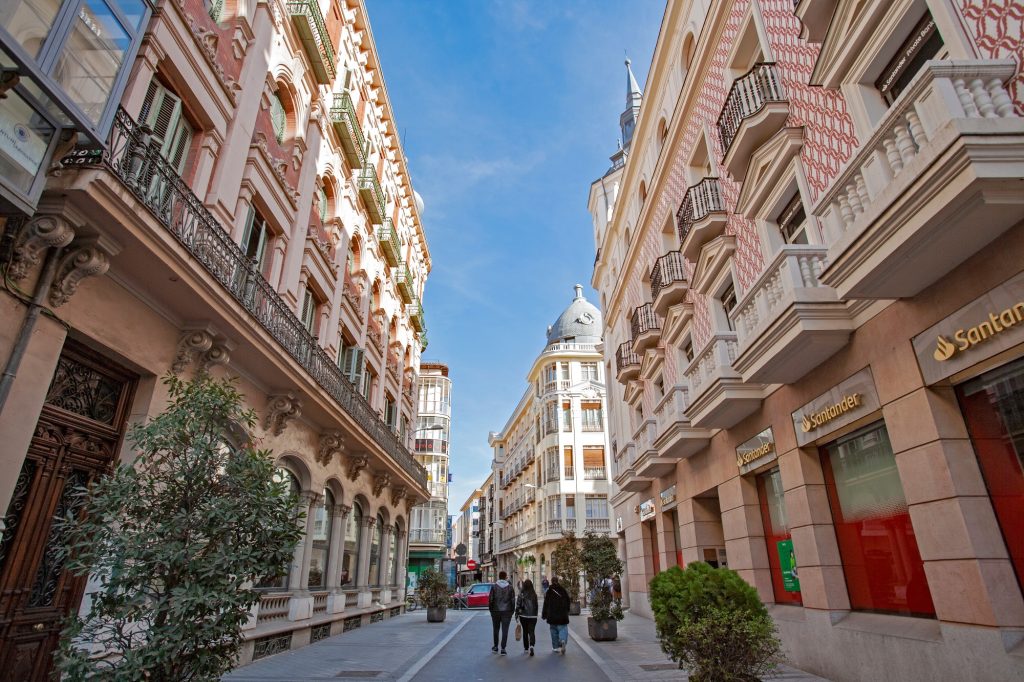
Calle Acera de Recoletos is another interesting architectural complex, dating back to the 19th century. Here you’ll see numerous buildings with well-preserved ancient façades.
The Old Town is home to one of the most important unfinished buildings in Spain – the cathedral. Construction began in the 16th century, but was halted due to financial problems, and only the front section was completed in 1730. Although the cathedral is unfinished, it currently hosts organ concerts and houses a museum.
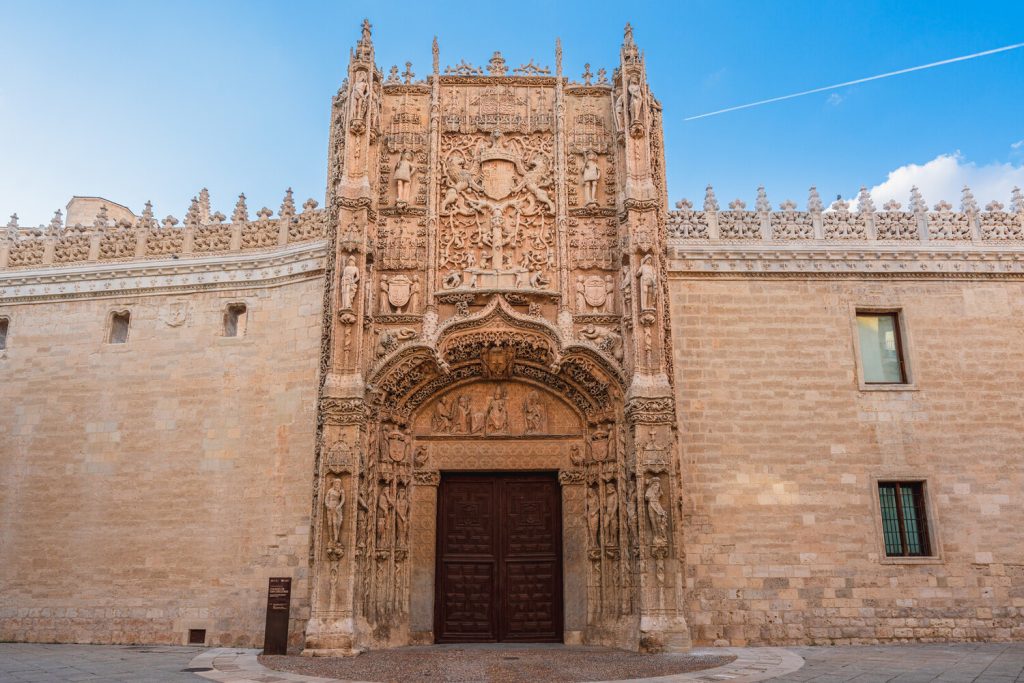
Palaces from the 15th to 17th centuries are also noteworthy: Los Pimentels, the birthplace of King Philip II, the Royal Palace, the birthplace of King Philip IV, Marqués Valverde, and Fabio Nelli.
Christopher Columbus lived in Valladolid, and his house-museum is located in the city. Unfortunately, the original building could not be preserved, but a new house, an exact replica, was built on the same site. The four-story house-museum houses the explorer’s personal belongings, documents, maps, and trophies he brought back from his voyages.
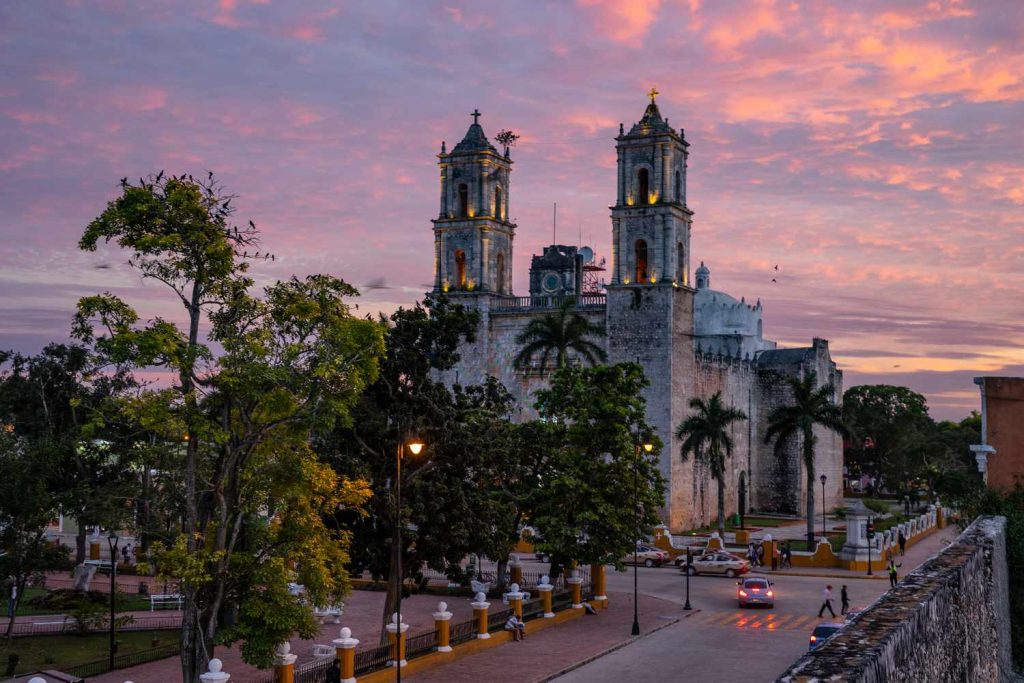
Of the religious architecture, noteworthy is the 13th-century Church of Santa Maria la Antigua, built in the Romanesque style, as well as the churches of Santa Mary Magdalene, San Michele, San Benedetto, and the Monastery of Santa Anne.