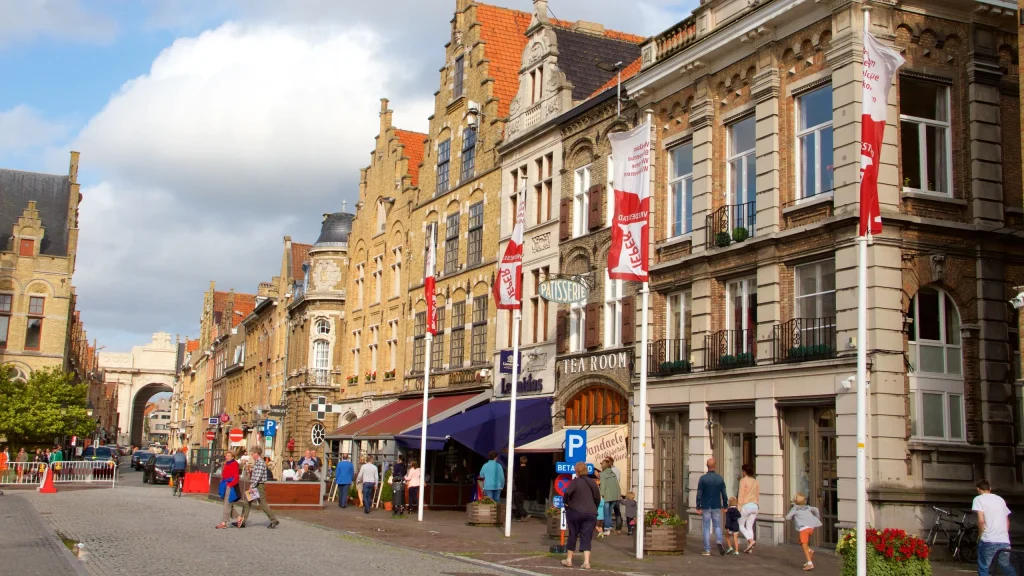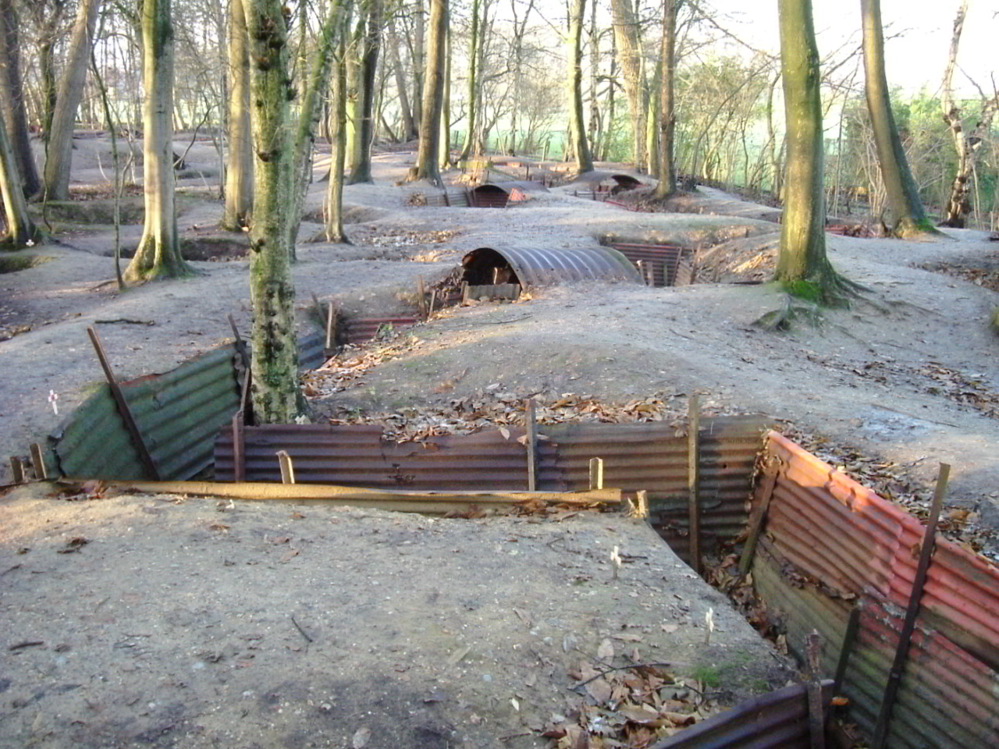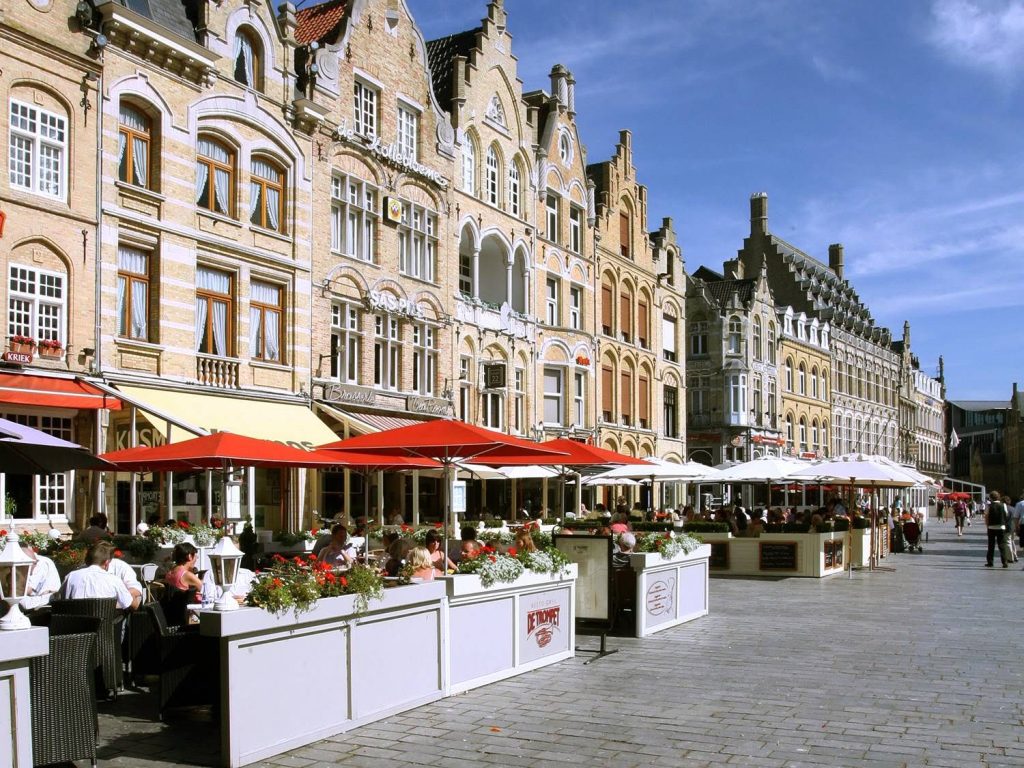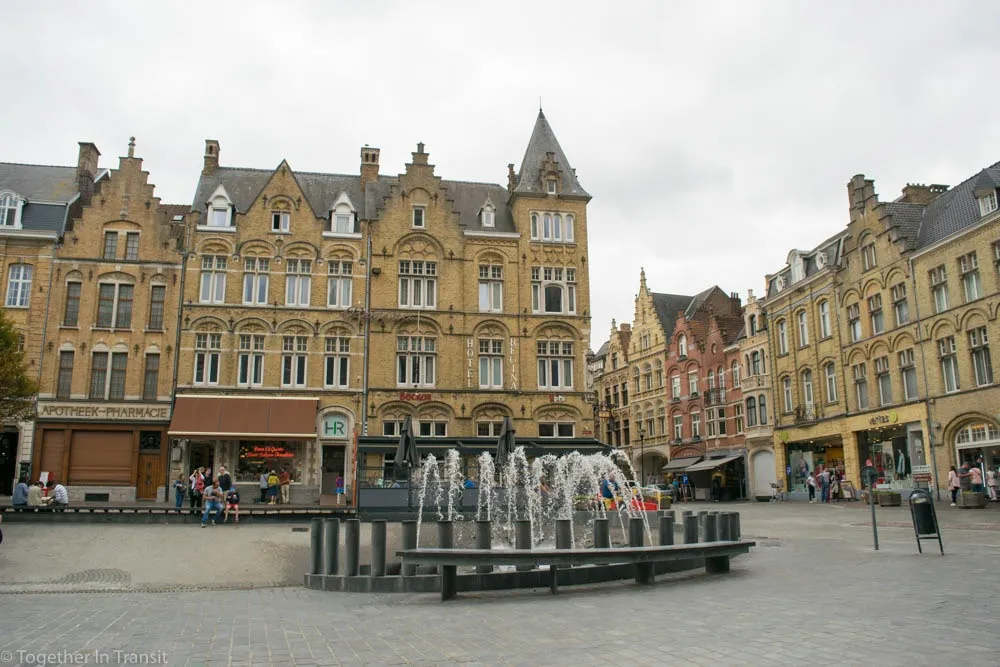
In medieval times, Ypres was a thriving trading center. Today, its name is a symbol of World War I. But during World War II, the city was again almost completely destroyed. More than half a million soldiers were lost here during the fighting. Because of this, Ypres is literally surrounded by military cemeteries.
Ypres Attractions
In Flanders Fields Museum
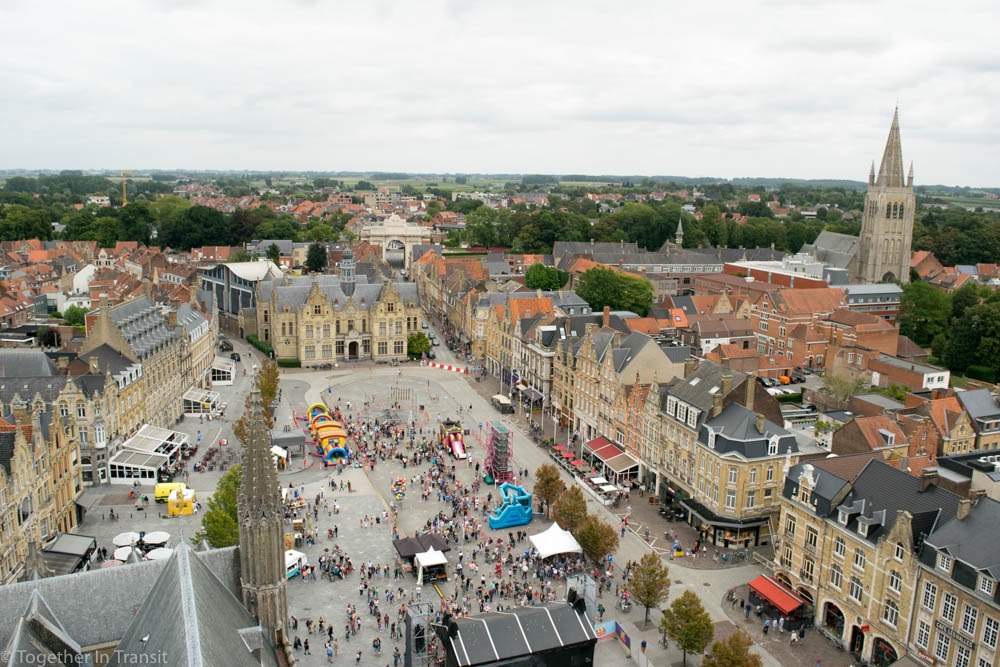
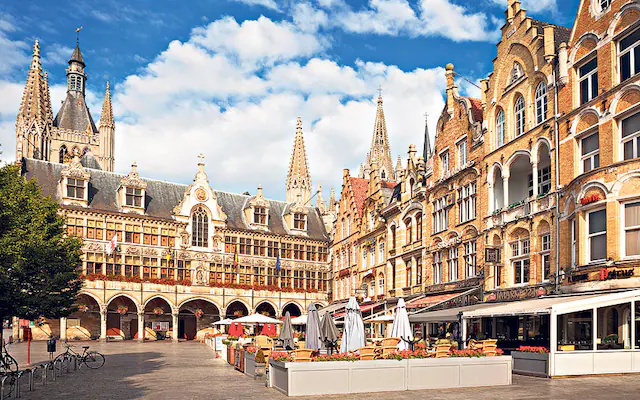
The museum was housed in the 13th-century Cloth Hall. Visitors can learn about the history of World War I through an audiovisual exhibition. Visitors can also climb the Bilfried Tower, which rises above the museum. From its summit, they can see the former battlefields around Ypres, now a cemetery for hundreds of thousands of people.
St. George’s Memorial Church
This church was built after World War I, in 1929, in memory of the half a million soldiers who died here.
Menenpoort War Memorial
Menenpoort is dedicated to the memory of soldiers from Great Britain and the Commonwealth who fell here. The memorial is a mass grave containing both identified and unknown soldiers.
St. Martin’s Church
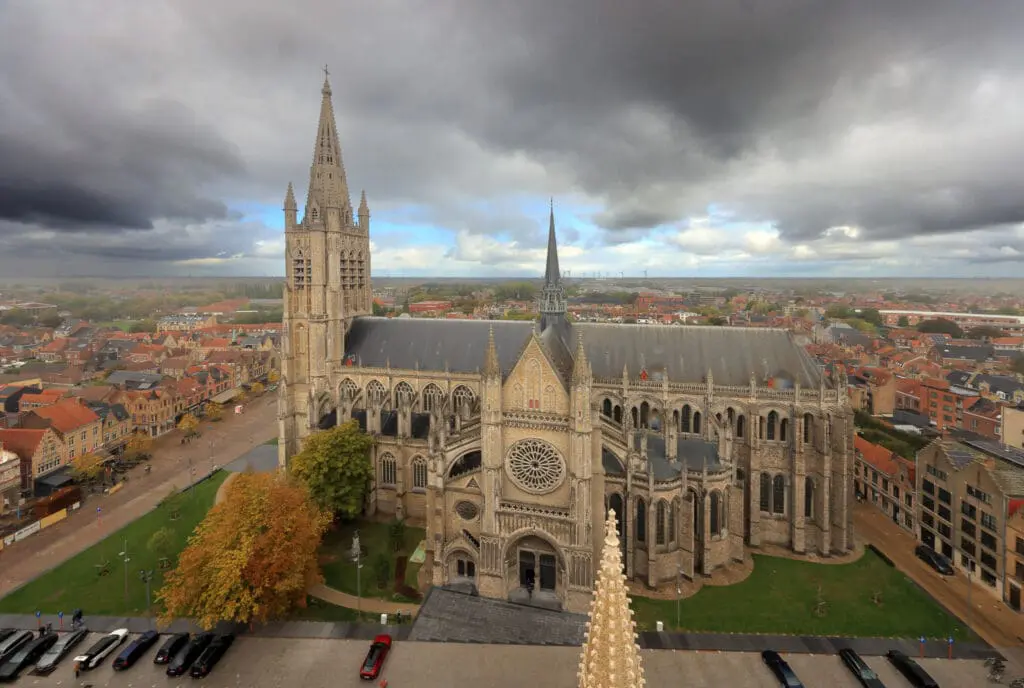
This ancient cathedral, begun in 1230, was completely restored in the Gothic style after World War II. The tomb of Count Robert III of Bethune, King of Flanders, known as the Lion of Flanders, is considered one of the church’s main attractions.
From Cat Throwing to Cat Festival
From the Middle Ages until the early 19th century, the city had a strange tradition known as the “cat parade,” during which live cats were thrown from the top of the tower above the Cloth Hall. In 1955, the “cat” tradition was revived, but now instead of live cats, townspeople throw stuffed cats.
This tradition began in the Middle Ages with a plague of mice in the Cloth Hall, which necessitated the release of a large number of cats into the building.
However, the cats, finding themselves in comfortable conditions with plenty of food, began to multiply rapidly, eventually becoming a real problem for the city. To get rid of the cats, locals began throwing them from the top of the tower onto the Market Square. The last cat died this way in 1817.