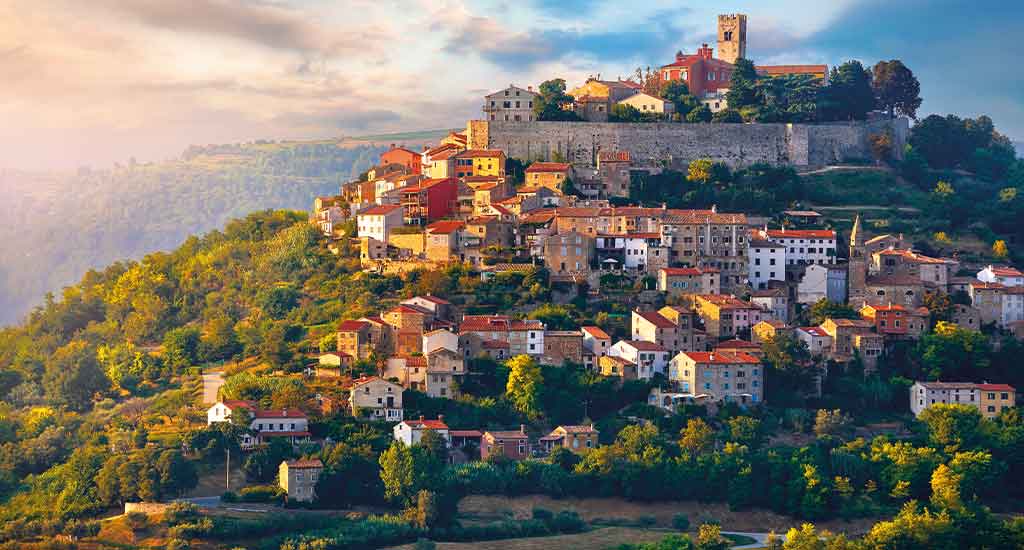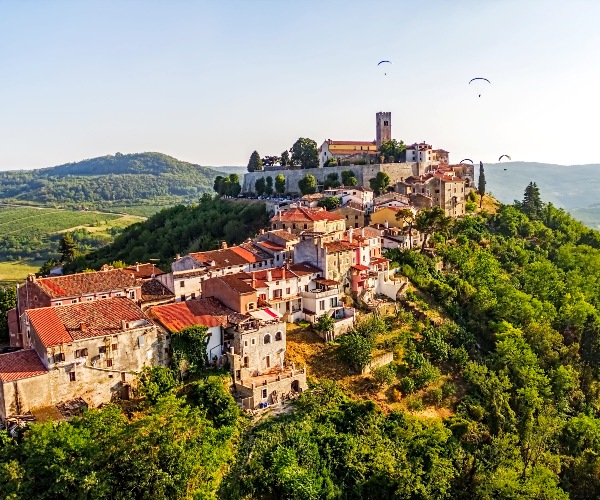
Istria, Croatia’s largest peninsula, is not yet overcrowded with tourists, although word of its vineyards, truffles, and resorts is already spreading around the world.
1. Everything is within easy reach
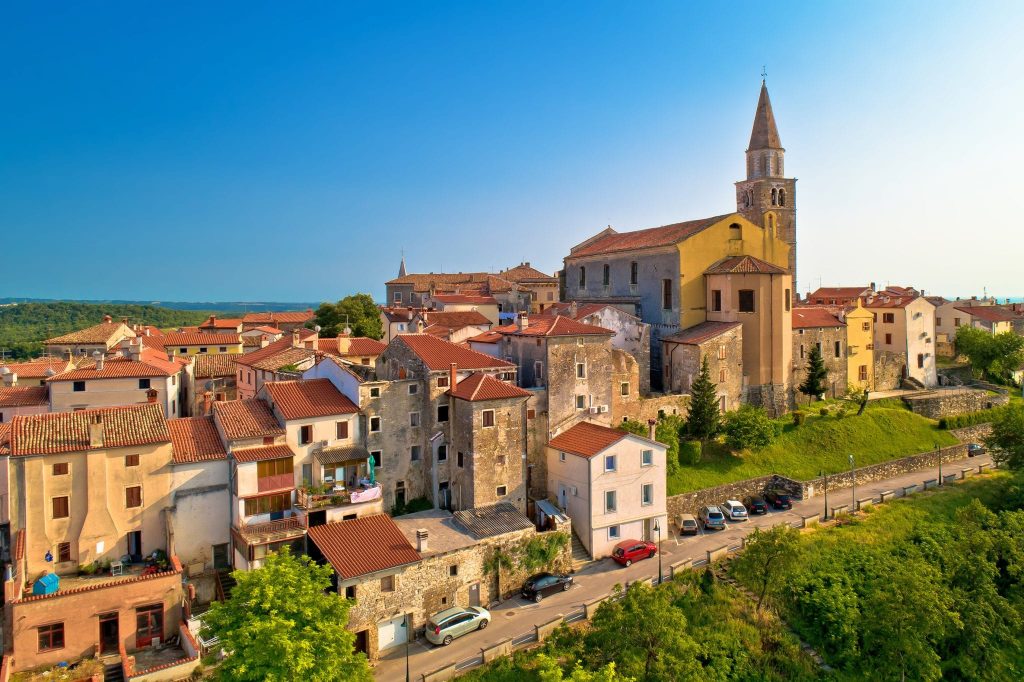
Istria is very compact: wherever you stay, getting to the main towns, beaches, and other must-sees is quick and easy.
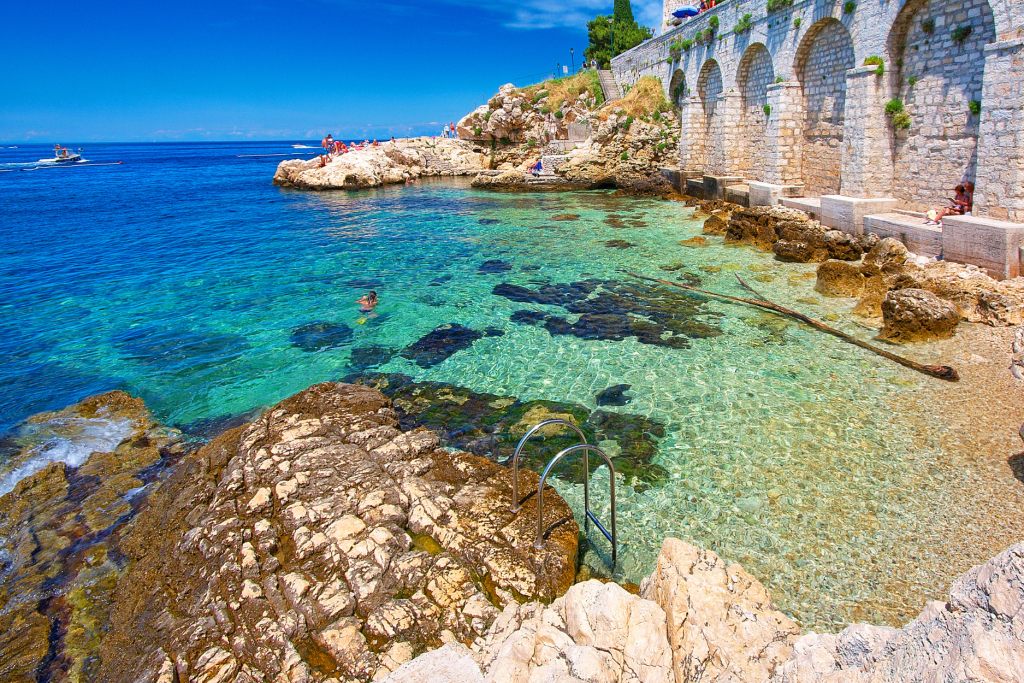
2. Beaches awarded Blue Flags
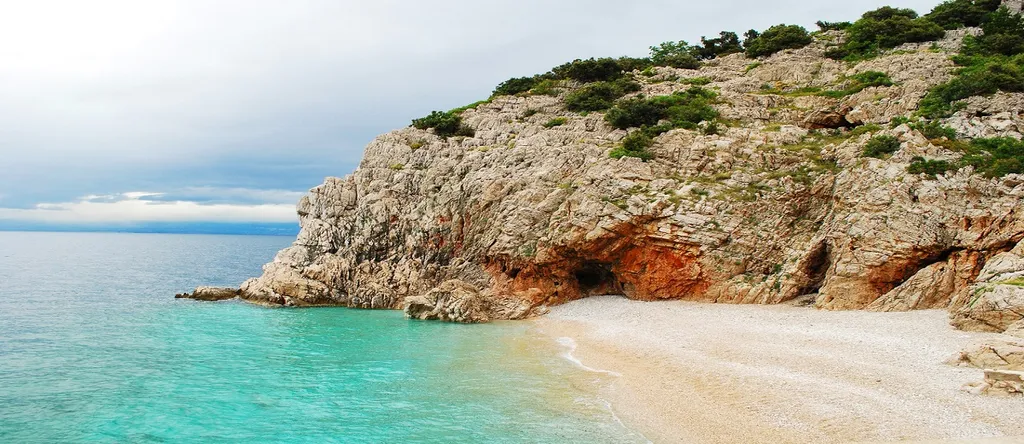
The Istrian coastline is picturesque, surrounded by deciduous and pine forests, hills, and winding cycling and hiking trails.
3. Brijuni – a branch of paradise
The Brijuni archipelago consists of 14 islands, transformed into a delightful national park. Vacationers have been visiting here since the Roman Empire, but their heyday came during the reign of Yugoslav President Tito, whose luxurious villa hosted high-ranking officials.
4. The Colosseum in Pula is as good as the Roman one
The majestic 1st-century amphitheater is the 6th largest in the world. In the summer, costumed fights are held in the arena.
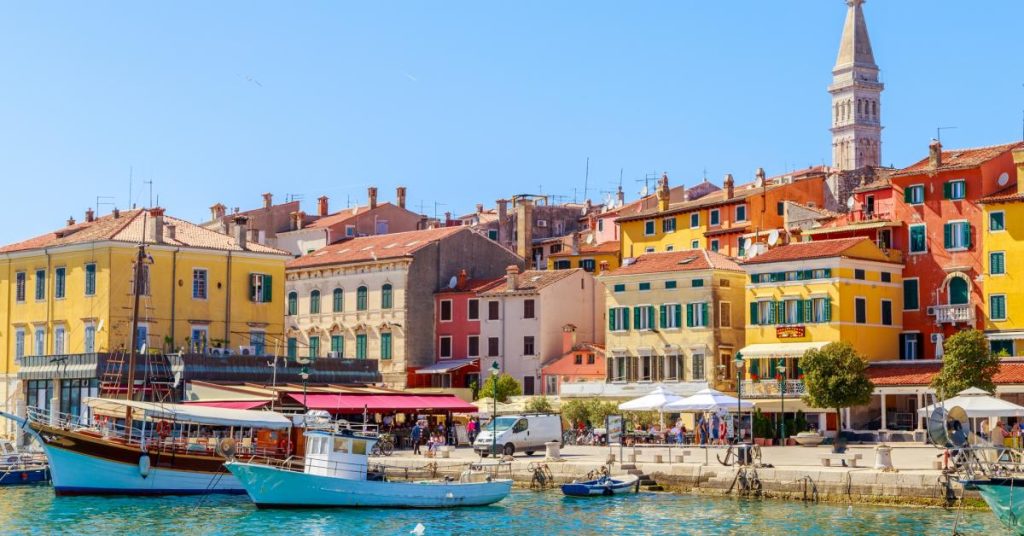
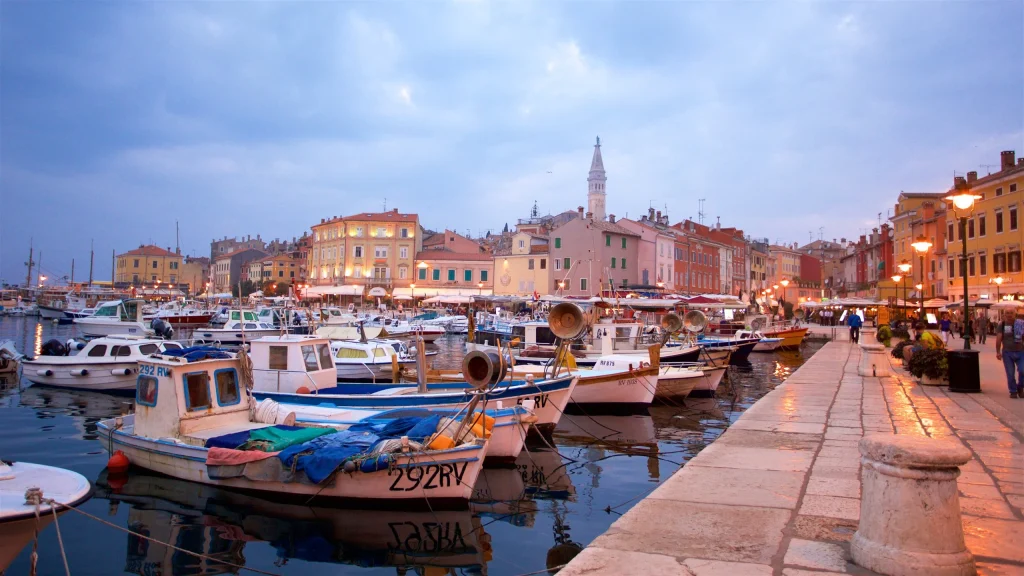
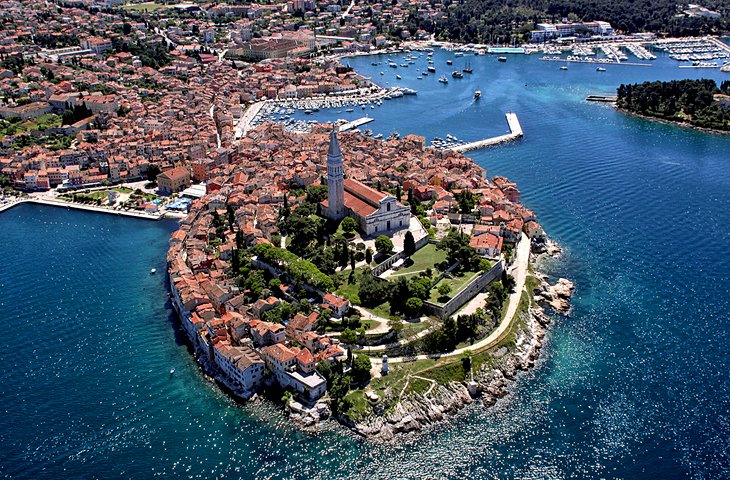
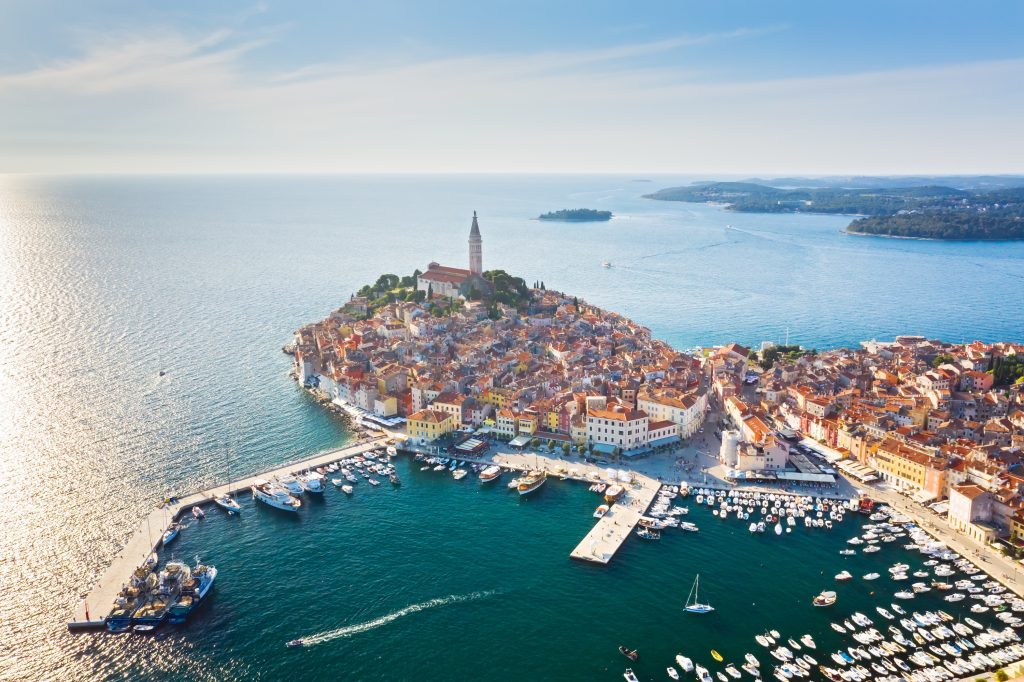
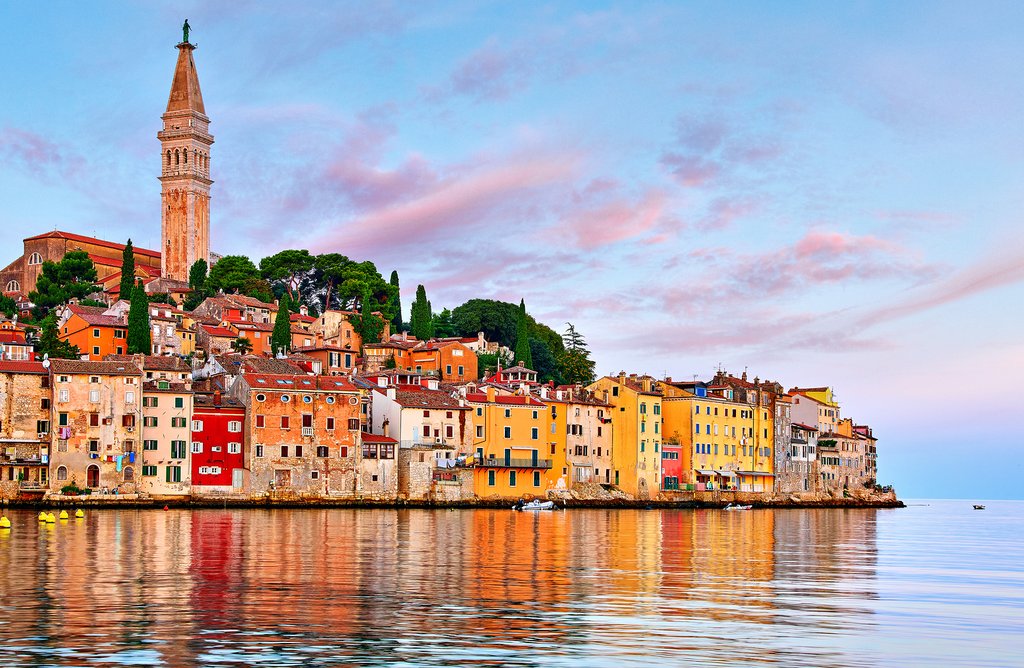
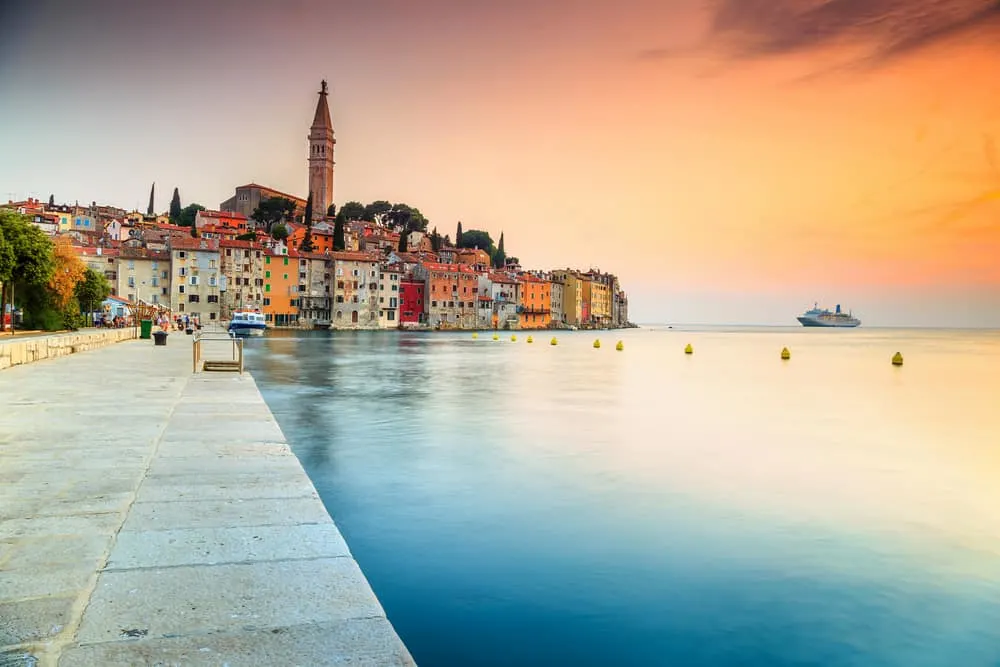
5. Rovinj – the Croatian Venice
Rovinj is located on a peninsula and an archipelago of 22 islands, and the colorful houses with their intricate shutters seem to emerge from the water.
6. The olive oil is beyond praise
Istrian olive oil is more expensive than Greek, Italian, or Spanish olive oil because it is still handcrafted in small batches in family-run factories from select indigenous olive varieties.
7. Winemaking as an art
Local wineries specialize in white and red Malvasia. Prices for young wine start at 10-12 EUR per bottle; it is best purchased from wineries with an exclusive selection.
8. Truffles
Truffles are a delicacy worth trying. In Croatian forests, you can find affordable black truffles and rarer white truffles with a nutty flavor. You can forage for your own truffle at local farms. Truffles grow 10-20 cm underground, so specially trained dogs search for them.