In our country, they like to say, “My home is my castle,” and they build high fences around their properties to keep out thieves and prying eyes.
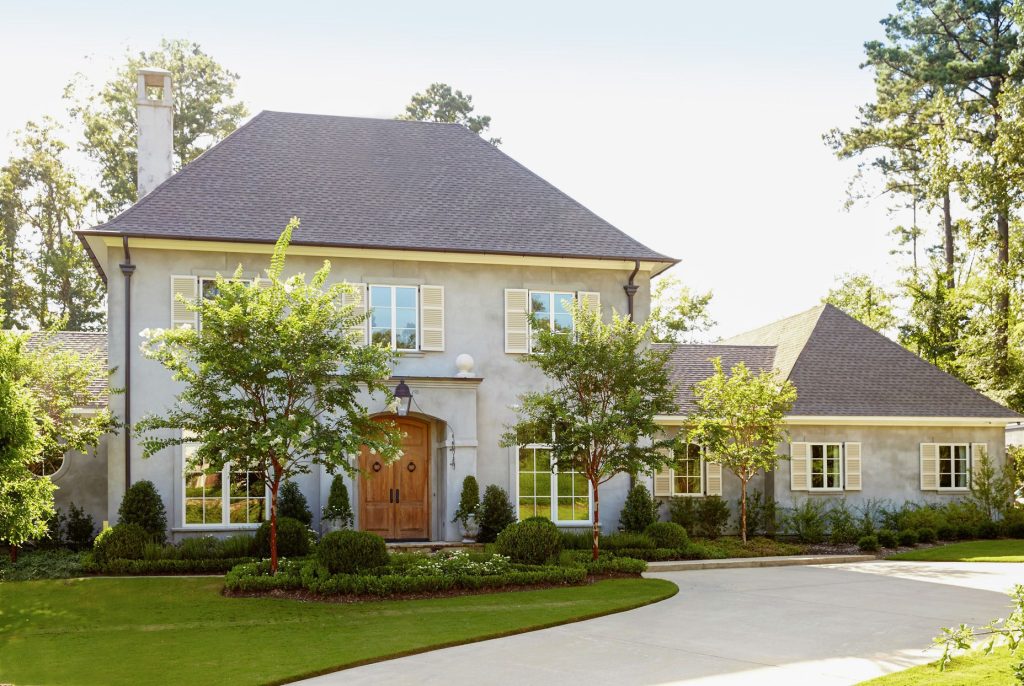
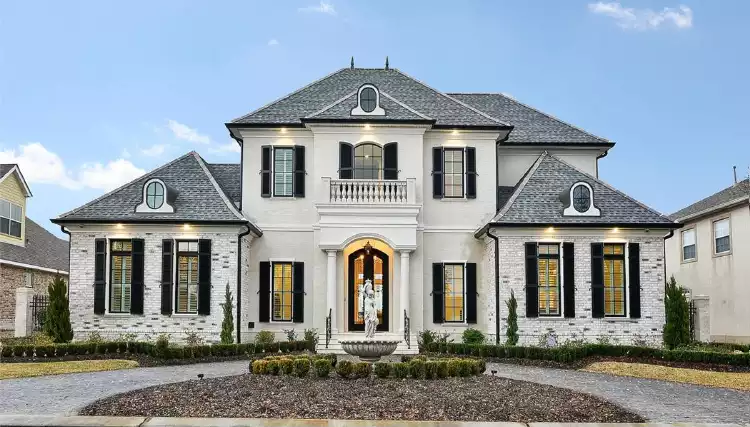
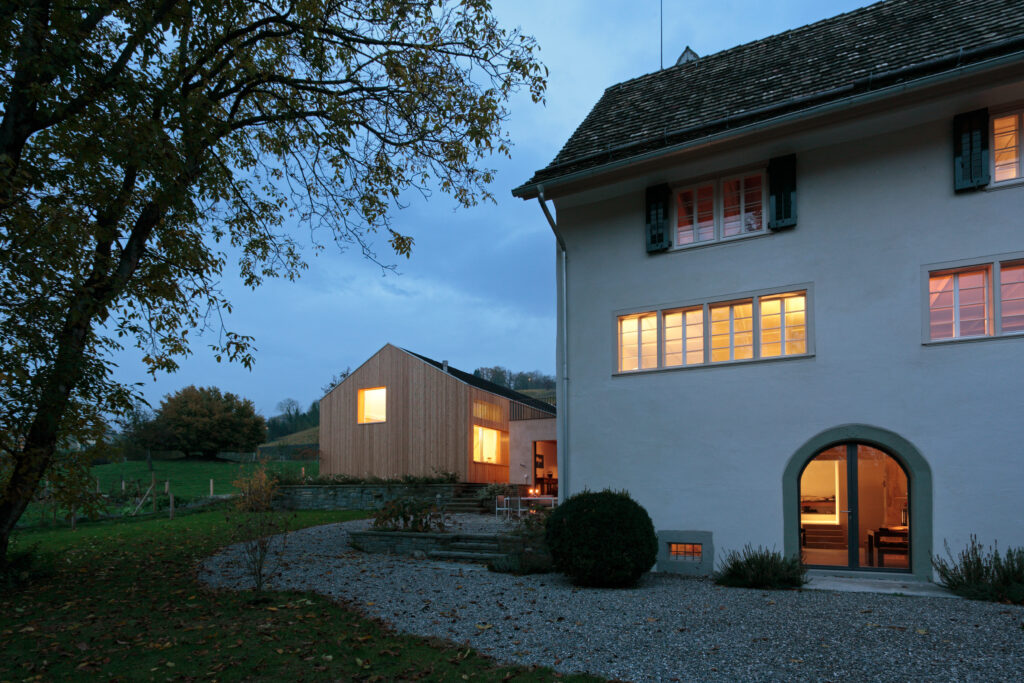
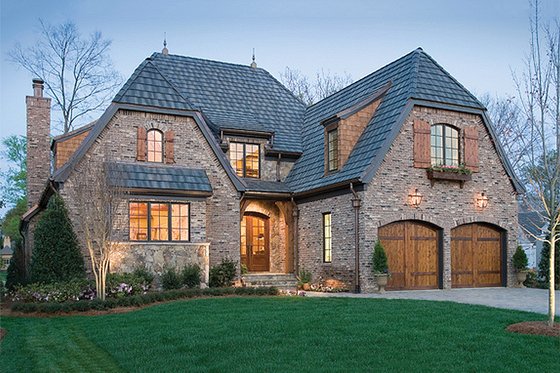
But in Europe and the US, things are different: almost all houses have either purely symbolic fences or none at all. Let’s try to understand the reasons.
1. Sense of Security
In our country, people generally feel safe only when they can stand up for themselves. There’s a lack of unconditional trust in law enforcement.
2. Respect for Private Property
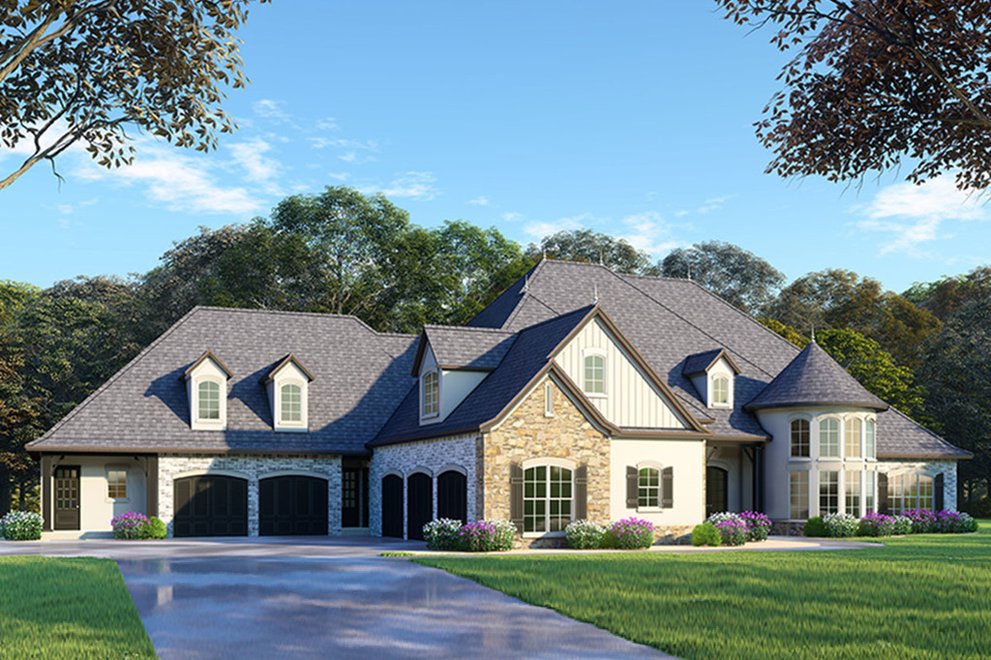
In the West, the boundary is often a simple driveway; there, people respect the right to private property and value their own peace of mind, so they won’t rush into trouble.
3. Access for Emergency Services
When houses are located close to each other, if a fire starts in one, there’s a risk that the flames will quickly spread to neighboring buildings. Firefighters need to get as close to the fire as possible, which can be hindered by a fence.
4. Practicality and aesthetics
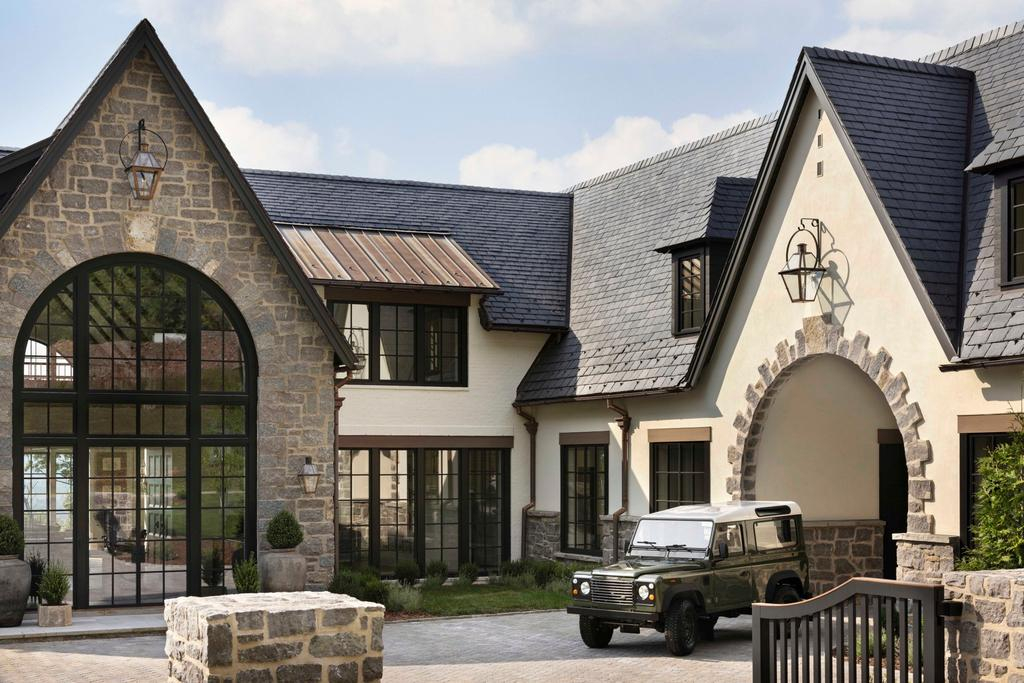
Most Europeans build houses with attached garages, and with a fence, the gates have to be opened twice. Residents of Scandinavia, however, value every ray of sunlight so much that they refuse not only high fences but even thick curtains on the windows.
High fences also spoil the street’s appearance, as it’s much nicer to look at houses with well-maintained grounds than at blank, featureless walls.
5. Love of nature
Finland is one of those countries where you’ll rarely see fences, with its “everyone’s right to nature.” Here, the need to protect the environment and the freedom to roam freely through the countryside, camp on other people’s property, fish, and pick berries and mushrooms are enshrined in law.