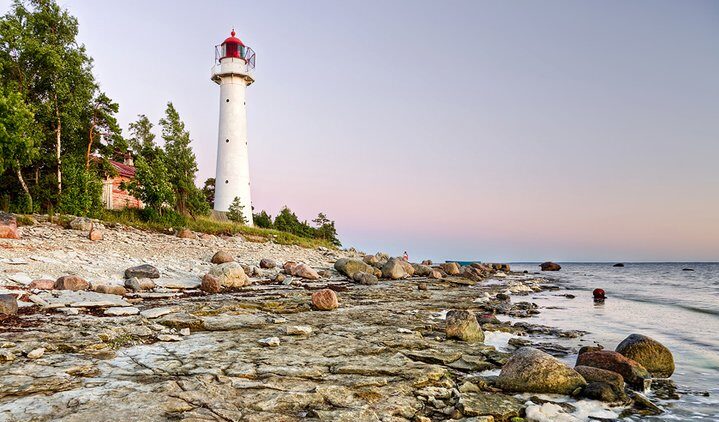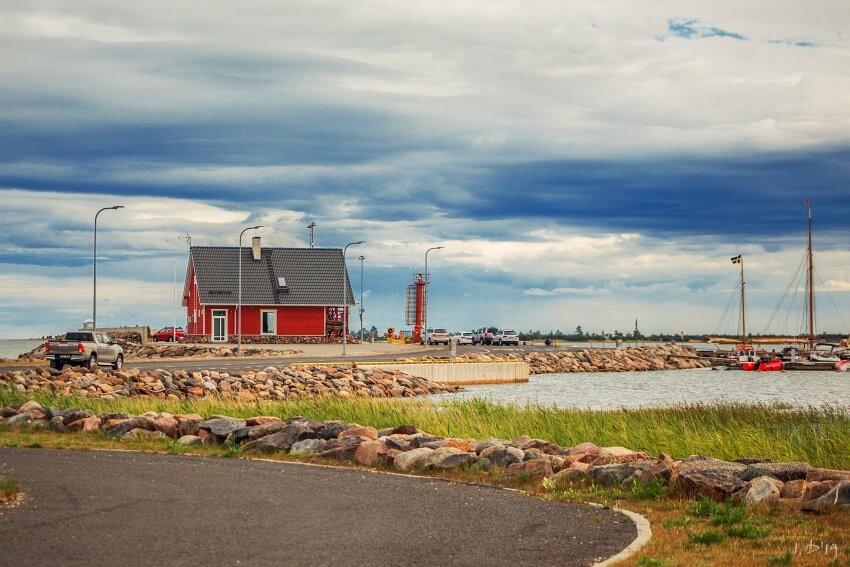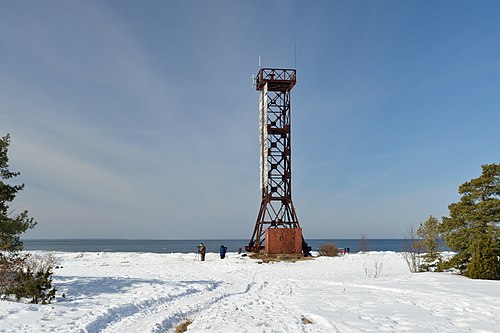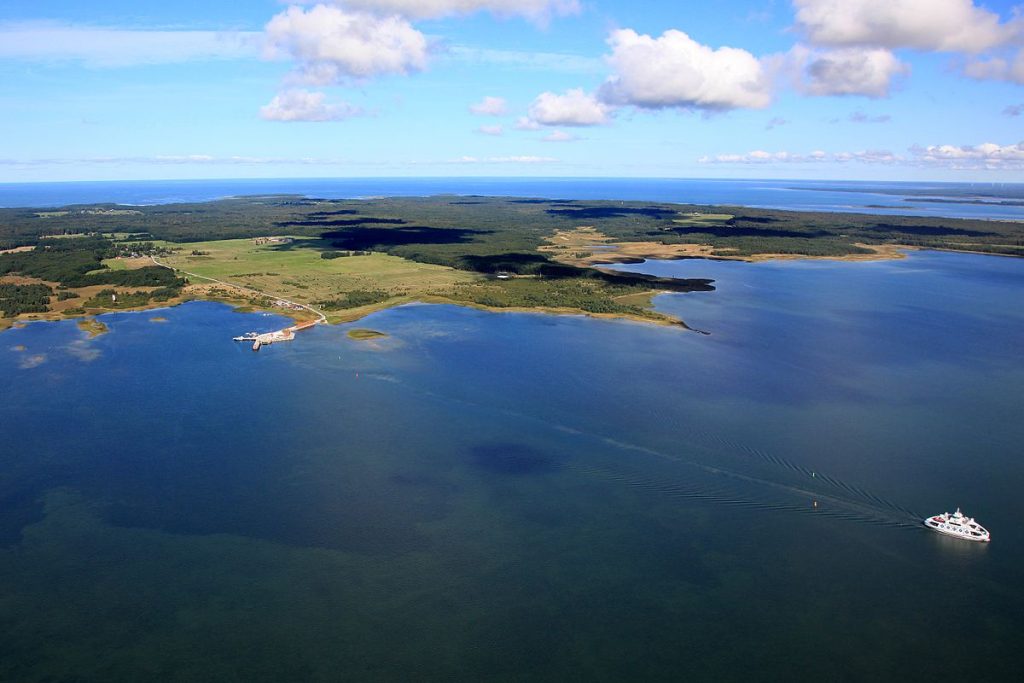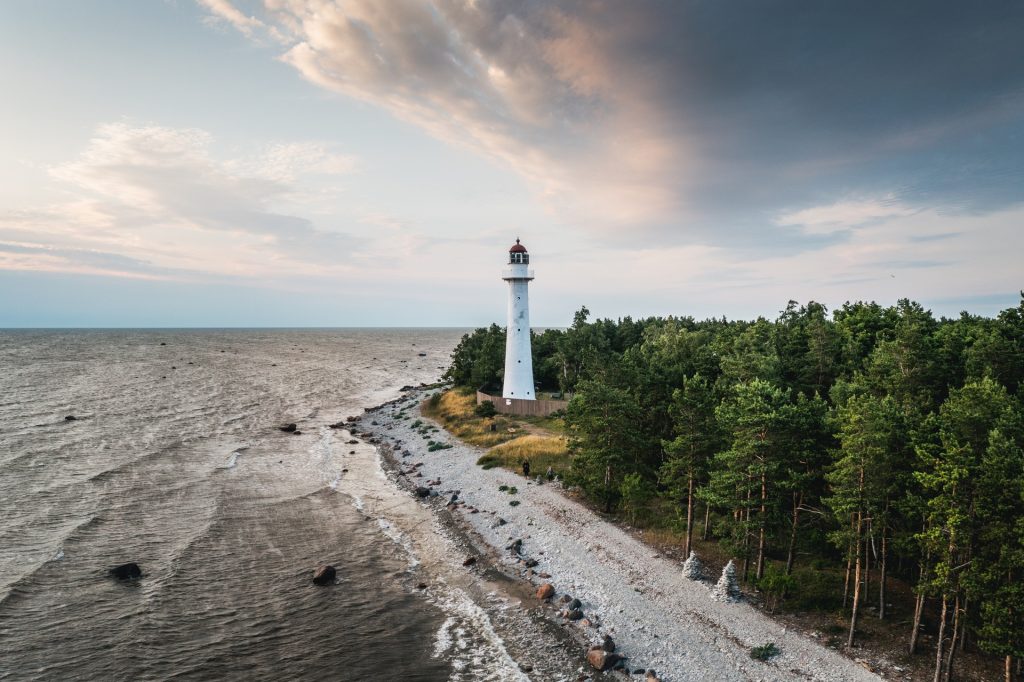
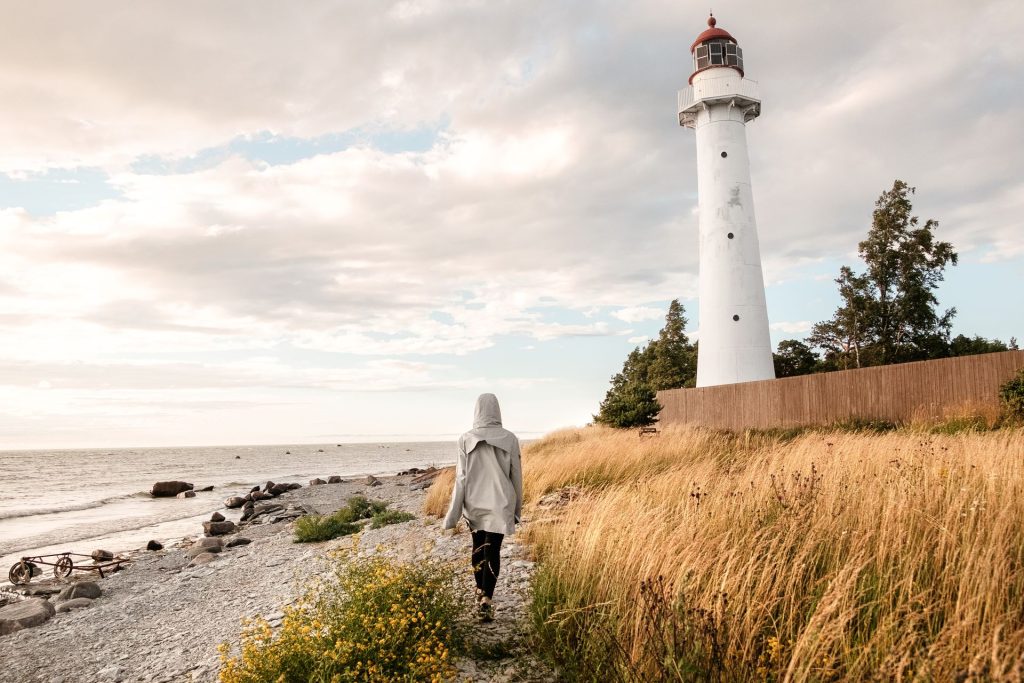
 Vormsi Island is a place seemingly lost in time and space. It is Estonia’s fourth-largest island, covering an area of 93 square kilometers. Majestic Baltic landscapes are adorned with modest two-story houses, colossal boulders recall the Ice Age, and ancient churches echo the centuries.
Entertainment and Attractions
Among Vormsi’s attractions, you’ll find an unexpected mix of Swedish and Soviet architecture with unique historical monuments. For example, the 19th-century red-brick church is the only Orthodox church of the Swedes in Estonia. St. Olaf’s Church, built in the 14th century, is distinguished by its lack of towers: the clock hangs directly above the high-crested door.
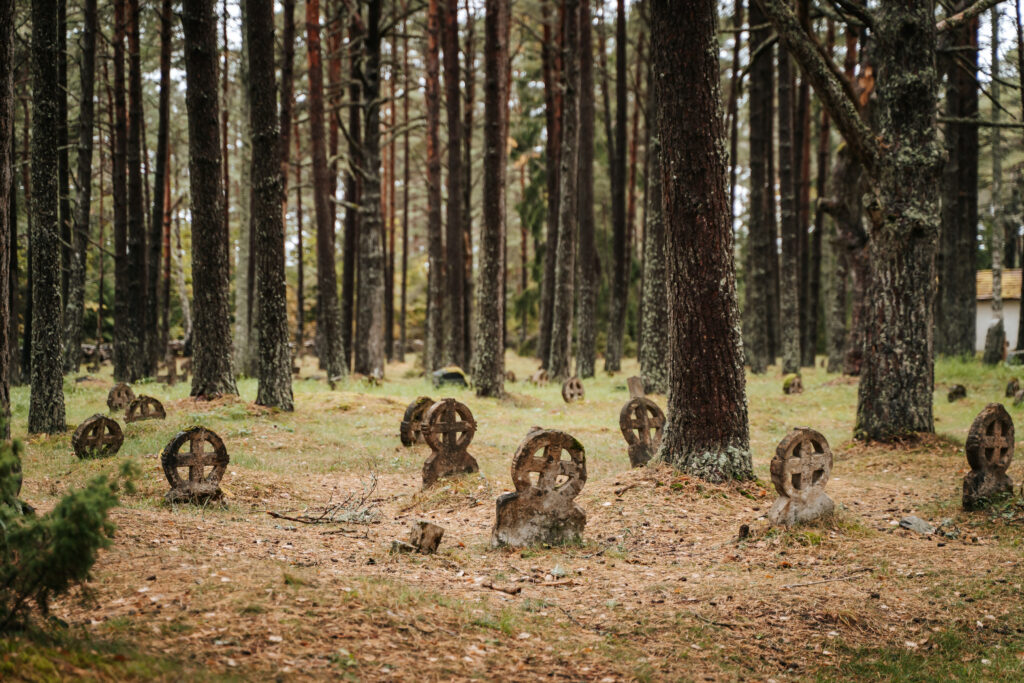
Nearby is an ancient, eerie cemetery with strange limestone and sandstone crosses reminiscent of Celtic crosses, making it unique in Estonia. The Vormsi Farm Museum in the village of Sviby meticulously recreates the everyday life of Estonian Swedes in the early 20th century. It has been skillfully restored, complete with farmstead, and is one of the few remaining after World War II. In the thatched cottages, exhibits feature rare photographs, costumes, household items, documents, and letters. There’s also a smoke sauna, recently built according to traditional traditions.
The island holds many treasures, but its most prized asset is its stunning natural beauty. Here you’ll find forests, lakes, reeds, and giant boulders left behind by the Ice Age, as well as juniper thickets in the west and marshy lowlands in the east. In 2000, this entire unique natural complex was declared a nature reserve, and since then, the island’s flora and fauna have been meticulously protected. Special trails have been established for tourists, such as the Hullo-Preistviigi trail, which circles a lake home to rare species of fish, birds, and orchids. This ten-kilometer, mostly gravel road can be completed in 5-6 hours.
The Sviby-Rumpo trail stretches along the southern coast and passes through pastures, meadows, and forests where you can encounter endangered lichens.
To complete this trail, you’ll need rubber boots, binoculars, and supplies, as there are observation platforms and rest areas in the area.
The northern part of the island is dotted with lakes and springs, while the Rumpo Peninsula boasts sandy beaches ideal for swimming.