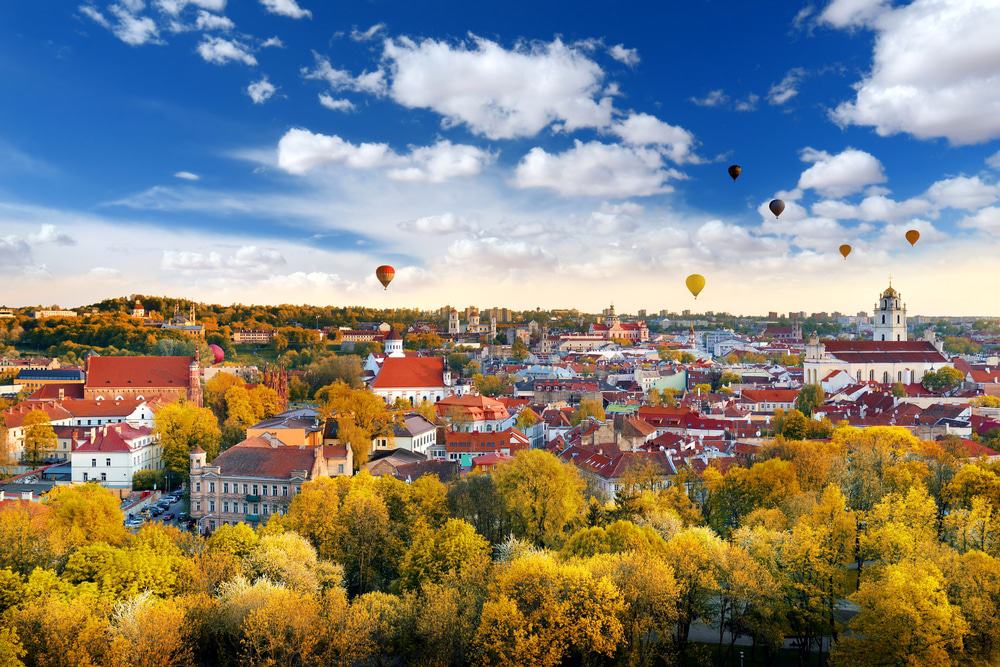
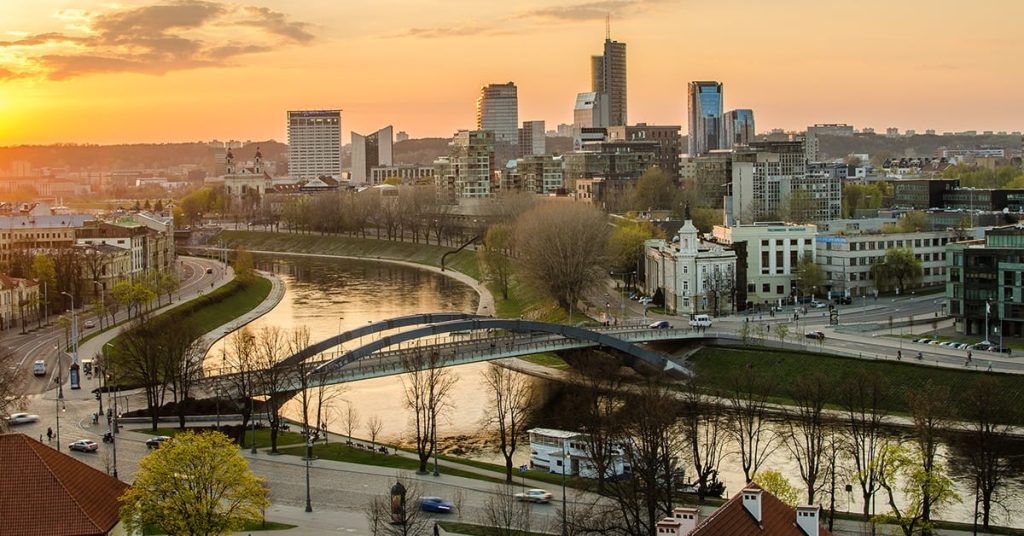
 Lithuanians, known for their calm and composed nature, don’t like being confused with Latvians and can be a little offended if tourists order German beer at a Vilnius bar—they consider their beer the best in Europe. However, to truly anger a Lithuanian, you have to demonstrate a lack of understanding of where Lithuania is, and even some surprise that such a country even exists.
1. Always criticize everything.
Lithuanians are the most genuine patriots, but they are also known for their capacity for self-criticism. They can easily confirm that life in Lithuania is a nightmare, all the locals are losers, and the people in power are unworthy. At the same time, Lithuanians are ready to defend their independence and their country at any cost.
2. Arguing is in the blood
Lithuanians tend to disagree with their opponents, challenge decisions, and present compelling arguments in business negotiations, explaining why the proposed cooperation in its current form is doomed to failure. They won’t simply say “no”; they’ll present a multitude of reasons why a given task can’t be accomplished and what obstacles may arise along the way.
3. Collectivism and mutual assistance are the norm
Most Lithuanians are not individualists. They respect folk traditions, and ancient rules of community life are closely intertwined with their daily lives. For example, in rural areas, neighbors often help each other with haymaking, harvesting, and other farm work.
4. Everyone plays basketball
Basketball is a true cult in Lithuania, and the Lithuanian national basketball team is one of the most successful participants in all major European and world championships.
5. Eating Crows
This refers to the tradition of eating wild crow meat in Lithuania, which is often compared to quail in its tenderness and flavor. Young birds are caught immediately after they leave the nest and prepared into a dish considered a special delicacy. However, this culinary preference is not widespread throughout the country, but rather only in the village of Kalnaberžė, where an annual crow hunting festival and subsequent feast are held.