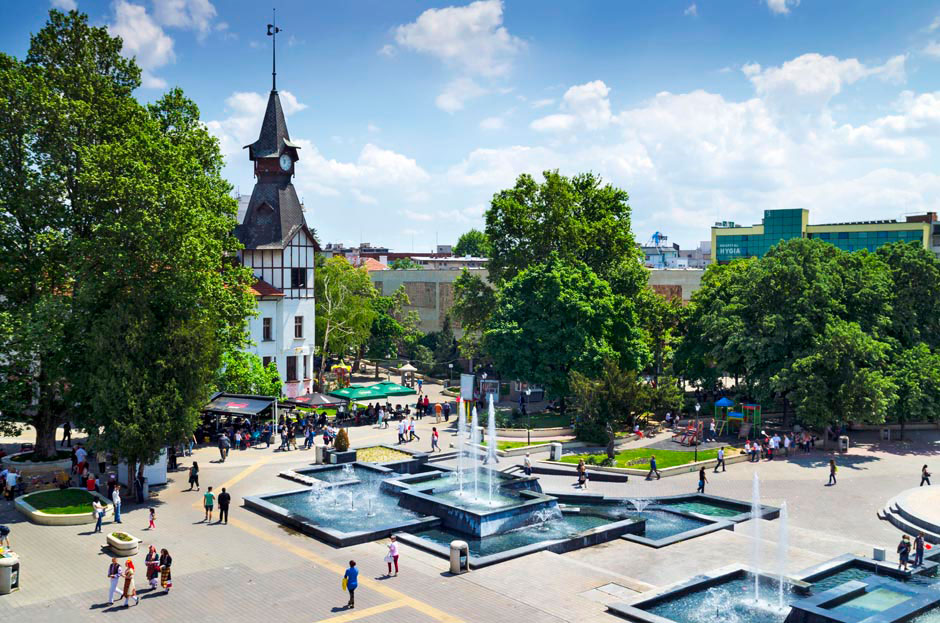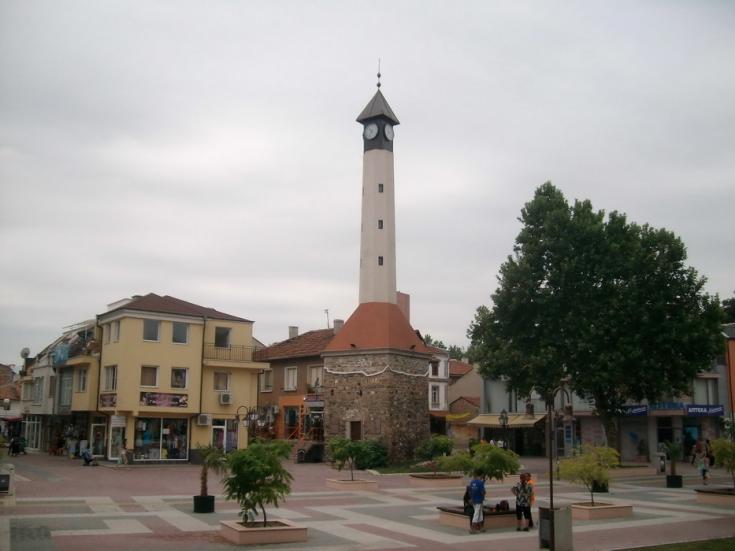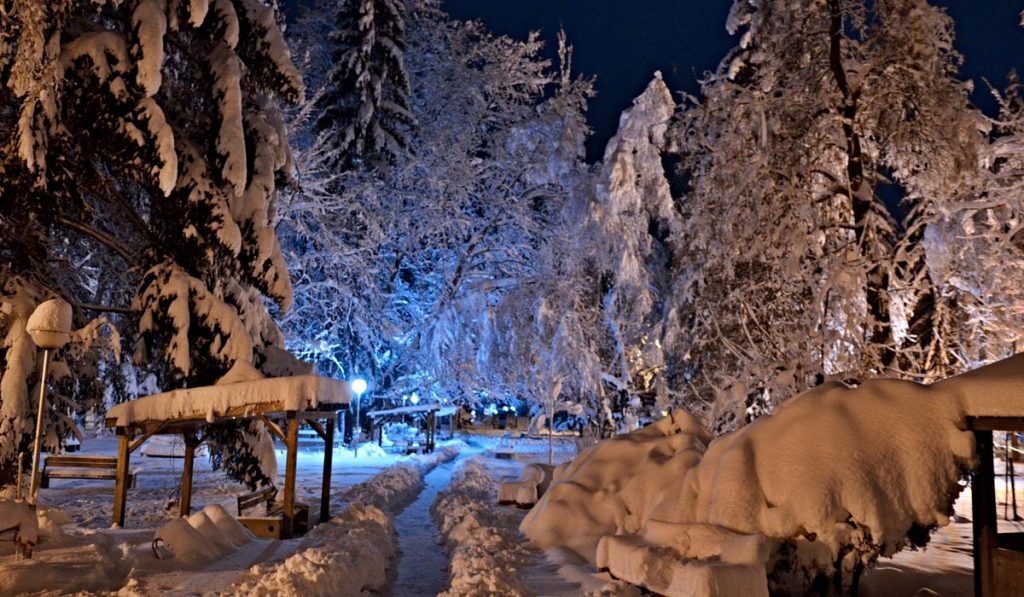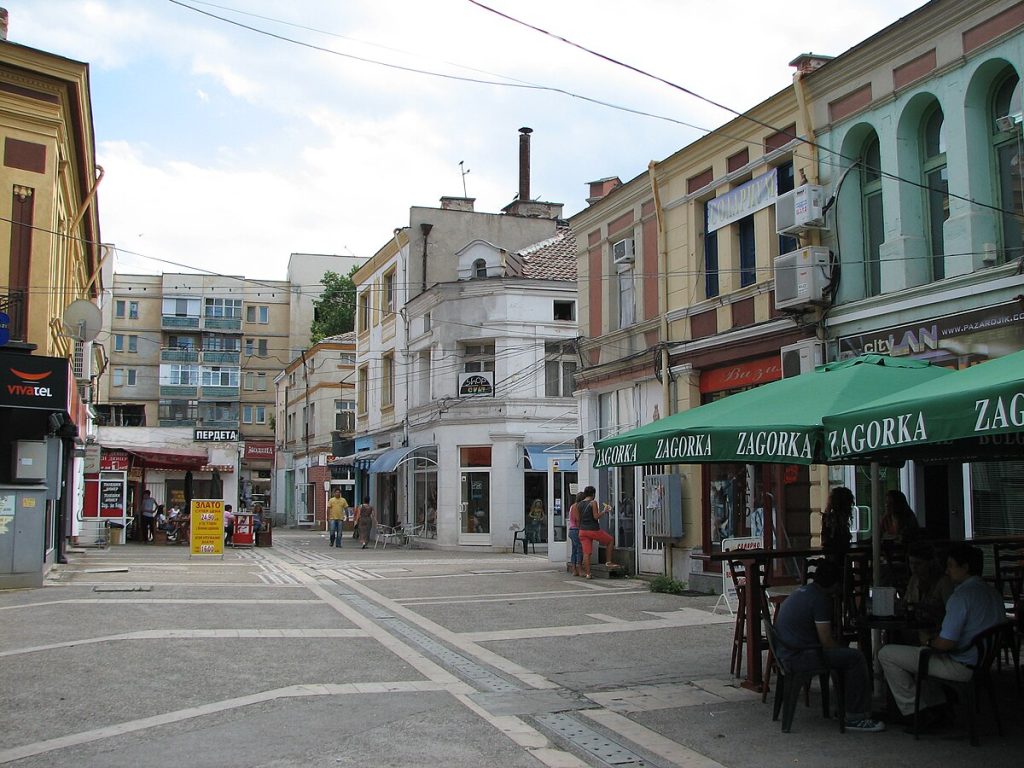
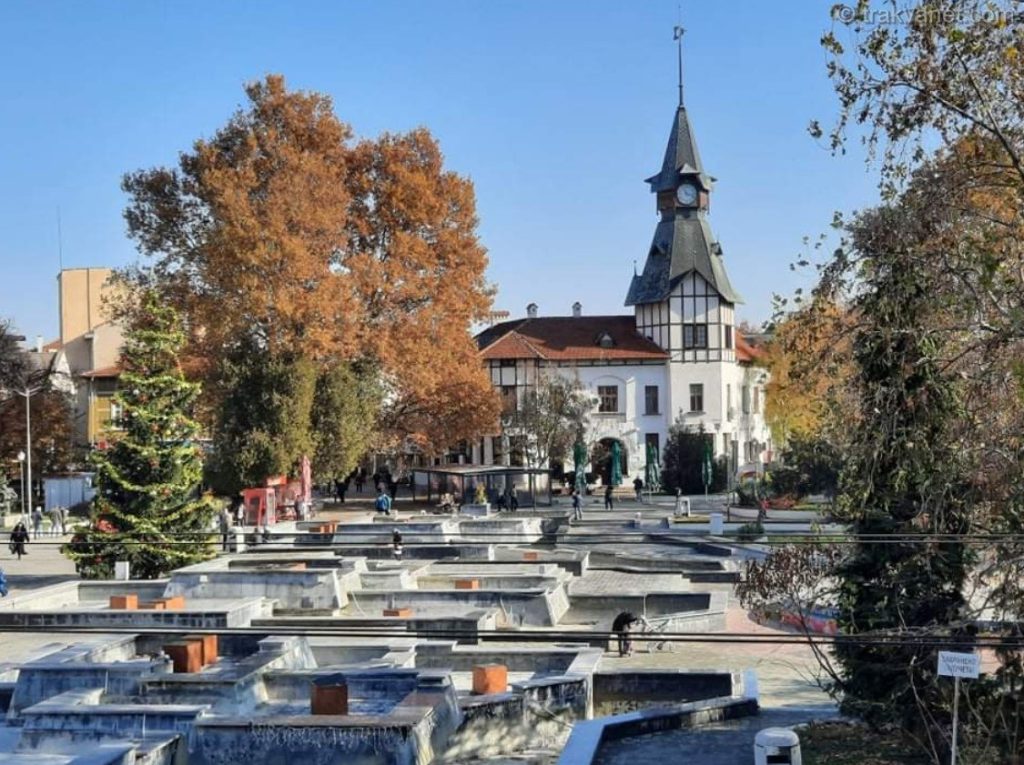
The city of Pazardzhik is located on the banks of the Maritsa River in the Upper Thracian Lowland, home to some of the most fertile land in Bulgaria. These lands have always been attractive for settlement and have left their mark on the city’s history, which was inhabited over the centuries by Thracians, Romans, Byzantines, Slavs, Turks, and Bulgarians. Pazardzhik reached the peak of its development in the mid-19th century, when it became a center of trade and crafts.
Attractions
One of Pazardzhik’s main attractions are the monuments of the Bulgarian National Revival from the first half of the 19th century. Among them, the Cathedral of the Holy Virgin, built in 1837, occupies a special place. It is the largest church from Bulgaria’s Golden Age and is of great cultural and historical value.
The exceptionally beautiful carved iconostasis is a national masterpiece of fine art. Another remarkable religious landmark in the city is the 17th-century Kurshumlu Mosque. It is the only surviving Muslim temple in Pazardzhik, although there were once as many as 20. The mosque is shaped like a cube with an octagon on top. Inside is a semicircular mirab niche, richly painted and decorated. The interior is adorned with a wooden gallery above the entrance.
The minaret, adjacent to one of the building’s corners, is 50 meters high.
The Pazardzhik History Museum, housed in several buildings in the city, is a significant cultural landmark. The museum’s exhibition presents the history of the region’s life, from the Paleolithic era to the mid-20th century, and is divided into several sections, including archaeology, the history of Bulgaria from the 15th to the 19th centuries, modern history, and the present day.