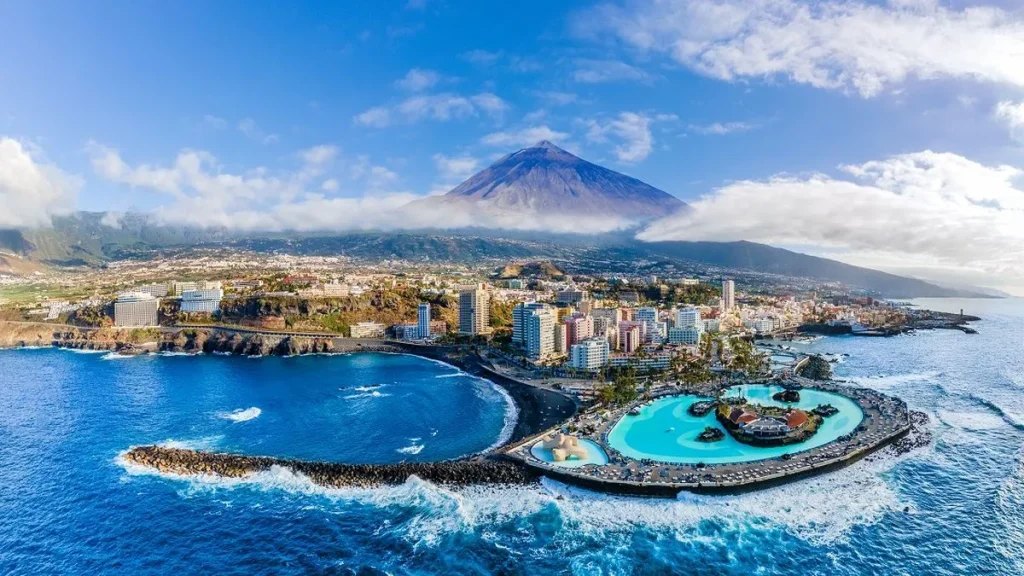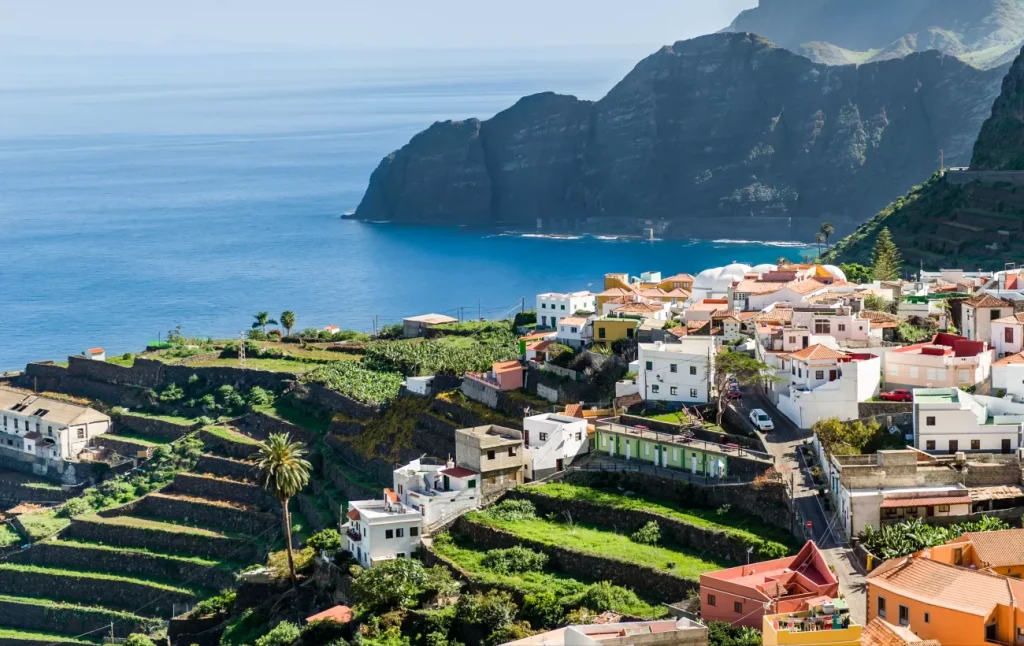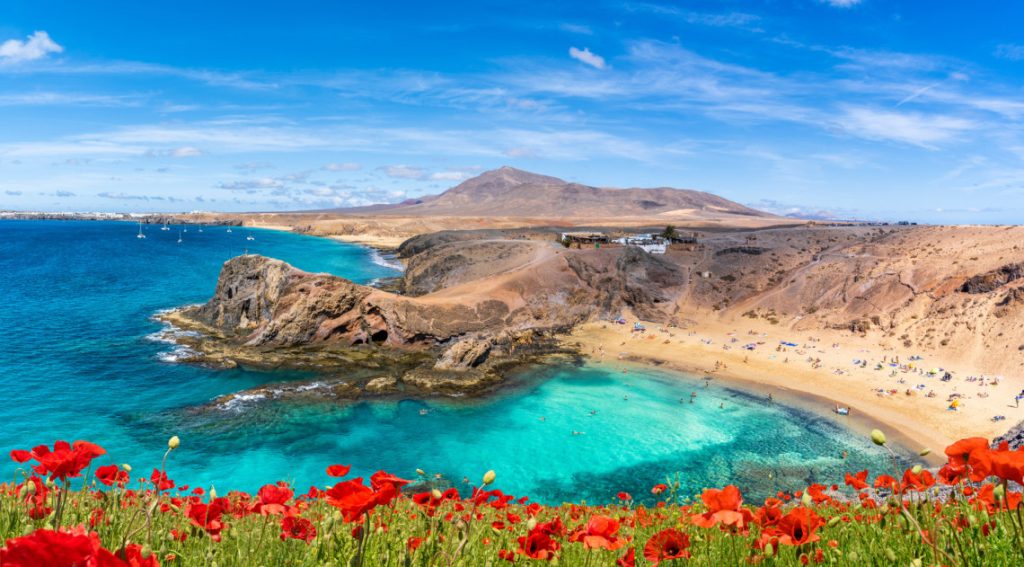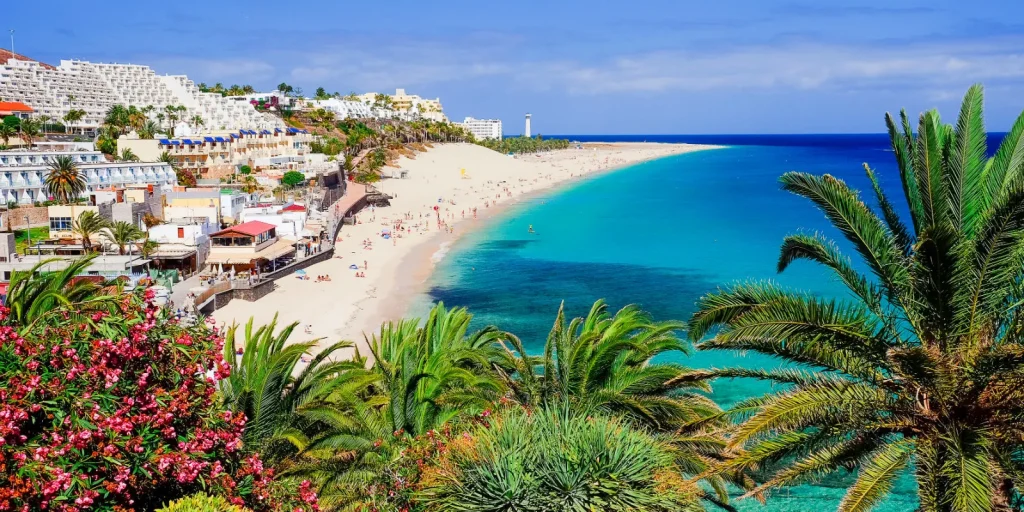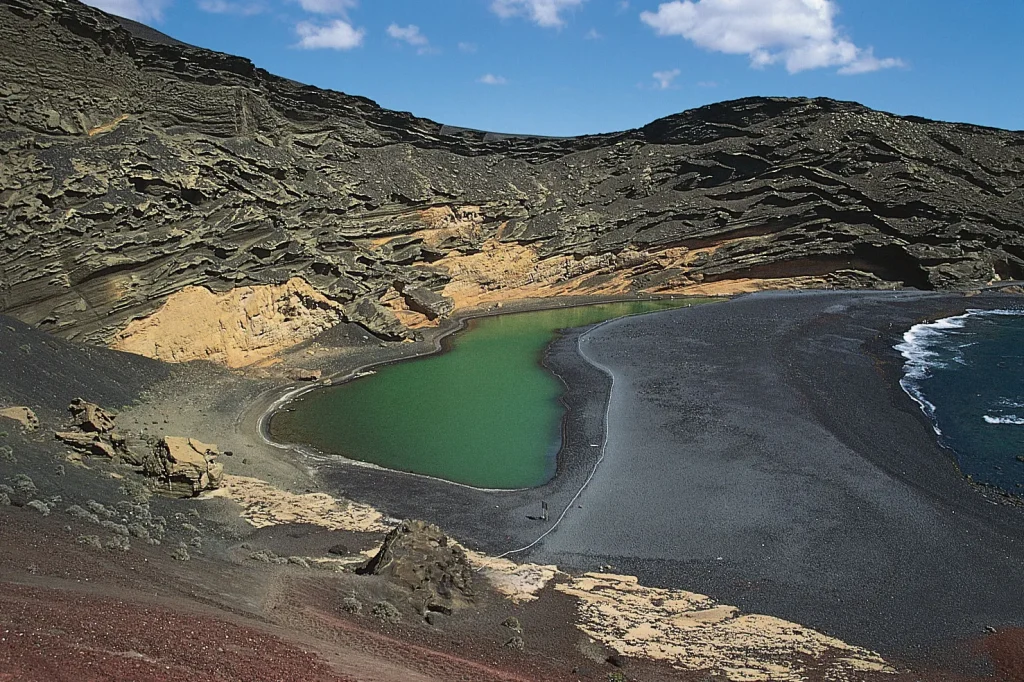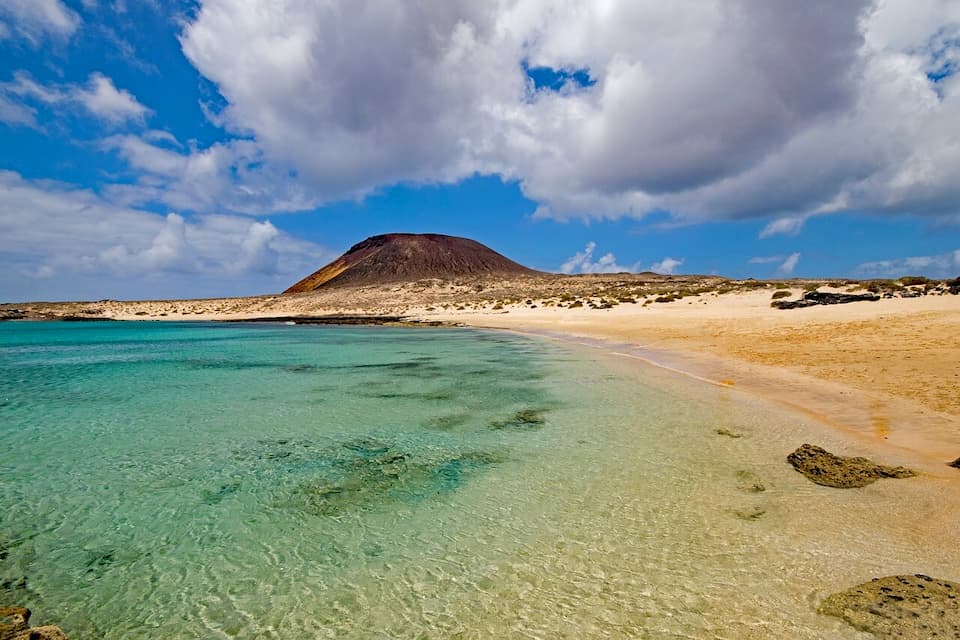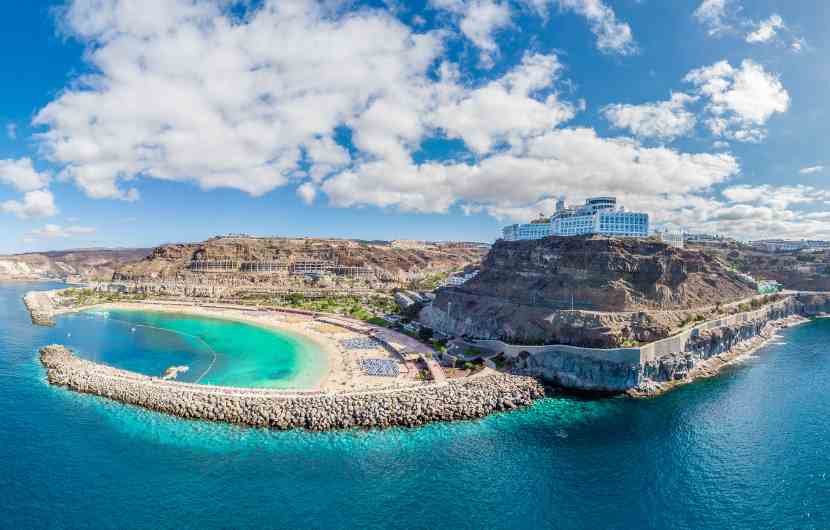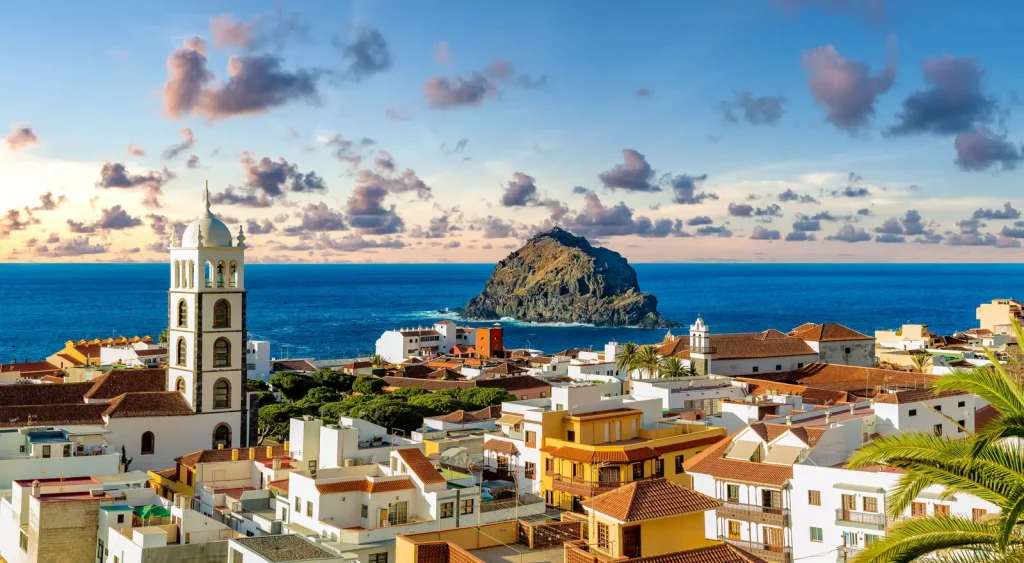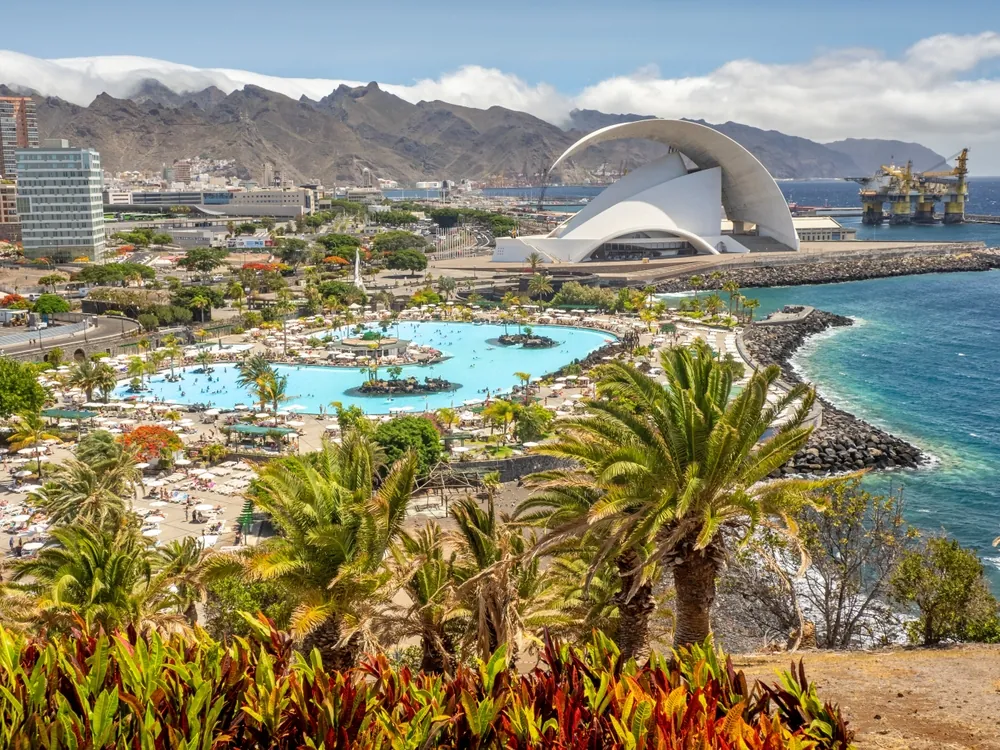
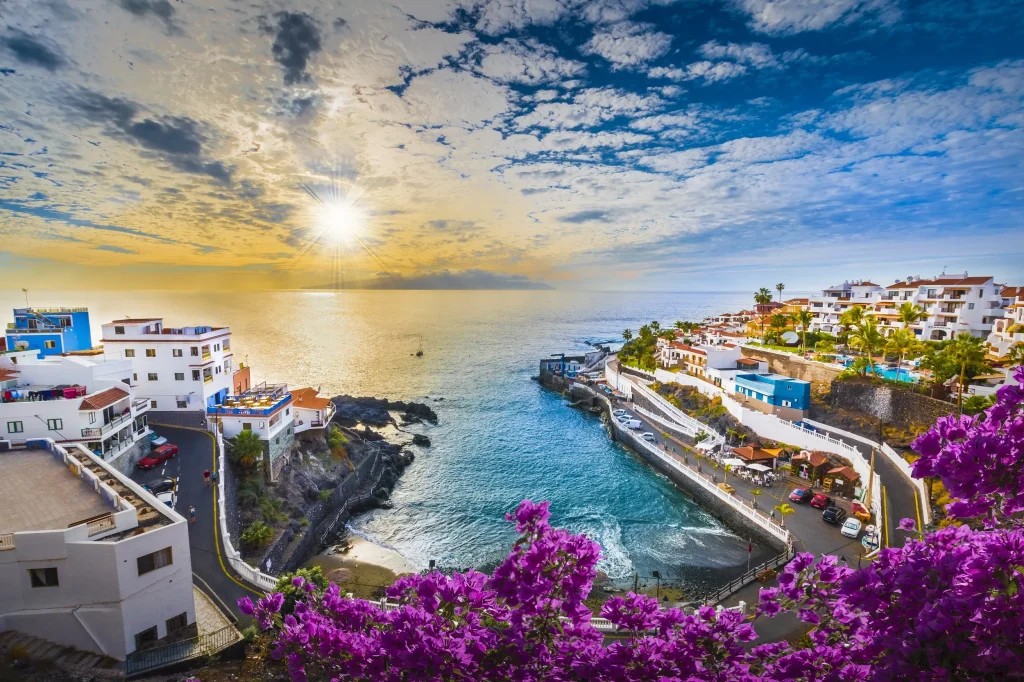
The Canary Islands are a beautiful archipelago in the Atlantic Ocean, boasting an ideal climate, breathtaking emerald valleys, enchanting cliffs, and sandy beaches. The Canary Islands consist of seven main islands: El Hierro, La Palma, La Gomera, Tenerife, Lanzarote, Gran Canaria, and Fuerteventura, as well as several smaller islands.
Canary Islands Beaches
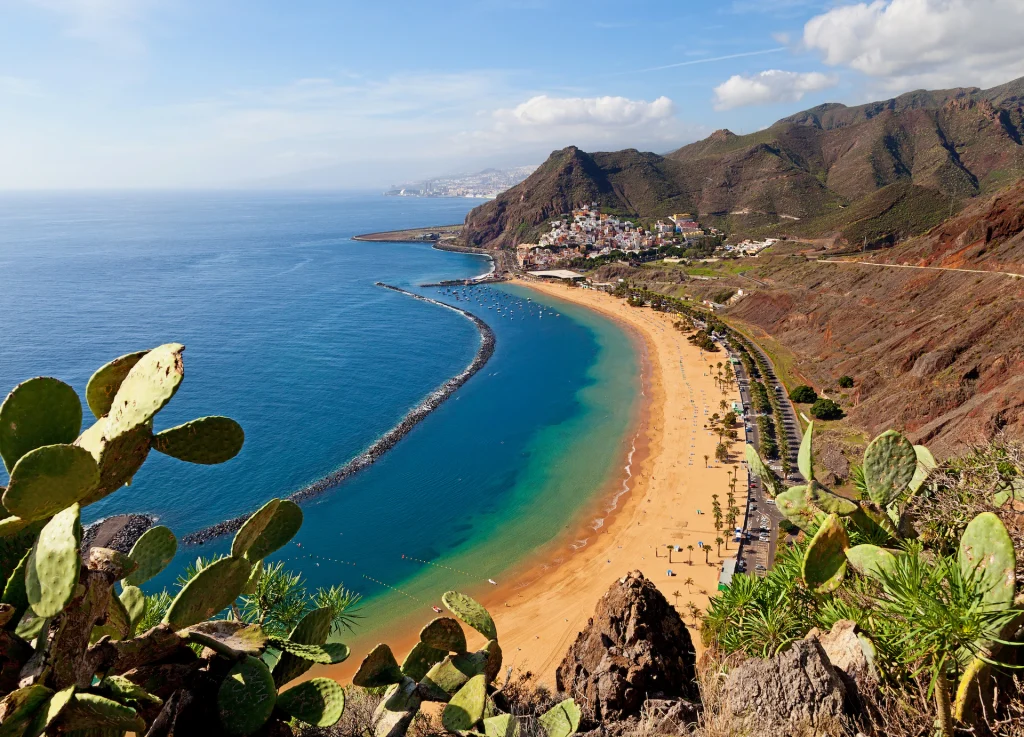
The Atlantic coastline of the Canary Islands stretches for 1,500 kilometers and impresses with its diversity: here you can find magnificent sandy beaches and steep rocky shores. The ocean water in these islands is quite cool, but its color is simply stunning – a rich blue thanks to the ocean’s depth.
The longest and whitest beaches are found on the islands of Lanzarote, Fuerteventura, and Gran Canaria, while the western islands are characterized by more rugged coastlines. Most beaches in Tenerife are covered with golden sand, either extracted from the ocean or transported from the Sahara.
Sights of the Canary Islands
In northwest Gran Canaria lies the historic town of Gáldar, which preserves the remains of ancient settlements of the island’s indigenous people. Mysterious drawings created by the Guanche tribe can be found in the Cueva Pintada cave.
The bright and large designs may have served a calendar function. Another unique place in Gran Canaria is Pueblo Canario, a village with traditional multicolored buildings reflecting the archipelago’s architectural style.
On the island of Lanzarote, you can visit two historic fortresses: Castillo de San José, which houses the Museum of Contemporary Art, and San Gabriel, built in the 16th century and now housing the Archaeological Museum.
Of particular interest are the pyramids in the Güímar Desert on the island of Tenerife. Scientists believe that these structures were created by local farmers who piled up the stones they found along the edges of their fields.