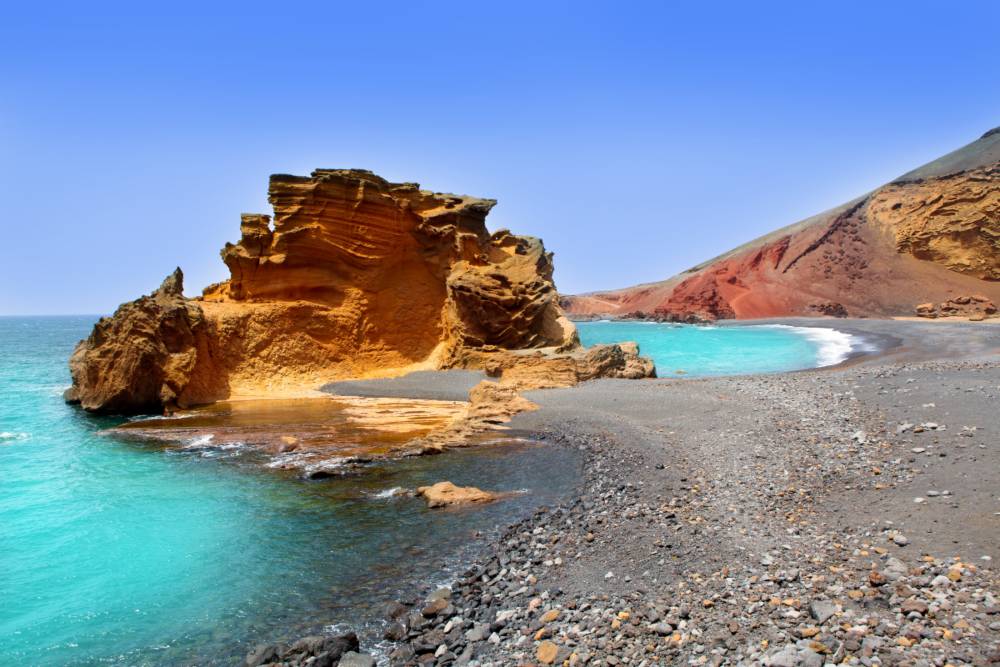
Lanzarote, the easternmost island and fourth largest in the Canary Islands, is home to approximately three hundred volcanoes. A third of the island is covered in ash and basalt, the result of a powerful six-year eruption of thirty volcanoes that occurred in 1730.
Lanzarote Beaches
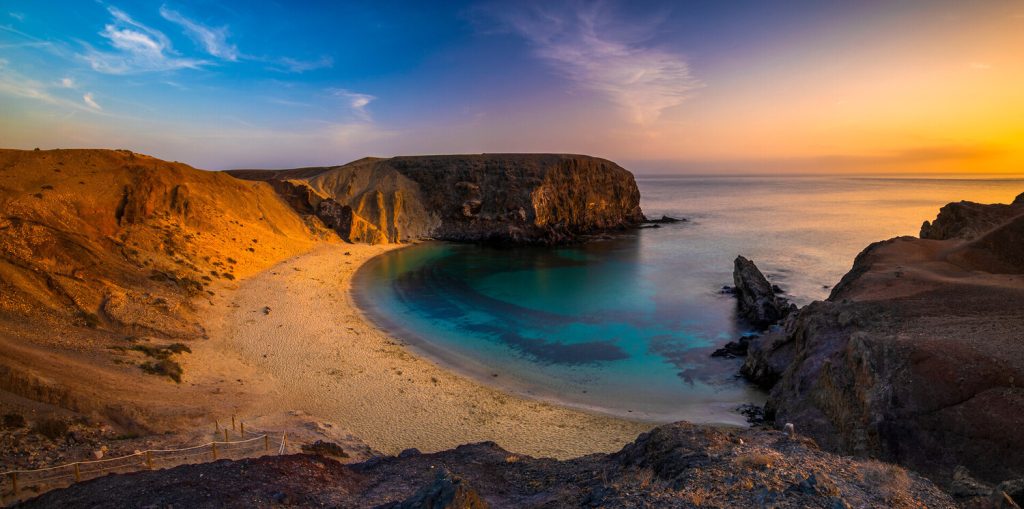
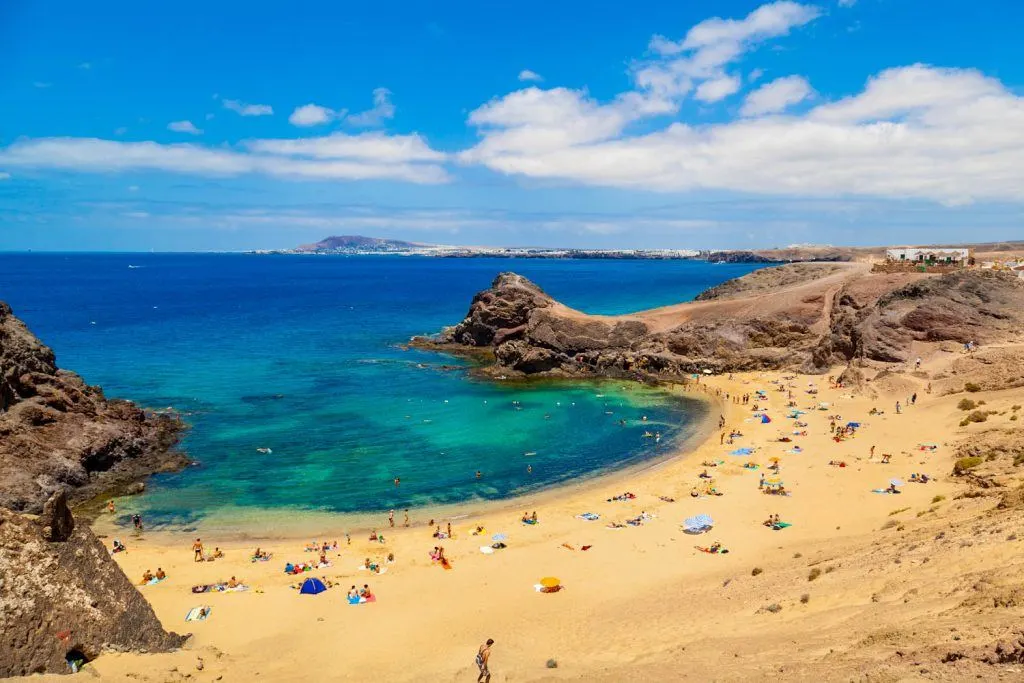
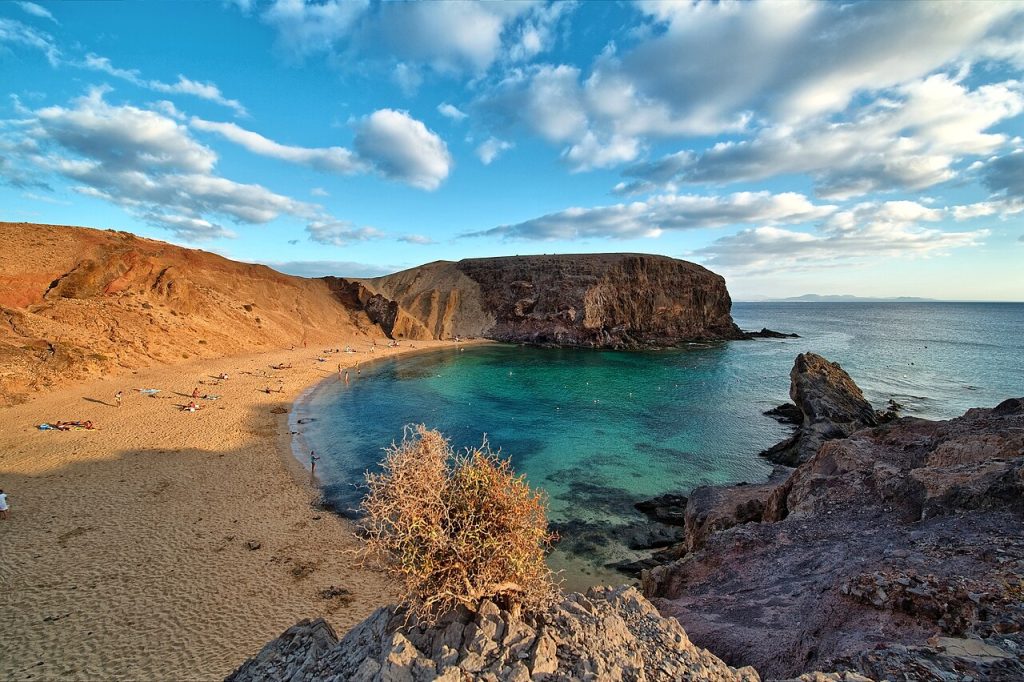
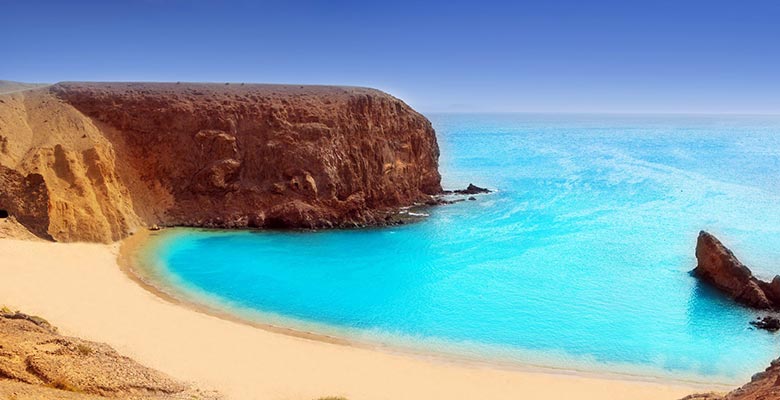
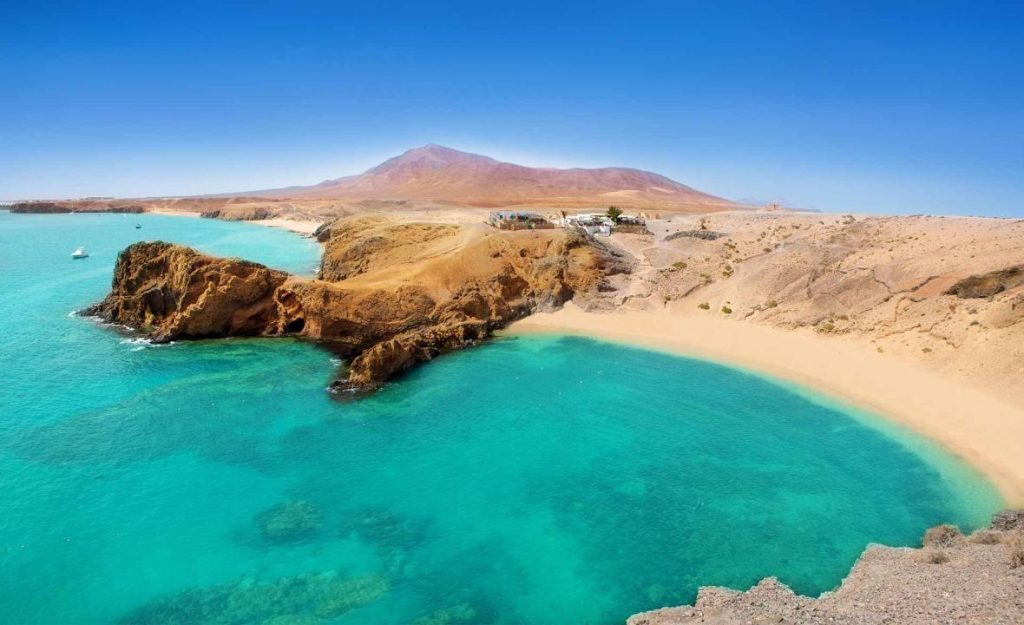
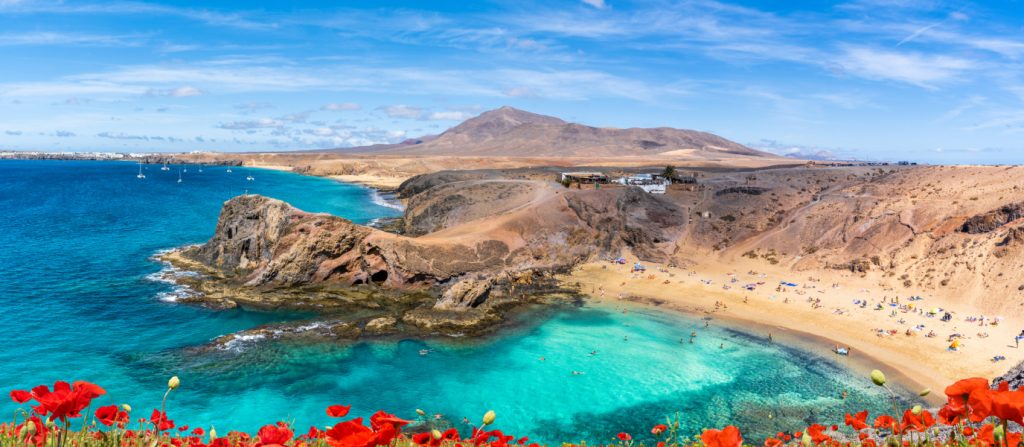
On the southern coast of Lanzarote, in the Bay of Papagayo, lie the island’s most beautiful beaches, with white sand and crystal clear water. These beaches retain their pristine beauty, largely due to the difficulty of accessing the bay.
Another tourist center of the island is located in the southeast—the oldest resorts of Puerto del Carmen and Costa Teguise. Constant winds make this area unattractive for sunbathers, but it is a favorite gathering place for windsurfers.
The relatively young resort of Playa Blanca delights even the most discerning tourists not only with excellent service but also with beautiful beaches. It is especially suitable for families with children.
Lanzarote Attractions
On the western side of Lanzarote lies Timanfaya National Park, home to the volcanoes that have so dramatically changed the island’s appearance. Tourists can visit the “Fire Mountains,” a famous lava field, by bus and feel the heat radiating from the earth: just a few centimeters below the surface, the temperature reaches 350°C.
Lanzarote’s impressive “lunar landscapes” are specially protected, and walking on solidified lava within the reserve is prohibited.
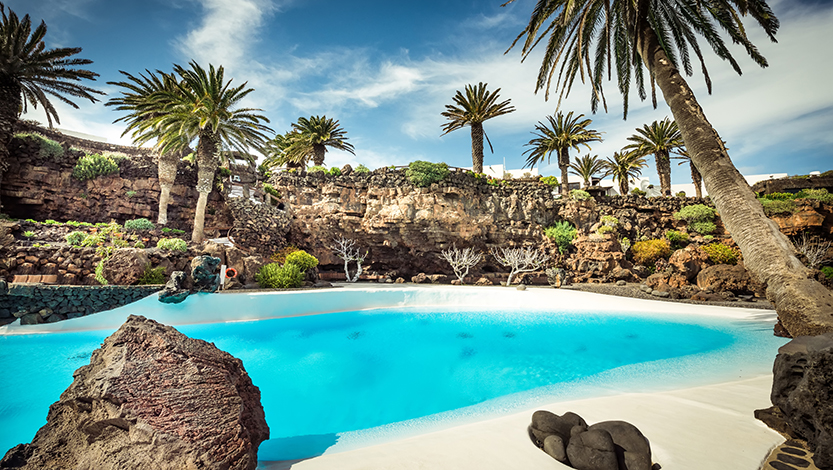
In the northeast of the island lies the La Corona Massif, home to the unique volcanic pipes of Jameos del Agua and the volcanic cave of Cueva de los Verdes. They lie beneath the lava fields of the volcano known as Corona.
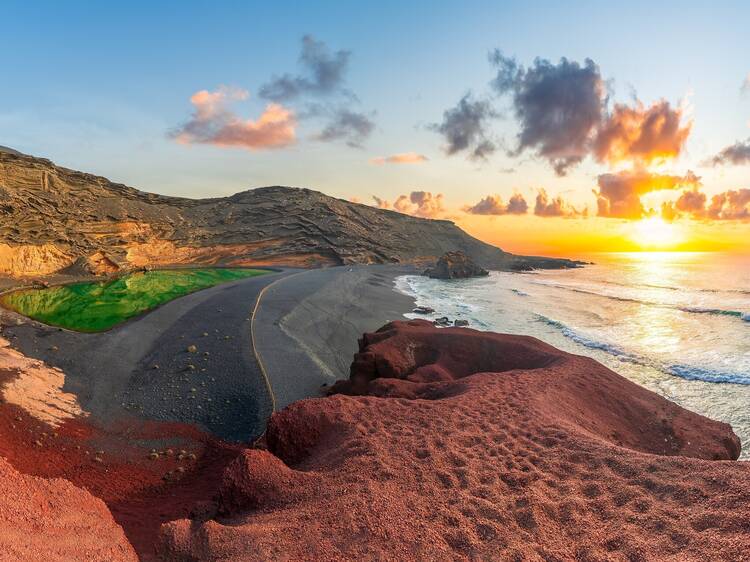
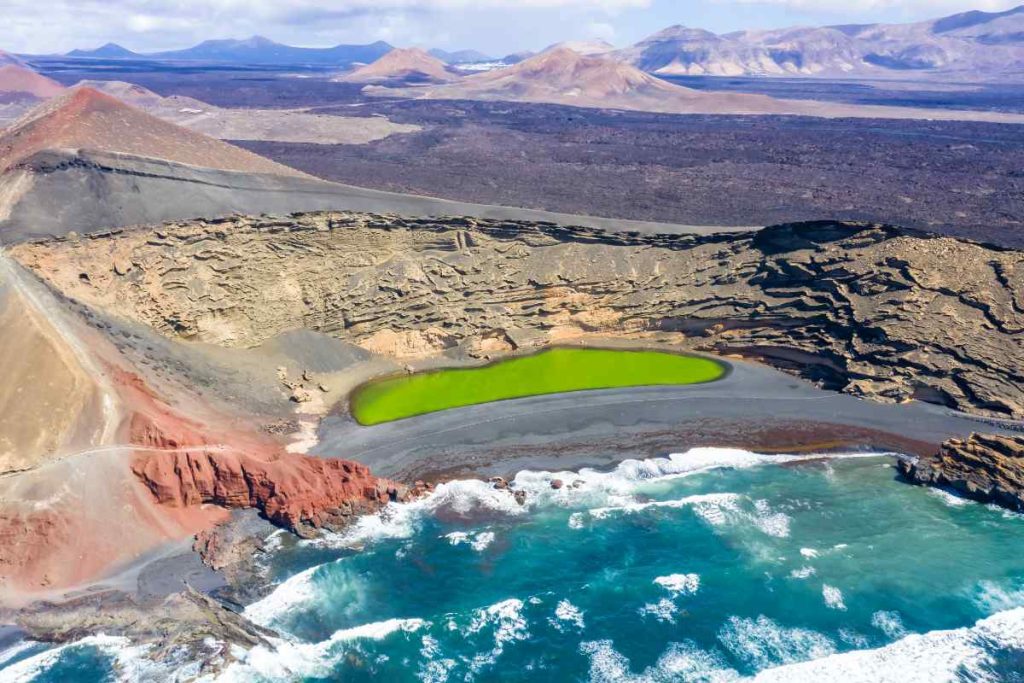
Cueva de los Verdes is the largest volcanic cave in the world, reaching a depth of 6 kilometers, with some chambers measuring 15 meters high and 24 meters wide. Thanks to its excellent natural acoustics, one of the caves is now a magnificent concert hall. Furthermore, on the coast of Los Hervideros, where lava flows beautifully into the sea, lies the stunning green crater of El Golfo.