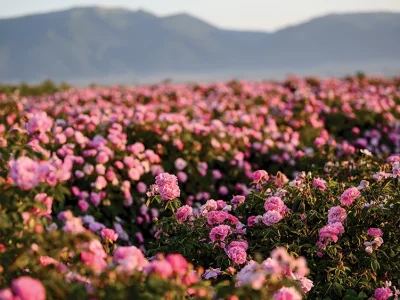
Italian cuisine is a true national treasure. “Dolce far niente” also applies to food: the ability to savor the moment, without rushing, accompanied by good wine. Speaking generally about Italian cuisine is not entirely fair, as each region has its own distinctive characteristics.
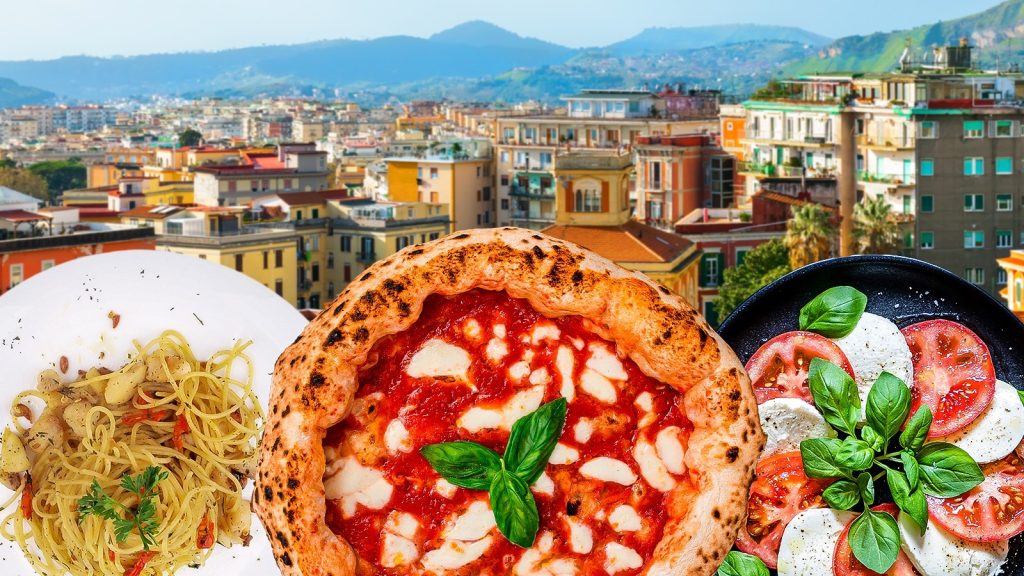
Neapolitan Cuisine
In Naples, everything revolves around pizza—it’s its calling card. Here you can try the most delicious and classic “Margherita,” masterfully prepared by the best Neapolitan pizzaiolos. They also delight you with the strongest coffee and mozzarella made from black buffalo milk, known as the “white gold” of Naples.
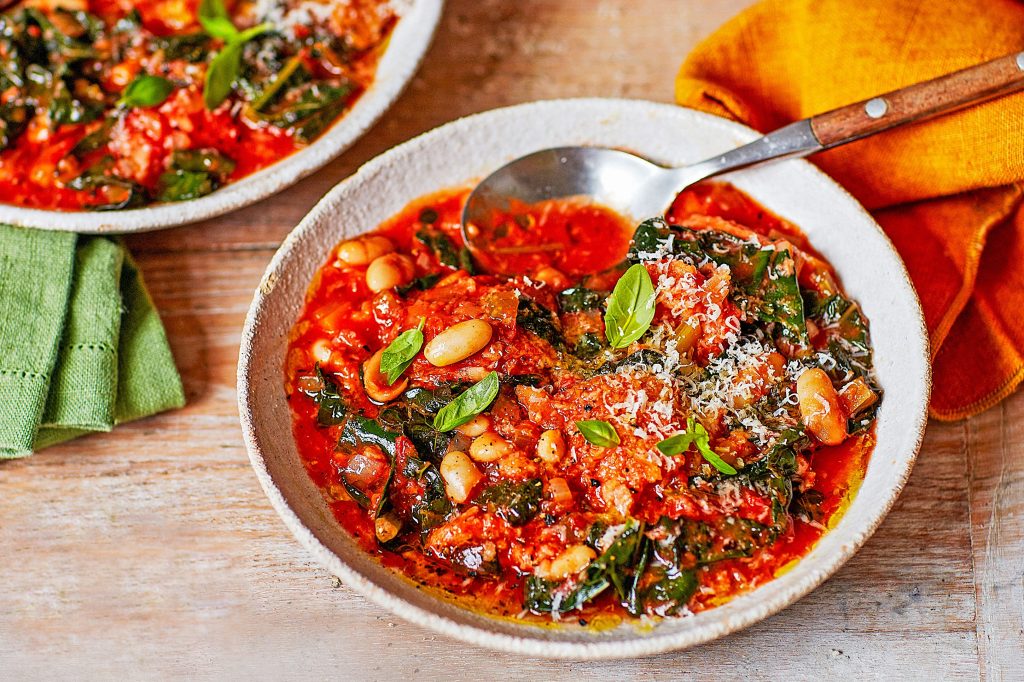
Tuscan Cuisine
Tuscany is famous for its vineyards, making this region renowned. When it comes to cuisine, the locals adore bread. Tuscany offers a wide variety of breads and pastries. Therefore, culinary tours often include bakery visits and bread-making workshops. Another culinary specialty of this region is Pecorino sheep’s cheese, which locals experiment with for flavor, adding pistachios, saffron, dried fruit, and many other unusual spices.
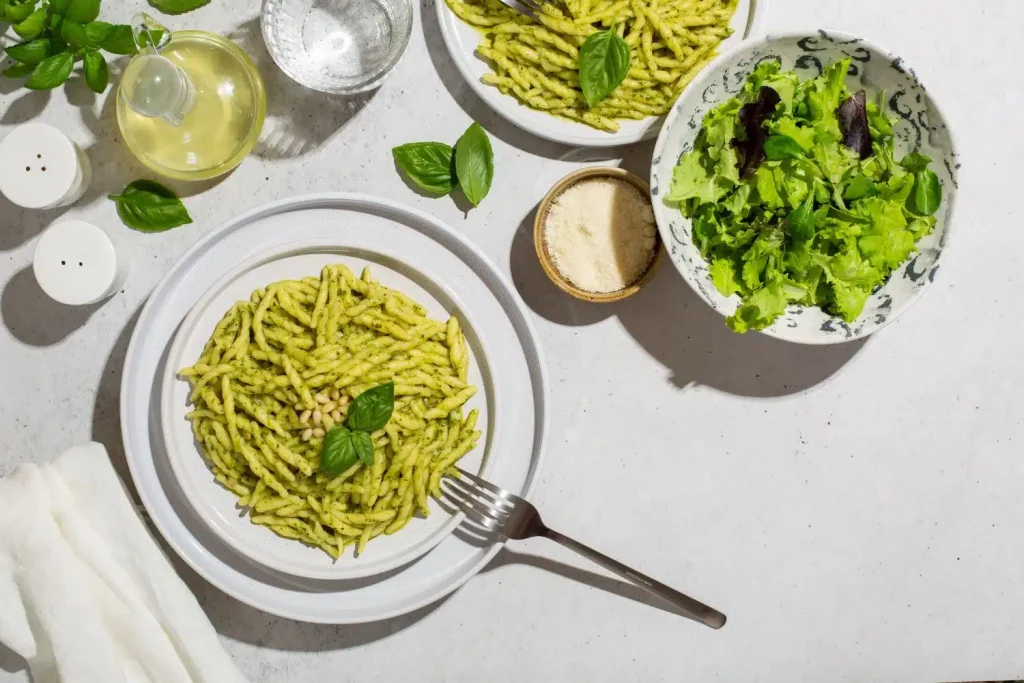
Ligurian Cuisine
Liguria is famous for its pesto sauce, made from basil, garlic, and olive oil, a gift to Italy and the world. Light, local wines from Liguria perfectly complement seafood—they are considered the most delicate wines in Italy.
Umbrian Cuisine
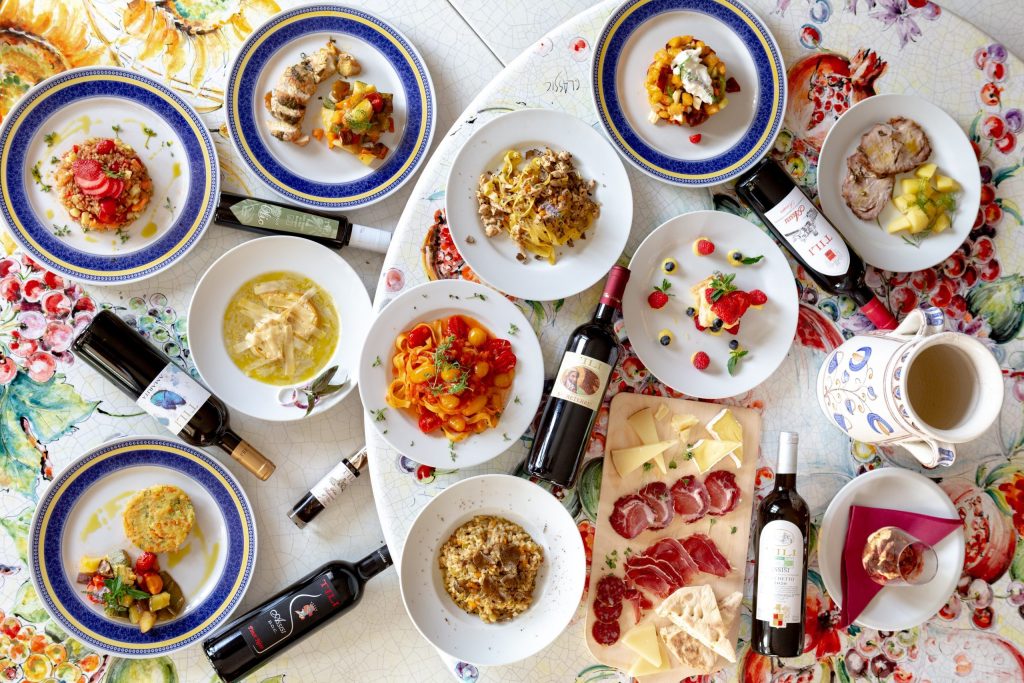
Umbria is known for its truffles, olive oil, and salami, with truffle hunting trips organized for tourists during the season. Although olive oil is not uncommon in Italy, Umbrian oil is considered the finest and highest quality. Therefore, tours of olive groves and visits to local mills and factories where this aromatic oil is produced are popular here.
Sicilian Cuisine
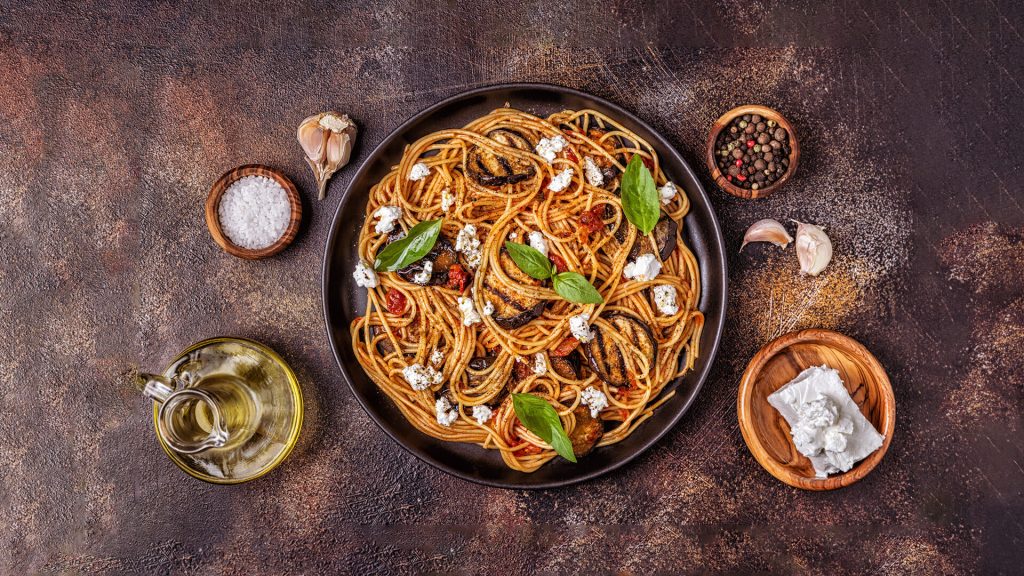
Sicilians are renowned for their passion for sweets. They are particularly skilled at creating fruit ice cream, flavored with watermelon, jasmine, cinnamon, and almonds. They also invented cannoli, considered one of the best in Italy, and make the most exquisite marzipan.
Sardinian Cuisine
Historically, Sardinia was frequently attacked and invaded, so the locals preferred to avoid unnecessary risks and focus on developing agriculture.
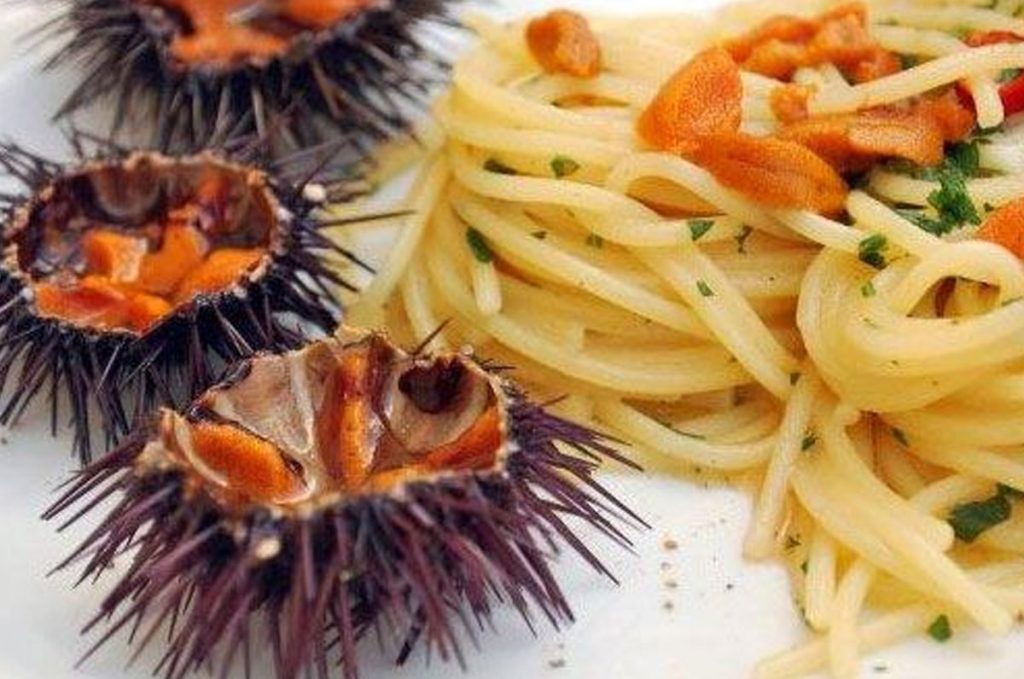
Thanks to this, the island boasts abundant pastures and high-quality meat. However, one shouldn’t forget the abundance of seafood, which is also abundant on these beautiful shores.