Úbeda, a small city in central Andalusia, located in the province of Jaén, along with neighboring Baeza, is a UNESCO World Heritage Site, primarily due to its unique Renaissance architecture.
Attractions in Úbeda
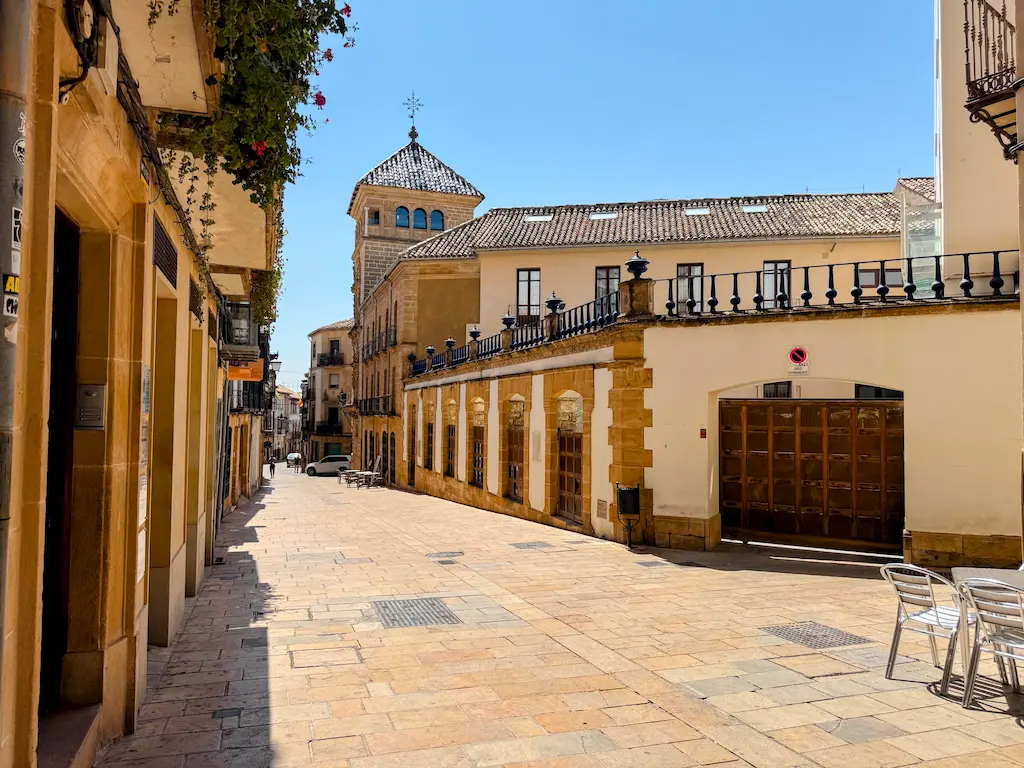
Úbeda is renowned as the “Golden City” due to its unique combination of architecture and lighting, especially spectacular in the afternoon. Úbeda boasts more Renaissance buildings than anywhere else in Spain, most of which were built between the 15th and 16th centuries.
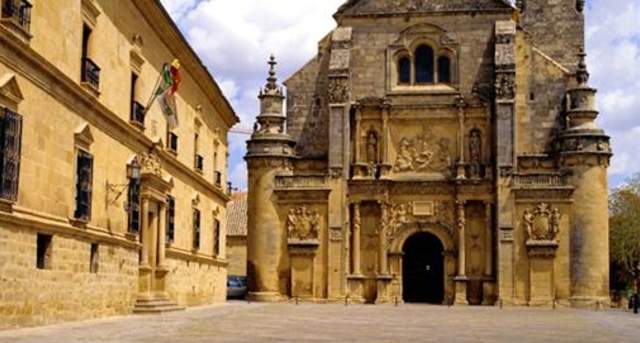
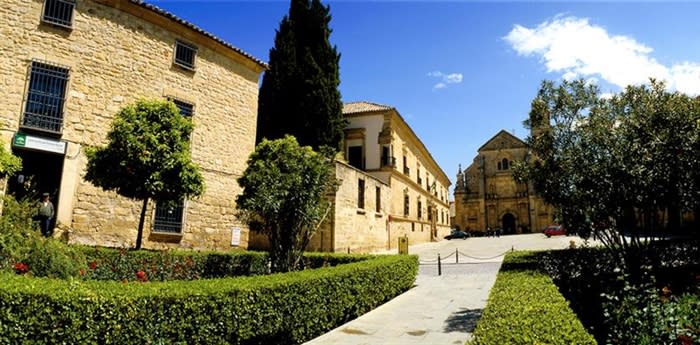
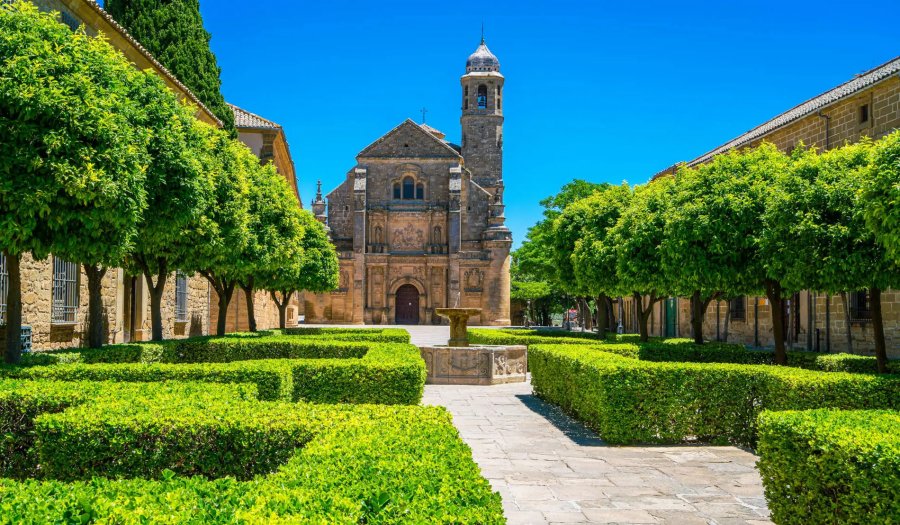
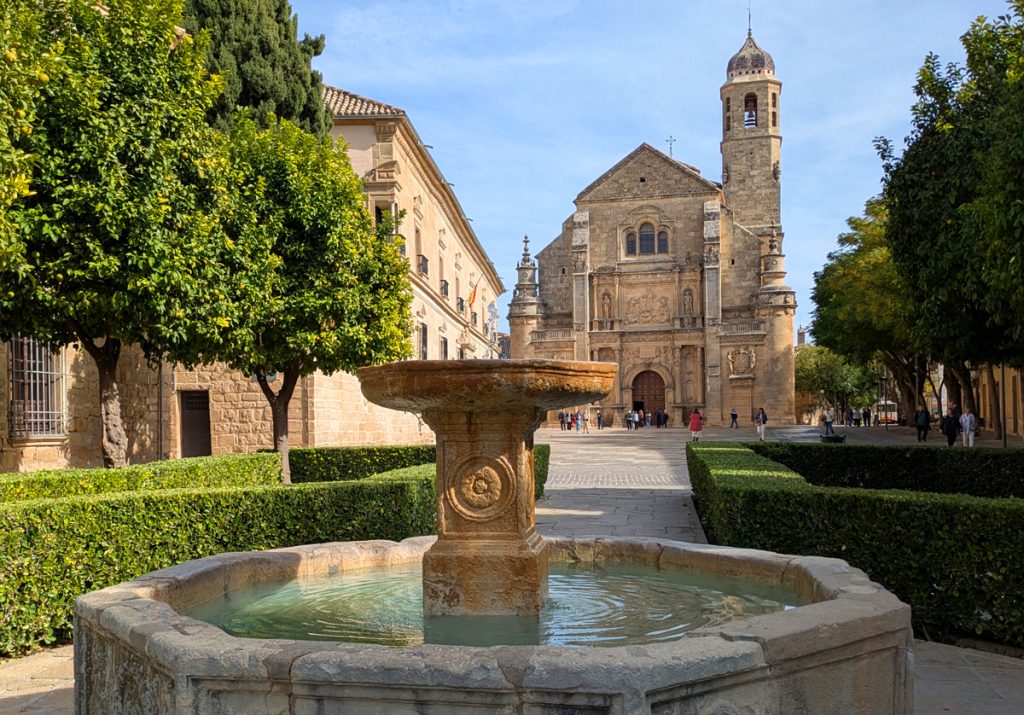
A tour of the city is best begun in its central square, Plaza Vásquez de Molina, named after the personal secretary of King Philip II. Initially a simple market square, in the 16th century, luxurious palaces were built on this site under the direction of some of Spain’s finest architects. One of the most impressive of these is the Palacio de las Cadenas, built by the renowned Spanish architect Andrés de Vandelavia in just six years. This palace is deservedly considered one of the most beautiful buildings in Andalusia and currently serves as the city hall.
In this same square, you’ll also find a monument to the 16th-century Spanish poet Juan de la Cruz, who sadly passed away in Úbeda. Also in the square is La Casa Mudejar, which now houses an archaeological museum.
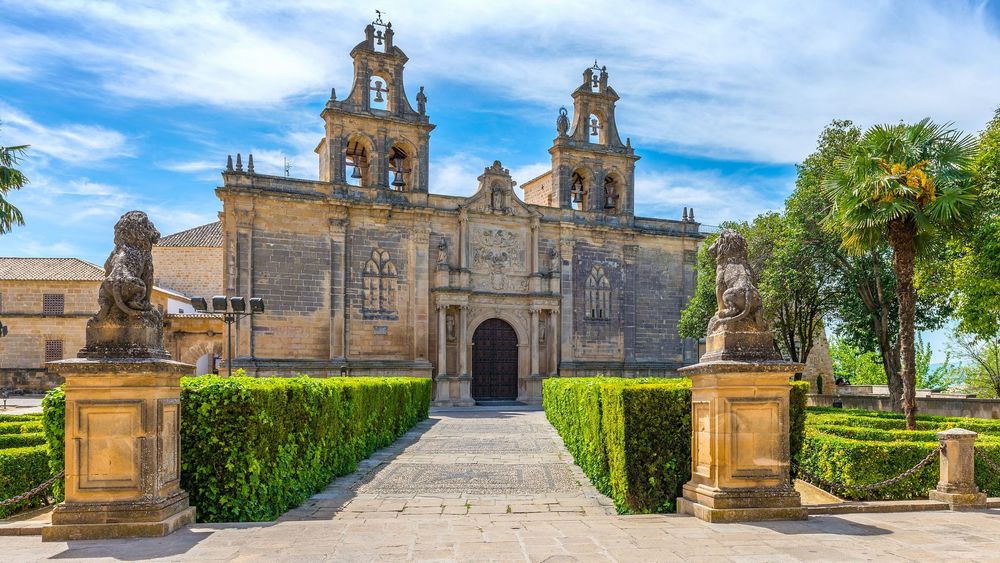
Slightly south of the main city square is the Plaza del Primero Mayo, a former market square where markets and bullfights were once held. Here you’ll find the Antiguo Ayuntamiento, built in the Renaissance style. Privileged guests watched the bullfights from the balconies of this house. The Church of Santa Maria de los Reales Alcazares is located opposite the Palacio de las Cadenas and is a fine example of Renaissance architecture. Don’t miss the carvings on the façade, depicting the Transfiguration of Christ and the Greek gods on the lower arch. This church belongs to the Medinaceli family, descendants of the Cobos family, who were major landowners in Andalusia.