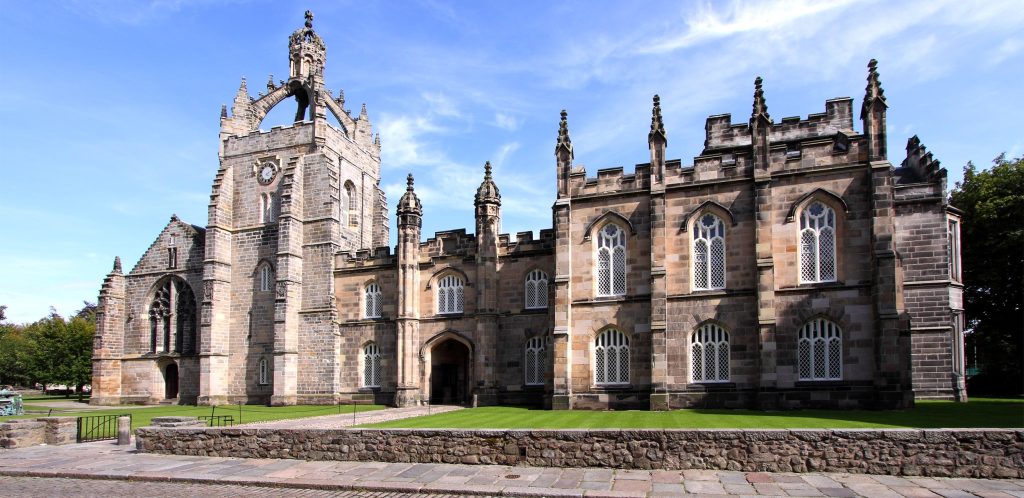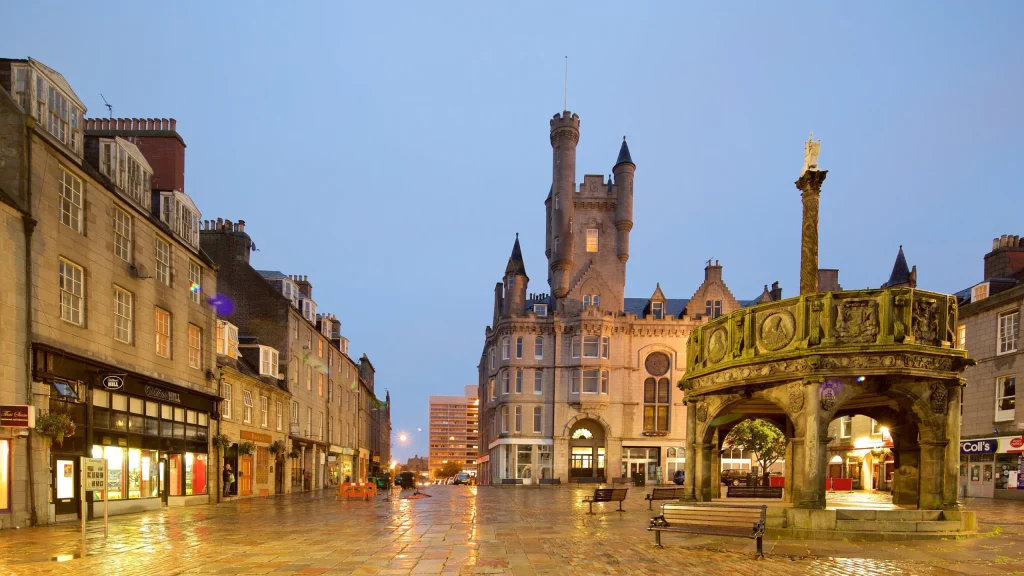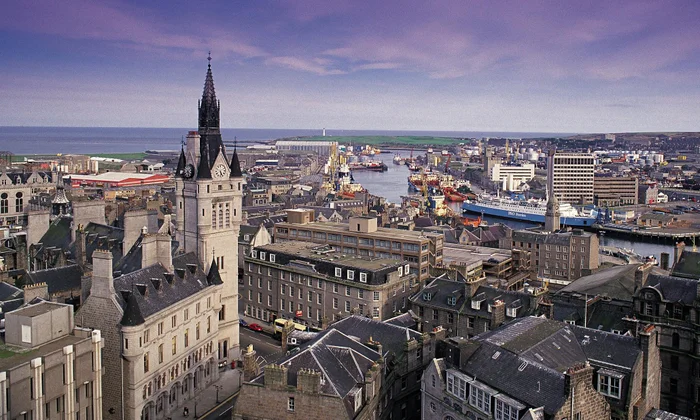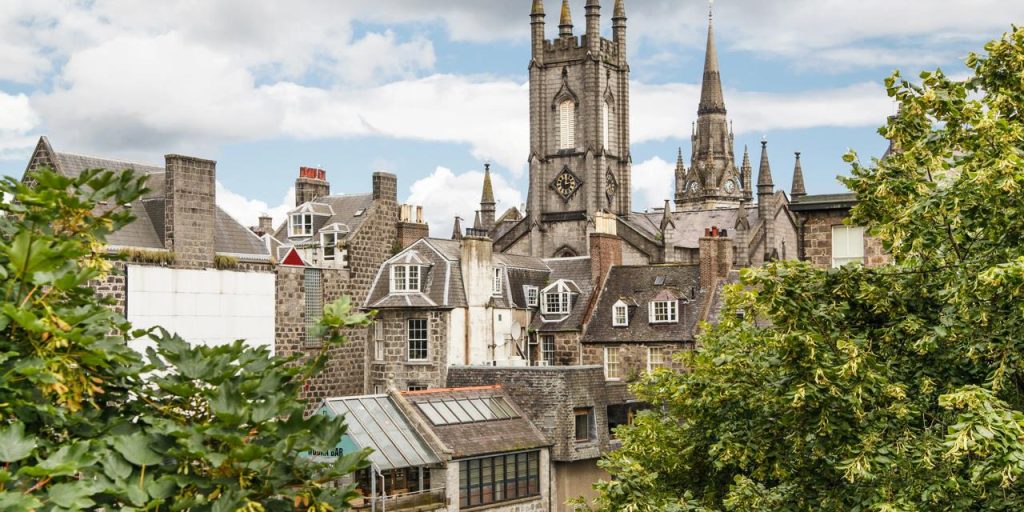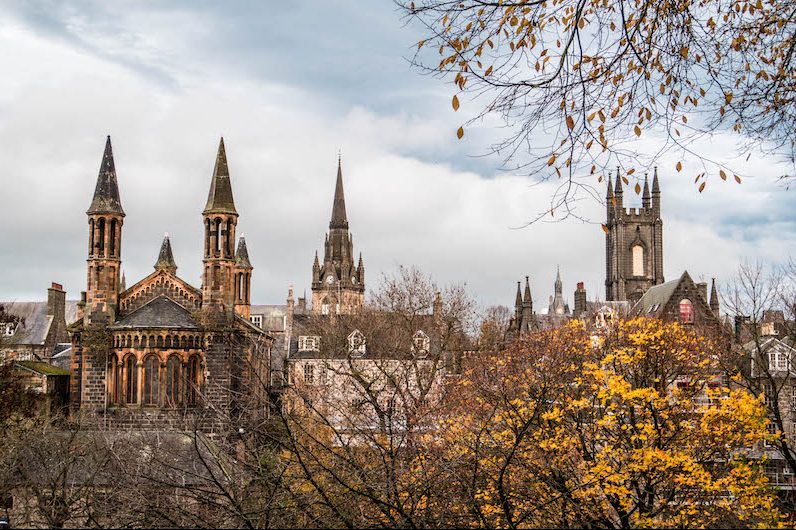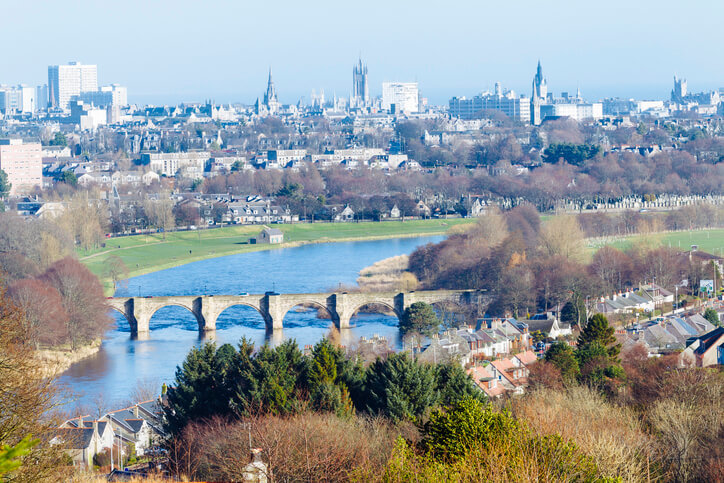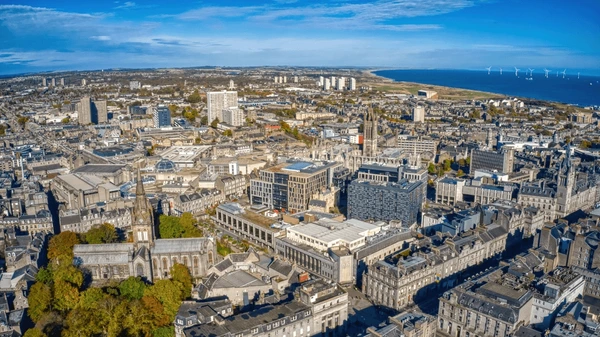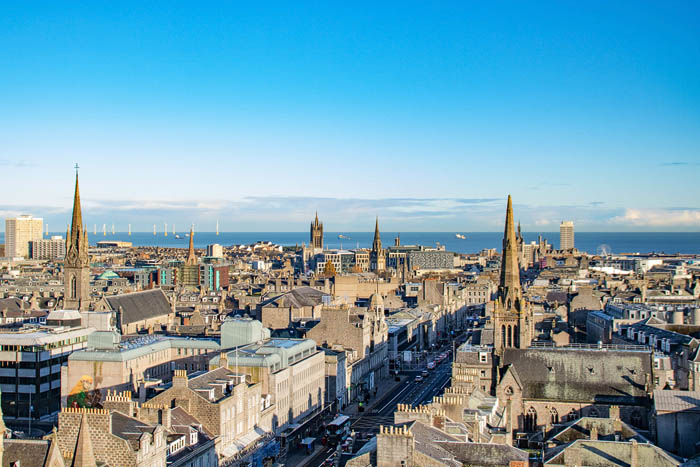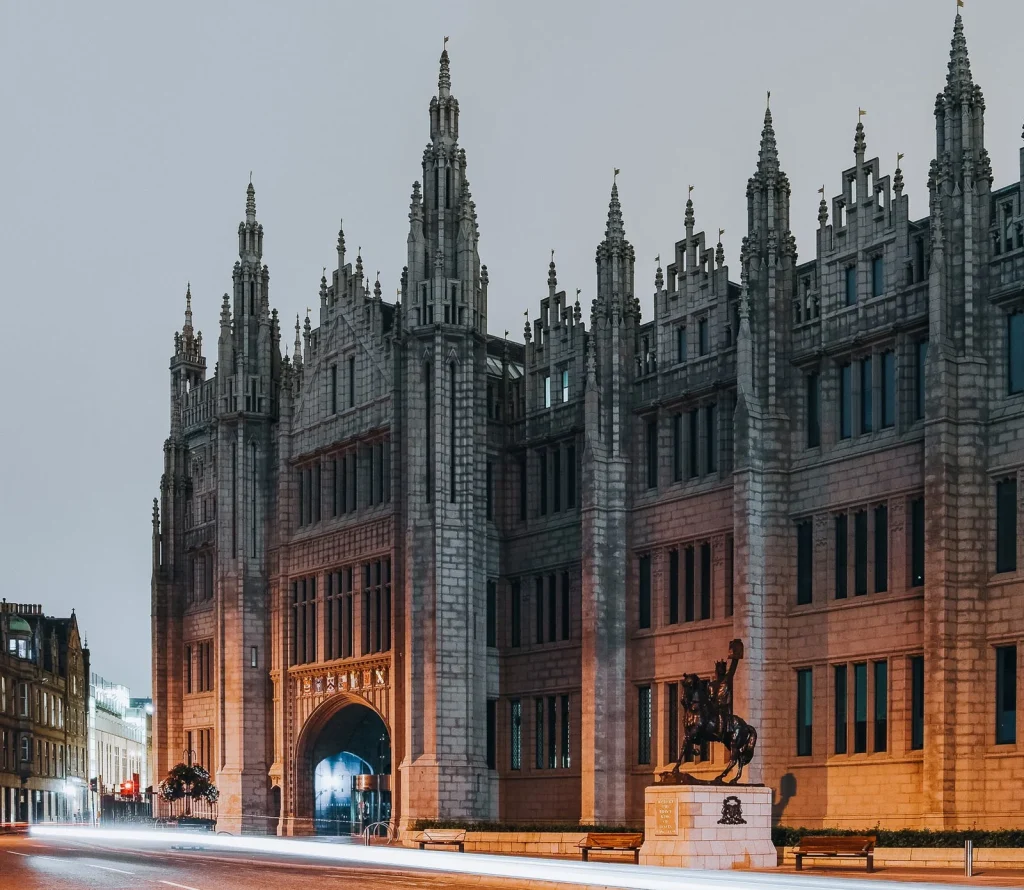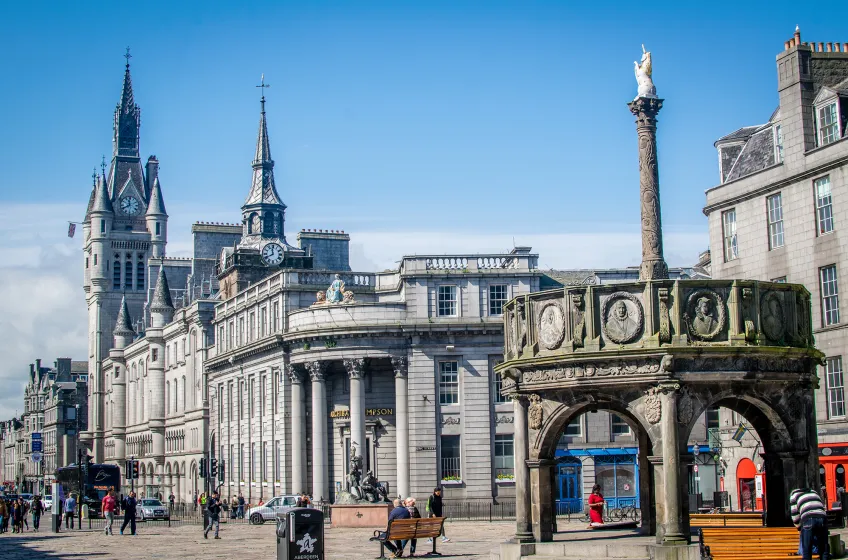
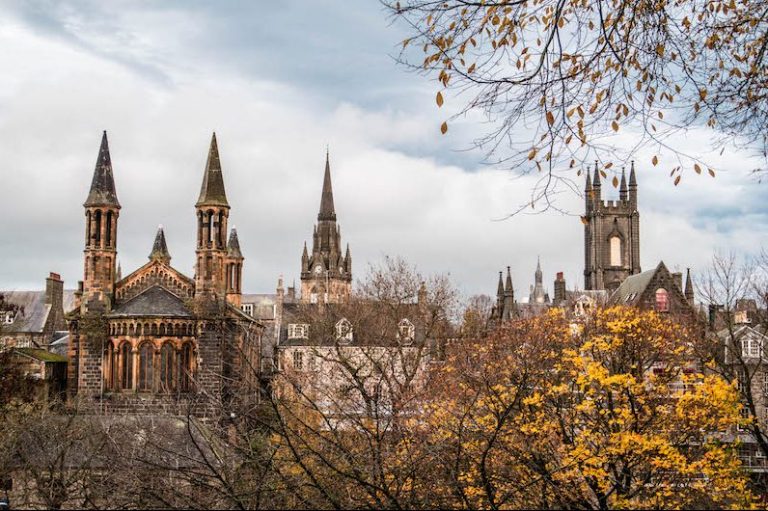
 Aberdeen, Scotland’s main fishing and seaport, is known as the “granite city” because from the mid-18th to the mid-20th centuries, buildings were constructed from local gray granite. On a sunny day, the granite gives off an attractive sheen, but in rain and fog, it’s difficult to tell where the buildings end and the sky begins.
Following the discovery of large oil reserves in the North Sea, the city was awarded the title of “Oil Capital of Europe.”
Aberdeen Attractions and Entertainment
The Aberdeen Art Gallery, housed in a Victorian building, houses a large collection of paintings and sculptures by Impressionist and contemporary artists.
The Maritime Museum exhibits are dedicated to ships and oil platforms and explore Aberdeen’s rich maritime history.
The Satrosphere Science Centre, opened in 1988, was the first science centre in the country. It features over 50 interactive exhibitions that are fun for the whole family. Aberdeen has long been renowned for its beautiful parks and gardens. Duthie Park, opened in 1899 on the north bank of the River Dee, features a rose garden, a boating pond, and Europe’s second-largest indoor garden, the David Welch Winter Gardens. Johnston Gardens, named Britain’s best botanic garden in 2002, is also of interest.
Aberdeen Outskirts
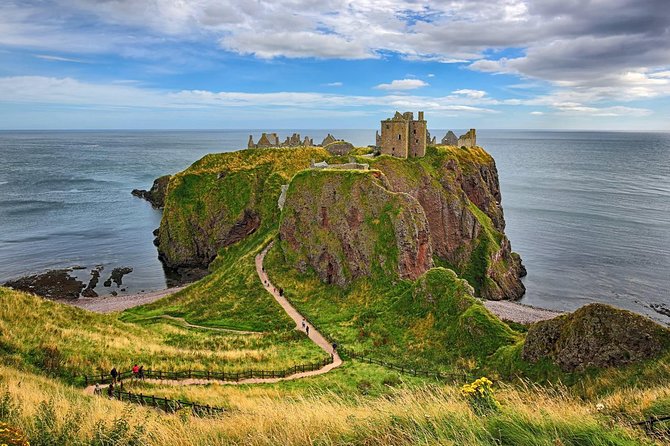
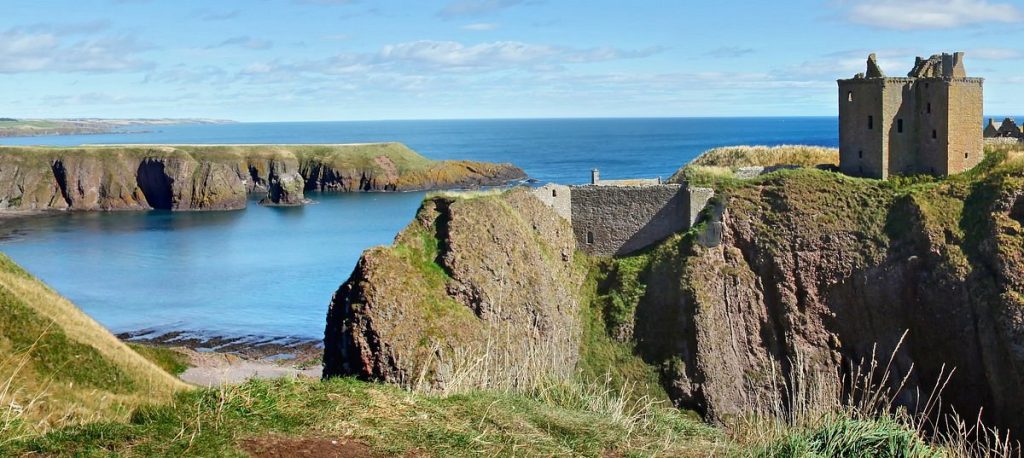
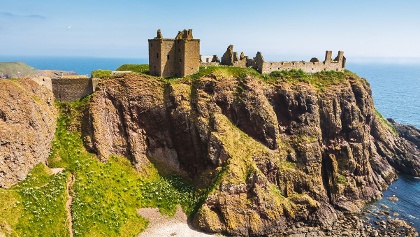
Crathes Castle, dating back to the 16th century, is located 20 km southwest of Aberdeen. Drum Castle, whose 13th-century tower is considered one of the three oldest intact towers in Scotland, is also worth a visit. Another impressive castle, Dunnottar Castle, is located on a cliff 22 km from Aberdeen.