The city of Tunis, the country’s capital of the same name, is vibrant and multifaceted, incorporating Arabic, African, Mediterranean, and European influences. Here, modernity and tradition, East and West, intertwine to create a unique flavor.
Things to Do and Attractions in Tunis
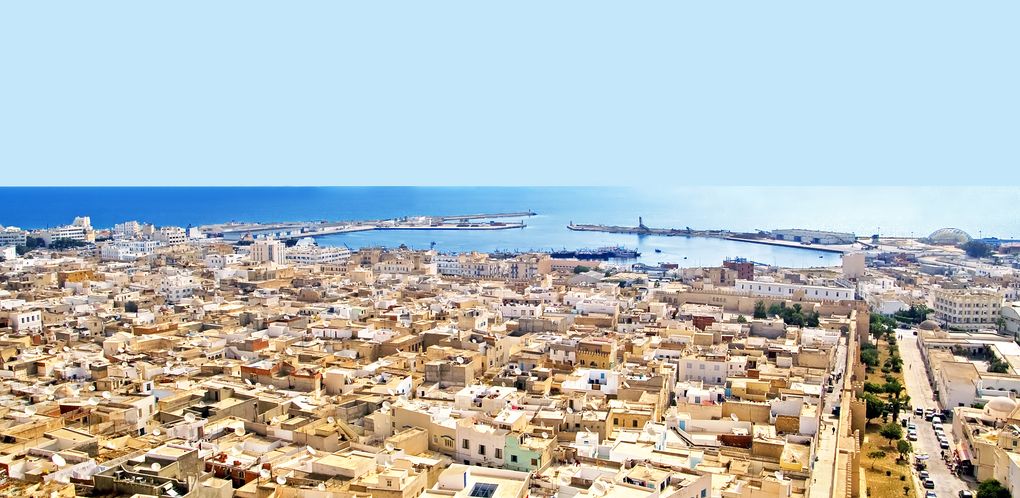
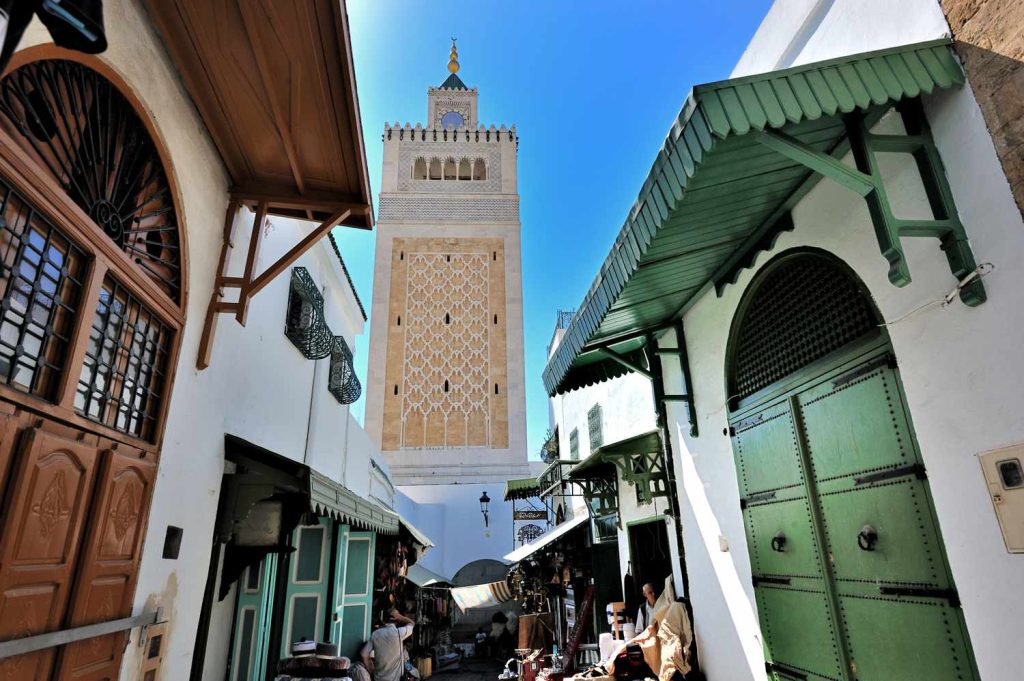
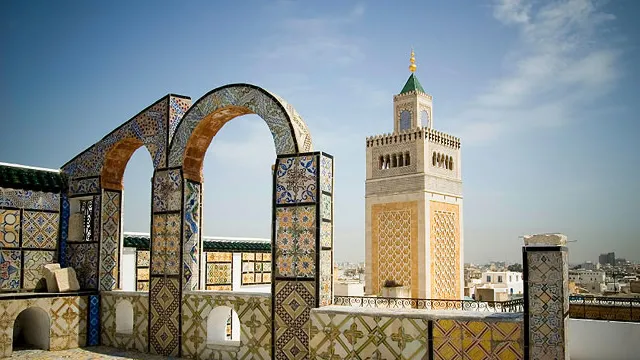
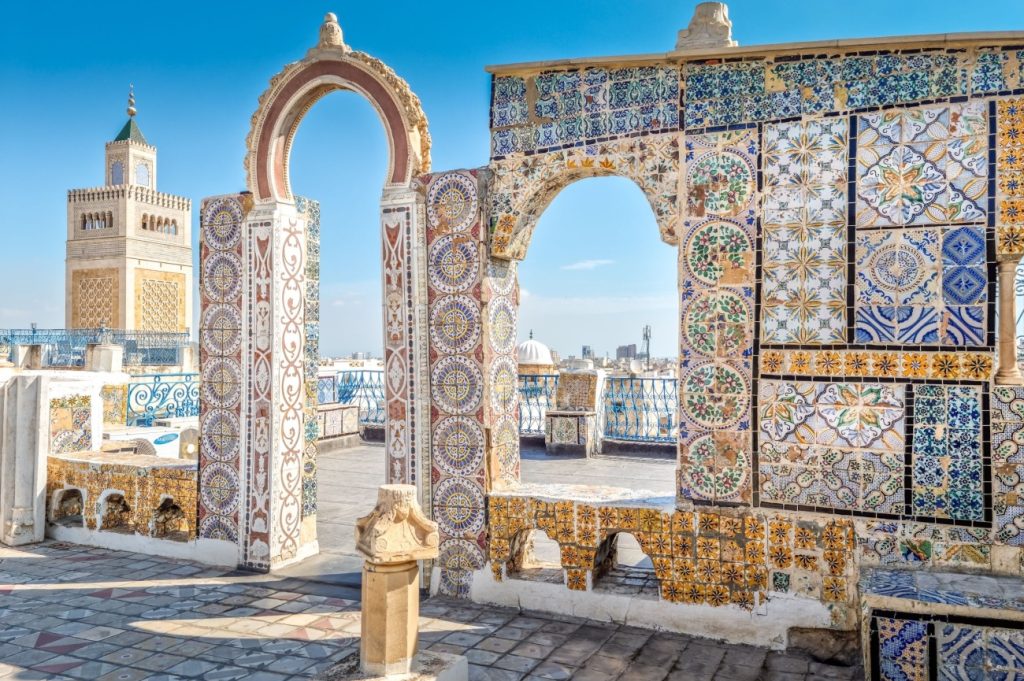
In the old city of Tunis, in addition to the famous medina, a must-see is the Zitouna Mosque, founded by Hassan ibn Numan, the conqueror of Carthage during the Byzantine period. The Zitouna is the most important religious symbol of Tunisia and one of the oldest mosques in the country. Although mosques in Tunis are open to non-Muslims, entry is only permitted to the courtyard, with access to the prayer hall and other areas restricted. Mosques are closed on Fridays, the Muslim holy day. Dress modestly: mini-shorts and revealing tops are best avoided. The Tourbet el-Bey mausoleum, the final resting place of the Turkish beys who once ruled Tunisia, impresses with its unusual tombstones shaped like the deceased’s favorite headdresses—from felt sheshias to traditional turbans.
The Dar Ben Abdallah Museum is the home of a wealthy family, whose furnishings have been preserved since the 19th century. This place perfectly reflects the life of the Tunisian bourgeoisie in the heart of an Arab city.
The medina’s souks are another major attraction. They are divided by specialization: streets of wool merchants, leather merchants, perfumers, sheshia makers, a wedding market, and even a Turkish market.
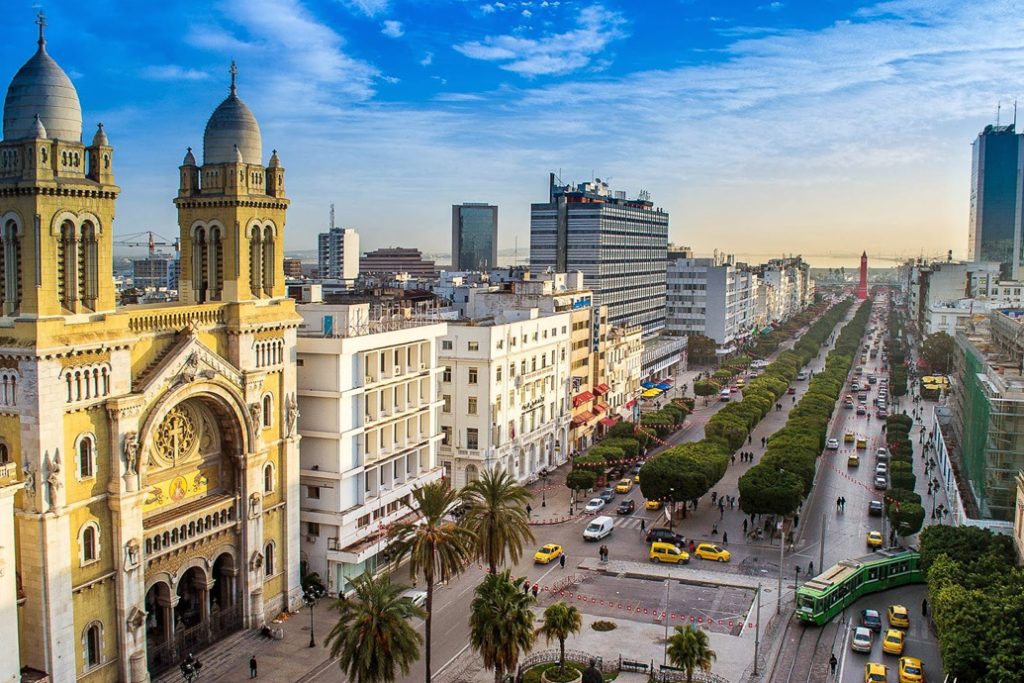
The new part of the city boasts a clock tower—Tunisia’s equivalent of Big Ben—erected to commemorate Reformation Day on November 7, 1987, the day Zine el-Abidine Ben Ali came to power. The Catholic Cathedral of Saint Vincent de Paul, built in 1883, is located near the medina and combines Gothic, Byzantine, and Moorish elements. It is open to visitors every day.
Across the avenue is the National Drama Theatre, a masterpiece of Art Nouveau style.