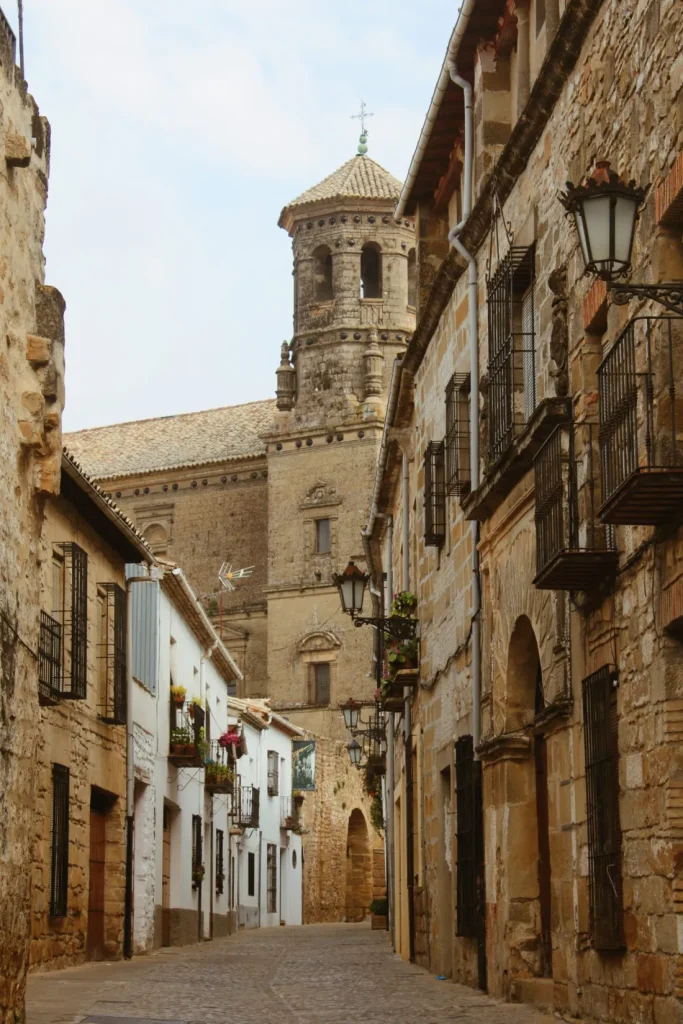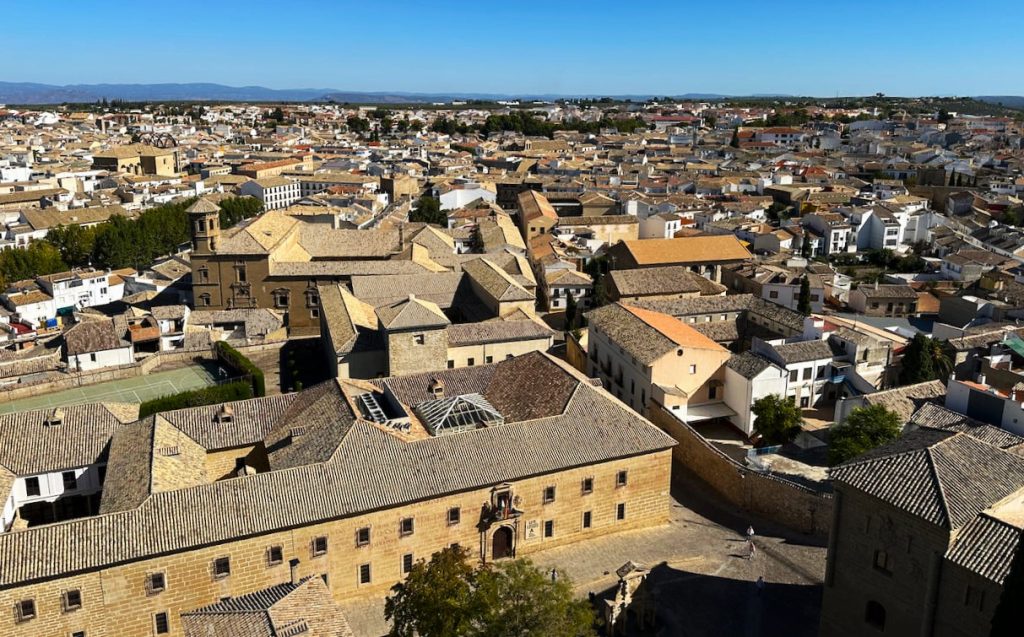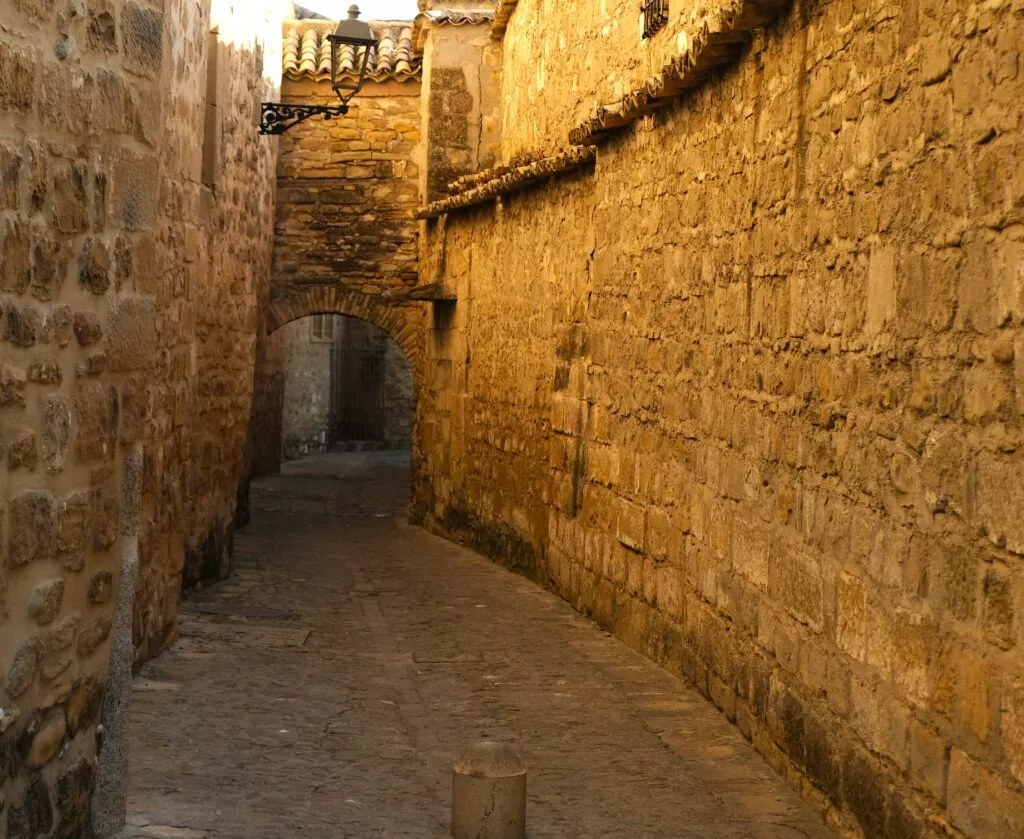
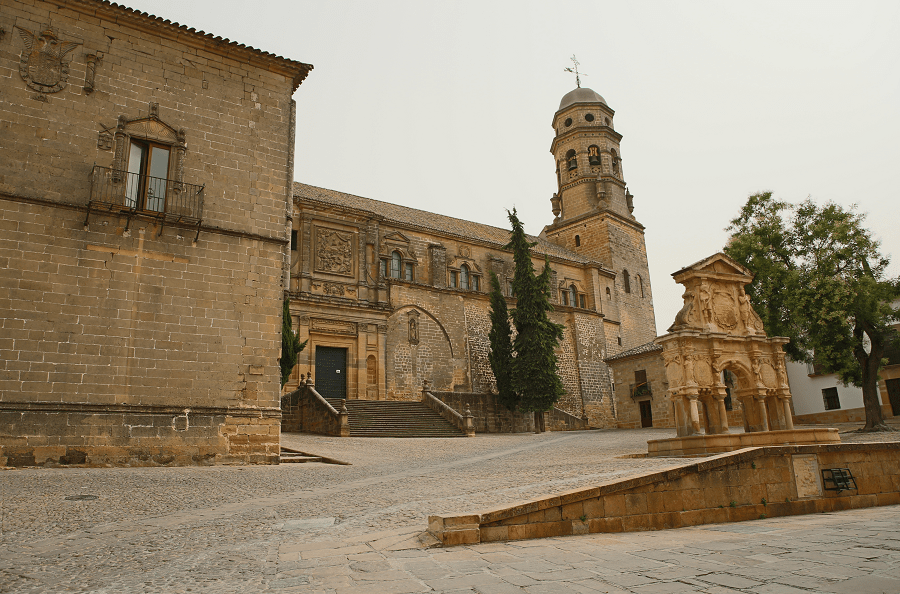
Baeza, a small town in Andalusia, proudly stands before us as a living open-air museum, a UNESCO World Heritage Site. Founded during the Roman Empire, it was the first city in the region to be liberated from Moorish rule.
Things to Do in Baeza
Baeza was long under Moorish rule, but its true heyday came after its liberation from Arab rule. In the 16th century, most of the city’s modern architecture began to emerge here. To begin exploring the city’s sights, it’s best to head to one of the central squares, Plaza del Populo.
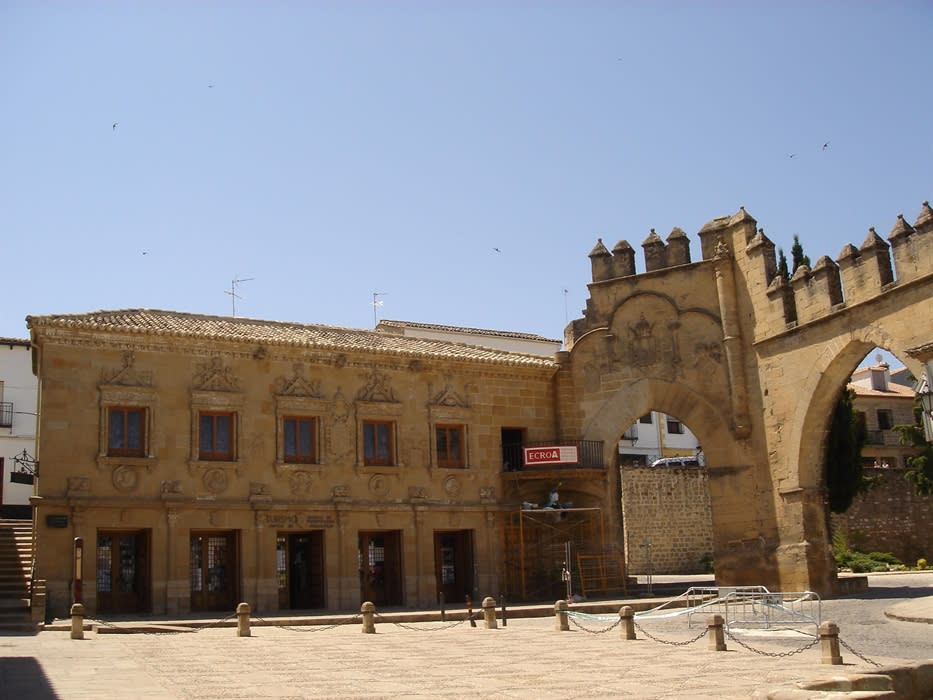
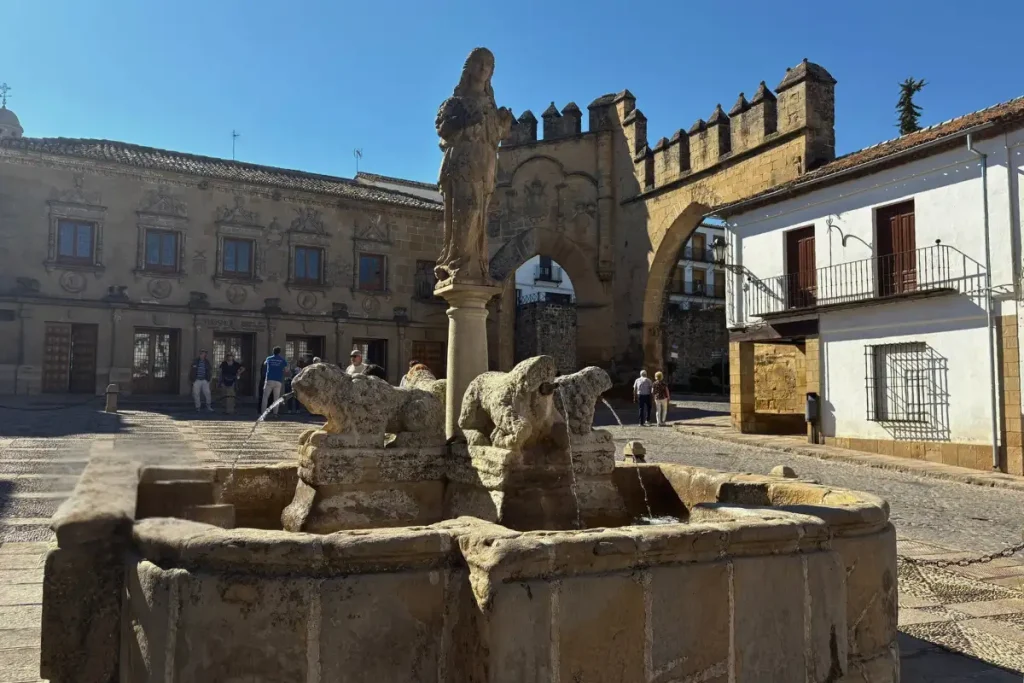
In the center of the square is the Lion Fountain. At its heart is a sculpture depicting a female figure surrounded by four lions. According to legend, this woman is Imilica, an Iberian princess and wife of the general Hannibal. On the southern side of the square, you’ll see the Casa del Pópulo, built in the mid-16th century in the Plateresque style, typical of Spanish architecture of the time.
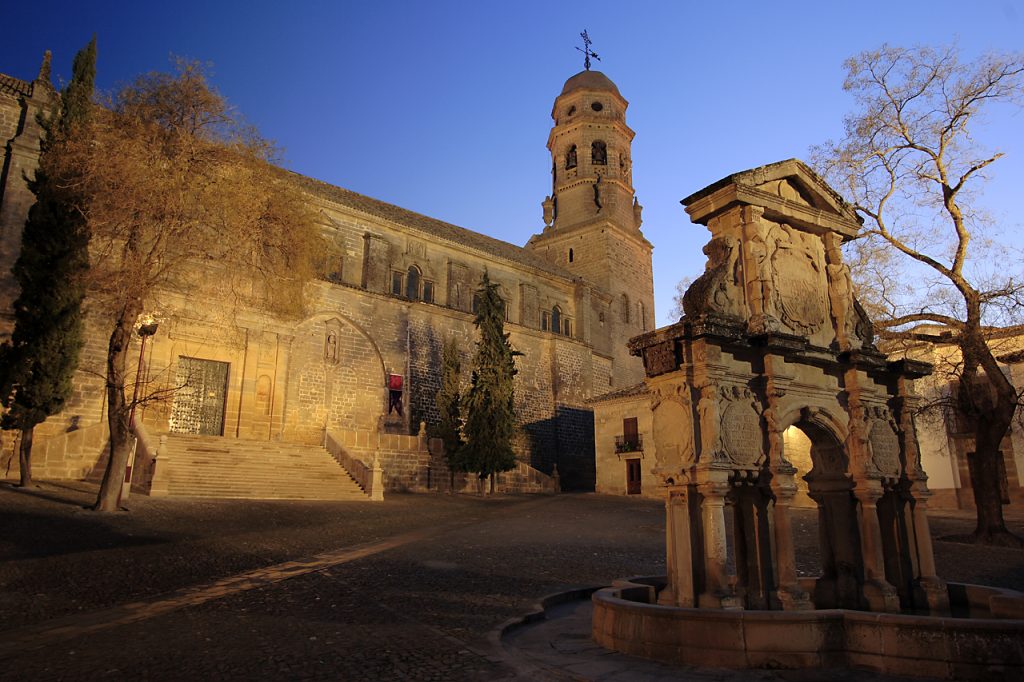
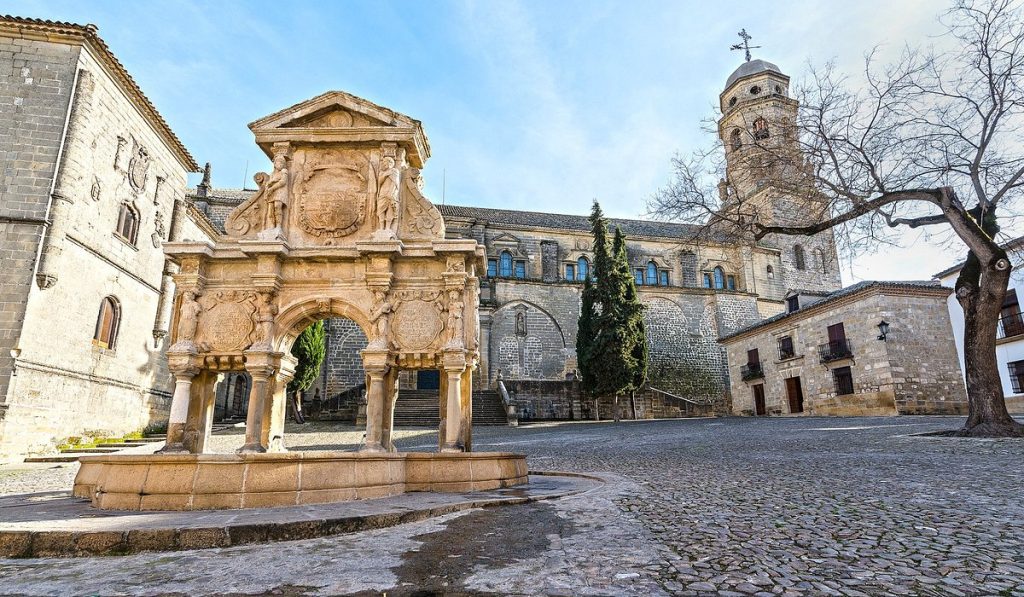
Construction of the Cathedral of Santa Maria began in the early 16th century on the site of a former mosque, as evidenced by the remains in the church’s courtyard. The cathedral is an example of Renaissance architecture, although its exterior displays elements of the late Gothic style prevalent at the time of construction.
The Puerta de Úbeda is one of the few architectural landmarks remaining from the Moorish period.
Slightly north of the Cathedral of Santa Maria lies one of the most magnificent palaces in the city, the 16th-century Palacio de Jalbaquinto, with a beautifully carved Gothic façade, an inner courtyard, and magnificent interiors.