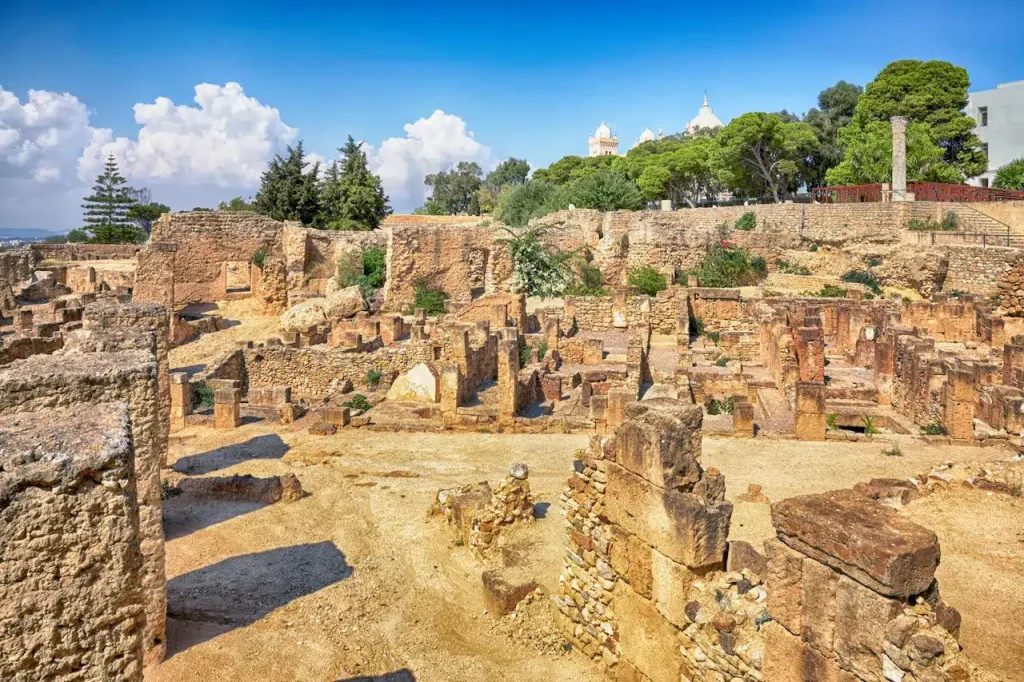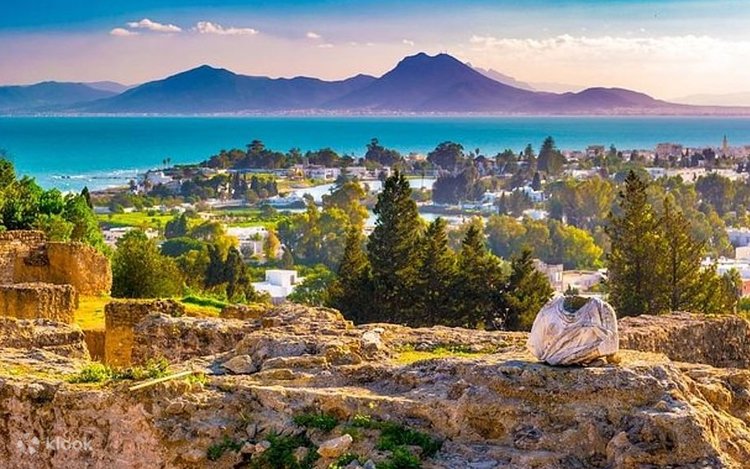
Carthage, a quiet suburb of Tunis, now home to prestigious villas, retains the charm of its ancient glory. Most visitors come here for one reason: to see the ruins of the great ancient city that once inspired fear throughout the Mediterranean.
Entertainment and Attractions
Marcus Porcius Cato meant what he said, and the Romans truly did wipe Carthage off the face of the earth. However, during excavations at the site of the ancient Phoenician capital, archaeologists discovered a typical Roman city with baths, aristocratic villas, an amphitheater, and straight streets. Most of Carthage’s surviving monuments date to this period.
Near the archaeological site is the Tunisian presidential palace, where photography is strictly prohibited.
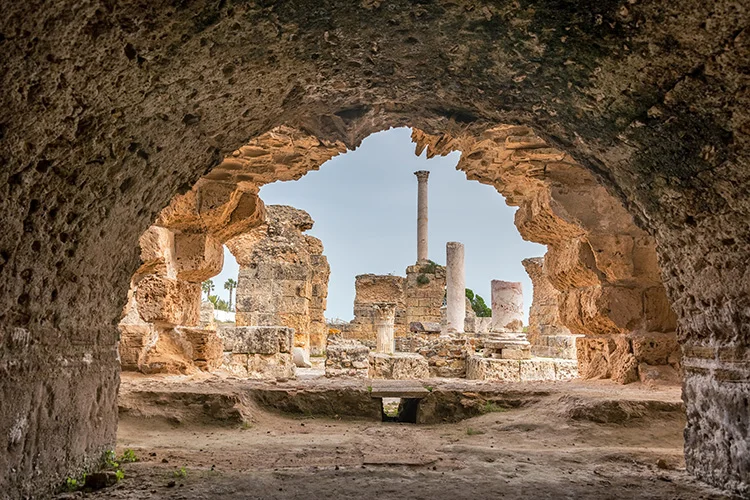
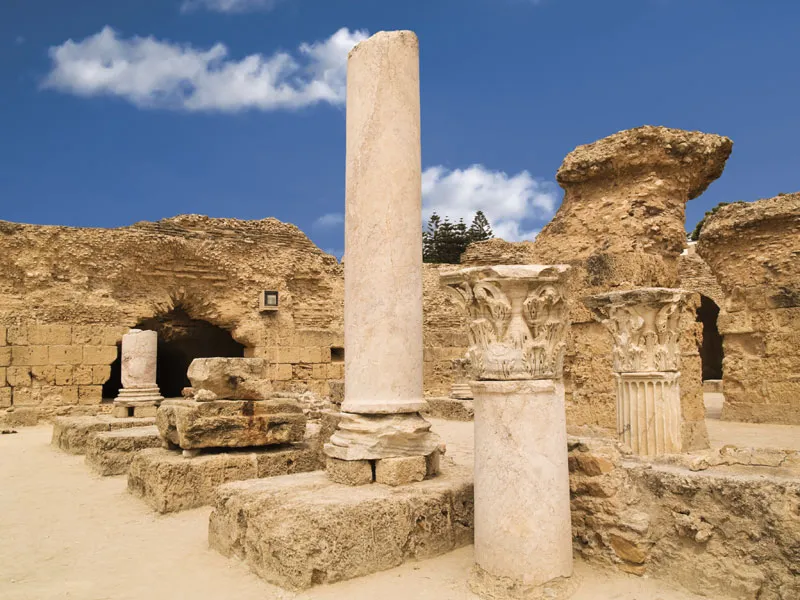
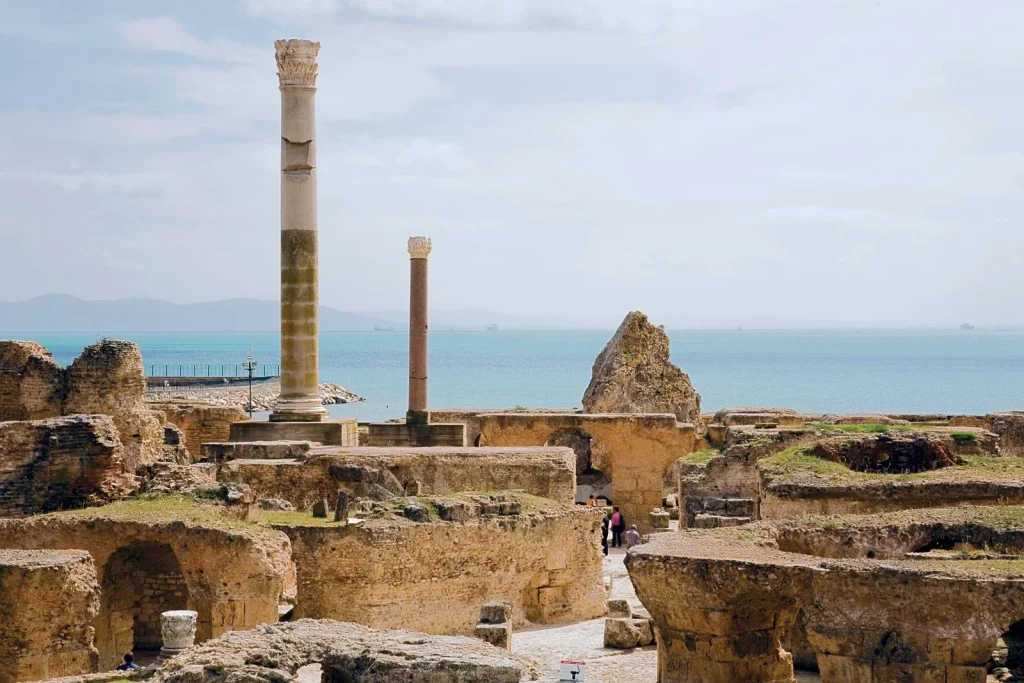
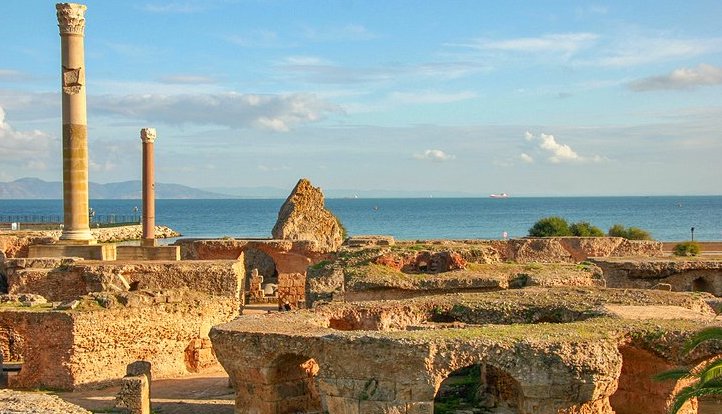
The Baths of Antoninus were one of the largest spa complexes of the time, second only to the Roman Baths of Caracalla, Diocletian, and Nero. Only the underground parts and supporting structures remain of the once majestic complex. To get a sense of its scale, take a look at the model of the baths located on the observation deck. A single restored column from the cold hall—the frigidarium—gives an idea of the building’s height.
The most controversial site among the ruins of Carthage is the Tophet—an open burial altar. According to a widespread theory, the Phoenicians sacrificed their firstborn sons here to appease the gods Baal-Ammon and Tanit. Urns containing ashes were arranged in rows, and above them rose funerary steles, which have survived to this day. The most famous stele, depicting a priest holding a baby, is now in the Bardo National Museum. Alternative theories also exist: the Tophet may have been a cemetery where deceased children were buried, or perhaps stillborn infants were sacrificed here. Also worth seeing are the Roman amphitheater, which could seat 36,000 spectators, the Maalga water cisterns, and the remains of an aqueduct leading into the city from the Temple of Water in Zaghouan. Residential buildings in Carthage can be seen in the Roman villa quarter and the Punic district of Magon.
Birsa Hill, where the city’s history began, is particularly noteworthy. At its summit stands the cathedral dedicated to Saint Louis, who died here in the 13th century from the plague during the Eighth Crusade. Adjacent to the cathedral is the Carthage Museum, which houses a magnificent collection of artifacts.