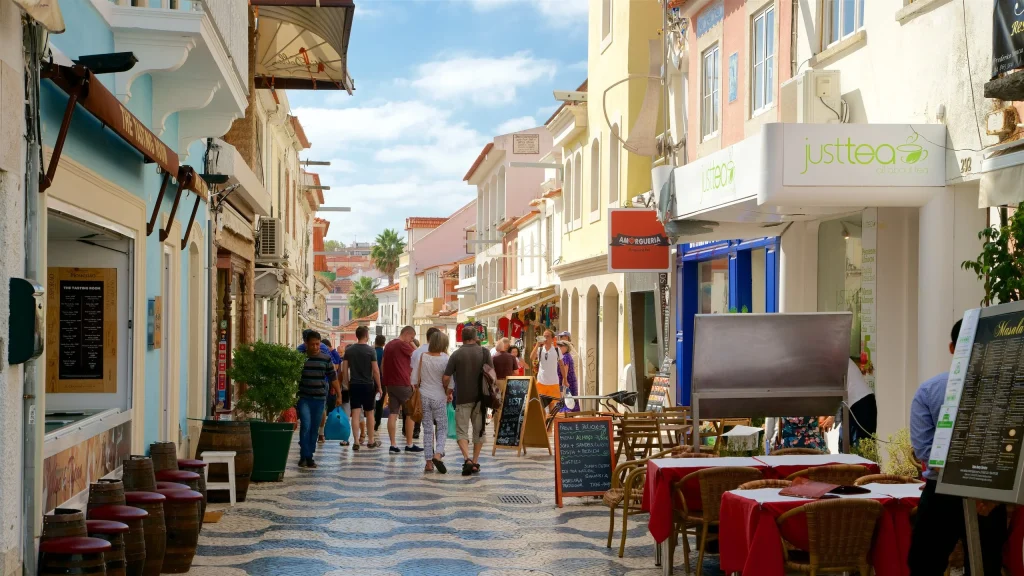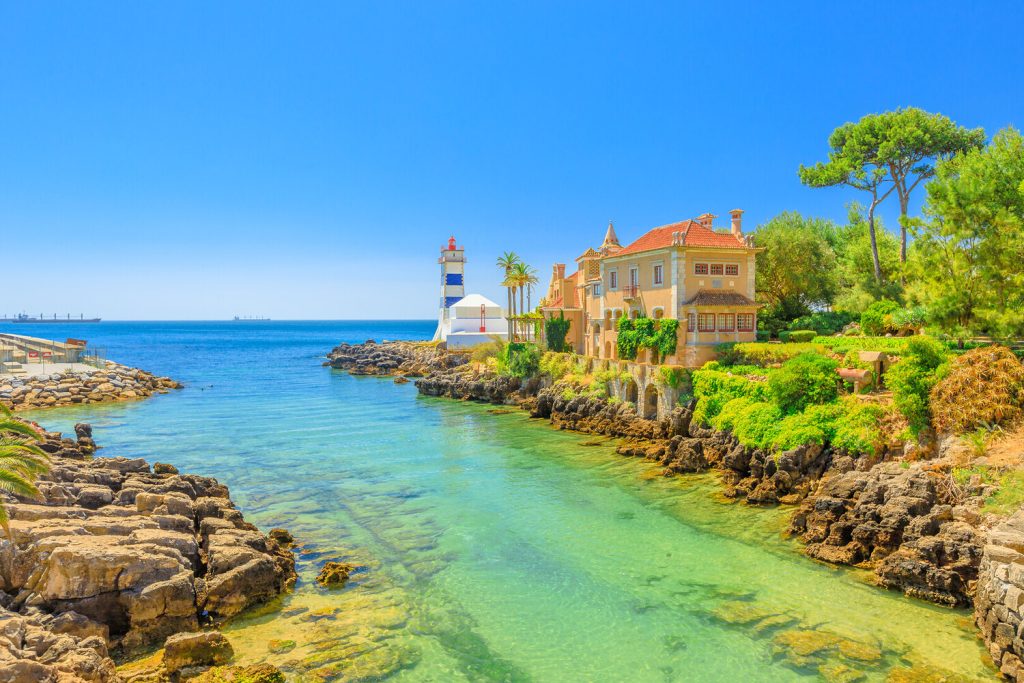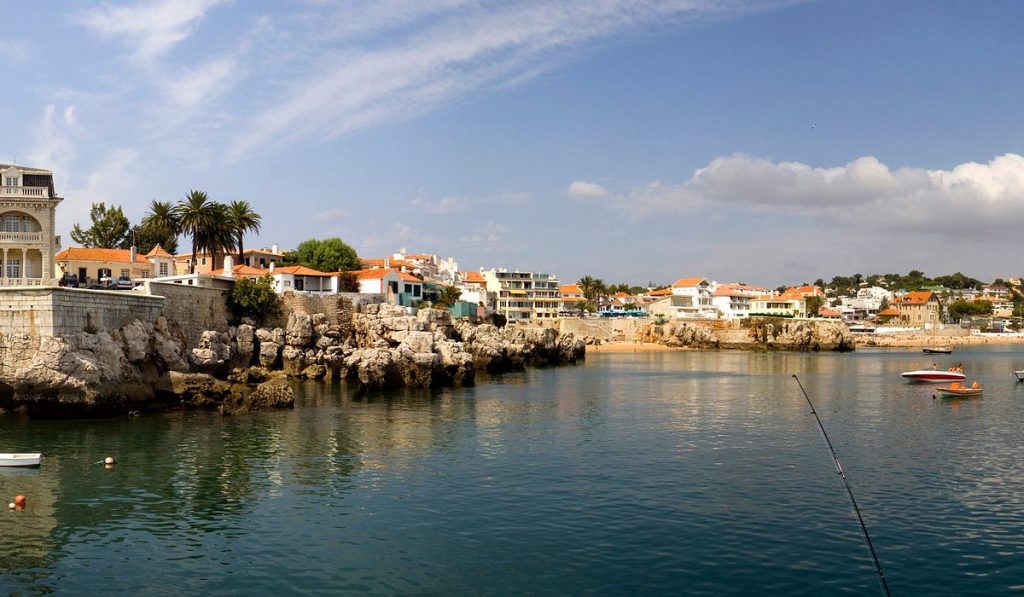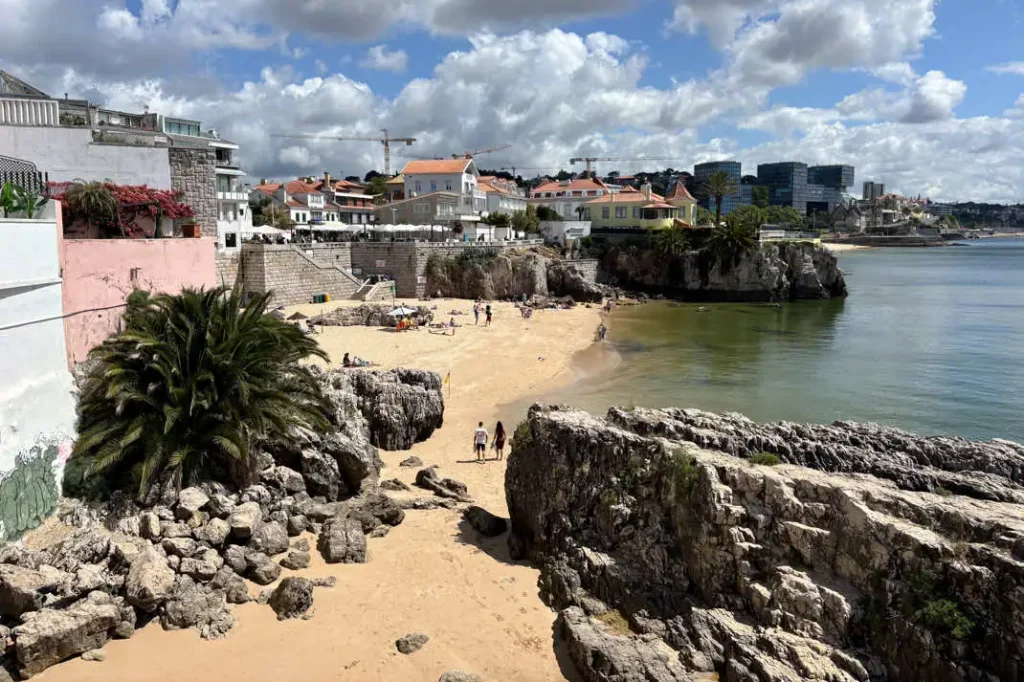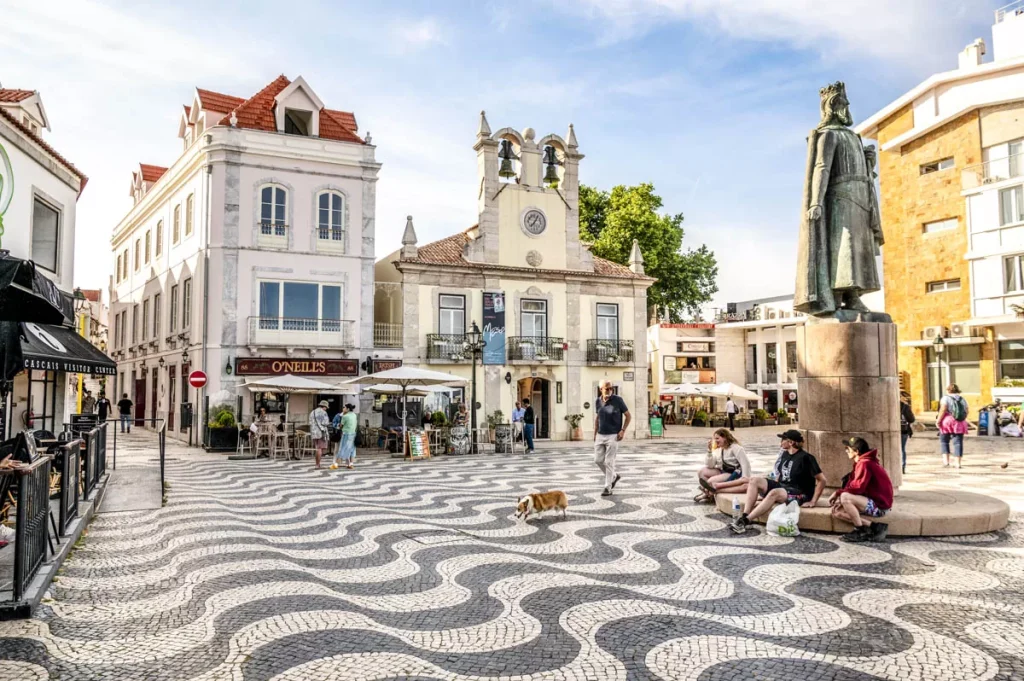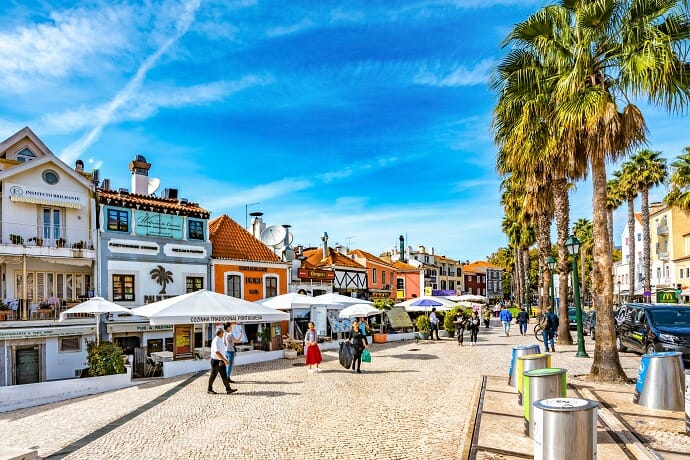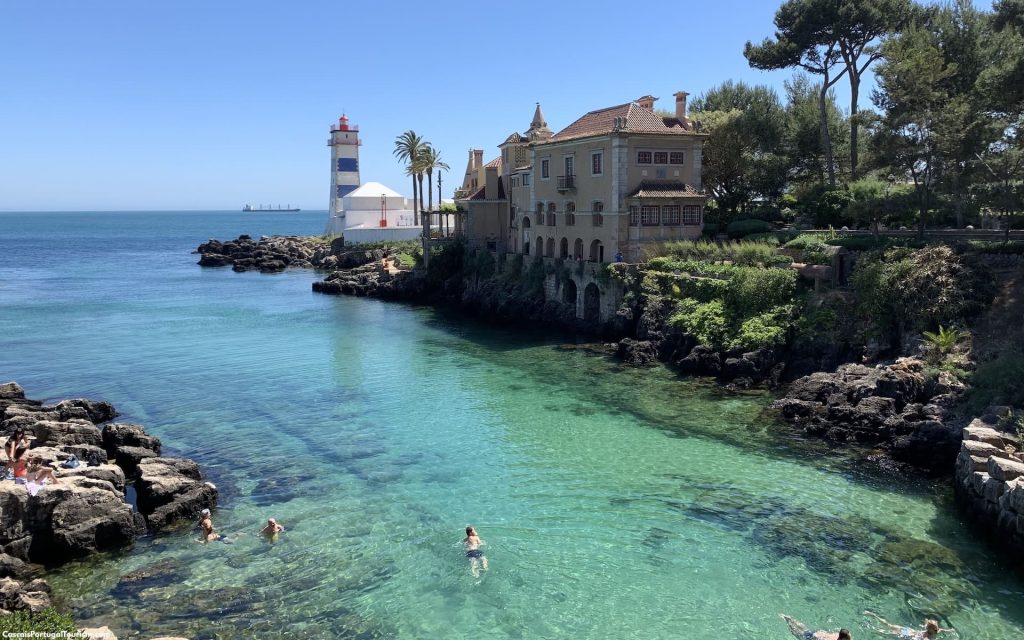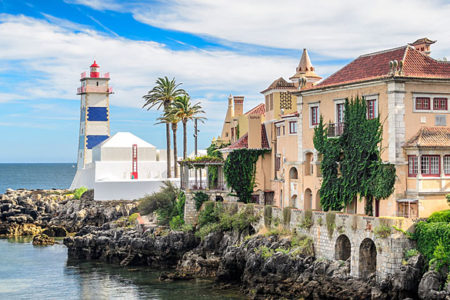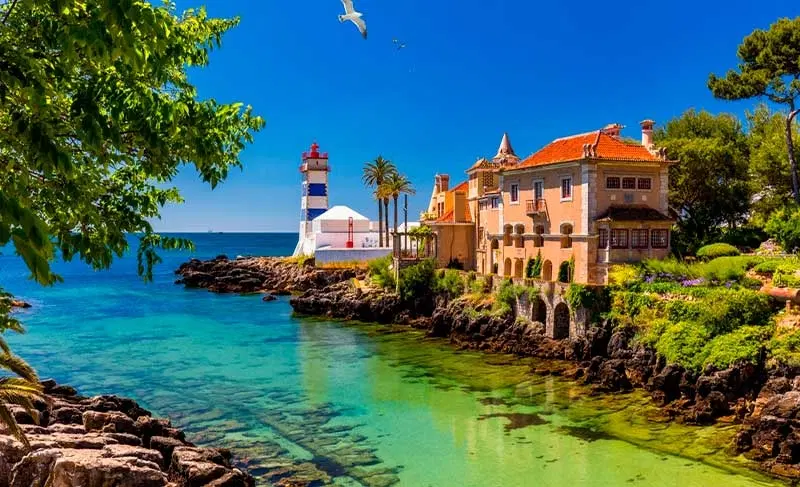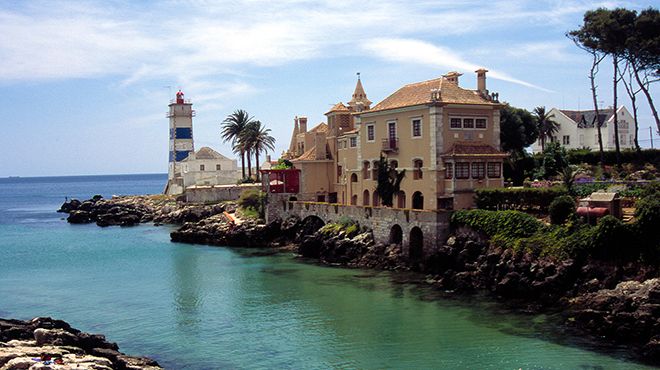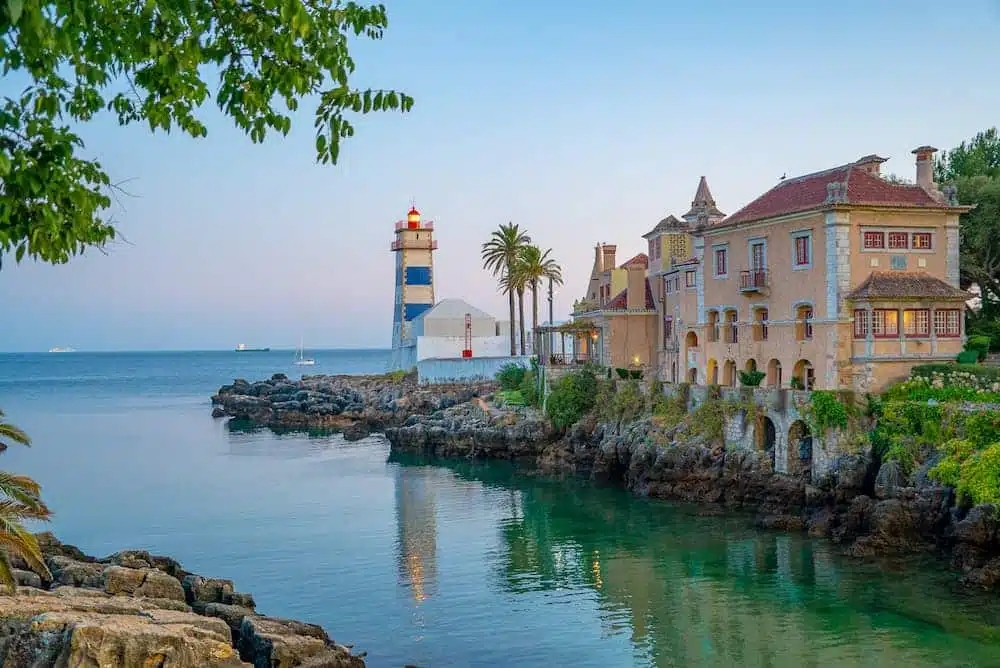
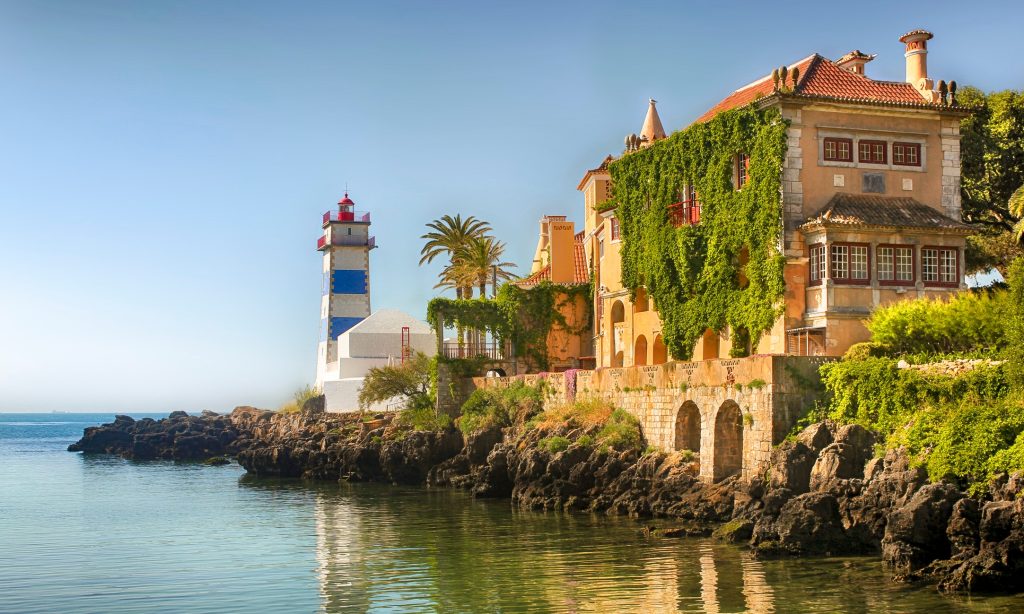
 Cascais is located a few kilometers from Estoril. It has recently become a youth hub with numerous discos and nightclubs. The local beach stretches all the way to Estoril.
Cascais Beaches
Many tourists come to Cascais for its excellent beaches, which stretch along the coast for several kilometers. The largest and most popular is Guinho Beach. It boasts the highest waves in the region, making it a popular destination for extreme sports enthusiasts—windsurfers, kitesurfers, surfers, and others. For a more relaxing holiday, Torre or Riberia beaches are ideal.
Entertainment and Attractions
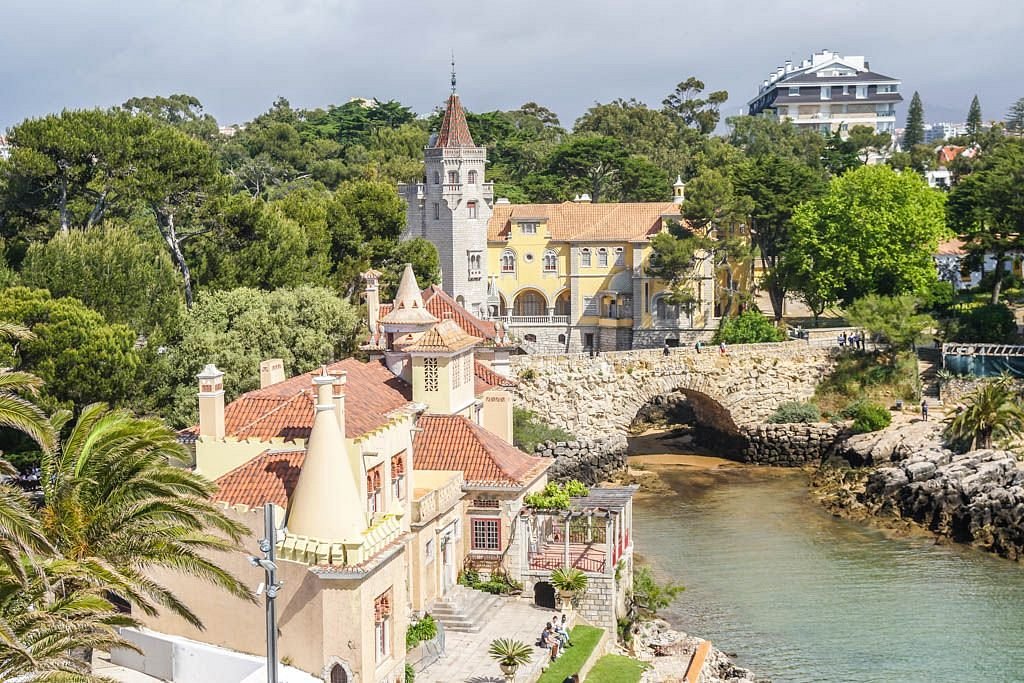
The most popular attraction is the Palacio de Conde de Castro Guimaraes, a museum and library. It houses a collection of 25,000 books, including many rare ones. Many prehistoric finds from the Grutas de Alapraia, a group of underground caves, are also preserved here. Another natural wonder is the Grutus do Poço Velho grottoes, located in the city center and dating back to the Neolithic era. The local Maritime Museum attracts tourists with an exhibition dedicated to fishing and the city’s history.
Slightly west of the city, on the ocean shore, lies the natural wonder of Boca do Inferno, which translates as “Mouth of Hell.” This eerie-shaped cave has been carved out of solid rock over centuries by water and wind. During storms, the waves crash against the rocks around the Mouth of Hell, raising a sea of spray and a terrifying roar—a mesmerizing sight.
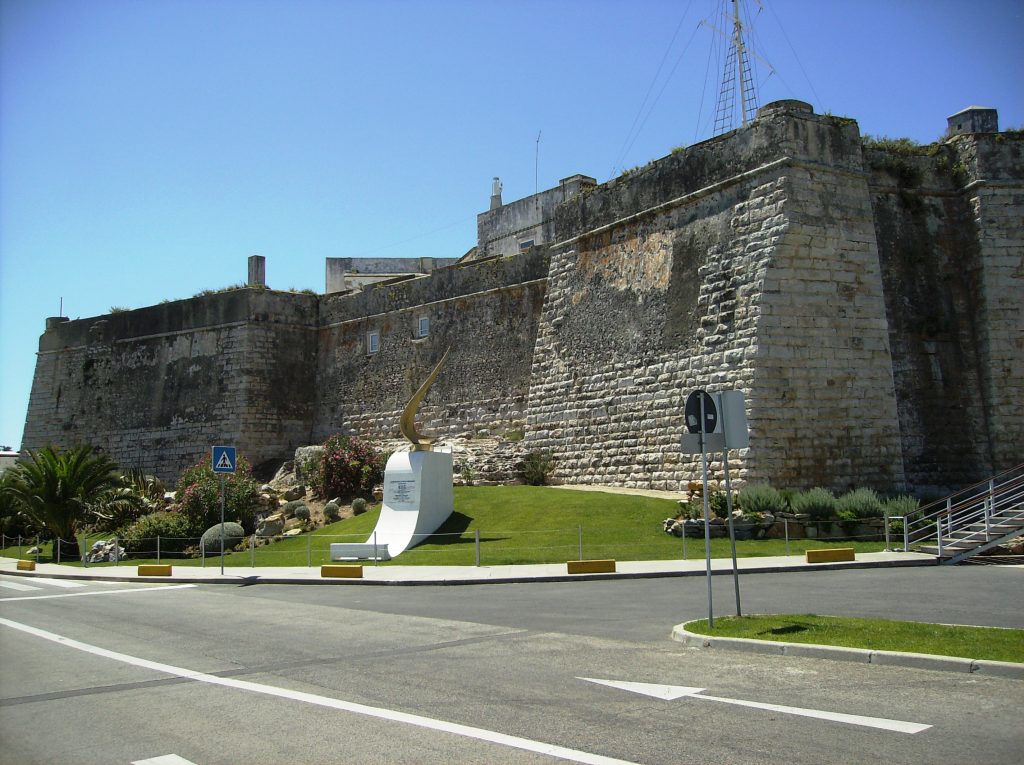
Another popular attraction is the Citadel—built on a high cliff to protect the city from attacks from the sea.
The Church of the Assumption is an important religious monument in Caiscais. Situated in the city center, it attracts visitors not only with its architecture but also with an exhibition of paintings by the Portuguese artist Josep de Óbidos.
Like other coastal Portuguese towns, Cascais has a large number of restaurants of all levels. Most of the dishes are based on fish and seafood.