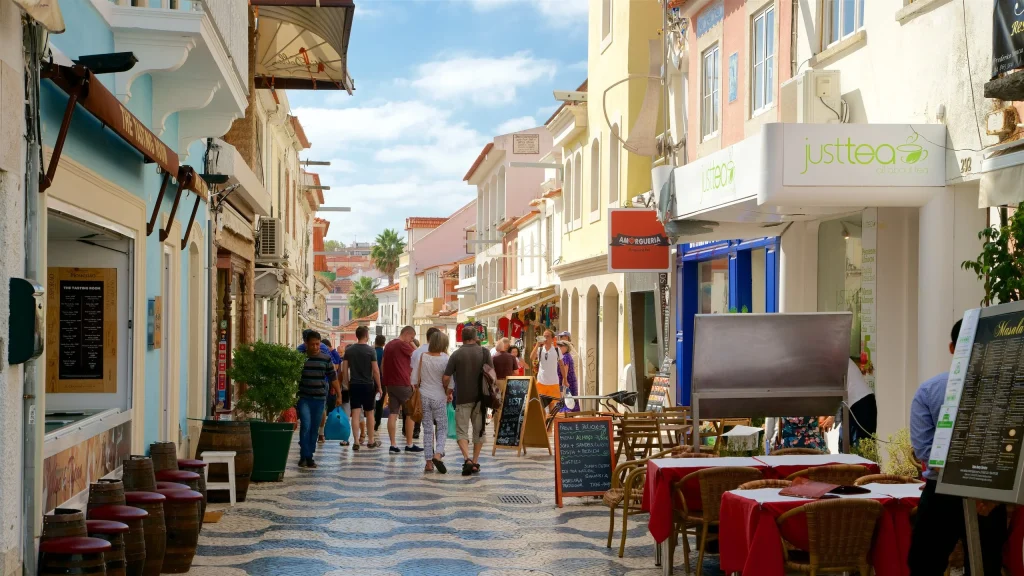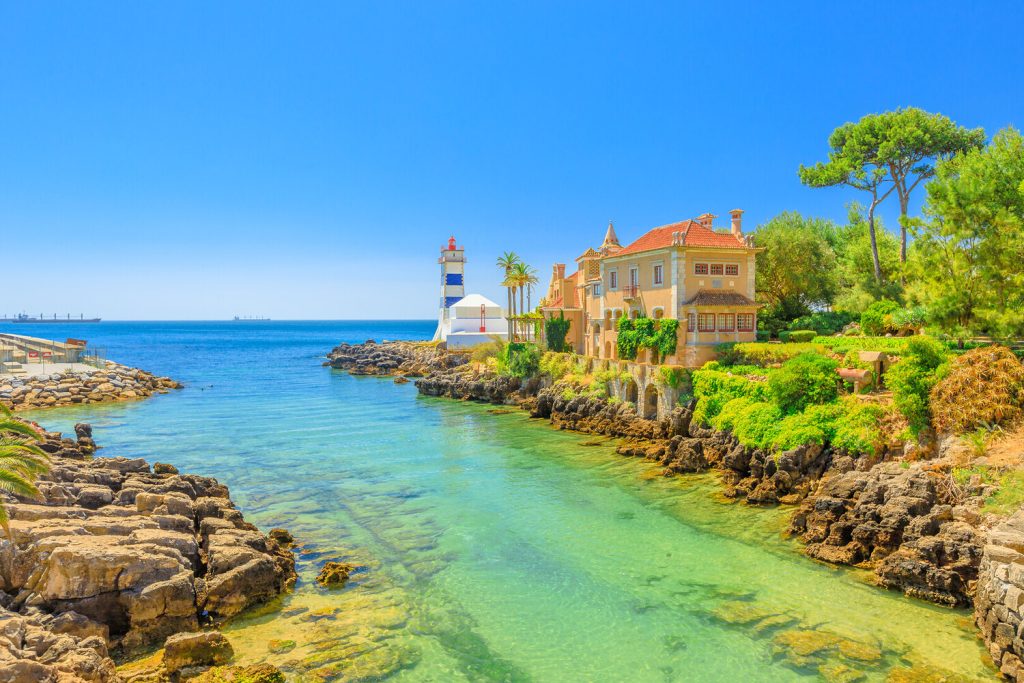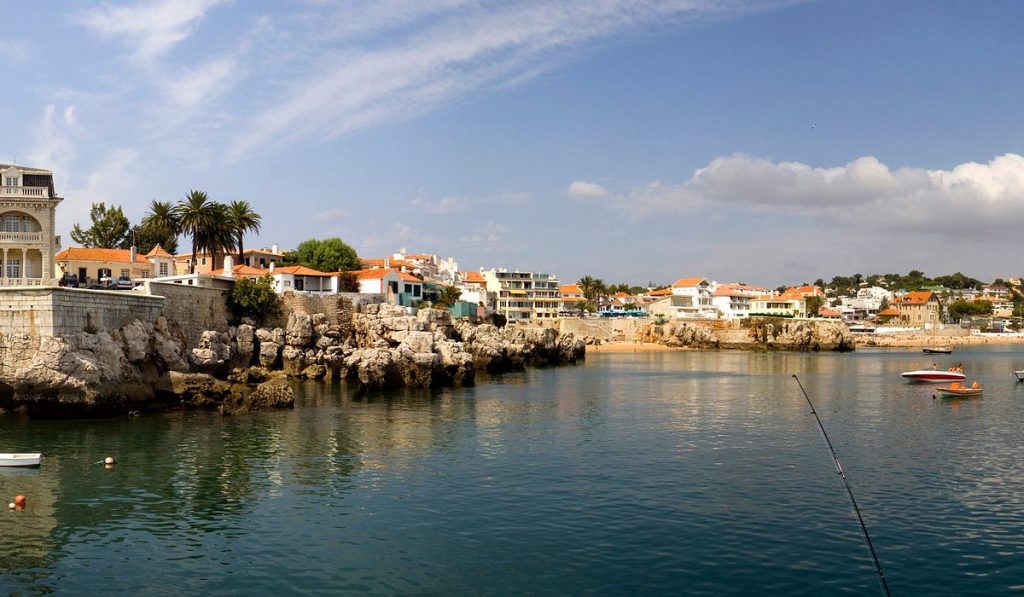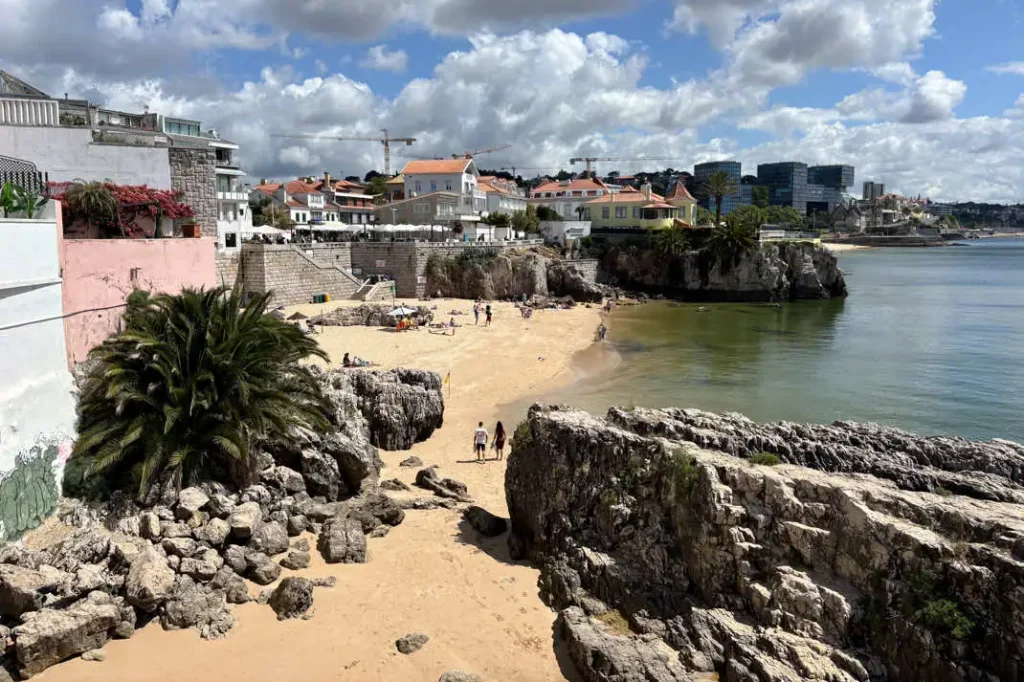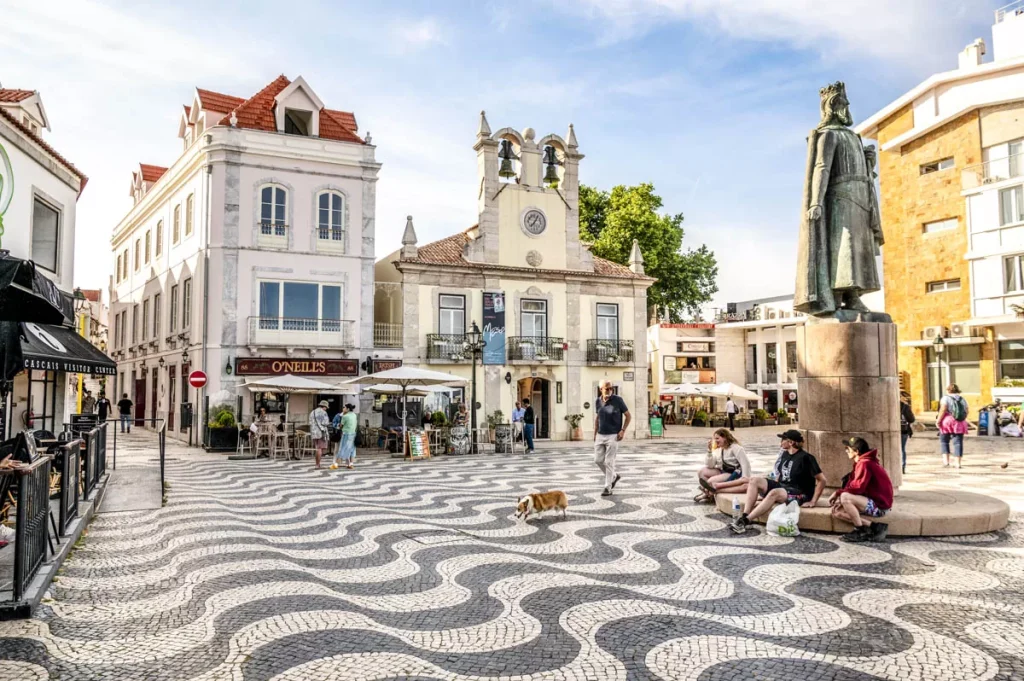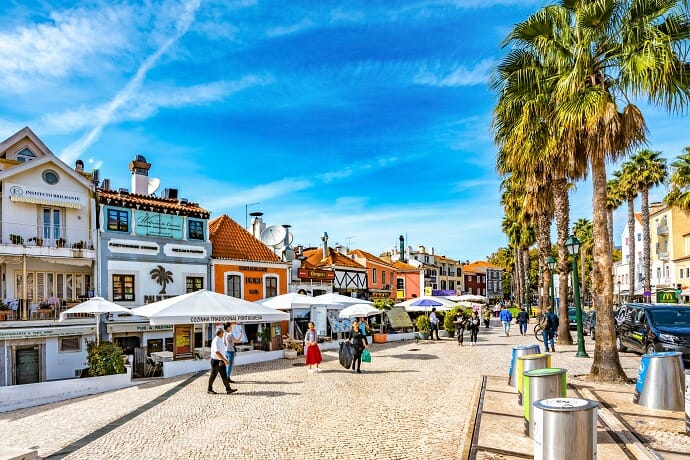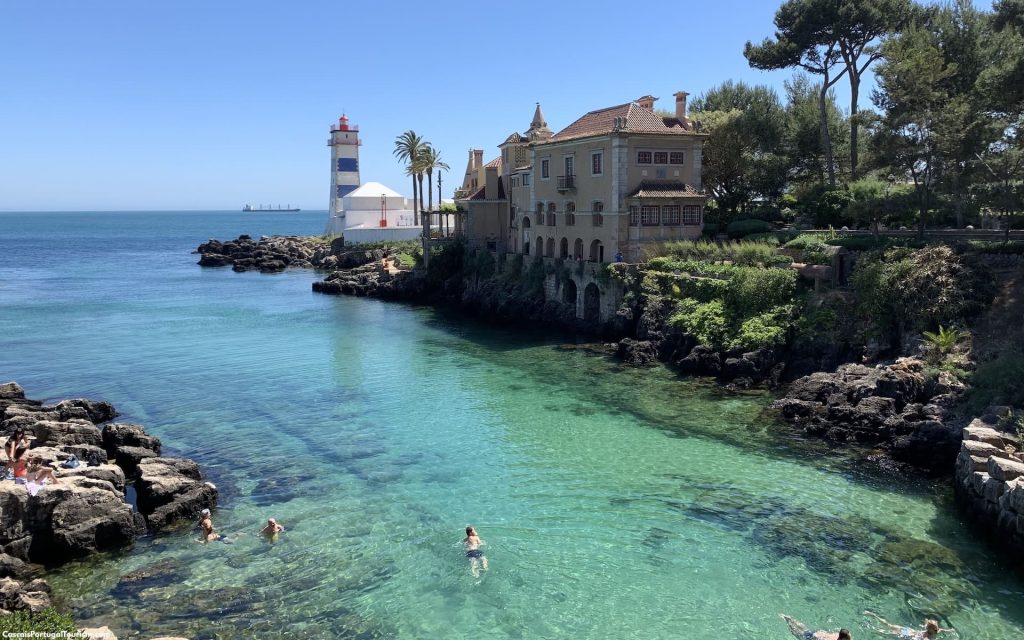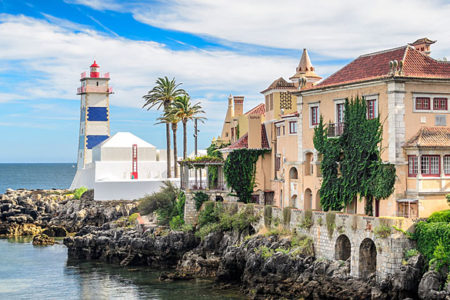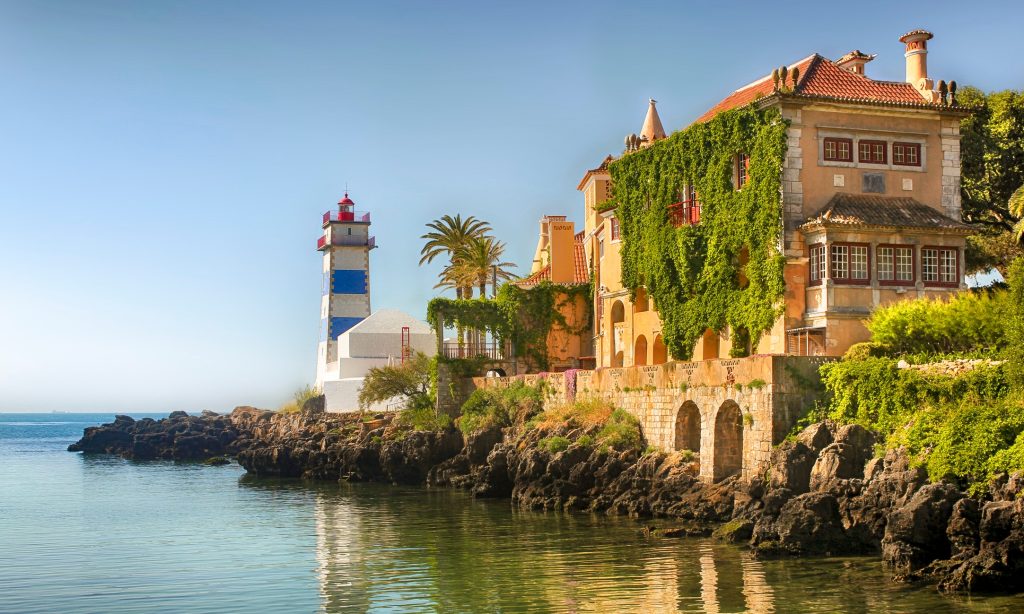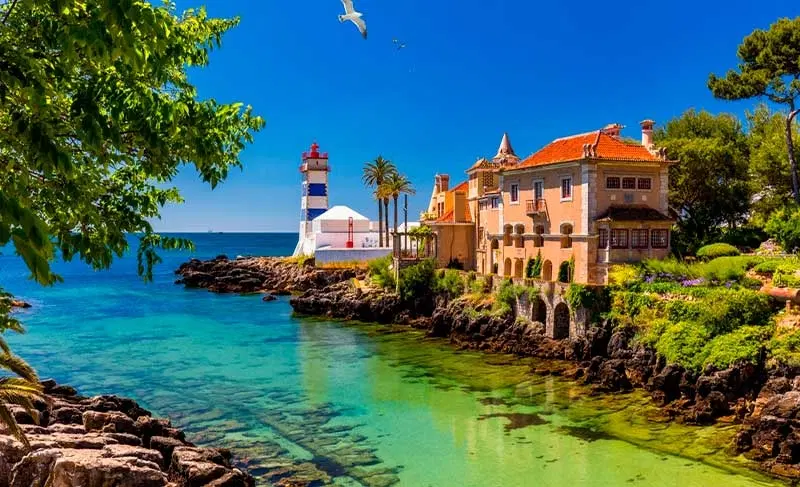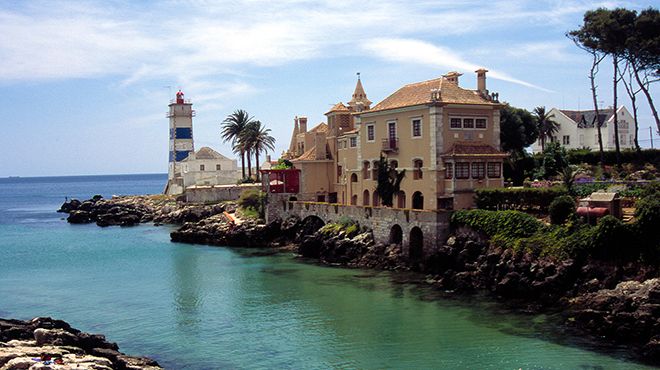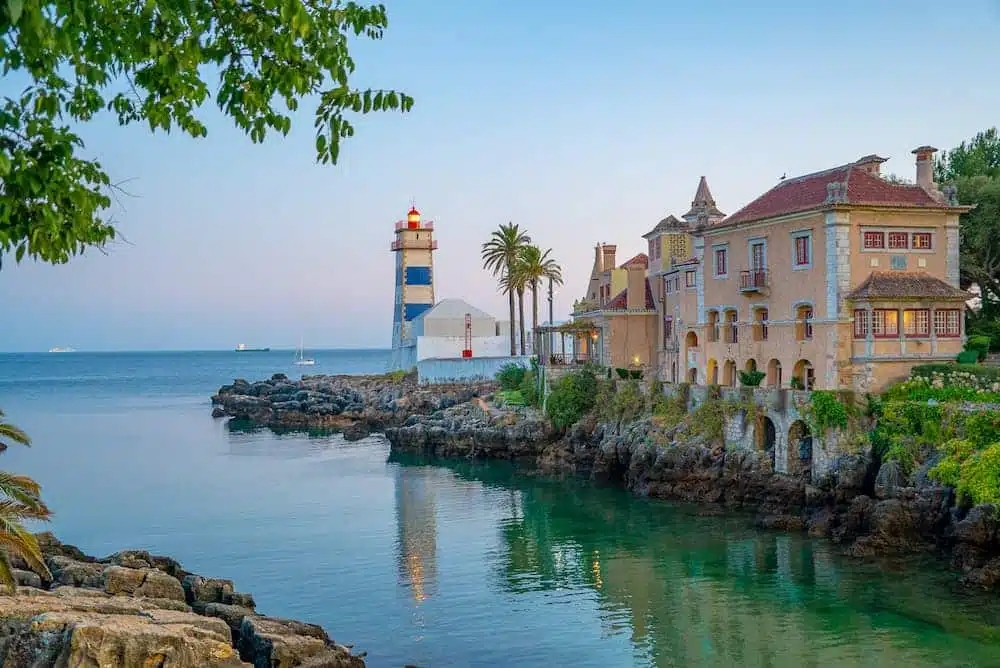
Located just a few kilometers from Estoril, Cascais has become a popular youth hub in recent years, boasting numerous discos and nightclubs. It attracts those who enjoy a vibrant nightlife.
Entertainment and Attractions
The advantage of Cascais is that almost all the attractions in this part of the district are either located in the city itself or within walking distance.
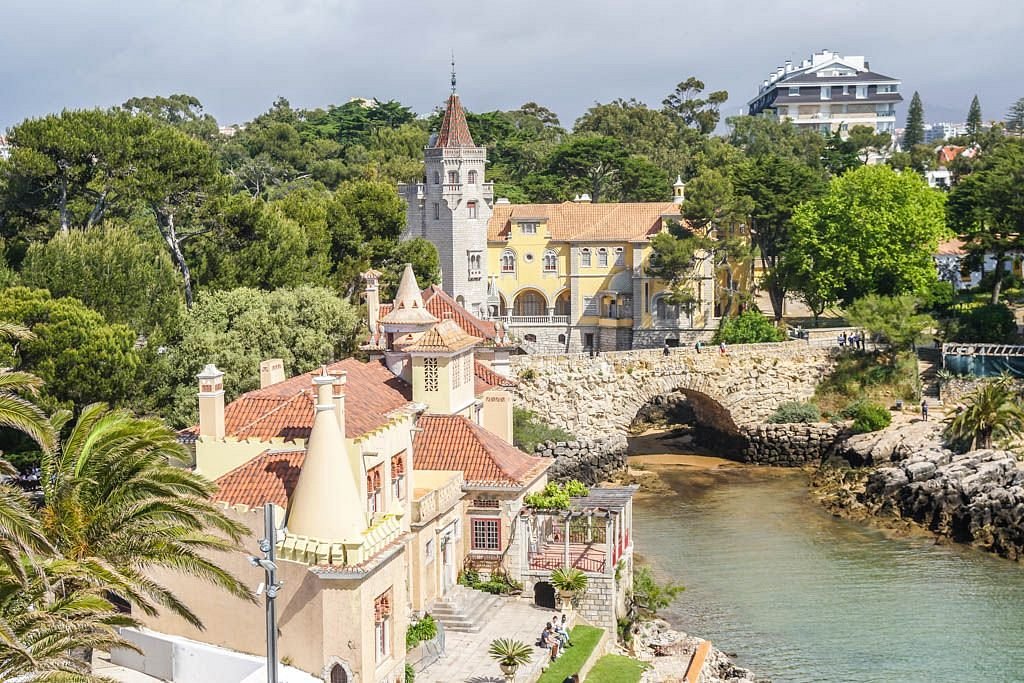
One of the most impressive sites in Cascais is the spectacular Palacio de Conde de Castro Guimaraes, a renowned museum-library. It houses a collection of 25,000 books, including many rarities. It also houses prehistoric finds from the Grutas de Alapraia—a group of underground caves discovered only in the 19th century. Another natural wonder, the Grutus do Poço Velho caves, located in the city center, date back to the Neolithic era.
The local Maritime Museum attracts visitors with an exhibition dedicated to fishing and the city’s history. It features a rich collection of marine life: mollusks, fish, mammals, and birds. The museum’s founder is considered to be the Portuguese King Carlos I, who was interested in the then-nascent science of oceanography. His personal collection occupies a significant part of the exhibition.
On the ocean shore, just west of the city, lies a natural wonder that annually attracts crowds of tourists. Boca do Inferno, which translates as “Mouth of Hell,” lives up to its name. It is a cave of eerie contours, carved out of solid rock by water and wind over centuries. During storms, waves crash against the cliffs around the Mouth of Hell, raising a sea of spray and creating a terrifying roar. The spectacle is mesmerizing, especially from the ocean.
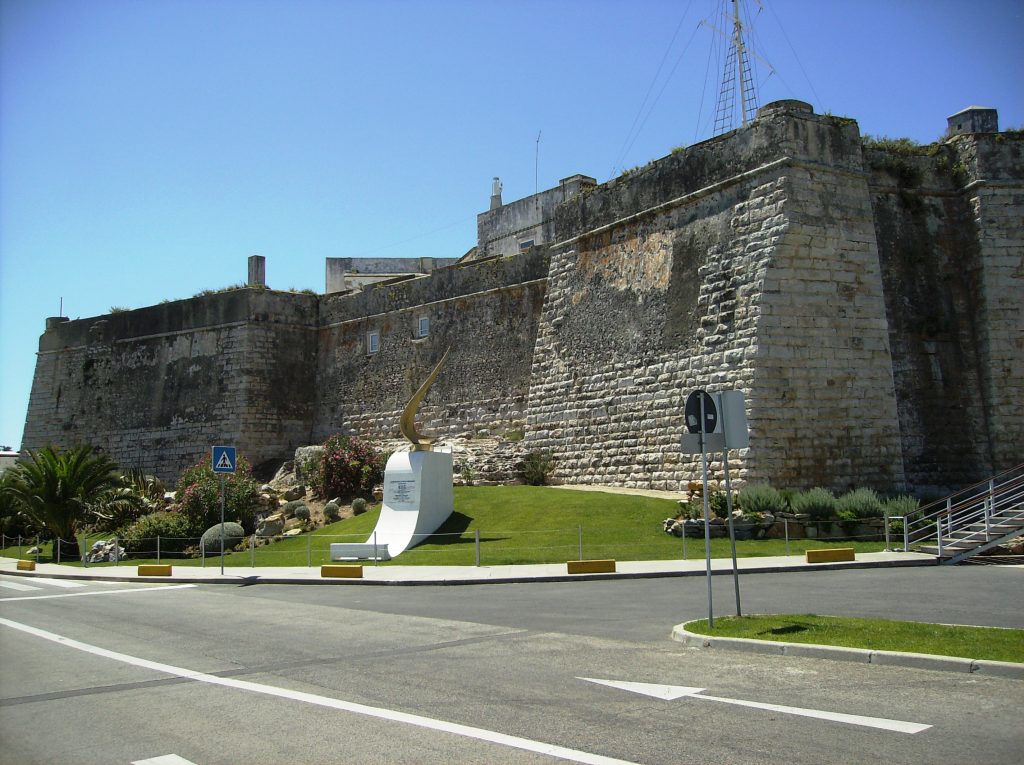
Other attractions include the Citadel, built on a high cliff to protect the city from attacks from the sea. It now houses a luxury five-star hotel. An important religious monument in Cascais is the Church of the Assumption. Situated in the town center at the intersection of many small streets, it is notable not only for its architectural features but also for its permanent exhibition of paintings by the Portuguese artist Josep de Óbidos.