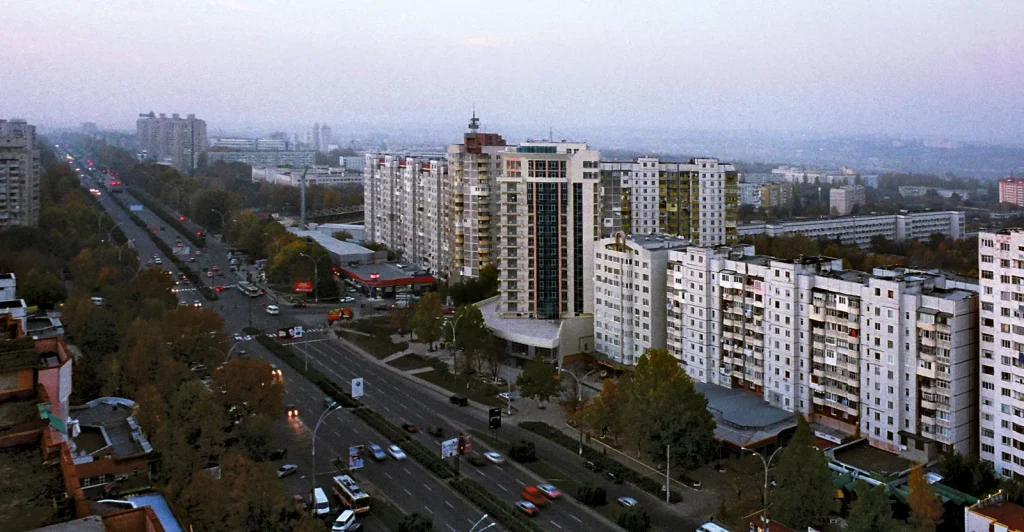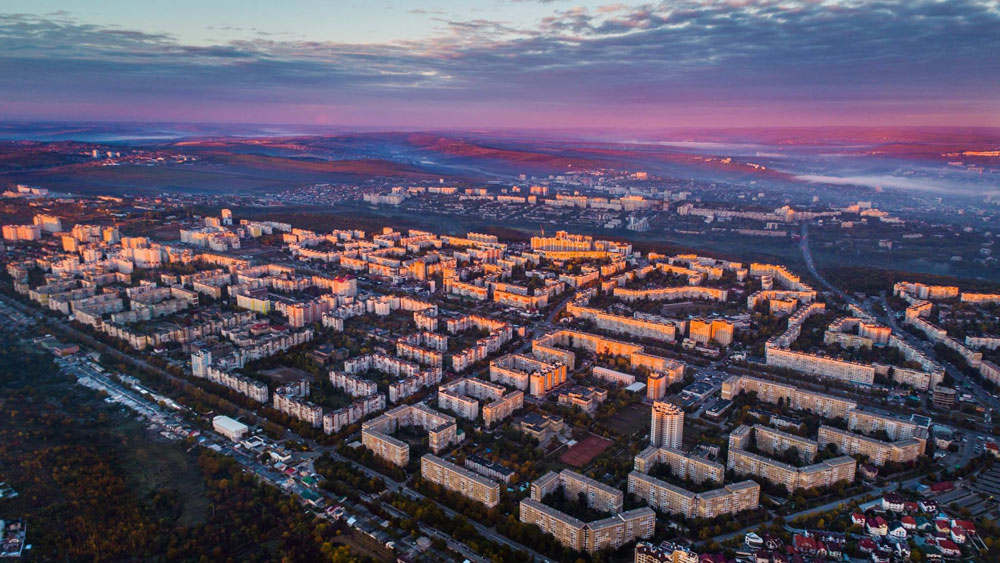
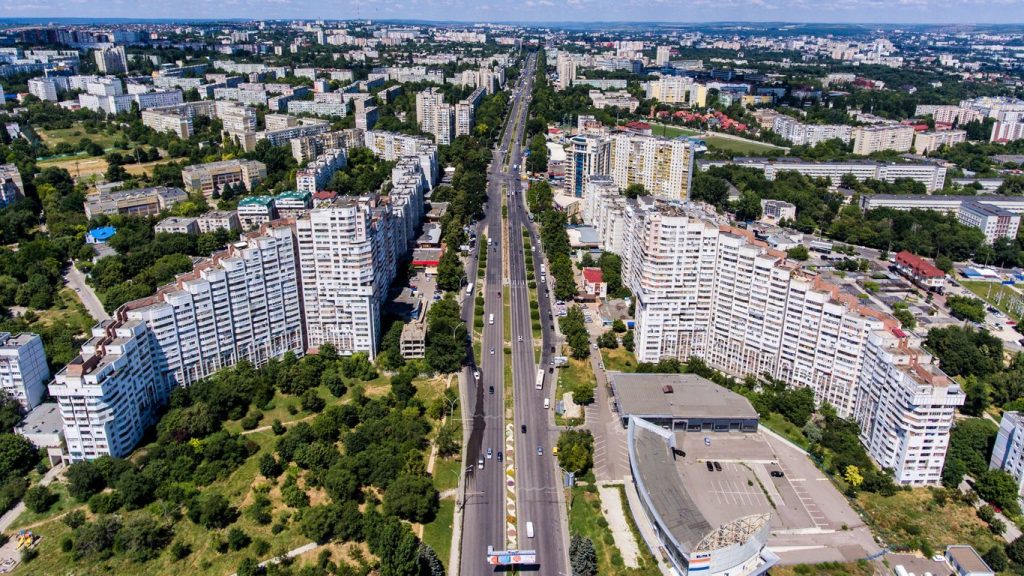
Chisinau, the capital of Moldova, is considered the most welcoming of all Soviet-era cities. This diverse, bustling, and picturesque city is also the center of the republic’s wealth and cultural heritage. It was first mentioned in chronicles in 1420, and since then it has steadily, though not always aesthetically, evolved, welcoming within its walls various ethnic groups such as Roma, Jews, Ukrainians, Bulgarians, Turks, and Russians.
Chisinau Attractions and Entertainment
Museums, parks, and historical sites related to Jewish history form the core of any Chisinau excursion. One of the city’s remarkable museums is the Museum of National Archeology and History, which displays artifacts from Old Orhei, weapons from the Soviet era, and an extensive diorama dedicated to the Great Patriotic War. At the entrance to the museum stands the sculpture “Romulus, Remus, and the She-Wolf,” symbolizing the Romance roots of the Moldovans.
Also worth visiting is the Museum of Ethnography and Nature, which displays various exhibits, including a reconstructed mammoth skeleton. The Museum of Plastic Arts displays works by contemporary Moldovan and Romanian artists, as well as medieval artifacts.
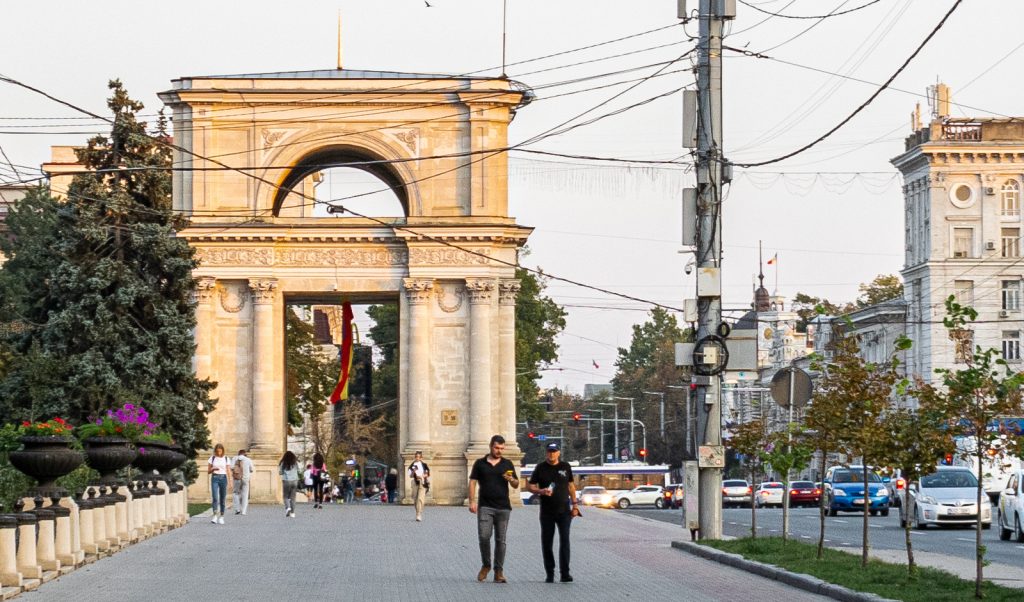
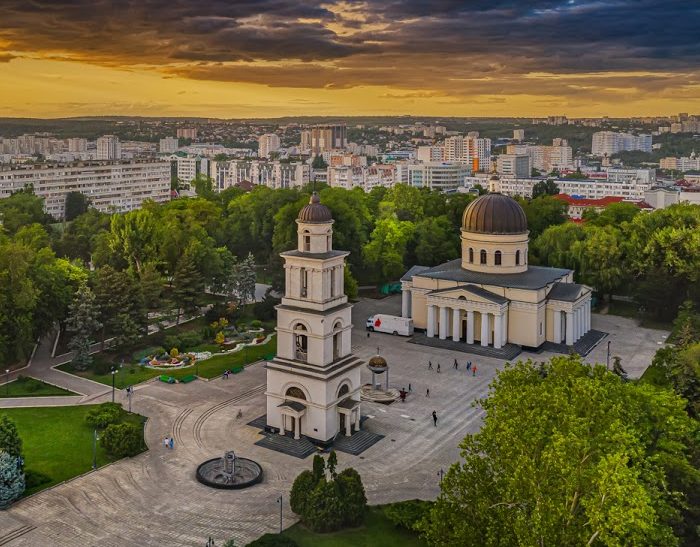
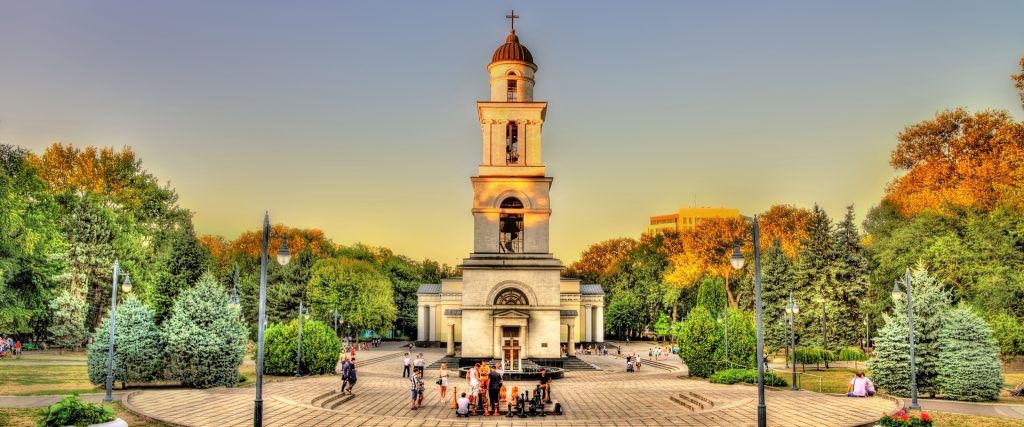
Among the city’s architectural landmarks are the Triumphal Arch, the statue of Stephen the Great, the Government and Parliament buildings, and the Orthodox Cathedral.
Chisinau has a rich Jewish history: until the early 20th century, Jews constituted a significant portion of the city’s population. Synagogues, yeshivas, monuments commemorating the Jewish ghetto and a Jewish cemetery remain, as well as a memorial complex dedicated to the 1903 pogrom.
You can take a pleasant stroll in any of the city’s 23 parks, such as the Stefan cel Mare, Riscani, Rose Valley, and Valley of the Mills, as well as the Arboretum and Cathedral Square.
Chisinau is also the starting point for popular wine tours in Moldova.